

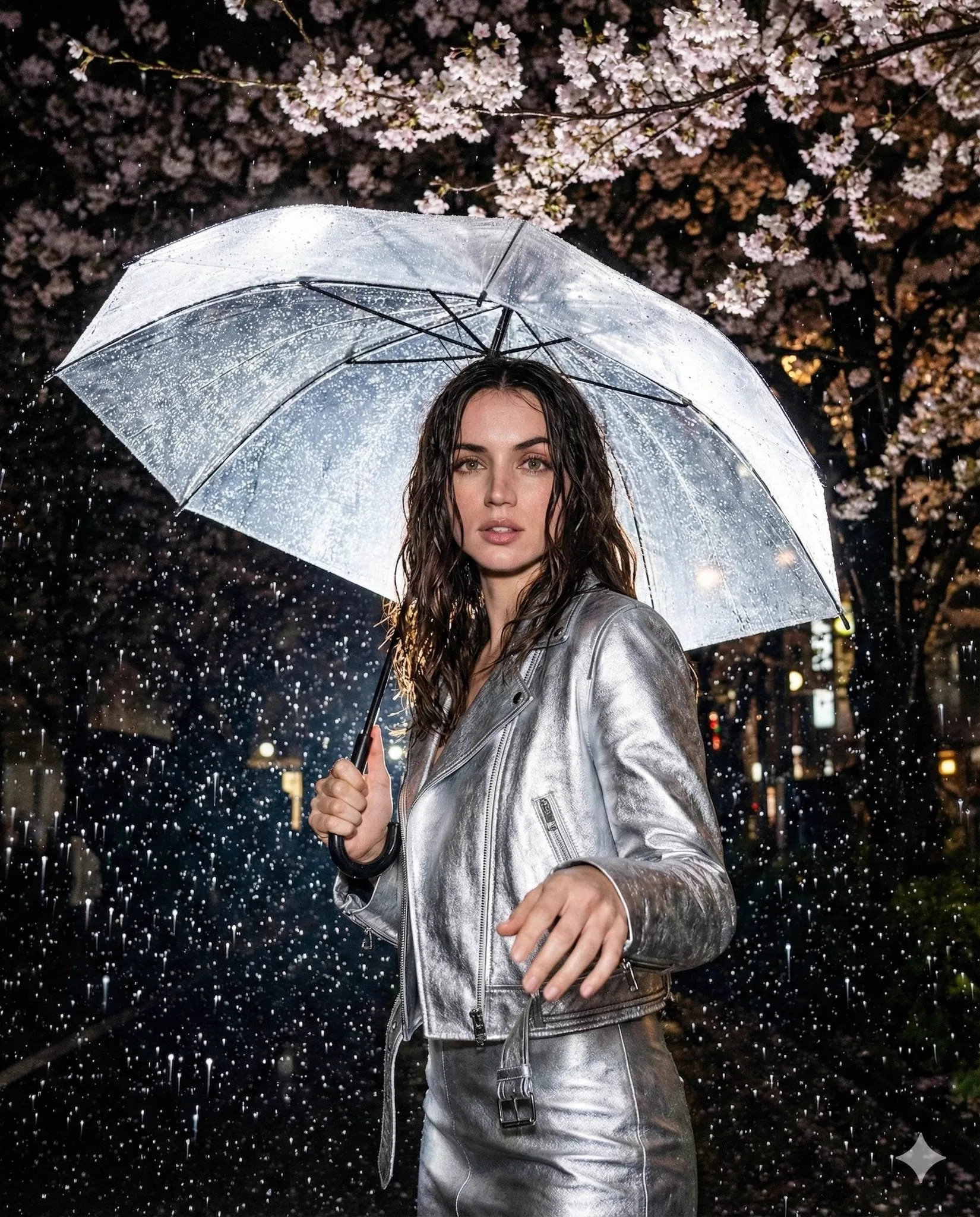

Imagine building a sixty-second story where the same character appears in every shot and actually looks like the same person every time, with the same face, costume, and lighting. That is the single hardest problem in AI video. For years, generating beautiful individual shots was easy; keeping the world coherent across a whole sequence was not. Faces drifted, props changed color, wardrobes flipped, and environments shifted between generations, which made AI footage feel cheap no matter how good each frame looked. The most significant technical advance of the past couple of years has been the push to solve this coherence problem. This guide explains how visual consistency in AI video now works, what multi-image and multi-reference techniques do, and how to build a production pipeline that keeps your characters, styles, and scenes stable from the first shot to the last.
Whether you make product films, narrative shorts, animated series, or branded content, consistency is what separates a collection of clips from a real production. This article digs into the technical ideas, the workflows, and the practical choices that let you lock in a visual identity and reuse it across many generations.
The Consistency Problem in AI Video
The biggest weakness of traditional AI video generation was always character continuity. A model could render a convincing face in a single frame, but the next shot might show a subtly different face, different hair, or different costume. This happens because typical models treat each generation as an independent event and have no persistent memory of who a character is. For storytelling, that is fatal. Audiences are unforgiving about inconsistent characters, and brands are equally strict about miscalibrated identity.
Multi-image fusion directly targets this flaw. Instead of asking the model to invent a character from text alone, you feed it reference images, often a set of stills showing the hero, the location, the key object, or a specific style. The model learns to hold those references across generations, producing results that keep the same identity clip after clip. This reference-driven approach is now the standard for anyone building a multi-shot story.
The practical benefit is huge. Creators can generate a cast and settings once, then produce an entire episode without re-explaining every detail in every prompt. Editors gain back the time they used to spend cutting around mismatches, and the final product has the polish of a real production.
How Multi-Image Reference Works
A multi-image system works on a simple principle: the more reliable visual anchors you give a model, the more likely it is to respect them. When you provide a set of reference frames, the model treats them as the source of truth for identity and style and tries to keep its output consistent with those inputs.
There are a few variations of this technique. Image-to-video starts from a single reference still and animates it, which is a fast way to get a character moving without losing identity. Multi-image fusion takes several references, for example a face, a wardrobe item, and a setting, and binds them together into one coherent output. First-and-last-frame reasoning pins the beginning and end of a sequence so the model fills in the middle, which is excellent for loops and controlled transitions. Keyframe control, where you specify the important frames and let the model animate between them, gives you fine control over how a story unfolds.
These techniques matter most when combined. A robust workflow uses reference stills for the hero, keyframe control for the structure, and first-and-last-frame work for loops. The model no longer invents the world each time; it is asked to respect the world you defined.
Choosing References and Anchors
Good reference management is a skill, and it determines how consistent your output will be. Before you generate anything, gather clean, high-quality reference images of the elements you want to keep constant. A sharp, well-lit face reference with consistent lighting across shots will hold better than a low-resolution snapshot. The same logic applies to products, environments, and costumes.
Keep your reference set small and deliberate. One clear face, one clear wardrobe, one clear setting is easier for a model to honor than a collage of ten noisy images. Consistent lighting and camera angle across your references also help the model infer the intended look. If your references conflict, for example one shows a sunny scene and another a night scene, the model will struggle to find a coherent middle ground. Align your references to the actual mood of the piece before you press generate.
Beyond Faces: Style and Motion Control
Consistency is not only about faces. It extends to art direction, color grading, camera language, and motion style. A series should feel stylistically whole even when each clip shows different action. Modern tools address this through reusable style profiles, uniform grading, and camera-control features.
Dynamic camera control, strongly associated with tools like Luma's Ray series, lets you direct movement so that every shot shares the same visual grammar. When a brand's language favors subtle push-ins over frantic zooms, you can encode that across the whole series rather than rediscovering it each time. Keeping camera behavior consistent is as important to the feeling of a production as keeping the character consistent.
Post-production also plays a role. Applying the same LUT or grade to every clip unifies colors that might otherwise drift between generations. Small details, like matching skin tones and shadows, quietly sell the illusion that everything was shot together. Consistency is a deliberate input from the start of pre-production through the final render, not something you can patch entirely at the end.
Building an Efficient Generation Pipeline
The practical benefit of reference-based generation is speed and scale. Because you no longer re-specify the world in every prompt, you can produce many more coherent candidates in the same amount of time. That scales dramatically when you are building a long series or a campaign with many assets.
Start by producing a style bible once. This is a small set of canonical references for the hero, the setting, and the look, plus a short library of prompts that work for your niche. Version the style bible like code, because you will refine it as you learn what the model honors well. Keep successful references and prompt patterns in a reusable library so that future projects start from a proven baseline instead of a blank page.
When you generate, run the exploration pass on fast, affordable models and reserve the premium tier for hero shots. Maintain a quality floor and a checklist before publishing: does the subject break or warp, do the colors match the series, is the first frame strong enough to stop a scroll? If a generation fails a checklist item, cut it.
Specialized Models for Niche Outputs
No single model masters every aesthetic. A broad model library is valuable precisely because different engines excel at different things. Some are photorealistic, others are cartoonish, and some handle fast motion or complex interactions better. Rather than forcing one tool to do everything, match the engine to the shot.
For photorealistic hero moments, rely on the fidelity and cinematic polish of established anchors. For stylized or animated work, turn to models built for creative output. For believable character motion in close-ups, choose tools known for strong facial and body realism. Names such as Flux, Runway, Sora, Kling, PixVerse, Pika, Vidu, and Hailuo all belong to different niches, and the workflow improves when you assign each type of shot to the engine that fits it.
Technical Architecture Behind High-Demand Generation
Underneath the user experience, high-scale generation depends on serious foundation. Rendering hundreds of coherent candidates quickly requires fast inference, efficient GPU scheduling, a reliable job queue, and a backend that can handle bursts of requests. Services built on solid architecture, such as those using modern backend stacks and managed database integrations, deliver consistent speed even under load.
For teams evaluating platforms, responsiveness and uptime matter more than marketing claims. A platform that queues your jobs predictably and renders without errors saves real hours when you are iterating on a tight deadline. Reliability is a feature, especially for creators producing daily content.
Practical Steps to Get Started
Getting started with consistency-driven AI video is simpler than it sounds. Begin with a single small project, a short three-shot sequence where one character appears two or three times. Gather a clean face reference and one setting reference before writing any prompt. Then generate the shots using those anchors, and observe how well the model holds the identity. This focused exercise teaches you more about your tools than a large ambitious project ever could.
As you work, keep notes on what works. Maintain a reusable library of prompts, references, and settings that succeed in your niche. Over time this library becomes the fastest way to produce on-brand results, because you are no longer rediscovering the right inputs on every project. Version the library like code, and update it whenever the models improve or your style evolves. The accumulation of small, documented wins is what turns a beginner into a fast producer.
Finally, adopt a clear review routine. Before publishing, check whether the subject breaks or warps, whether the colors match the series, whether the first frame is strong enough to stop a scroll, and whether each shot truly belongs to the same world. If a generation fails any of these checks, cut it rather than forcing it into the cut. Consistency is a discipline that pays off across the whole series, not a one-time effort.
Consistency for Different Content Types
The techniques for consistency adapt to the kind of content you make. In product film, the priority is that the product, its packaging, and the environment stay identical across shots, so gather clean, well-lit product references and reuse them for every reveal. In narrative shorts, the character is the hero, so invest the most care in the face and wardrobe references and control how the character moves and enters each scene. In branded animation or stylized series, consistency lives in the art direction and color language, so a strong style bible drives every generation.
Education and training content place value on clarity rather than photorealism, which means a simpler, more legible visual language can be more effective. Social media content rewards speed, so an efficient reference set that you can reuse quickly matters more than cinematic polish on every clip. Regardless of the format, the principle stays the same: decide the anchors that must persist early, encode them in references, and grade everything as one unified piece. The texture of the work changes, but the discipline of reference-driven production cuts across every genre.
Common Mistakes and How to Avoid Them
The three most common mistakes in consistency work are shaky references, overcrowded prompts, and neglecting grading. If your references conflict or are low quality, the output drifts no matter what the model claims. Spend time curating clean, aligned anchors. If your prompt tries to squeeze a whole film into one sentence, the model returns a muddy generic result; solve one problem per generation. If you skip a unified grade, every clip can feel like it came from a different movie even when the characters match. Handle color in the pipeline from the start.
Another frequent error is giving up on consistency and instead shooting for volume with scattered stills. That produces a pile of mediocre clips that do not combine into anything. It is better to invest in the reference system early and produce fewer, stronger, more coherent shots.
Frequently Asked Questions
How many reference images should I use? Keep the set small and aligned. One clear hero, one clear setting, and one clear key object is usually enough. Too many conflicting inputs cause drift.
Can I reuse the same references across many projects? Often, especially for a brand or a recurring series. A canonical style bible can power many episodes once you know which anchors the model honors well.
Why does my character change hair or costume between shots? Conflicting or low-quality references, inconsistent lighting, or overcrowded prompts are the usual causes. Tighten the references and keep each generation focused.
How do I prevent poor motion from ruining a good frame? Keep camera moves simple during generation and prefer tools with strong motion realism. It is easier to add subtle camera movement in the edit than to force an engine to produce a complex dolly.
Final Thoughts
Visual consistency is the bridge between AI-generated clips and real storytelling. Multi-image and multi-reference techniques have made it possible to keep characters, styles, and worlds stable across a whole production, and the creators who adopt these techniques early gain a major advantage. Build a small, reliable reference system, assign each type of shot to the engine that fits it, and apply unified grading across everything. The models will reward clear thinking, and the result will be footage that finally feels like one coherent movie instead of a random collection of stills.
