
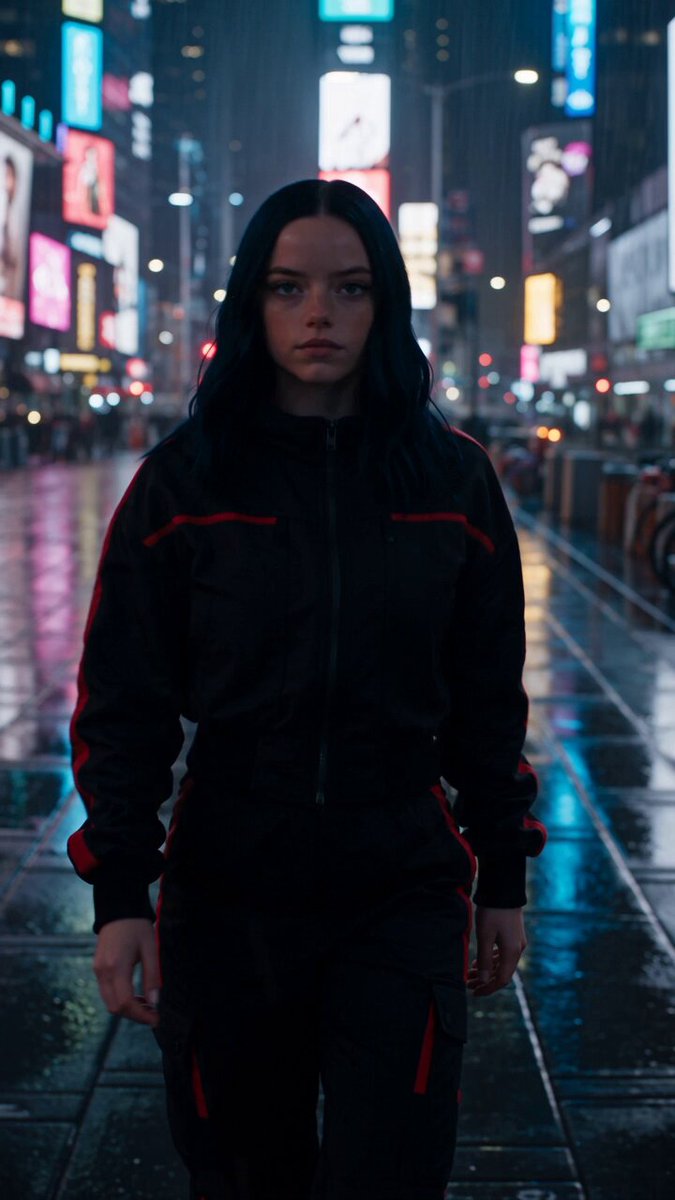
How to Design Viral Reels That Stop the Scroll: An AI Creator's Guide
Aug 4, 2026

The 1.5-Second Battle for Attention
In 2025, the average user scrolls past over 200 pieces of short-form video content every day. Your reel has roughly 1.5 seconds to stop that scroll. Not three seconds. Not five. One-point-five. This brutal reality of the attention economy means that good content isn't enough anymore — you need precision-engineered content that hits the viewer's brain at exactly the right moment with exactly the right stimulus.
The short-form video market is projected to surpass $150 billion in ad revenue this year, and the creators winning that market aren't the ones with the biggest budgets — they're the ones who understand the mechanics of virality combined with the power of AI generation.
The Anatomy of a Scroll-Stopping Reel
The First Frame Is Everything
Your opening frame must do three things simultaneously: create visual intrigue, signal content value, and establish emotional tone. AI video tools let you iterate on opening frames with unprecedented speed. Instead of spending hours filming and editing a hook, you can generate 20 variations in minutes and A/B test which visual approach performs best.
Domos AI Video Generator gives you the tools to rapidly prototype opening hooks across different visual styles.
Movement Signals Life
Static images don't stop scrolls — motion does. But not any motion. The most effective hooks use what cinematographers call "motivated movement": camera motion that serves a narrative purpose. A slow push-in creates intimacy. A whip pan signals energy. A subtle parallax effect adds depth. Modern AI video models understand these cinematic conventions and can execute them from text prompts alone.
Emotional Resonance Over Technical Perfection
Here's a counterintuitive truth: technically perfect AI videos often perform worse than slightly imperfect ones with emotional weight. Viewers connect with feeling, not pixel counts. Your prompt engineering should prioritize emotional descriptors — "nostalgic golden-hour lighting," "tense, held-breath anticipation," "joyful, unguarded laughter" — over purely technical ones.
Model Selection: Matching the Tool to the Task
The creator's toolbox in 2025 is vast. Different AI models excel at different things, and knowing which to use when is the difference between professional output and generic content.
Photorealism for Product and Brand Content
When showcasing a physical product or creating brand-representative content, photorealism is non-negotiable. Look for models that excel at texture rendering, accurate lighting simulation, and material representation. These models tend to be more computationally expensive but the quality difference is immediately visible to viewers.
Stylized Models for Niche Audiences
Anime, illustration-style, and other stylized models connect deeply with specific communities. A reel targeting anime fans will perform dramatically better using a purpose-built anime model than a generic photorealistic one. The authenticity of the visual language matters more than technical impressiveness.
Speed vs. Quality Tradeoffs
Smart creators maintain a tiered approach: use faster, cheaper models for concept testing and iteration, then switch to premium models only for final output. This keeps your creative velocity high while your production costs stay manageable.
Character Consistency: The Secret Weapon of Viral Series
Individual viral reels are great. A series of viral reels featuring the same recognizable character is a moat. This is where multi-image reference technology becomes invaluable.
By uploading 5-10 reference images of your character from different angles, modern AI video tools can generate dozens of clips where the character remains visually consistent — same face, same outfit, same distinctive features. This creates the illusion of a high-budget production when in reality, you never picked up a camera.
For still-image generation with the same consistency, Domer's AI Image Generator offers advanced reference-image capabilities.
Precision Prompt Engineering for Virality
The 150-Token Standard
Vague prompts produce vague results. Professional creators in 2025 write prompts exceeding 150 tokens, explicitly defining: camera movement type, lighting setup, material textures, color palette, emotional tone, and motion dynamics. Every word is an instruction.
Segmenting Your Prompt
Structure your prompts in layers:
- Scene setup: Location, time of day, weather, atmosphere
- Subject description: Who or what is in frame, their appearance and state
- Action sequence: What happens, in what order, at what pace
- Technical direction: Camera angle, lens type, movement pattern
- Style tags: Visual aesthetic references that anchor the output
Negative Prompting
What you exclude is as important as what you include. Common negative prompts: "no distorted faces, no extra limbs, no blurry textures, no oversaturated colors, no jittery camera." This prevents the most common AI video artifacts.
Algorithmic Alignment: Speaking the Platform's Language
Each platform has unspoken rules about what it promotes. TikTok rewards pattern-interrupt content and trend participation. Instagram Reels favors aesthetic coherence and lifestyle aspiration. YouTube Shorts responds to clear value propositions in the first frame.
AI tools can't fully automate platform strategy, but they can accelerate your ability to test hypotheses. Rather than spending a week producing one reel, produce five variations targeting different algorithmic signals and see what the platform rewards.
Practical Workflow: From Idea to Published Reel
- Concept development (15 min): Define your hook, core message, and target emotion
- Prompt drafting (10 min): Write detailed prompts for each scene
- First-pass generation (5 min): Generate rough cuts using fast models
- Selection and refinement (15 min): Pick the best outputs, refine prompts for weak scenes
- Final render (10 min): Re-generate winning scenes with premium models
- Audio pairing (10 min): Match to trending audio or compose AI-generated soundtrack
- Export and publish (5 min): Format for platform specs and post
Total: roughly 70 minutes for a polished, AI-generated reel that previously would have taken a full day.
Common Mistakes That Kill Virality
- Over-polishing: A reel that looks too "produced" can feel like an ad and get scrolled past. Keep some rawness.
- Ignoring sound design: Visuals get attention, but audio keeps it. AI-generated reels demand equally thoughtful soundscapes.
- One-and-done mentality: Virality is a numbers game played with quality content. Your first 20 reels might flop. Your 21st might hit millions.
- Neglecting the caption: The text overlay and caption are part of the creative canvas. Write them with the same care as your prompts.
The Bottom Line
AI hasn't replaced creativity — it's compressed the gap between idea and execution. The creators winning in 2025 aren't necessarily the most technically skilled; they're the fastest iterators, the sharpest observers of platform dynamics, and the most disciplined prompt engineers. Your competitive advantage isn't your tool. It's how you use it. For more tools and models, check out Domer's full platform.

Alexander
More Blogs
Read MoreMontaggio video rapido: transizioni e software per l'AI
Guida pratica al montaggio video rapido con AI: transizioni fluide, software, workflow, coerenza visiva, errori da evitare e FAQ operative.
Building an AI Video Production Workflow From Concept to Cut
A practical guide to planning, generating, editing, and finishing AI-assisted videos with consistent characters, clear shot lists, and reliable review loops.
A Repeatable Post-Production Workflow for Polished AI Video
Build a repeatable AI video post-production pipeline: organize assets, cut story-first, design transitions, refine audio, and review versions calmly.