
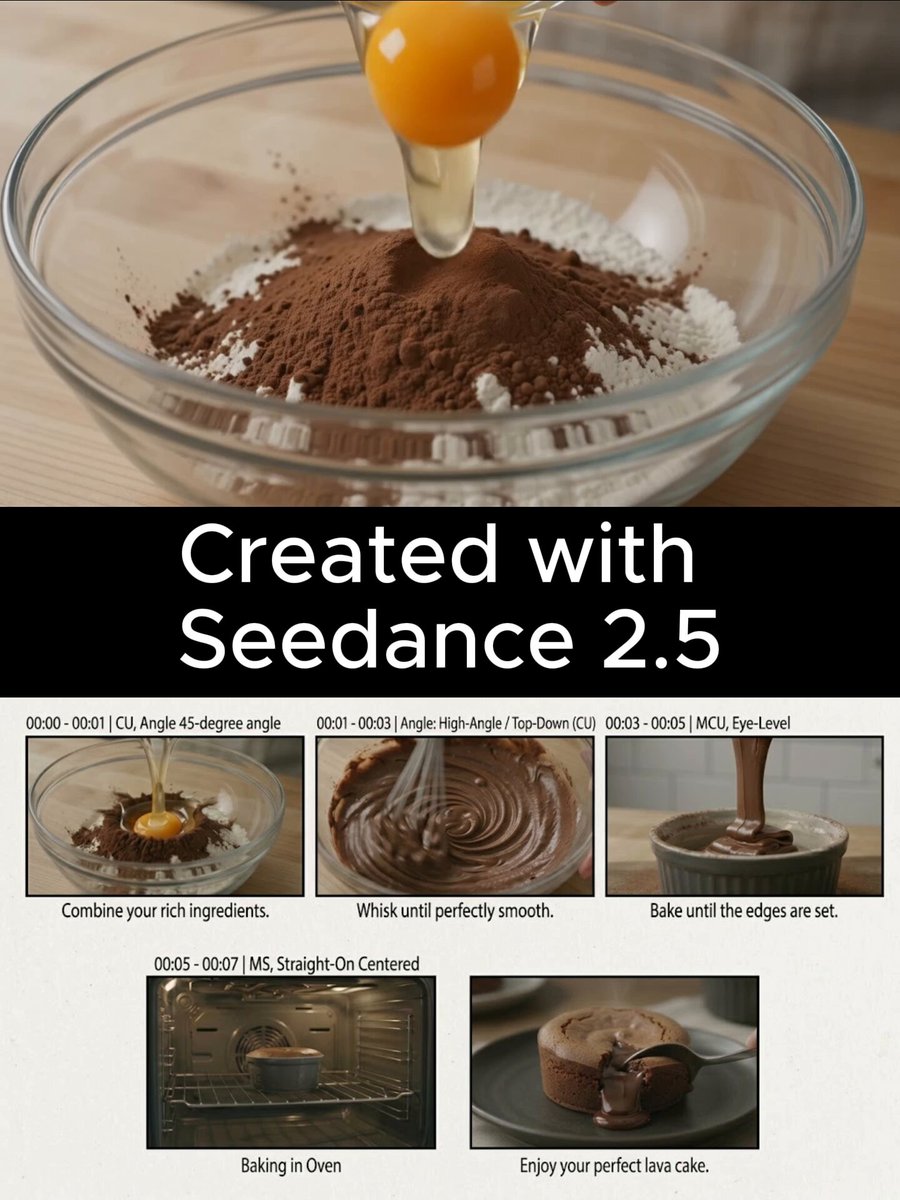
The Promise: Text In, Viral Clip Out
The holy grail of content creation is simple: type an idea, get a polished video ready to post. In 2025, we're closer to that reality than ever before. AI text-to-video tools have matured from producing blurry, physics-defying clips to generating genuinely compelling short-form content.
But "closer" isn't "there yet." The gap between a technically correct AI video and a viral clip is where skill lives. This guide bridges that gap.
The Text-to-Video Pipeline
Stage 1: The Idea (5 minutes)
Don't start with "I need a video." Start with "What would make someone stop scrolling?" Your idea must contain: a hook, a reason to keep watching, and a payoff at the end.
Example bad idea: "A video about my product."
Example good idea: "A video showing my product doing something impossible that makes people say 'wait, how?'"
Stage 2: The Prompt (10 minutes)
This is where most creators underinvest. A good prompt for viral content has:
- Scene description with emotional adjectives: "cozy, golden-lit coffee shop" not "coffee shop"
- Action that creates tension: "barista pours latte art that transforms into a galaxy"
- Camera direction: "slow push-in, rack focus to the foam"
- Style anchors: "cinematic, warm color grade, shallow depth of field"
Domer AI Video Generator interprets these detailed prompts with high fidelity.
Stage 3: Generation (2-5 minutes)
Generate 3-5 variations. AI is stochastic — the same prompt produces different results. Always generate multiples and pick the best.
Stage 4: The Human Touch (10 minutes)
This is the non-negotiable step. Raw AI output rarely goes viral. Add:
- Pacing adjustments (trim dead frames)
- Text overlays (most people watch without sound)
- Audio sync (music should hit with visual beats)
- Hook reinforcement (first 0.5 seconds must be visually arresting)
Stage 5: Platform Optimization (5 minutes)
One video, multiple versions:
- TikTok: 9:16, fast cuts, trending audio
- Reels: 4:5 or 9:16, aesthetic focus, lifestyle feel
- Shorts: 9:16, value-first, clear proposition in frame 1
What Makes an AI Clip Go Viral
The 3-Second Rule is Dead — It's Now 1.5 Seconds
Your opening frame must create enough curiosity to survive the scroll impulse. Techniques:
- Visual pattern interrupt (something unexpected)
- Incomplete action (brain wants closure)
- Emotional spike (surprise, delight, confusion)
The Loop Effect
Viral AI clips often get rewatched 3-5 times. Design for it — make the ending connect to the beginning so the loop feels seamless.
The Share Trigger
People share content that makes THEM look good. Your clip should make the sharer seem: insightful, funny, in-the-know, or tasteful.
Scaling Production
One viral clip is luck. Consistent viral output is a system. Build your system:
- Prompt library: Catalog every prompt that produced good results
- Style guide: Document your visual language (color palette, camera style, mood)
- Weekly batch: Generate 20 clips on Monday, edit and schedule throughout the week
- Performance review: Every Sunday, analyze what worked and update your prompt library
Common Failures
- Prompt is too vague: "Make something cool" = generic output
- No human edit pass: Raw AI looks raw. Always.
- Audio neglect: Bad sound kills good video instantly
- One-and-done: If generation 1 isn't perfect, iterate. Virality is a numbers game played with quality.
The Bottom Line
Text-to-video AI has democratized production. But democratized production means the bar is higher, not lower. The winners will be creators who pair AI speed with human judgment — knowing what to generate, and more importantly, knowing what's worth publishing. For more tools and models, check out Domer's full platform.
Start creating today with Domer.
Ready to elevate your content? Start creating with Domer.
For consistent visual branding across all your videos, try Domer AI Image Generator.
