
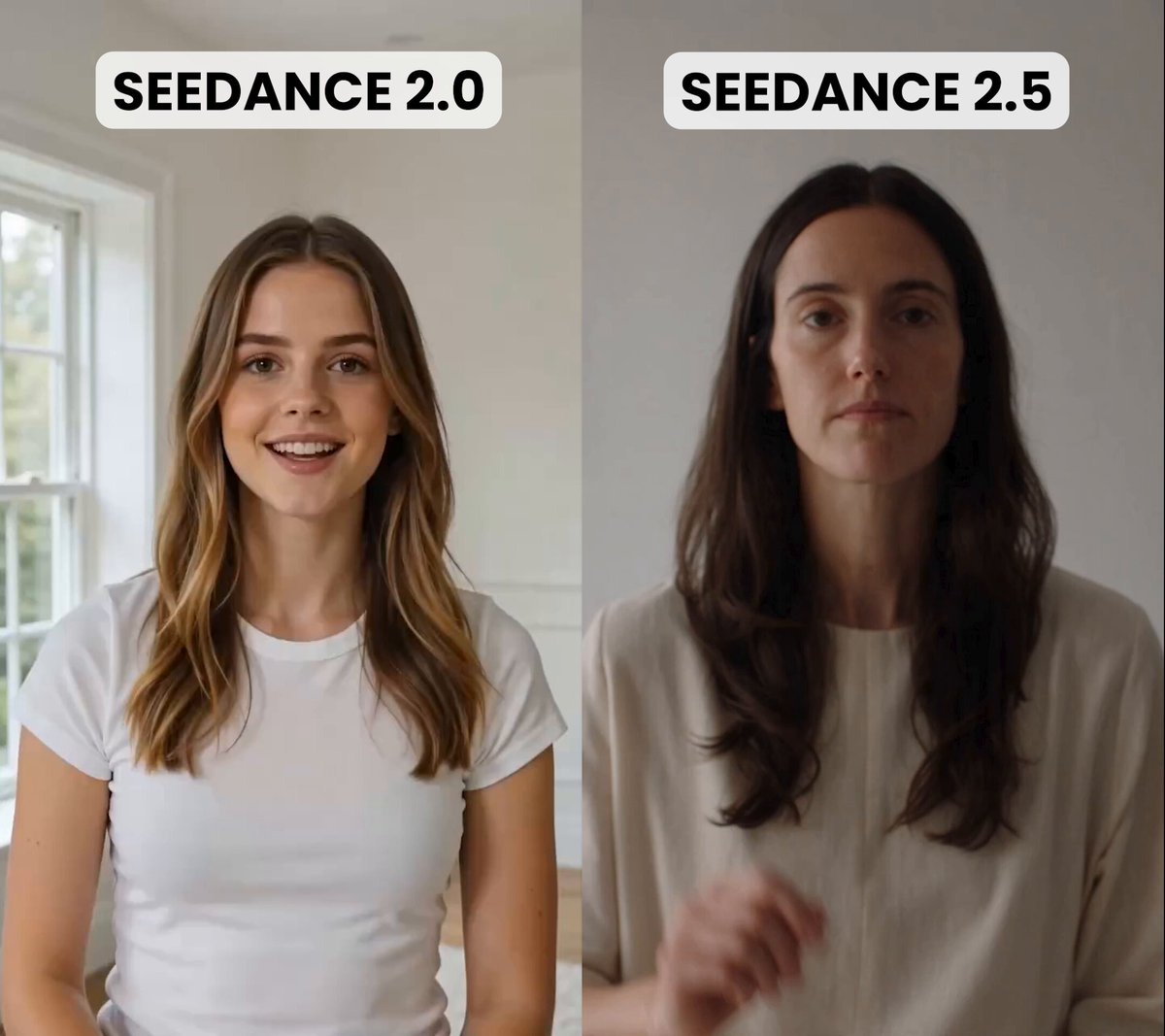

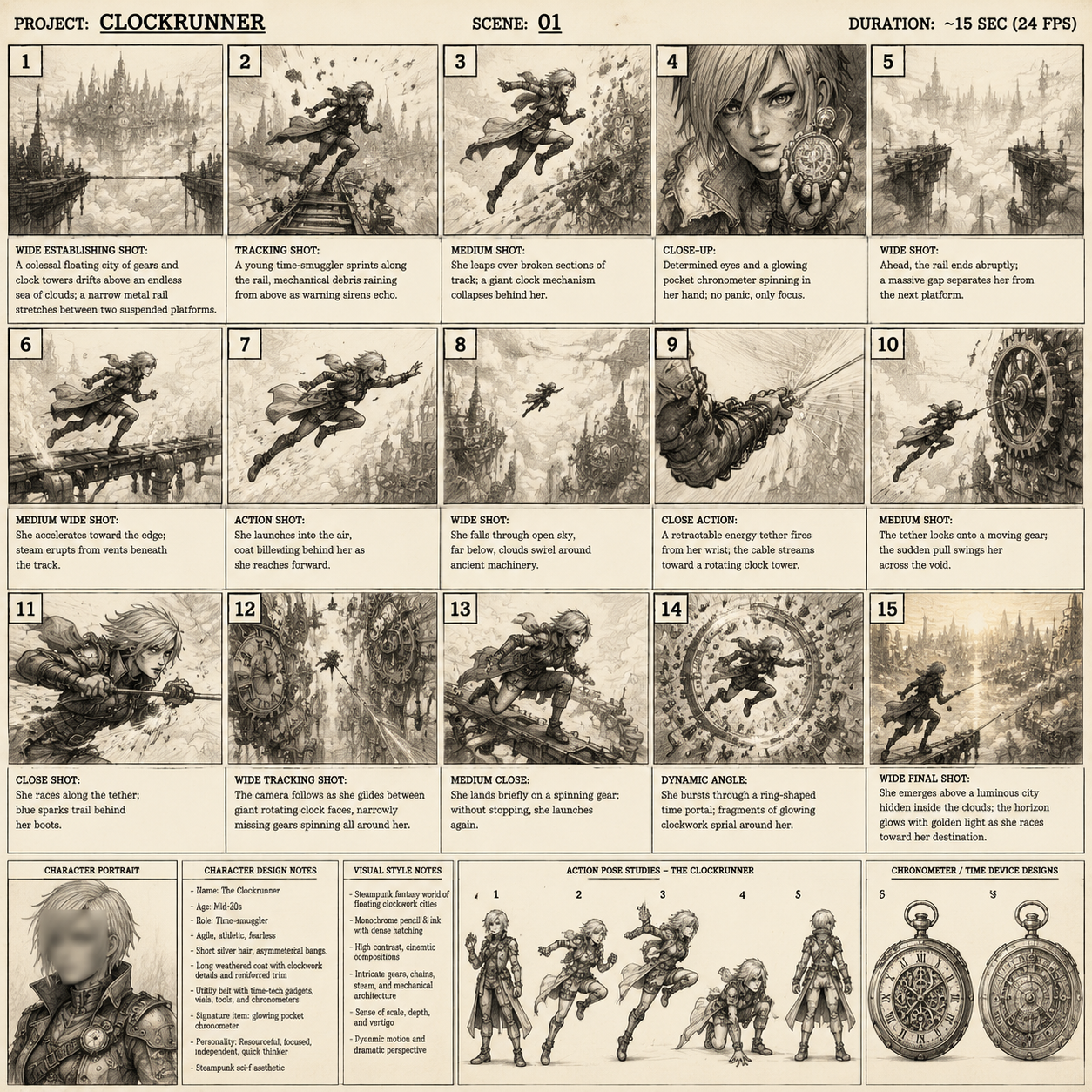
Reconstructing a believable environment and keeping a consistent character across many shots once required a full 3D department: modelers, look-dev artists, lighters, and animators working for weeks on a single asset. That bar is dropping fast. With the right generative techniques, a solo creator can now rebuild a coherent world and keep a character faithful from scene to scene without touching a traditional 3D suite. This guide walks through how modern AI workflows approach spatial consistency, material identity, and cinematic scale, so you can turn a handful of references into a durable, reusable production.
Why Spatial Reconstruction Matters Now
The audience for digital content has grown far pickier about how things look. Flat, washed-out colors and characters that drift between frames no longer pass as professional. At the same time, the market rewards speed: campaigns, product stories, and short-form series all demand assets that are consistent enough to feel like one deliberate production rather than a random pile of clips.
This is exactly the problem spatial and character reconstruction solves. Instead of generating each shot in isolation, you reconstruct a coherent, reusable world and cast. The result is content that looks designed rather than improvised. That shift changes the value of a creator's library from a collection of one-off clips into a durable production asset that can power many stories.
The Shift from Modeling to Conditioning
Traditional 3D meant building geometry by hand: boxes, edge loops, UVs, textures, and rigs. Generative reconstruction inverts this. You start from references and style anchors, then let models synthesize motion and detail that consistently honor them. Your job moves from constructing polygons to directing a system that already knows how things should look and move. The discipline that remains, consistency management, is more about curation and worldbuilding than about modeling software.
Delivering Density and Lighting Consistency
In a static image, texture and light are frozen in a single frame. In video they have to survive motion, changing angles, and multiple shots. Generative models that specialize in texture fidelity help you keep surfaces believable as the camera moves, so a building, a prop, or a surface doesn't dissolve into mush halfway through a sequence.
Anchoring Light Direction
One of the fastest roads to a believable environment is locking a consistent lighting logic. Decide where the light comes from, how warm or cool it is, and how it wraps around forms, then feed that mood into every relevant generation. When the light logic holds, the environment reads as a single cohesive place even across wide coverage cuts and dramatic angle changes.
Texture as Memory
Think of texture as short-term memory for the surface. If a mossy wall, a metal railing, or a woven fabric appears in several shots with the same material language, the world feels tactile and inhabited rather than like a series of unrelated paintings. Reuse shared style references early in the project so the model keeps that memory from scene to scene, and so the audience always knows where they are.
Keeping Character Identity a Contract
Nothing breaks immersion faster than a protagonist who changes face between shots. For reconstruction work, character identity is not a polish concern; it is the entire agreement with the audience. If the hero stops being the hero, the story stops being a story. The technique that makes this practical is multi-image fusion.
Multi-Image Fusion in Practice
Multi-image fusion means feeding the model a small set of reference views of the same character, spanning angle, lighting, and expression. From that set, the model derives a stable identity and carries it through every generated frame. Instead of hoping each clip happens to stay on-model, you condition every clip on the same underlying identity, so consistency becomes a guarantee rather than a gamble.
Selecting a Good Reference Set
Choose three to five views that complement rather than copy one another: a front, a three-quarter, a side, plus at least one differently lit take. The more varied the set, the more the model learns the true identity beneath the variations rather than a coincidental single-frame look. Keep a small, reusable character library that your whole project can draw from, the way a studio keeps its established cast.
Reconstructing Dynamic Characters
Character reconstruction is not only about keeping a face stable; it is about making a consistent person move believably. Multimodal models that understand motion alongside appearance help your character walk, turn, react, and emote in a way that survives the transition from one shot to the next. This is what turns a still reference into a cast member rather than a prop.
Human-Camera Fidelity for Precise Space
Spatial precision also demands sensible camera behavior. Wide shots, close-ups, and push-ins should feel like the same lens family moving through the same space. Models that respect camera language let you stage coverage with confidence, so the geography of a reconstructed environment stays legible to the viewer and the audience never loses their bearings.
Building a Coherent Shot List
Plan your coverage against a beat sheet before generating. Decide which moments deserve a wide establishing shot and which deserve a tight close-up, and keep the camera grammar consistent throughout. A disciplined shot list makes the edit possible and prevents the disorienting jump cuts that plague unplanned AI assemblies.
A Scalable Infrastructure for Heavy Jobs
Reconstruction work is computationally heavy. Rendering dense scenes and consistent characters at scale requires a backend that can queue work, use GPU resources wisely, and store assets reliably. This is not a glamorous topic, but it decides whether a production can grow from a handful of clips into a full series without falling apart.
Queued Processing and GPU Management
When tasks are queued and concurrency is managed sensibly, long jobs do not block short experiments. A platform that handles heavy loads predictably lets you fire off a hero render and keep prototyping in parallel. The creative flow, rather than the infrastructure, sets the pace of your work.
Reusing Multi-Modal Power
Some of the strongest reconstruction work comes from multimodal models that reason jointly about image and motion at once. They help maintain spatial relationships and dynamic characters in a single pass, reducing the number of retries you need to converge on a good take and saving you meaningful iteration time.
Directing Reconstructed Scenes Automatically
An AI agent director helps turn reconstructed assets into actual narrative. Given a beat plan, the agent proposes a sequence of shots, coverage, and rhythm that bring your rebuilt world to life. You keep the creative calls; it carries the mechanical structuring work, the same way a first assistant director on a set might.
From Set to Storyteller
Once your environment and cast are consistent, the next question is narrative. An agent that organizes scenes into a sensible arc lets you reuse your reconstructed world across multiple stories instead of sinking the investment into one flat clip. Your library compounds in value every time it powers a new narrative, which turns reconstruction into a genuine asset rather than a one-time cost.
Automation That Respects Taste
Automation should never replace judgment; it should accelerate it. Use the director to surface options and structure, then make the choices that actually define the work. The craft does not disappear; it moves up a level, into deciding what the audience should feel at each point of the story.
A Practical Reconstruction Workflow
Here is a sequence that keeps quality high without dragging the process to a halt.
Build the World Firewall First
Lock your environment anchors and character references before generating anything at scale. This is cheap up front and nearly impossible to repair retroactively, because every drift compounds across the series. Treat consistency as pre-production, not as a repair step that happens after you notice the problem.
Iterate Against a Beat Sheet
Generate against a short beat sheet, cut a rough assembly, and watch it as an audience member. Mark the beats that land and the frames that drift, then regenerate only what actually needs work. This keeps iteration fast and focused rather than scattershot.
Reject Weak Takes Early
Give yourself permission to discard a take that is fundamentally off, even if it is technically smooth. Reconstructing or polishing a badly conceived moment is wasted effort; move on and let the tool surface a better one. Earlier rejection is the cheapest quality control you have.
Common Pitfalls to Avoid
Skipping Consistency Setup
The classic error is skipping reference setup because it is unglamorous. Every skipped step surfaces later as a face that changes or a world that drifts apart. Pay the consistency tax up front, and the entire series stays coherent from the first frame to the last.
Over-Polishing Weak Ideas
Sometimes a clip is wrong in concept rather than execution. Continuing to polish a weakly designed moment burns time you could spend on a scene that matters to the story. Direct the narrative, and let the machine focus on surfacing the best take rather than resurrecting a doomed one.
Letting the Default Look Dominate
When everyone shares the same selection patterns, output converges to a bland default that feels interchangeable. Keep your taste active in the loop by curating references carefully and rejecting conventional choices that do not serve the project.
The New Frontier of Space and Character
Reconstructing environments and characters was once the preserve of studios with deep pipelines and large teams. Generative workflows are handing that power to smaller teams and solo creators, provided they learn the discipline of consistency: anchored light, reusable references, multi-image fusion, and a stable infrastructure. Master those, and you no longer merely generate clips; you build worlds, staff them with consistent casts, and tell stories in them. The role of the creator narrows and sharpens into exactly the part machines cannot play, the director who decides what the world should feel like.
Tools That Follow Your Craft
The fastest way to a uniform-looking world is to pick a popular tool and let its defaults steer every shot. Instead, judge the workflow by how well it preserves your worldbuilding choices. Can you override camera language, light logic, and material look without a fight? A pipeline that respects your decisions extends your instinct; one that overrides them steadily erases what makes your reconstructed world distinctive.
The Quiet Cost of Defaults
Convenient defaults hide their choices behind simple buttons, but every hidden choice is a small surrender of authorship. If the default look does all the designing, the result converges toward everyone else's output, and your world stops being yours. The durable approach is deliberate setup: define the reference library, lock the light logic, choose the camera family, and let the tools execute rather than decide.
A Reusable World Library
Over time, good reconstruction work grows into personal asset libraries. The light rigs, material languages, and character stacks you reuse become a shorthand that makes every new project faster and more coherent. This turns consistency work from a one-time chore into an investment that pays compound interest every time you start a new story.
Measuring Consistency and Learning Between Series
Consistency is not a binary state; it is something you tune and learn. After a series, review which scenes held the identity and which drifted, then adjust your reference stacks for the next outing. Reused worlds and casts let you compound improvement in exactly the same way libraries compound reuse, and each new story teaches you something the set does a little better next time.
The Reference Review
Treat the end of a project as a reference review. Which references worked, which confused the model, and which were worth the setup time? Prune what underperformed and bank what carried the identity. This keeps the library itself a crafted asset.
Better Worlds Through Iteration
The more often you reuse a world, the more you learn to control it. Each pass through the same anchors teaches you how the models interpret light and space, so the next pass is more deliberate. That compounding is the quiet engine behind every great reconstructed environment.
Summing Up the Discipline
Reconstruction is a discipline before it is a technology. Anchored light, reusable references, and multi-image fusion are the craft; the models are the machinery that honors it. Master the discipline once, and you build not only a story but a world you can inhabit again and again.
