
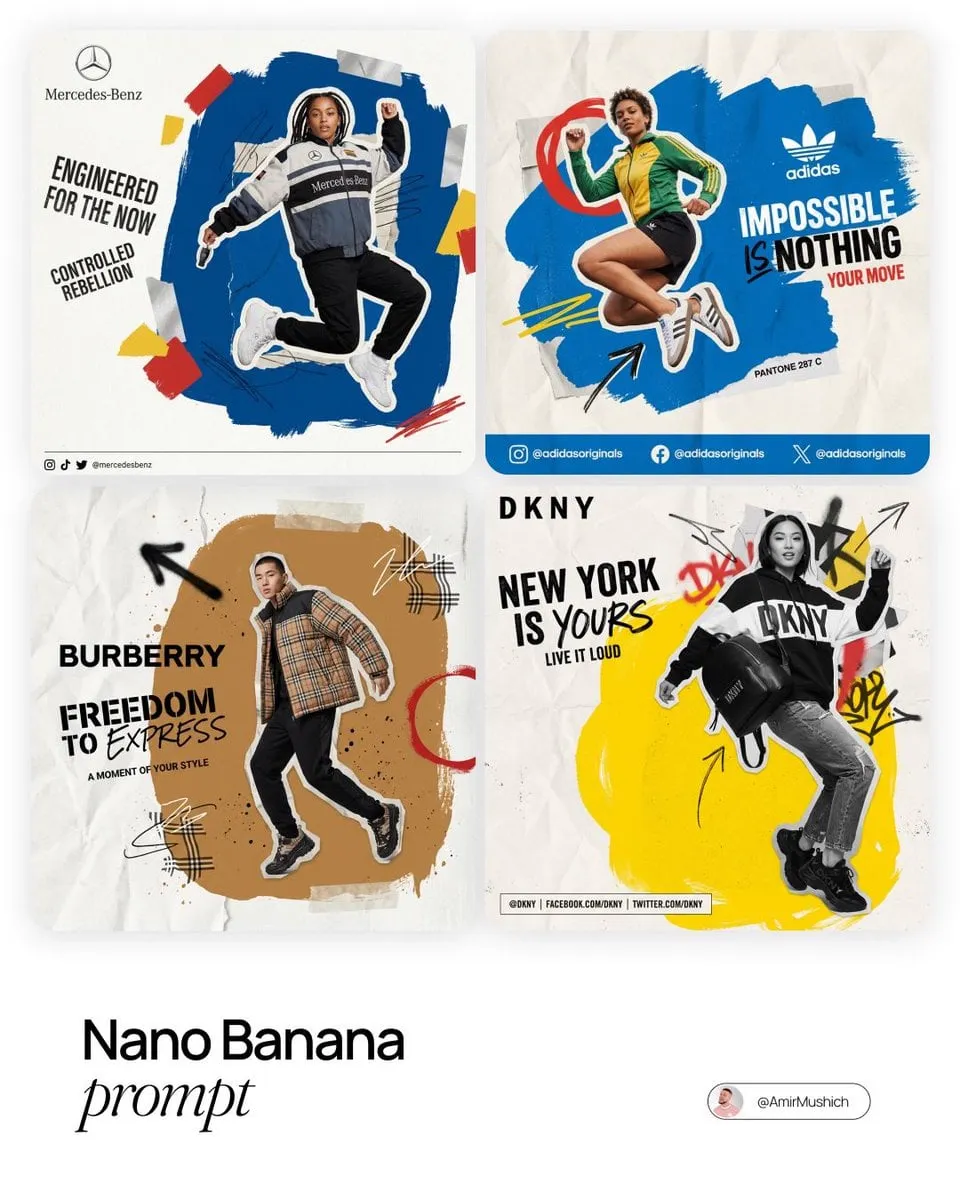


On YouTube, the thumbnail is the advertisement that decides whether a click happens. Creators spend enormous effort brainstorming titles, but the visual that appears beside the title often matters just as much to click-through rate. In gaming niches such as Lethal Company, where the audience is engaged and discerning, a generic thumbnail can sink an otherwise solid video.
AI image generation has changed what is possible in thumbnail creation. A creator can now produce polished, on-theme visuals in minutes, iterate on many concepts quickly, and keep characters and moods consistent across a whole channel. This guide looks at how to use AI to craft high-performance thumbnails for Lethal Company and other gaming content, with a practical workflow you can adopt today.
Why Thumbnails Decide the Click
YouTube is a marketplace of hooks. On a crowded results page, every competing video offers roughly the same interface: a thumbnail, a title, and a channel name. The viewer's eyes land on the visuals first, and within a second or two they decide whether a video is worth attention.
A great gaming thumbnail has to do several jobs at once. It must be legible at small sizes on mobile. It must communicate the video's central tension or reward. It must look professional enough that viewers trust the content. And it must stand out among dozens of other thumbnails with the same game's title art. Generative AI handles the labor of producing candidates for all of these needs.
For a community like Lethal Company, the aesthetic leans toward moody, industrial, and slightly eerie, with dramatic lighting and expressive character poses. Those traits are exactly the kind of visual language that modern image models can reproduce reliably once shown a good reference and a clear prompt.
The Foundation: Understanding How AI Image Models Work
At the heart of modern generation are diffusion-style models. Given a text prompt and optionally a reference image, these models synthesize an image that matches the described subject, style, and composition. The skill is less in the tool and more in how you structure your request.
Master the Prompt, Not the Tool
A strong thumbnail prompt clearly states the subject, the action, the environment, the lighting, and the mood. For a Lethal Company thumbnail you might describe a terrified player character in a dim facility corridor, lit by a single flashlight beam, with a sense of dread in the composition. Each added descriptor narrows what the model produces and pulls it toward your channel's signature look.
Use Reference Imagery for Character Consistency
The single most important trick in gaming thumbnails is showing the model who your character is. If you supply a reference face, model, or in-game screenshot, the model can reproduce that character far more faithfully across different scenes. This is what turns AI thumbnails from generic into branded. Consistency of the hero character is what makes a channel's thumbnails recognizable.
Learn the Style Vocabulary of the Genre
Different games have different visual rules. Learning the lighting, palette, and iconography of your niche lets you write prompts that feel native to the community. A Lethal Company thumbnail should feel industrial and tense, not cartoonish and bright, unless that contrast is your deliberate brand choice.
Designing High-CTR Thumbnails with AI
Click-through optimization is a repeatable craft. The sections below map AI generation onto the proven principles of high-performing thumbnails.
Make the Subject Readable at a Glance
Small screens shrink every thumbnail. AI can help by generating bold, simple compositions with a single dominant subject and strong contrast between subject and background. Avoid busy scenes full of tiny details that become noise at thumbnail size. Ask the model for a clear focal point and high separation between the subject and the backdrop.
Build One Obvious Emotion or Hook
High-CTR thumbnails tend to show a single unmistakable emotion: fear, shock, triumph, or curiosity. In Lethal Company content, that often means a panicked face or a dramatic confrontation. One strong emotional beat beats three weak ones. Direct prompts toward one feeling and one action.
Keep the Composition Channel-Friendly
Your thumbnail must survive being cropped to multiple aspect ratios and being viewed as a 30-pixel-wide icon. Keep essential elements centered and away from the edges where platform overlays, like durations or titles, tend to sit. Generate with a generous canvas and crop deliberately.
Pair Text Sparingly and Deliberately
Text can amplify a thumbnail, but too much text hurts readability. If you add a short phrase, keep it to a few words, ensure it contrasts with the background, and place it where it does not cover the subject. When possible, generate the artwork clean and add text in your editor so you can change wording during tests without regenerating the visual.
A Step-by-Step AI Thumbnail Workflow
Turn the principles above into a routine. The workflow is intentionally short so it fits into a creator's content cadence instead of becoming a project of its own.
Step 1: Define the Shot
Decide what the video is about and what the single best emotional frame would be. Write a one-sentence description of the scene you want, including subject, action, setting, and mood.
Step 2: Gather Your References
Collect a clean shot of your character or avatar and any brand assets. Upload them as references so the model reuses your look rather than inventing a random face. This is the step that most distinguishes branded channels from one-off art.
Step 3: Generate Several Concepts
Create four to six candidates per idea by generating batches with slightly varied phrasing. Keep the strongest, discard the rest, and avoid falling in love with a single first result. Deriving a strong candidate usually takes a few passes.
Step 4: Edit and Layer Text
Bring the winning image into your editor, apply your channel's color and text overlay style, and export at the platform's recommended resolution. Crisp edges, proper contrast, and legible text matter at this final stage.
Step 5: Test and Refine
Run thumbnails through real uploads or A/B tests and watch click-through. Keep a small library of what worked so your next prompt starts from proven preferences rather than a blank page.
Applying the Workflow to Lethal Company Specifically
Lethal Company is a cooperative horror game where players scavenge abandoned facilities and avoid monsters, and its community rewards thumbnails that capture suspense and teamwork. A strong Lethal Company thumbnail might show a group of characters huddled in a dark, industrial room, one holding a flashlight, with an enemy silhouette in a doorway. The moody palette and cramped framing do the work of signaling the experience before the click.
Use a reference showing your player characters with the game's recognizable lighting and proportion. Then generate a handful of dramatic scenarios: the frantic escape, the startled jump-scare reveal, the quiet dread of exploring a dark corridor. Let the loop of generation and selection converge on the two or three looks your audience responds to most, and build your channel's identity around them.
Avoiding Common AI Thumbnail Mistakes
Generic Artwork That Looks Like Everyone Else's
If your prompt describes a colorless scene with no hook, you will get generic output. Add the specific details that make your niche recognizable: the lighting, the character, the tension. Specificity is the antidote to sameness.
Broken Character Consistency Across the Channel
Viewers notice when the hero changes face from video to video. Store a canonical reference and reuse it every time. Consistency is what builds the recognition that lifts all of your thumbnails together.
Overloading with Text and Effects
A thumbnail covered in text and filters reads as cluttered. Keep one idea, one focal point, and minimal overlay text. If a viewer cannot parse the idea in under a second, the thumbnail is not doing its job.
Ignoring Platform Crop and Size Constraints
Designing at one size and forgetting that YouTube crops and scales hurts your final look. Compose with safety margins and check legibility at thumbnail size before publishing.
Frequently Asked Questions
Do AI thumbnails work for non-gaming channels too?
Absolutely. The same principles of reference consistency, emotional hooks, and clean composition apply to tech, finance, education, and every other niche. Gaming just happens to have a rich and demanding visual culture.
Will viewers mind that a thumbnail is AI-generated?
Viewers care about whether the video delivers what the thumbnail promises. What matters is not the tool but the outcome: a clear, honest, clickable visual. Where platform policies or your own community standards require attribution, label synthetic content accordingly.
How do I keep my character consistent if I do not have a professional render?
A clear, well-lit screenshot of your avatar or character is enough as a reference. The essential thing is that the model sees the same canon image every time.
Should I always use the same thumbnail style?
Not necessarily. Consistency can be an asset for recognition, but variety helps you test what resonates. A good compromise is to keep the recognizable character and overall tone stable while varying the scene and concept.
Can I A/B test thumbnails without uploading duplicate videos?
YouTube's own features and third-party split-testing tools let you compare thumbnail variants, and you can also test concepts by posting a few framings across your community channels to read reactions before committing to a full upload.
Building a Lasting Thumbnail System
The teams and channels that win the attention game treat thumbnail design as a system, not a one-off task. Define your signature look once, store your references in one place, and make every new video a variation on a tested formula rather than a fresh invention. As you accumulate results, you will develop a feel for the prompts and styles that drive your audience's clicks.
AI gives you the speed to explore without emotional commitment. Use it to generate generously, judge sparingly, and let real click-through data make the final call. Before long, creating a high-converting thumbnail becomes one of the fastest steps in your publishing routine instead of the bottleneck you dread.
Building a Small Toolchain That Fits a Daily Routine
A sustainable thumbnail system does not require a heavy stack. Most creators settle into a lightweight loop of three categories of tools: an image generator for concepts, an editor for text and cleanup, and a reference manager to keep canonical character assets organized.
For the generation stage, prioritize a tool where you can supply a reference image, control composition, and produce batches quickly. For the edit stage, use something fast enough that adding legible overlay text and exporting the final crop feels like seconds, not minutes. For references, simply keep a well-named folder, or a lightweight library, with your hero images and style notes so every session starts from the same source of truth.
Keep the number of tools small and stable. Every new tool is a new habit to maintain, and the system only compounds while it is frictionless enough to use consistently. When you do add a capability, introduce it one at a time and let it earn its place by making the output better or the routine faster.
Choosing the Right Application and Workflow
You can approach AI thumbnails by treating generation as a first draft, then finishing in an editor, which almost always yields the cleanest result. Generate the artwork with strong composition and intentional lighting, leave room for text where you know the title treatment will sit, and complete text, sharpening, and export in your editor. Keep your canonical references and the few prompts that performed best as a personal library. That library is your shortcut: instead of re-inventing the funnel, you start each new video from a proven baseline and change only what the specific video needs.
As a rule, bias toward reusing what works. When a thumbnail concept performs well, let it inform the next generation rather than chasing a brand-new look every time. Over a channel's lifetime, a small set of reliable character references and a handful of proven scene archetypes will cover most topics. The variety your audience wants usually comes from changing the situation and mood within your recognizable frame, not from abandoning your identity. That restraint is what keeps the system fast and gives the channel a recognizable visual signature viewers can rely on.
