
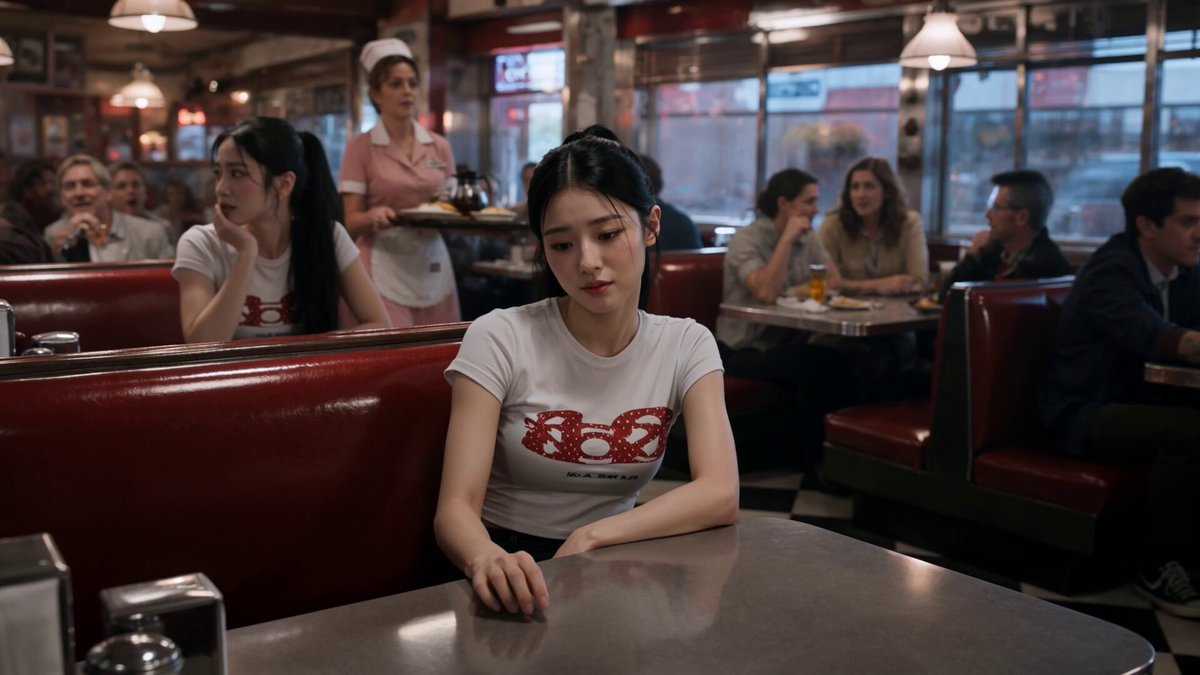
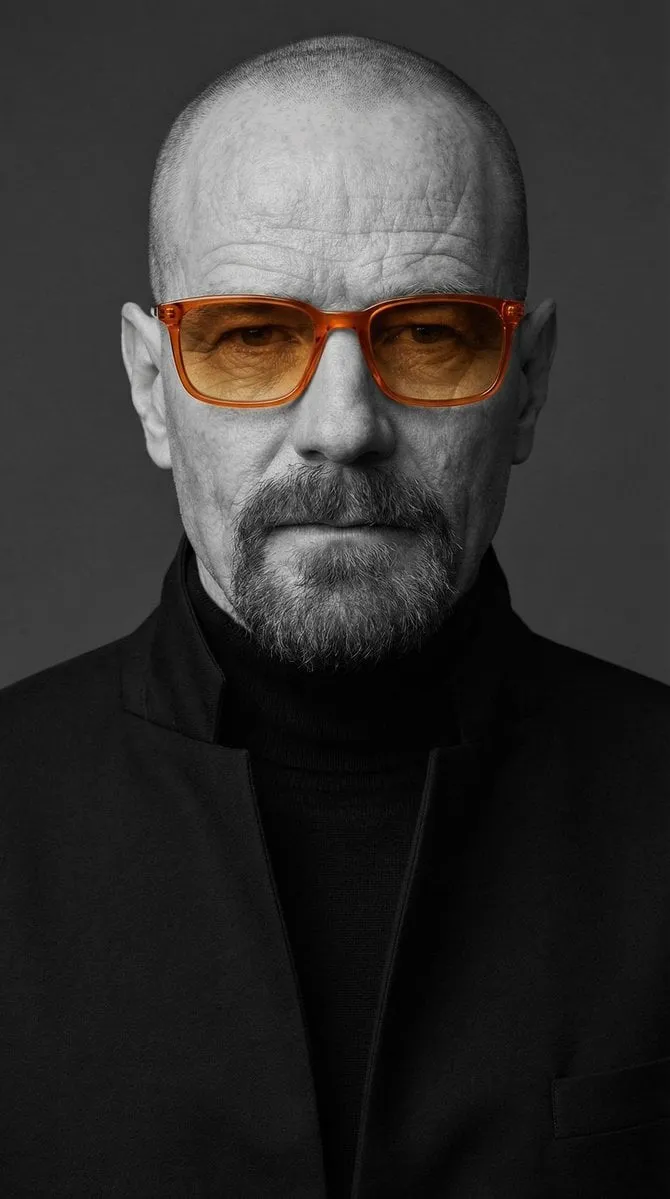
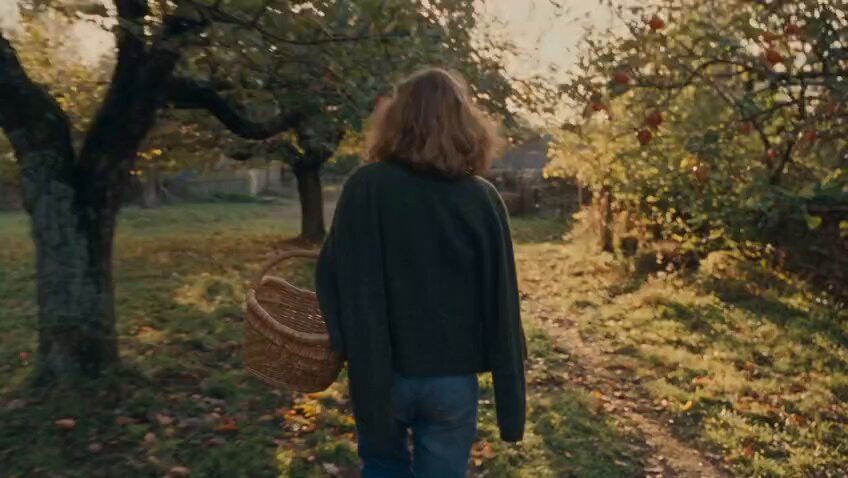
If you create video for a living, you have probably stared at a generated clip and wished the character would look the same in the next shot. That single problem defines where AI video generation stands right now. Models can produce stunning single clips, but turning those clips into coherent, serialized content requires more than a powerful model. It requires decisions about which tool fits your specific workflow, your style, and the way you want to scale production.
This guide is not a verdict on any single product. It is a framework for comparing today's AI video tools, with a special focus on the gap between general-purpose generators that produce a single clip on demand and the more integrated platforms that bring reference images, character control, audio, and task management together. By the end, you should be able to map your own needs to the right kind of tool and avoid the expensive mistake of buying a thousand features you never use.
The Video Landscape Is No Longer About a Single Model
For the past few years, the conversation about AI video was dominated by individual model releases. A new foundation model would appear, generate a few breathtaking clips, and the entire internet would compare demos. That phase is ending. As of last year, the differentiator is no longer whether a model can make moving images. It is whether a workflow can keep those images consistent, animate them the way you intend, and fit into a production pipeline that includes planning, shot lists, voice-over, music, captions, and revision loops.
Think about the difference between taking a photo with a camera and running a studio. A camera is a tool. A studio is a system. The most interesting entrants in the AI video space are the ones that behave less like a single camera and more like a small studio, one where you can lock a character's face, reuse a location across scenes, generate matching audio, and hand the whole thing to a queue that processes dozens of shots without you waiting at the keyboard.
The trade-offs matter. A focused platform can give you consistency and convenience, but it may constrain the raw model power underneath. A bleeding-edge model may impress you in a blind test on a sixty-second promo, but it may not let you set a reference keyframe, keep a product's label identical from one angle to another, or generate a matching voice track.
What General-Purpose Generators Actually Do Well
When people compare today's flagship text-to-video and image-to-video models, the honest takeaway is that they are remarkable at novelty and visual quality. Given the right prompt, they can render cinematic lighting, complex camera moves, and rich textures that would take a skilled editor considerable time to build.
General-purpose models also win on accessibility. You type a prompt, wait a few minutes, and you have a clip. There is no steep learning curve, no shot list, no reference sheet. That makes them ideal for quick, experimental work, mood boards, client previews, and social media drafts where speed matters more than repeatability.
The limits surface quickly when you move from one-shot demos to real projects. Three pain points come up again and again:
- Inconsistency between shots. A character who looks forty in one clip can look twenty-five in the next. A logo can change color. This ruins serialized content such as a multi-scene ad or a web series.
- Limited control surfaces. Many tools let you influence an image but not precisely control composition, camera language, or continuity across many frames.
- No integrated pipeline. You produce a clip, then you must export it, find a separate tool for voice-over, another for music, and another for captions. Each handoff is a chance for quality to degrade.
For a solo creator who posts one-off reels, these limits are acceptable. For a producer managing a brand campaign or a series, they become blockers.
Why Consistency Became the Defining Feature
The single most requested capability in professional AI video is character consistency. It sounds simple: make the same face appear across multiple shots. In practice it is one of the hardest problems in generative video, because the model must separate the identity of a person from their pose, expression, lighting, and environment, then re-render that identity in a completely new scene.
There are a few common techniques to achieve this. The simplest is prompt discipline: describe the same features, clothing, and setting every time. That works only so far. A stronger approach is reference-image conditioning, where you supply one or more images of the intended character and the model locks onto that visual identity. The most advanced platforms combine multiple reference frames, effectively building a visual fingerprint of the character, then feed that fingerprint into whatever underlying model you choose.
This is where the "style of output" argument confuses people. A model is only one ingredient. The value of a platform is the glue: the reference system, the ability to switch between various source engines while keeping the character stable, and the orchestration that turns a single idea into a sequence of shots.
Comparing by Use Case Rather Than by Model Name
A useful comparison should not start with "which model is best?" It should start with "what am I actually producing?" Different outputs demand different trade-offs. Let us walk through the main scenarios.
Brand Ads and Product Marketing
If you are creating ads for a brand, visual consistency is non-negotiable. The product label, the spokesperson, the color grading, and the tone must match across every cut. For this use case, a platform that lets you upload product reference frames and lock a visual identity across shots is more valuable than the most realistic raw model, because a brand campaign that changes its hero product from shot to shot is unusable regardless of how beautiful each individual frame is.
Short-Form Social Content
For TikTok, Instagram Reels, and Shorts, speed and variety win. You churn out many clips, test hooks, and iterate based on engagement. Here a general-purpose model with fast turnaround and an easy prompt interface is often the better choice. Consistency matters less because each post is self-contained. What matters is the ability to test a dozen hooks in an afternoon.
Scripted Series and Web Content
When you are telling a longer story across episodes, the tools must support planning. You need to define characters and locations up front, then reuse them. This is where reference-based platforms shine, and where a plain prompt-to-clip model becomes impractical because the cast changes appearance between episodes.
Educational and Faceless Content
Educational channels, fact videos, and explainers typically need a consistent voice, clear visuals that match a script, and efficient batching. The audio side is often as important as the visuals. A workflow that pairs video generation with voice-over synthesis and background music in the same environment reduces the total number of tools you juggle and keeps pacing unified.
Control Depth: Keyframes, Prompts, and Camera Language
The degree of control a tool gives you is a major axis of comparison. At the shallow end, you have prompt-only generation, where the model decides the details. Deeper control includes:
- Reference images that pin down subject identity.
- Keyframes that define the start and end of a motion.
- Camera direction built into prompts, such as low-angle shots, tracking shots, and rack focus.
- Negative prompts that exclude unwanted elements such as deformed hands or flickering lights.
- Seed control that reproduces similar results for consistency across generations.
Professional creators gravitate toward tools that expose these controls, because they let the creator direct rather than merely request. A storyboard-driven workflow, where you first plan the shots, then hand each one to a model with the references pre-applied, produces a dramatically more coherent result than freeform prompting.
The Workflow Argument: Beyond Generation
There is a reason the most capable platforms describe themselves as more than generators. After you generate a clip, the work is only partially done. You may need captions, a voice track, background music, color grading, and final assembly. Workflow support shows up as:
- A task queue for processing batches without manual babysitting.
- Built-in audio tools for voice-over and music that match the generated visuals.
- Versioning and revision tools so you can tweak without losing prior outputs.
- Integration with existing editing software and APIs for automation.
If your production runs at volume, the queue and automation features often matter more than marginal improvements in raw model fidelity. A tool that processes forty prompts in a queue while you work elsewhere is worth more than one that produces slightly cleaner frames but requires you to wait and click through each result.
Practical Criteria for Choosing Your Tool
To make a comparison concrete, score tools against the following criteria for your own project:
- Fidelity: How realistic or stylized is the output for your subject matter?
- Consistency: Can it keep the same character, product, or environment across many shots?
- Control: How precisely can you direct composition, camera, and style?
- Speed and volume: How quickly can it produce a batch, and does it scale?
- Audio integration: Can it generate matching voice-over and music in one place?
- Workflow fit: Does it integrate with your editing and automation stack?
- Cost structure: Is the usual cost predictable and scalable at your production volume?
Weigh these according to your primary use case. A photographer making a cinematic short may rank fidelity and control highest. A social media manager may rank speed and ease highest. A small studio producing branded series may rank consistency, audio, and queue above everything else.
A Worked Example: Rebuilding a Ten-Shot Brand Sequence
To show how these criteria play out, consider a ten-shot product campaign. The hero is a fictional energy drink. The campaign needs a spokesperson, a consistent bottle label, three locations, and a matching voice track.
With a general-purpose text-to-video model used on its own, you would type a different prompt per shot. The spokesperson's face would drift, the label text would mutate, and the lighting would shift between indoor and outdoor scenes. You would then spend hours in an editor fixing mismatches or regenerating shots until they accidentally align.
With a reference-based platform, the workflow changes. You upload three reference frames: one of the spokesperson, one close-up of the bottle label, and one of the outdoor hero location. You then generate all ten shots against those references, with a task queue running them in parallel. The voice-over is generated from the script in the same environment, and the music is matched to the pacing. The final product keeps the spokesperson's face and the label consistent, and the audio matches the visuals, with far less manual intervention.
Neither approach is wrong. The general-purpose model is faster to learn and cheaper for sporadic one-off work. The reference-based platform is more efficient at scale and dramatically better for serialized, branded content. The right answer depends on whether you are a photographer shooting a single portrait or a studio managing a campaign.
Common Pitfalls and How to Avoid Them
Several mistakes show up repeatedly when teams adopt AI video:
- Choosing by demo, not by workflow. A model that produces a gorgeous showpiece can still be the wrong choice if it cannot maintain consistency across a batch. Evaluate tools on your actual production, not on prerelease clips.
- Ignoring the audio workflow. People fixate on visuals and forget that a video without proper sound fails. A disjointed voice-over or a mismatched soundtrack reads as unpolished faster than imperfect frames.
- Underusing reference images. Many creators with access to reference-conditioning tools never take the time to build a proper reference sheet. That step, done once, solves entire classes of consistency problems.
- Prompting too vaguely. Realism does not come free. Explicit language about camera movement, lighting, and subject behavior separates professional output from generic clips.
- Skipping the shot list. Planning a sequence before generating it, even a rough list on a notepad, transforms the outcome and makes batch processing far more coherent.
The Audio and Post-Production Layer
Professional video is more than moving pictures. Sound carries a large share of the emotion and polish. As models have matured, so have the audio tools around them. Modern workflows can:
- Synthesize a voice-over that reads your script in a chosen tone and language.
- Generate background music that fits the mood and adjusts to the length of the clip.
- Synchronize the music and narration so that hits and cuts land together.
- Provide full audio mixing so that speech sits cleanly above the music track.
When comparing platforms, treat audio as a first-class requirement, not a bonus. A workflow that keeps narration, music, and visuals in one environment tends to produce more cohesive results and reduces the number of export-and-reimport steps that degrade quality.
Building Toward a Sustainable Production Pipeline
The teams that get the most out of AI video treat it as a pipeline rather than a magic button. A strong pipeline has five stages:
- Plan: Write the script, build a shot list, and define reference imagery for cast and locations.
- Prepare: Build reference sheets and set style and model parameters before generating anything.
- Generate: Run the batch through a queue, ideally in parallel, using the references you prepared.
- Enhance: Add voice-over, music, captions, and any grading that needs to be consistent.
- Review and iterate: Check output against the brief, revise prompts or references, and regenerate only what failed.
This structure turns AI video from a novelty into a reproducible production capability. It also makes your process robust, because you can name the exact step that failed and fix only that step.
Frequently Asked Questions
Is it better to use one specialized platform or a general-purpose model?
It depends on your output. Use a general-purpose model for fast, one-off, experimental clips. Use a reference-capable platform for branded, serialized, or consistent output at volume.
How do I keep characters looking the same across many shots?
Build a reference sheet with several clear images of the character, then use reference-image conditioning rather than relying on prompts alone. Some platforms go further by fusing multiple reference frames into a stronger identity signal.
Do I still need a video editor if I use AI generation?
Usually, yes. Most workflows benefit from assembly, grading, transitions, and final polish in an editor. The AI handles generation; the editor handles narrative pacing.
What matters more, model fidelity or workflow?
For one-off projects, fidelity matters. For recurring production, workflow, consistency, and audio integration matter more, because they determine whether you can produce reliable output over time.
How much setup do reference-based tools require?
More than a one-click prompt, but the setup is a one-time cost. Building a good reference sheet takes minutes and pays off across every subsequent shot that uses it.
Final Thoughts
The choice in AI video today is rarely between good and bad tools. It is between tools optimized for novelty and tools optimized for production. If you produce one-off experimental clips, embrace the raw power of the newest model and focus on prompt craft. If you produce branded content, series, or any output that must stay consistent across many shots, invest in a platform that gives you reference control, audio integration, and a batch workflow, even if its individual frames are not always the most mind-blowing you have ever seen.
Start small. Generate a short test sequence against a real brief, score the result with the criteria above, and let the outcome decide. The right tool for you is the one that gets a real project across the finish line reliably, not the one with the prettiest demo reel.
