
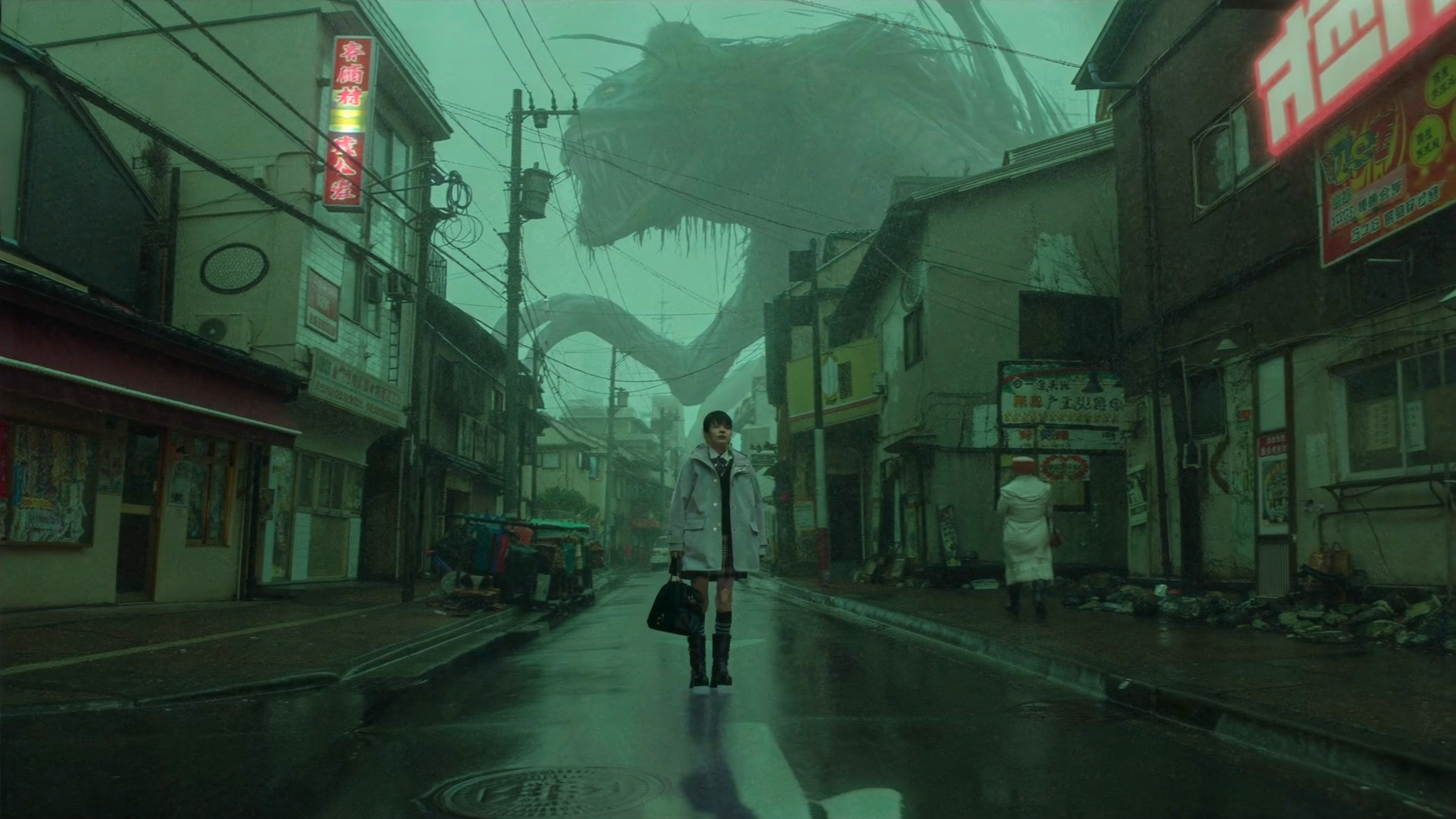
The picture finally looks right. The characters are consistent, the lighting is believable, and the motion is smooth. But silent, the whole thing can fall flat. Sound is what makes video feel real. Voice narration, music, and ambient detail turn polished visuals into something a viewer feels. Yet audio is often the last thing a creator thinks about, and the result is the telltale mark of a beginner. This guide walks through the modern toolkit for adding voices, music, and sound design to your projects, and how to make audio a strength rather than an afterthought.
Why audio decides whether a video works
There is a well-known production rule that sound contributes as much as image to why people keep watching. A video with mediocre visuals and great audio often outperforms one with stunning visuals and hollow audio. Audio establishes mood, carries narration, sells the physical reality of a scene, and keeps the pacing alive even during slow visuals.
For independent creators, this is good news. The audio toolkit has become fast, affordable, and impressively capable. You can now generate a natural-sounding voice for a narration, compose a matching soundtrack, and layer in the small sonic details that make footage feel real, all without a recording booth or a composer on the payroll.
How modern AI voice synthesis works
Text-to-speech has crossed a threshold where synthetic voices are frequently indistinguishable from recorded ones for practical purposes. The technology matters less than what it enables, but a little understanding helps you pick the right tool and use it well.
From robotic drones to lifelike speech
Older synthesis sounded flat because it glued together short units of recorded speech. Modern models learn directly from hours of human audio, capturing emotional tone, rhythm, breath, and natural hesitation. The result is speech that sounds like a person talking, not a machine reading.
Voice cloning and styling
Beyond giving you a stock voice, many tools can mimic a specific source voice or a desired style, from warm and conversational to energetic announcer to calm documentary narrator. You are no longer limited to a fixed roster of robotic voices, and most tools let you fine-tune pacing, emphasis, and even regional accents.
Multilingual narration
A single project often needs voices in several languages. Modern synthesis covers many languages convincingly, which matters for global audiences and for localizing a marketing piece without re-engineering the whole edit. Check the exact language support of your tool, because coverage varies.
Responsible use matters
Because cloned voices are convincing, ethics are front and center. Only clone voices you have the right to use, always disclose synthetic voices to audiences where honesty matters, and be aware of the laws around likeness and impersonation in your region. The capability is powerful, and power carries responsibility.
Generating music that fits your scene
A soundtrack is not decoration; it is architecture for emotion. The newest generation of music tools lets you describe a mood and get a copyright-safe track that fits the duration and energy of your scene.
Start from the emotion, not the genre
When you prompt for music, describe the feeling and pacing first: "tense and building," "warm and nostalgic," "light and playful with a steady beat." Genre labels help, but emotion and energy are what actually match footage.
Match duration and build
The best tool gives you a track that fits your scene's timing, including natural intro and outro, so it does not cut off awkwardly mid-measure. If your tool does not match duration automatically, edit the music in your timeline and use fades to smooth the seams.
Iterate like you do with visuals
Your first generated track is rarely perfect. Regenerate with small tweaks, adjust mood words, or ask for starker contrast. Treating music as something to iterate on, not accept on the first pass, is exactly like refining footage.
Building a sound design layer
Sound design is the invisible craft that makes visuals feel physical. It is the layer that separates "good-looking clip" from "scene you believe."
Ambience sets the space
Start with the environment. A forest needs wind and leaves, a city needs distant traffic and hum, a quiet interior needs subtle room tone. Even gentle ambience grounds the footage and keeps silence from feeling sterile.
Foley sells the action
Sounds such as footsteps, cloth movement, a door closing, or a phone notification tell the viewer what the body is doing even when the eye barely registers it. Layer in lightweight foley to sell motion, especially in close-up shots where action details matter most.
Bring the bed music in later
Music should reinforce the scene, not dominate it. Bring the soundtrack's volume up during emotional peaks and pull it down during dialogue or important sound effects. Dynamic mixing, letting the mix breathe, is what separates amateur from professional sound.
Building a repeatable audio workflow
Perfection comes from a routine you run every project, not from luck. A simple, repeatable audio workflow keeps sound from becoming the last-minute scramble.
Plan audio at the start
Decide during planning whether a scene needs narration, where the musical arcs sit, and whether there is a key sound effect moment. Planning audio upfront means you write room for it in the edit instead of bolting it on afterward.
Mix in passes
Audio, like the visuals, benefits from passes. First pass gets a rough bed and narration in place. Second pass balances the levels and adds foley and ambience. Third pass does the final polish: fades, ducking, and loudness normalization.
Keep a sound palette library
Save your favorite ambiences, effects, and even music cues in a personal library. Reusing well-chosen sounds with slight variation keeps your projects consistent and cuts your mix time significantly from one project to the next.
Common audio mistakes and how to avoid them
The typical audio problems are not technical mysteries; they are almost always a few patterns you can learn to dodge.
Levels that fight each other
Narration and music competing at the same volume makes everything harder to hear. Decide the hierarchy per scene, usually dialogue leads and music supports, and use ducking so the bed lowers automatically under the voice.
Music that never breathes
A wall-to-wall track with no dynamics gets monotonous. Introduce pauses, let a quiet section land, and vary the energy so the soundtrack underscores rather than overshadows the story.
The silent clip that feels wrong
Total silence reads as emptiness, not intimacy. Even a small amount of room tone or ambience under a "quiet" moment keeps it alive. Silence as a tool is fine, but it needs to be a choice, not an accident.
Ignoring loudness standards
Platforms apply their own normalization. If your mix is far louder or quieter than standard, it will sound off everywhere. Aim for a consistent, sensible loudness and trust the platform to handle the rest.
Frequently asked questions
Can I use AI-generated voices commercially?
Usually yes, but check the specific tool's terms. Some free tiers allow commercial use, some restrict it, and most paid plans grant broad rights. Read the license before releasing client work.
Do I need a microphone or studio?
No, that is the whole point. Studio-quality voices, accents, and performances can come from text input. You may still want a good mic if you record your own voice, but it is no longer required to produce professional narration.
Will an AI voice sound indistinguishable from a real person?
For many voices and languages, yes, to the point that listeners rarely notice. Subtle artifacts can still appear in long, emotional, or highly inflected speech, so choose voices and pacing that fit the material.
Is generating music safe to use without copyright worries?
Tools advertised as copyright-safe generate original music you can license for use. Content that mimics a specific existing song can blur into infringement, so prompt for original moods rather than exact imitations.
Make audio a creative advantage
Integrating audio with video for a finished feel
Voice and music only reach their full potential when they work with the picture. The seamless link between sound and image is what makes a project feel complete rather than like two separately produced layers.
Sync voice to the edit rhythm
Time narration to land on key visual moments, letting the voice point at what the viewer should be looking at. When the voice and the image advance each other, comprehension and engagement both jump.
Let the music react to the cuts
A soundtrack that breathes with your edit, building into a visual peak, pulling back after it, feels authored rather than thrown on top. Match musical changes to the emotional beats of the footage instead of letting a flat bed run underneath.
Reuse a proven audio chain
Save the exact set of fades, equalizers, and loudness settings that worked on previous projects. A consistent mastering chain gives every episode of a series the same professional finish, so the audience starts trusting the overall quality before the first line plays.
Working with your own recorded voice
Not every project needs a synthetic voice. Blending your own recordings with the AI toolkit often gives the most natural and personal result, and it is easier than it sounds.
Clean up and enhance
Even a modest microphone captures usable audio. AI tools for noise reduction, equalization, and gentle compression turn a home recording into something that sounds professional. You bring the performance and familiarity that no synthetic voice can fully match.
Use synthetic voices for variety
Keep synthetic voices for narration that needs many takes, multiple characters, or quick localization. Pairing your own voice for the main story with synthetic voices for supporting roles gives variety without losing authenticity.
Decide what fits the project
For a personal brand, your own voice usually builds the strongest connection. For fast, high-volume marketing or content in languages you do not speak, synthetic voices become the practical choice. Match the approach to the audience and the message.
Planning sound before you shoot or generate
Audio is best planned early, before you lock the visuals, because it changes what the footage needs to contain.
Note the sound moments in the storyboard
Identify which beats need a sound effect, where the music builds, and where dialogue or narration sits. Writing these notes during planning means you leave room for them and avoid forcing sound in as an afterthought.
Leave space in the edit
A mix needs room to breathe. If every moment is dense with sound and music, nothing stands out. Planning quieter beats gives your sound design contrast and makes the key moments more impactful.
Confirm licenses upfront
Before you build a project around a particular voice clone or music track, confirm you have the rights. Checking early avoids the painful situation of discovering a licensing problem after the video is already performing.
A final plan you can start today
Pick one small project and apply everything at once: mix a relevant ambience, generate a fitting track, add a single well-chosen voice, and bring it all in at a sane loudness. Do the mix in passes, leaving room for the story to breathe. Then listen back a day later with fresh ears and make the handful of level and timing changes that always surface on a second listen. That one completed project will show you more than any of the theory, and it becomes the template you repeat on the next.
Most creators pour everything into the picture and neglect sound, which means audio is a wide-open opportunity to stand out. By pairing lifelike AI voices with fitting, generated music and a purposeful layer of sound design, then mixing it all deliberately, you make your projects feel complete and professional. The technical barriers are low now, so the difference comes down to taste and discipline. Treat sound as part of telling the story, not as something to fill in at the end, and your videos will hold attention far longer than the footage alone could.
