

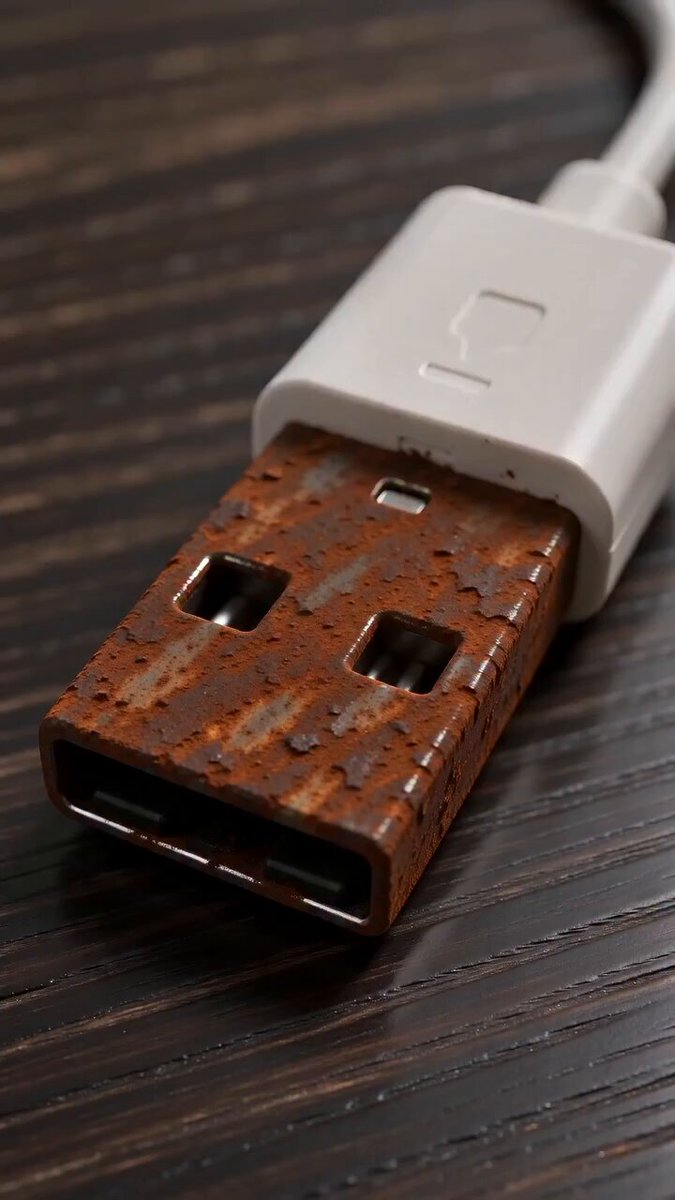


ASMR — Autonomous Sensory Meridian Response — is one of the most fascinating niches in short-form content. It describes that pleasant, tingling sensation some people feel in response to specific sounds or visuals: a gentle whisper, the tap of fingernails on a wooden table, the soft rustle of fabric, the crinkle of paper. While skeptics once dismissed it as a curiosity, the community around ASMR has grown into a substantial, commercially attractive slice of the video market, with dedicated creators, loyal audiences, and real revenue.
The challenge with ASMR is that it demands precision. A visual that looks clean but whose sound feels flat or synthetic will fail to trigger the response audiences crave. The good news is that generative AI has changed the rules of production. Today you can design hyperrealistic sound, generate visually rich and stylistically consistent scenes, and assemble a repeatable pipeline that would have required an entire studio just a few years ago.
This guide walks through the full craft of making ASMR videos: what happens in the viewer's brain, the sound triggers that reliably work, how to generate believable synthetic audio, how to keep your visuals and audio in sync, and how to build a workflow that lets you produce consistently at scale.
What Makes an ASMR Video Work
At its core, ASMR is an auditory experience first and a visual one second. The secret to success lies in controlling the acoustic environment with near-surgical precision. That means deciding not only which sounds are present, but which sounds are deliberately left out. Background hums, compressor artifacts, and inconsistent reverb all undermine the intimate, close-to-the-ear feeling ASMR viewers look for.
Three ingredients matter more than anything else:
- Trigger density. Great ASMR alternates silence and sound so the brain notices each detail. A constant drone produces numbness, not tingles.
- Consistent perspective. The listener is usually placed "close to the action," as if their ear is inches from the source. Audio that drifts between near and far breaks the illusion.
- Realistic material physics. A sound reads as real when it behaves according to the material producing it. Glass rings differently than wood, paper depending on thickness, cloth on its weave.
Understanding these basics tells you what to ask for when you generate audio — and what to check for when you review a render.
The Sound Triggers That Reliably Perform
Not all triggers are created equal. Certain categories consistently resonate across large audiences, which makes them a safe starting point and a useful backbone for a channel:
- Whispers and voice: low, close, breathy speech with pauses. Voice is powerful because it feels like direct communication.
- Tactile sounds: tapping, scratching, rubbing on different surfaces — hairbrushes, combs, fabrics, kitchen items.
- Crinkle and rustle: paper, plastic wrappers, leaves, clothing. These carry a satisfying high-frequency detail.
- Water and liquids: slow pouring, droplets, gentle bubbling. Calming and low-risk.
- Deliberate movements: pages turning, boxes opening, objects being handled and set down with care.
For a beginner, the most robust strategy is to film or generate a series of common objects (a brush, a notebook, a glass jar, a piece of fabric) and pair each visual with the three or four most reliable triggers. That gives a channel dozens of quick, self-contained clips that all reinforce the same intimate style.
Designing Acoustics: From Real to Synthetic
There are two broad paths to sound: recording from reality and synthesizing with AI. Each has its place, and the best productions blend both.
Recording real audio still gives you genuine material physics, which is hard to fake. But real recordings carry noise, room tone, and imperfections that require cleanup. Synthesized audio, on the other hand, gives you total control: you can ask for a precise texture, adjust its characteristics, and generate as many variations as you need without a physical setup.
When you synthesize sound, aim for what creators call "hyperrealistic" output — audio that is cleaner than real life but still grounded in physical behavior. The best results come from specifying the material, the action, the speed, and the microphone perspective in your request. Instead of "tapping sound," ask for "slow fingernail tapping on a hollow wooden tabletop, recorded close to the surface with a soft, intimate tone." The extra specificity is what turns generic noise into a trigger.
Keeping Visuals Consistent
Visuals do more than decorate audio; they anchor it. A viewer who sees a hand brushing through soft fabric while hearing a soft swoosh processes those together as a single convincing scene. If the visual contradicts the sound — say, a person clearly not mouthing the words you hear — the illusion collapses.
Consistency across a single clip
Within one clip, keep the subject, lighting, camera position, and environment stable. ASMR audiences are extremely sensitive to jumps. A scene that suddenly shifts perspective or color mid-clip reads as an error rather than an artistic choice.
Consistency across a library of clips
For a channel, visual identity matters as much as any single video. Establish a recognizable look — soft lighting, shallow depth of field, warm tones, a consistent set of surfaces and props — and reuse it. Viewers come to associate that visual language with the calm feeling they want, which increases watch time and return visits.
Consistency of characters and objects
When a creator (or persona) appears across many videos, their appearance should stay recognizable. Using image references to lock a face, hairstyle, and clothing style between renders prevents the "same character looks different every video" problem that quietly erodes trust.
Matching Audio to Visuals in Multimodal Workflows
The tightest experience comes from generating audio and video together rather than bolting one onto the other afterward. Multimodal tools let you describe a scene — a candle, a hand, a specific motion — and receive a clip where the movement and the sound are born in sync. That alignment is genuinely hard to achieve by editing two separate outputs, because every frame of motion needs a matching ultrasound of sound.
When you do edit separately, pay close attention to:
- Timing: sound events should land on the visual actions they accompany, at the frame level where possible.
- Texture: the sound should match the object you can see. Don't pair a glass-like ring with a fabric-looking object.
- Dynamics: quieter moments should breathe. Letting the audio drop at points gives the next trigger more impact.
Directing the Scene: Automated Composition
One of the biggest leaps in modern ASMR production is the ability to automate narrative and composition decisions. Rather than scripting every frame by hand, a production-oriented AI can take a loose treatment — "a slow, meditative unboxing of a handmade soap" — and break it into a sequence of shots, each with its own composition and trigger. This frees the creator to focus on the taste calls: which tone, which pacing, which triggers feel right for the audience.
The practical benefit is speed. An automated director can draft a full storyboard in minutes, and the creator only needs to approve, refine, and polish the human-facing choices. For channels that need to publish frequently to stay relevant, that difference between a one-video-a-week workflow and a multiple-video-a-week workflow is the difference between growing and stalling.
Building a Scalable Production Pipeline
Consistency at scale comes from systems, not willpower. Set up a production pipeline that routes every project through the same disciplined stages:
1. Concept and treatment
Decide the video's mood, the set of triggers, the objects or persona, and the intended single emotion you want the viewer to feel. Write it down in a sentence — this sentence is your north star.
2. Storyboard and shot list
Break the treatment into shots. For each shot, specify the visual, the action, and the sound you need. Keep audio and visual descriptions next to each other so nothing drifts out of sync.
3. Generation and variation
Generate multiple takes of each shot using fast models. Review ruthlessly for the three ingredients from the start of this guide: trigger density, consistent perspective, and material realism. Keep the strongest takes and discard the rest.
4. Assembly and polish
Edit the clips into a sequence with deliberate pacing, add transitions that don't break the intimate mood, and finalize audio balance. This is where good videos become great: a few frames of silence, a slower fade, a gentler change of scene.
5. Publish and learn
Release, watch retention data, and read comments. ASMR audiences are unusually articulate about what works — they will tell you which triggers landed and which felt synthetic. Feed that feedback back into the next concept.
Managing Compute and Task Queues
At scale, the production queue matters as much as any individual render. Video generation is compute-hungry, so plan how you use resources rather than firing off renders ad hoc:
- Use lightweight models for exploration and drafts, and reserve premium models for final assets.
- Batch similar jobs to keep the rendering pipeline busy and avoid idle time.
- Keep an organized asset library so a great take from months ago is easy to find and reuse.
- Track versions carefully; with many generated takes, it is easy to lose the "winning" render in a pile of alternates.
Troubleshooting Common Problems
Even with a clean pipeline, things go wrong. Recognizing the pattern behind a failure is often more valuable than fixing the immediate symptom.
- Visual and audio feel disconnected. Almost always the prompt for the scene was too vague, so the video generated something generic while the audio described something specific. Rewrite the visual and audio with the same shared detail: the same object, the same material, the same motion.
- Audio sounds static or flat. This usually means there is no dynamic range. Real ASMR breathes: quiet passages, faint textures, then a more present sound. Ask for changes in volume and distance rather than a constant tone.
- The scene looks unreal, but you wanted hyperreal. Check whether you specified material physics. A hand brushing fabric, a page being turned, a candle being tapped — each needs a material description that tells the generator how it should feel in the frame.
- Characters look different from one video to the next. This is nearly always a failure of reference discipline. Lock a canonical image of the character and reuse the exact same appearance description in every prompt.
- Retention drops mid-video. Look at where the audience leaves and examine that section for a jump in perspective, a change in audio perspective, or a trigger that feels forced. The lesson is usually pacing, not technique.
Troubleshooting is a craft you get better at with each video. Keep a simple log of what went wrong, what fixed it, and apply that knowledge to the next production.
Frequently Asked Questions
Do I need original audio for ASMR?
No. Modern AI sound generation can produce hyperrealistic, royalty-free triggers from a good text description. Blending synthesized sound with occasional real recordings gives you both control and authenticity.
What if my synthesized audio sounds artificial?
Most often the problem is a lack of specificity, not the tool. Specify the material, the action, the surface, the speed, and the mic distance. Also check for clean dynamics — artificial audio often has too much static loudness, when real ASMR breathes.
Which platform should I target?
Start wherever your audience already is and grow from there. Short-form vertical platforms are natural homes for ASMR, but long-form compilations on broader platforms also perform well because they function as relaxing playlists.
How long should an ASMR video be?
There is no universal answer. Short clips suit discovery and feeds; longer pieces serve as sleep or focus aids that generate long watch times. A healthy channel mixes both: short grabs for reach, long for retention.
The Road Ahead
ASMR is a discipline that rewards patience and craft. The good news is that the barrier to entry has never been lower. You no longer need a recording studio, specialized microphones, or a big team to make audio that feels genuine and visuals that feel cinematic. With a clear concept, a disciplined pipeline, and a willingness to refine based on your audience, you can build videos that consistently deliver the calm, intimate experience millions of viewers deliberately seek out.
Start with one concept. Pick three or four reliable triggers. Lock a recognizable visual style. Generate a few takes, polish the strongest, publish, and listen. Then do it again, a little better each time. The audience for slow, careful, deeply human content is not going anywhere — and it is waiting for exactly the video you are about to make.
