
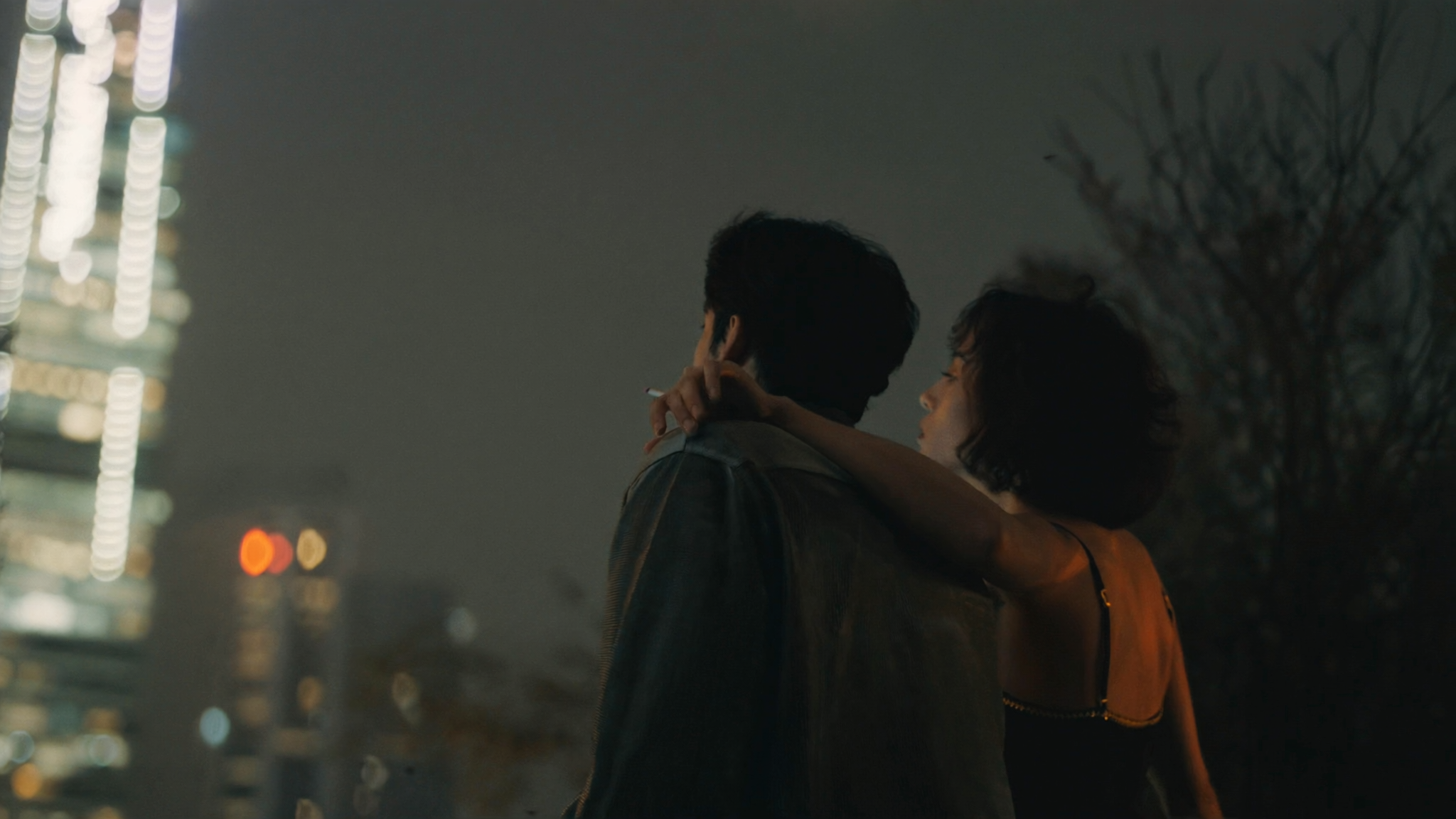

Ask anyone who works with AI video what the hardest problem is and you will rarely hear about image quality or speed. The answer is almost always consistency. A single stunning clip is easy to generate; a character who looks, moves, and feels like the same person across twenty clips is a different story entirely. Early text-to-video models were brilliant at conjuring novel scenes from a sentence, but ask that same model to keep one face stable and it would drift, warp, or simply morph into someone new by the third shot.
This guide goes beyond text-to-video into the technique that solves that problem: multi-image fusion. You will learn why consistency breaks down, how reference-driven generation keeps identity locked, and how to build a practical workflow that turns scattered clips into a believable, serialized story.
Why Text-to-Video Alone Is Not Enough
Text-to-video is a remarkable achievement. Give a model a descriptive sentence and it will produce moving pixels that match that idea, often with convincing lighting, physics, and mood. But text has a severe limitation: it is not precise about persistent identity. Words cannot fully encode the exact shape of a chin, the color of a specific coat, or the particular way a character stands.
When a model generates purely from text, every new generation is a fresh interpretation. The character is re-imagined each time, which is exactly why he looks like a different person in every shot. For a single demo clip, that is fine. For a narrative, a brand mascot, or a serialized series, it is fatal. Audiences notice instantly when a protagonist changes appearance between scenes, and that single break in continuity is enough to shatter immersion.
The answer is not better prompts, though those help. The answer is to hand the model something more concrete than text: a reference that pins identity down.
Understanding Multi-Image Fusion
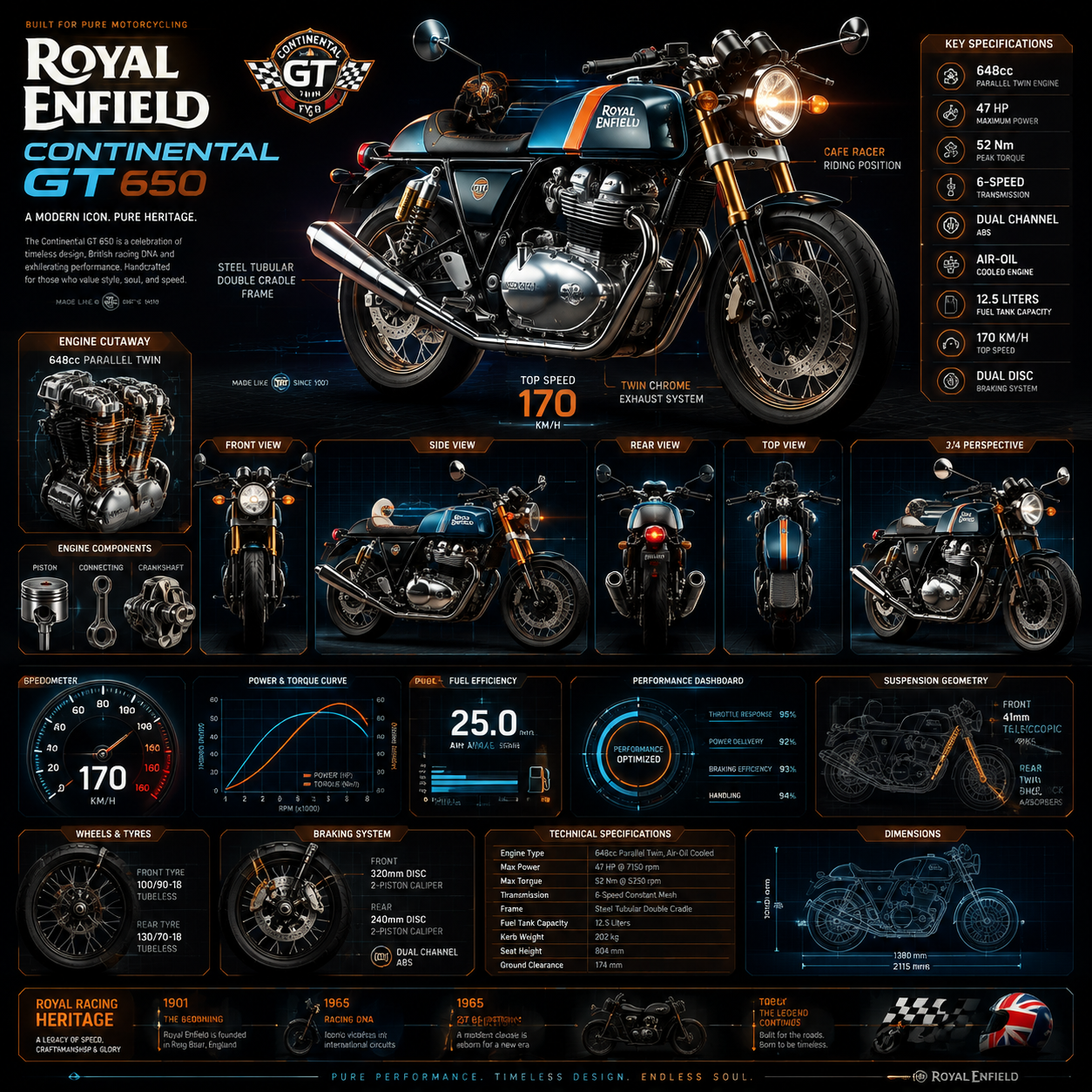
Multi-image fusion is a family of techniques where the model receives not just a text description but one or more reference images that constrain the output. Instead of inventing a character from scratch, the model begins with visual anchors and generates scenes consistent with them.
The Core Idea: Reference as Lock
Think of a reference image as a lock that holds certain features in place. A single portrait of a character defines bone structure, hair, eye color, and wardrobe. When that image is fused into the generation process, the model keeps those features stable while the text prompt supplies everything else: scene, action, camera movement, emotion.
The result is a dramatic improvement in continuity. The character still performs whatever the prompt describes, but he no longer re-casts himself. This is the difference between repeatedly re-drawing a face from memory and tracing it from a fixed model sheet.
Where Fusion Differs from Simple Image Prompting
It is worth being precise here. Basic image-to-image prompting, where you attach a picture and say “make a video like this”, is not the same as true fusion. In simple prompting, the reference image is a suggestion of style or a loose seed. The model may borrow the mood and colors but is free to reinterpret the subject. That is why results can feel “close but not the same”.
True multi-image fusion is stricter. It actively encodes the identity from the reference and holds it as a constraint across sampling. The subject is not merely inspiring the output; it is anchored to it. This is what makes fusion valuable for characters, products, and any element that must remain recognizable.
How References Are Encoded
Under the hood, modern systems convert a reference image into an embedding, a compact numerical representation of its visual identity. That embedding is injected alongside the text prompt into the generation model. The model is then effectively conditioned by both channels at once: what to depict (from text) and who to depict (from the reference). Because the identity is encoded rather than paraphrased, it survives longer sequences and more dramatic scene changes.
Choosing the Right References
The quality of your references determines the quality of your consistency. A bad reference locks in a bad result; a good one makes everything downstream easier.
Use Consistent Source Material
Build one canonical reference for each character you need to be stable. It should be a clear, front-facing image with controlled lighting, because inconsistent lighting between references makes the model waver. Keep the same wardrobe and basic styling in the anchor so the model has a tight definition to hold onto.
Provide Multiple Angles for Complex Characters
For characters seen from many directions or in motion-heavy scenes, a single portrait may not be enough. Providing a small set, front, profile, and maybe a dramatically lit version, gives the model more to anchor identity to and reduces drift in unusual poses.
Keep Style References Separate
A common mistake is conflating character identity with artistic style. These are different constraints and benefit from being provided separately. Character references hold who someone is; style references hold how the whole image world looks, its palette, grain, lighting language. Separating them keeps each from corrupting the other and gives you cleaner control.
Going Beyond Single Characters
Fusion is not limited to one face at a time. With careful setup it extends to locations, objects, and entire recurring environments.
Environments That Stay Put
Just as a character can be anchored, so can a place. Fusing a reference of a specific room, vehicle, or landmark keeps it consistent when the camera moves or the clip changes. This is invaluable for any piece that revisits the same setting repeatedly.
Products and Brand Assets
For anyone producing commercial content, the ability to lock a product's exact design across multiple marketing clips is a genuine advantage. A logo, a bottle, a car model can all be held stable, which is precisely what a brand needs when rolling out a campaign with many touchpoints.
Object-Specific Anchors
You can even fuse references for recurring objects that appear inside scenes. A distinctive prop, mascot, or piece of equipment can remain recognizable even when the surrounding scene changes completely.
Keeping Characters Stable Through Action and Drama
Freezing a character in a calm pose is one thing. Keeping him recognizable while he runs, fights, laughs, or cries is much harder, and it is also where good workflow thinking pays off.
Emotional Continuity
Emotion changes expression, and expression is part of how we recognize someone. When a character is sad, angry, or ecstatic, the reference still defines the underlying face, so the emotion reads as a variation of the same person rather than a new one. Test your references across a range of emotions early, and adjust the anchor if the model keeps drifting toward a generic “neutral-uncanny” face.
Movement and Strong Angles
Fast motion and extreme camera angles stress identity the most. Wide shots where the face is small, or dramatic low angles, give the model less detail to anchor to. Providing a reference that includes motion or unusual angles helps the model generalize rather than reproduce only the frontal view.
Scene-to-Scene Consistency
The real test is serialized output: does character A in scene five match character A in scene one? By holding the same reference across all generations, you give every shot a shared root. Over a full story, that root is what keeps the audience believing they are following one protagonist, not a revolving cast.
A Practical Step-by-Step Workflow
Here is a workflow that brings all of this together into something you can run today, whether you are storyboarding a short narrative or building reusable brand assets.
Step 1: Define Your Cast
List every element that must remain consistent: characters, environments, key props. The fewer you try to lock at once, the more reliably each one holds. Start with one strong anchor per element.
Step 2: Create Clean References
Generate or source a clean, front-facing reference for each. Match lighting, keep expressions neutral, and establish the wardrobe or look you intend to reuse. Curate these into a folder per project.
Step 3: Test Before You Commit
Run a small battery of tests across diverse prompts: different scenes, emotions, and camera angles. Watch for drift. If identity holds in demanding situations, it will hold in easy ones. Fix the reference before scaling up, not after.
Step 4: Fuse and Generate
In your generation tool, supply the reference alongside each text prompt. Keep the prompt focused on scene, action, and mood, and let the reference carry identity. Avoid overloading the prompt with appearance details you have already locked in the image.
Step 5: Review in Sequence
Do not review clips in isolation. Watch them in story order, because continuity is a sequence-level property. A clip that looks great alone but breaks character compared to its neighbors is still a failure of consistency.
Step 6: Post-Production Polish
Even well-fused output benefits from a consistent grade. Applying a single color treatment across clips, standardizing aspect ratio, and adding matching transitions all reinforce the sense of one cohesive world.
Common Pitfalls and How to Avoid Them
Even with good references, things go wrong. Here are the failures that occur most and how to head them off.
Drift in Long Sequences
Identity can degrade subtly the longer a generation runs. Break very long scenes into smaller chunks that each start from the same reference, rather than trying to coax an entire sequence out of one pass.
Over-Reliance on a Single Prompt
If you describe the character's face in the text prompt as well as in the reference, the two may conflict and confuse the model. Let the image own the identity and let the text own the action.
Mixing Styles and Identities
Providing a styled illustration as a character reference while asking for photorealism creates contradictory signals. Keep reference style aligned with your target output style.
Ignoring Edge Cases
Hair blowing in wind, character turning around, close-ups on hands, these break many systems. Build dedicated tests for your scene's hardest moments and expect to iterate on the reference or framing.
When Multi-Image Fusion Is Worth It
Not every project needs this level of control. If you are making one-off, atmospheric clips for social media, text-to-video alone is likely fine and faster. Fusion matters the moment you need any of the following:
- a recurring character across multiple clips;
- a recognizable product or mascot in a campaign;
- a consistent environment revisited across shots;
- serialized or narrative-driven content;
- anything where a break in identity would ruin the result.
If you recognize yourself in any of these, the small overhead of building references pays for itself many times over in rework saved.
The Road Ahead for AI-Video Consistency
The techniques described here are part of a broader direction in generative media: trading pure novelty for control. The trend across the industry is toward models that obey reference constraints more reliably, hold identity across longer sequences, and combine many anchored elements in one world.
For creators, that is excellent news. It means the barrier between “cool demo clip” and “finished story” is steadily lowering. The skills that matter today, curating clean references, testing systematically, and reviewing in sequence, will transfer directly to whatever models arrive next. In fact, building those habits now is the surest way to stay ahead of the wave.
Final Thoughts
Text-to-video opened the door to moving image, but it is multi-image fusion that lets you walk through to actual storytelling. By anchoring identity in references, separating character from style, and reviewing your work as a sequence rather than as a pile of clips, you turn unpredictable generation into a repeatable, controllable creative process.
The protagonist you keep still belongs to you. With the right references and the right workflow, he can now survive a hundred scenes, a dozen emotions, and every camera angle in between, without ever turning into someone else.
