
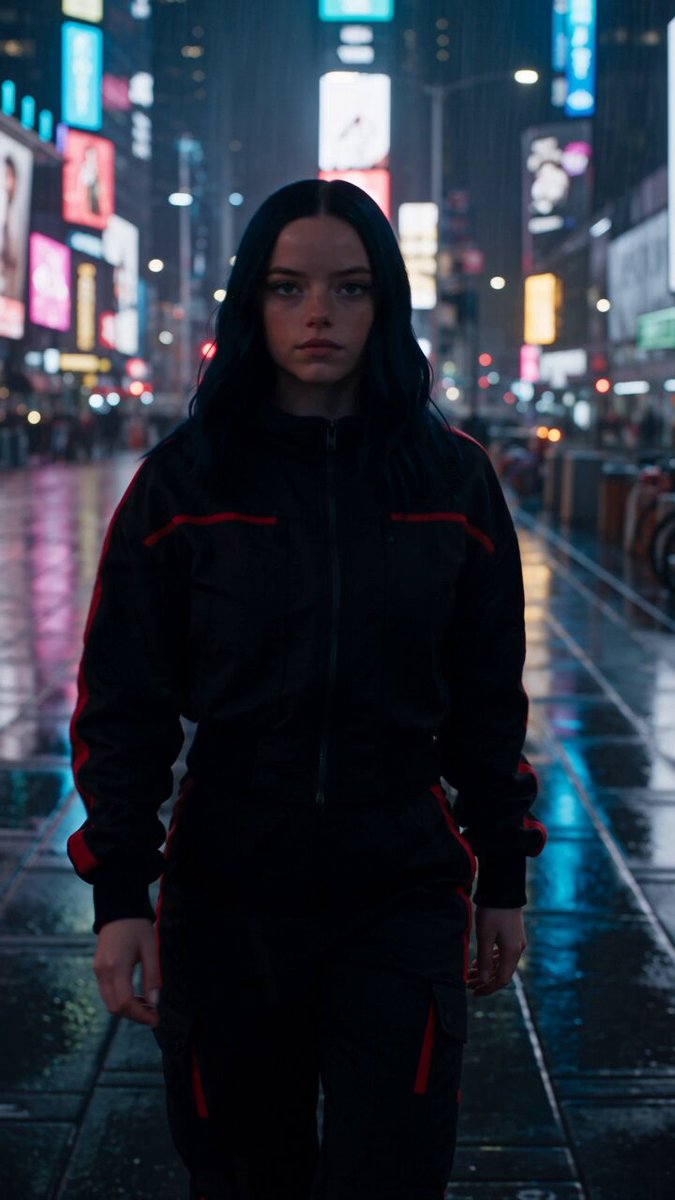
Keeping a character looking the same from one shot to the next is one of the most frustrating problems in AI video, and it only gets worse the longer a project runs. You spend an afternoon generating a perfect portrait, then the next scene gives that same person a different face, different hair, a different jacket. Video editors call this character drift, and it routinely breaks short films, product demos, and branded content before the first cut.
This guide walks through a reliable fix built around multi-image fusion. Instead of asking a model to invent a person from a string of text, you teach it with a small set of reference images, then fuse those references into every shot. The result is a cast of characters who stay recognizable across dozens of scenes, all without retraining a single model.
The Real Cost of Character Drift
Character drift does not announce itself politely. A viewer might not name the problem, but they feel it instantly: the protagonist quietly changes from frame to frame, and so does the scene's believability. For anyone producing storytelling content, this is fatal. Studies from the generative media community consistently show that inconsistent protagonists are the number one reason audiences reject AI-generated narrative before they ever judge the plot.
For marketers, the stakes are financial. A brand ambassador who changes appearance between a teaser and a launch video undermines trust in the product itself. For educators, a recurring instructor who morphs mid-lesson distracts from the material. And for hobbyists making short films, drift simply wastes hours of render time on footage nobody can use.
Why Reference Images Beat Text Prompts
Generative models are brilliant at producing one good image from a sentence, but they are much weaker at repeating the same subject consistently. A text prompt is compressed: it says tall, red-haired, leather jacket, but it leaves a thousand details unspecified. Every render fills those gaps differently, so the character shifts.
A reference image, by contrast, locks the important details. When the model sees the same face, hairline, and wardrobe in a reference set, it treats those as the subject to reproduce rather than as vague suggestions. This is the core idea behind multi-image fusion: combine several views of a character and feed them to the generator as grounding, so every new frame pulls from the same visual identity.
What Multi-Image Fusion Actually Does
Multi-image fusion merges multiple pictures into a single, stable visual identity that a generation model can reuse. Think of it as building a character sheet for the AI. One image captures the face from the front, another shows a profile, a third captures the outfit, and maybe a fourth sets the color grading. The fusion step compresses all of that information into one consistent reference.
Once the character is fused, you apply it scene by scene. The model generates every new shot conditioned on that reference, which keeps the protagonist recognizable. You can change the setting, the lighting, the camera angle, even the emotion, while the core identity stays locked.
We can break the workflow into a clear pipeline:
- Collect reference views of the character from multiple angles.
- Fuse them into a single identity profile.
- Attach that profile to each scene you generate.
- Review the early outputs for drift and refresh the references if anything slips.
Setting Up a Practical Character Profile
Quality in equals quality out. Before you fuse anything, spend time assembling references that are actually useful. A single blurry snapshot gives the model almost nothing to hold onto.
Aim for a small set of clean, high-resolution images:
- One straight-on portrait with consistent lighting.
- One three-quarter or side profile.
- One full-body shot that shows the outfit clearly.
- One detail shot capturing a memorable feature, like a scar, a tattoo, or a distinctive accessory.
Keep the background simple in these references. A busy backdrop competes with the subject and can bleed into the identity profile, so the final scenes inherit background noise they should never have. Solid backdrops or softly blurred environments produce far cleaner results.
Finally, keep the lighting representative of the scenes you intend to make. If your story happens at dusk, reference images shot in harsh midday sun will fight the mood no matter how well they match the face.
Fusing the Images into One Identity
With references ready, the fusion process combines them into a single character profile. The exact controls differ between platforms, but the goal is always the same: collapse the set of images into one coherent identity that the generator treats as stable.
When you run the fusion, watch for three common failure modes:
- The model blends facial features from two unrelated people. This means your references disagreed on the identity. Re-shoot or pick images of the same person with matching proportions.
- The outfit leaks across scenes even when it should change. That is a sign the fused profile has folded wardrobe into identity. Keep clothing references separate from face references.
- The character becomes too generic, losing distinguishing features. Re-emphasize the detail shot so the model holds onto the memorable elements.
Treat the first fusion as a rough draft. Generate a test frame, inspect the face closely, and re-fuse if anything looks off. Iterating here is far cheaper than discovering drift halfway through a render batch.
Integrating the Profile Into Your Workflow
Multi-image fusion earns its keep when it becomes part of a repeatable pipeline rather than a one-off trick. Build a habit, and consistency becomes automatic.
Start by creating a library of fused identities for every cast member, prop, or branded asset you use regularly. Store them alongside your project files so you never regenerate a character from scratch. Then, for each new scene, attach the relevant profile before writing your prompt.
A typical scene workflow looks like this:
- Choose the scene and the characters who appear in it.
- Attach each character's fused identity.
- Write a prompt focused on action, camera, and emotion, leaving appearance to the reference.
- Generate a couple of test frames and check identity before committing to a full render.
- Render the scene, then queue the next one.
Organizing references this way also makes collaboration easier. A small team can agree on the same identity profiles and produce footage that still matches even when different people handle different scenes.
Comparing Fusion with LoRA Training
Multi-image fusion is not the only route to consistency, so it helps to know when to use it and when to reach for something heavier.
LoRA (low-rank adaptation) training teaches a model a specific subject or style by fine-tuning on a curated dataset. It is powerful and produces very stable results, but it costs time and compute. Training a good LoRA can take hours and requires a reasonably powerful machine, and you must retrain for every new character.
Multi-image fusion is faster and far cheaper. There is no training run to wait for, and you can create a new character identity in minutes. The trade-off is control: a well-trained LoRA generally holds identity more faithfully over extremely long projects and unusual camera moves.
The practical rule of thumb:
- Use fusion for most characters, quick projects, and rapid iteration.
- Invest in LoRA training for a lead character who will appear across very long productions or a series that demands pixel-perfect consistency.
Managing Visual Complexity and Style Changes
Consistency does not mean monotony. A good character can go through costume changes, shift from day to night, or age across a story, as long as the underlying identity remains readable.
The trick is to separate what should stay stable from what is allowed to change. Face, proportions, hair color, and voice stay locked. Wardrobe, lighting, background, and mood can vary freely. When you want a costume change, join the fused identity with a clear description of the new outfit rather than re-describing the face. That way you keep the person while granting the scene its own look.
For style shifts, such as moving from a bright commercial look to a moody noir palette, apply the color treatment at the scene level. Keep the character reference untouched and direct the model with guidance about light and atmosphere. Character and cinematography are separate layers, and treating them that way keeps both consistent.
Troubleshooting Stubborn Drift
Even with a good fused identity, drift can creep in. When it does, work through the fixes in order rather than restarting from scratch.
First, re-check your references. Drift often means the reference set is too small or too inconsistent. Add a clarifying angle that pins down the feature that is drifting.
Second, simplify the prompt. Long, detailed prompts give the model room to reinterpret the character. Cut descriptive language about appearance and let the reference carry it. Keep the prompt focused on what has to change in the scene.
Third, tighten the scene scope. Big camera moves and crowd scenes are harder for any generator to keep stable. For the first pass, choose tighter framing and simpler compositions, then widen once identity locks in.
Finally, remember that some models handle reference conditioning better than others. If one generator consistently drifts despite good references, try the same input on a different model; the raw capability of the tool matters as much as your reference quality.
A Quick Reference Checklist
Before you launch into a multi-scene project, quickly confirm the basics are in place:
- Every recurring character has a fused identity profile.
- References are clean, well lit, and shot from useful angles.
- Face, proportions, and signature details are separated from wardrobe and background.
- Each scene prompt focuses on action and mood, not on re-describing appearance.
- Test frames were generated and inspected before full renders.
- You have decided whether fusion or LoRA training best fits each lead character.
Building Consistency Into a Full Project
Once the mechanics feel natural, think about how consistency flows through an entire production. Start with a story that needs a small, clearly defined cast, and generate a complete first episode or scene before expanding. Lock the identities early, before you render high volumes, because rerendering everything later is painful.
Document your references and fused profiles so you can return to a project months later and still reproduce the same characters. If a series gains an episode later, the saved profiles let you match the earlier footage exactly.
Keep track of which prompts and settings worked well. A small log of successful scene setups becomes a powerful asset, letting you replicate a reliable look without reinventing it each time.
Frequently Asked Questions
How many reference images do I need?
Four to six well-chosen views usually give a strong identity. More images only help if they are clean and consistent; blurry duplicates just add noise.
Does fusion work for animated or stylized characters?
Yes. The same principle applies whether the character is photorealistic, hand-drawn, or a 3D render, as long as the references are stylistically consistent.
Can I fuse a character from a single photo?
You can start with one, but a single image cannot cover angles and lighting variations. Add a couple of views before you commit to a long project.
Is multi-image fusion the same as generating a video?
No. Fusion creates the consistent identity profile; generating the video turns that profile into moving footage. They are two separate steps in one pipeline.
Final Thoughts
Consistent characters transform generic AI clips into believable stories. Multi-image fusion gives you a fast, practical way to lock a face, a style, and a wardrobe across every scene without the cost and complexity of custom model training. Build a small library of identities, attach them scene by scene, and check your test frames before you invest in full renders. Done well, it turns the biggest frustration in AI video into a straightforward, repeatable workflow.\n
One more habit pays off across any long project: build your scene prompts from a short library of reusable phrasing. Maintain a list of camera directions, emotional beats, and lighting descriptors that you trust, then reuse them rather than improvising fresh words every time. Reusing proven phrasing keeps your prompts consistent, and consistent prompts keep the generator predictable. When a style works, deliberately carry its vocabulary forward to the next scene so the whole project shares a coherent look instead of drifting a little in each new shot.
