
A video is only as good as its scene plan. Before a single frame is rendered or a generator is invoked, everything that distinguishes a competent clip from a captivating one is decided: what the camera sees, how it moves, what the light does, and what the scene is meant to make the audience feel. This article is a practical field guide to designing video scenes that serve a story, with attention to the tools and habits that keep the whole production coherent.
Whether you direct a small marketing team, run a content channel, or are just learning to make your own short films, the framing here will improve how you plan scenes before you spend any production time or budget.
Why Front-Loaded Planning Wins
The natural instinct of a beginner is to start generating or shooting immediately. The natural instinct of a working director is to plan first, because the cheapest place to fix a problem is on paper, before anyone spends hours producing a scene.
Scene design is the translation of a script into concrete visual decisions. For each beat of your story you should know the viewpoint, the framing, the duration, the emotional tone, and the key action. When these are decided ahead of time, production becomes execution rather than improvisation, and the result is dramatically more coherent.
The payoff is consistency. A set of scenes that were all planned under the same visual philosophy holds together in the edit, while a set that was improvised scene by scene feels disjointed. Front-loaded planning is the difference between footage that belongs to one film and footage that reads as isolated clips.
Translating a Script into Cinematic Instructions
A script describes story; a director translates it into visuals. The core skill is converting narrative intent into concrete camera and performance parameters.
For each scene, answer a short set of questions before worrying about tools:
- What is the scene's single purpose? A character change, an action beat, an emotional reveal, or exposition.
- Whose point of view are we in? This determines framing, from a tight close-up for intimacy to a wide shot for context.
- What is the emotional temperature, and how does the camera's movement reflect it? Slow pushes build tension; gentle handheld reads intimate; locked-off steadiness signals calm authority.
- What is in frame, and what is deliberately left out? Restraint in framing is a powerful emotional tool.
Write these decisions down as a compact shot list. Each entry should name the scene, the camera, the subject, the action, and the intention. This shot list becomes the single reference that keeps every production stage aligned.
Designing the Camera Language
Consistent camera language is what makes an edit feel intentional. Before you shoot or generate anything, decide the rules your camera will follow across the whole piece, then apply them uniformly.
Choose how close the camera tends to sit. A story about a person's internal change may live mostly in close-ups; a story about a vast landscape or a new world works from wides. Pick a dominant shot size for your piece and reserve others for emphasis, so a switch to a wide feels meaningful rather than random.
Decide the mood of your camera moves as well. Fast, energetic pushes suit upbeat content; slow, deliberate camera reveals suit contemplative material. If every scene uses a different motion vocabulary, the film loses its spine. Consistency in camera re-styles as tightly as a color grade.
Working with the Environment and Light
Environments are characters in their own right, and light is how you tell the audience what to feel. Design these before you worry about the exact pixels.
Choose a restricted palette of locations. Three or four distinct but cohesive settings support a clean story; dozens of unrelated backgrounds fragment it. When settings share a design language, the world feels unified. The same goes for color: a deliberate palette used throughout holds the film together and supports the mood.
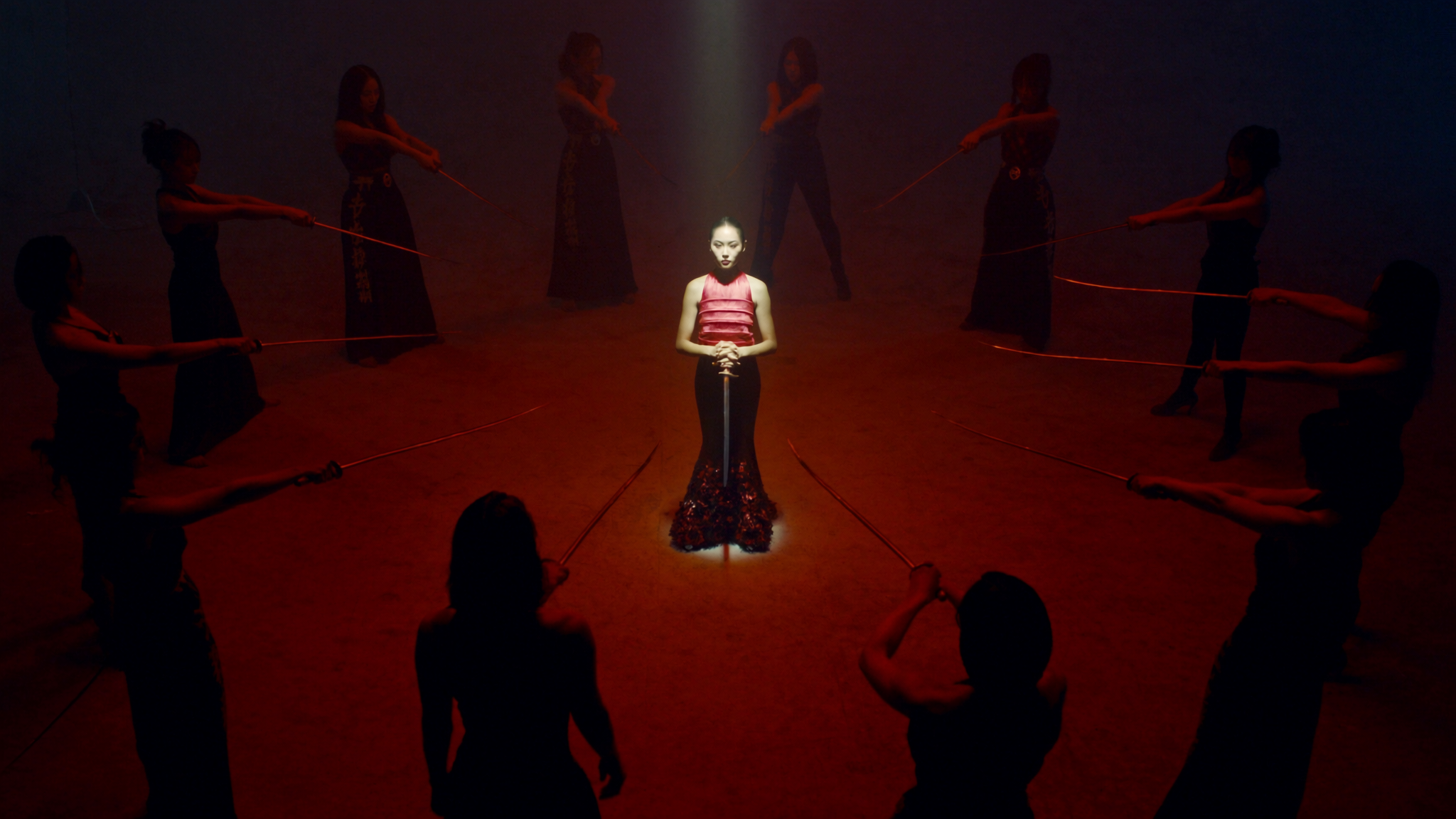
Lighting is the invisible director. A warm, soft, golden light reads welcoming; a hard, cool source reads tense or sterile; a pool of light in darkness isolates a subject and draws attention. Decide each scene's light direction and quality as clearly as you decide the subject's costume, because light shapes emotion more than almost any other single factor.
Turning a ScenePlan into Rendered Footage
Modern generative tools reward the same planning discipline that live production requires. Nothing in a clip appears just because you want it; the prompt, references, and keyframes determine what is possible.
Turn each shot-list entry into a detailed prompt. State the subject and its appearance, the action, the setting, the time of day, the light, the camera framing and movement, and the mood. The more precisely you specify, the more control you retain and the fewer random interpretations the model has to drift into.
Use reference images and keyframes to fix what text cannot. A reference locks a character or a look; keyframes can pin the composition or the start and end of an action. When a scene must show a specific action beat, plan keyframes rather than relying on description alone.
Stage your scenes like a real set. Move the virtual camera, place the subject, decide what is in the foreground and background, and choose the depth of field. A scene that was deliberately composed reads as film; one that was generated from a vague wish reads as noise.
Keeping the Whole SceneSequence Coherent
The hardest part of multi-scene work is not any single scene but the cumulative consistency. Fix these elements early and reuse them faithfully across every scene.
Establish a master reference for any recurring character, object, or brand asset, and reuse it in every scene it appears. The same is true of the world: a style card for the palette and lighting keeps scene to scene cohesive. Version and store your prompts, references, and decisions in a project folder so you can reproduce or extend the look months later.
Maintain continuity rules. Keep the timeline coherent, the character's appearance stable, and the environmental conditions consistent unless the story changes them deliberately. A single reference set and a single light philosophy, reused everywhere, is what makes a short feel like one piece rather than a sequence of experiments.
Decision Criteria for Choosing Tools
The right production stack depends on your goals, and the choice is easier when you know what to weigh.
State the trade-offs you care about most before shopping. If crowd-pleasing polish is paramount, favor the tools with the strongest visual fidelity even at higher cost. If volume and speed matter, favor efficient pipelines that render many rough cuts quickly. Most work benefits from a two-stage approach: cheap tools for prototyping and iteration, and the best tools for the final keepers.
Look for strong organizational features because they pay off on every project: clean project structures, reusable reference and style assets, versioned prompts, and reliable export. A tool that helps you stay organized reduces errors far more than marginal quality differences. Test any candidate on a small project first to confirm it fits your actual workflow, not just the demo.
From First Draft to Finished Scene
Scene design is iterative, and the fastest path to a great scene is to make a rough version and refine it. Produce a cheap draft of each scene, review it against your shot-list intention, and adjust only what is off.
Review against the intention, not for generic polish. Ask whether the camera serves the emotion, whether the action reads clearly, and whether the environment matches the palette you chose. Target changes to the specific element that misses rather than regenerating endlessly.
Reserve your most expensive final rendering for scenes that survive the draft. This staged approach keeps quality high, cost proportional to value, and the project moving. What emerges is a scene sequence that feels deliberate, because every shot was planned, reviewed against a plan, and refined against a standard.
Directing Your Own First Short
The best way to learn scene design is to finish a small film end to end. Choose a subject you know well, such as a two-minute product story or a portrait of a familiar place, and commit to a three-scene structure with one clear emotional beat each.
Draft the shot list exactly as the principles above describe: scene purpose, camera size, camera movement, subject and action, lighting mood, and framing. Keep the camera language consistent, reuse the same palette, and design one strong reference for the subject. Then produce or generate each scene against that list, review every draft against your written intention, and refine only what misses.
Expect the first effort to take a few passes and to reveal exactly where your planning was thin. That is the point. Each finished short builds fluency faster than hours of abstract study, and it produces a portfolio you can show. The habit of finishing small films is what turns theory about directing into dependable craft.
Decision Rules for Larger Productions
When the project outgrows a short, scale the same principles rather than abandoning them. Break large films into sequence groups, each with its own shot list, but carry the master style and master references across every sequence so the whole holds together.
Allocate your best tools and your most careful staging to the sequences that carry the story's emotional load, and allow more efficient rendering for connective or throwaway coverage. Keep a centralized project file holding prompts, references, keyframes, and decisions, so that any collaborator can pick up a sequence and stay consistent. Review early and in sequence, not just at the end, and you will correct direction drift while it is cheap to fix instead of after scenes are already rendered.
Collaborating and Seeking Notes
Directing does not have to be solitary. Show your planned shot list and your early drafts to a trusted colleague or to a test audience, and ask for notes framed around intention rather than taste. Pointed questions like "which scene lost your attention" or "where did the character stop feeling like the same person" surface problems that self-review misses.
Keep the feedback loop short and cheap. Share rough drafts, collect notes, and amend the plan before spending expensive final renders. The people who give feedback will often name the exact spot where a scene drifted, which tells you precisely what to restage. Over several projects you will build a collection of notes that amount to a personal checklist, making each successive film cleaner and faster to complete.
Frequently Asked Questions
Is scene planning really necessary for short social clips? Short clips still benefit hugely, because even ten seconds of coherent camera and tone outshines ten seconds of scattered shots. You can plan in minutes rather than days.
What is the minimal set of decisions before generating a scene? The scene's purpose, camera size and movement, the subject and its action, the light and mood, and the framing. Five decisions, written down, are enough.
How do I keep one character consistent across scenes? Create a master reference and reuse it in every scene; add keyframes for specific actions. Consistency comes from a single reused source of truth.
Do I need expensive tools to direct well? No. Good directing habits work regardless of tooling; expensive tools mostly add fidelity, while planning habits add coherence, which matters more.
What makes a scene feel 'cinematic'? Deliberate framing, consistent camera language, controlled lighting that supports emotion, depth of field, and clear subject intention. Cinematic is a planning outcome, not a filter.
The Discipline That Makes a Director
Directing is the practice of making choices before the machinery runs. Design the scene's purpose, camera, environment, light, and mood on paper; translate each into precise instructions; pin the essentials with references and keyframes; and review every draft against the intention you wrote down.
That discipline is what transforms a pile of generated clips or raw footage into a film with a spine. Craft the plan, then let the tools execute it, and you will find that the scenes you direct are not just technically produced but genuinely told — a story made visible one deliberate choice at a time.
