
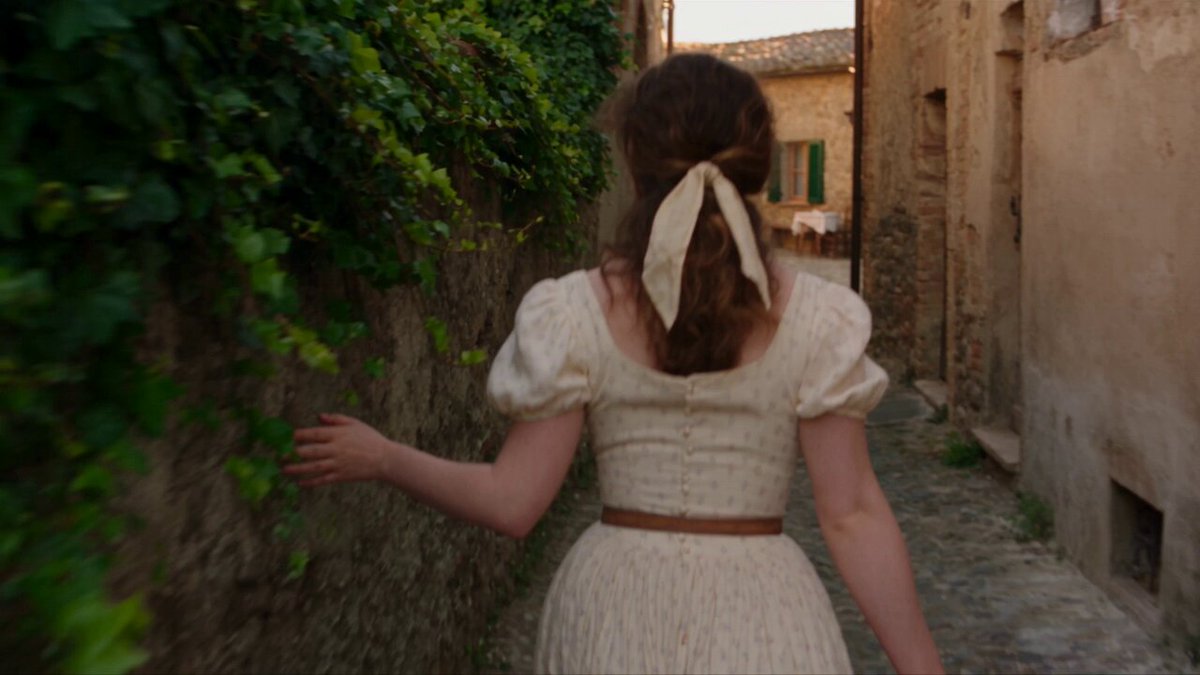

The dream of making a movie from a sentence is no longer theoretical. Ideas that once required a storyboard, a shoot, and an edit suite can now be translated into moving, lit, scored sequences using generative AI, and the results have climbed high enough that the word cinematic appears in the conversation for a reason. But turning a simple text idea into something that feels like a film takes more than typing a prompt and hoping. It takes a grasp of the pipeline underneath, a plan for the resources and editing controls, a deliberate choice of which rendering engine fits each moment, and a layer of direction that holds the whole vision together.
This guide treats cinematic AI video as a craft you can learn. It does not ask you to memorize specifications. Instead, it builds the mental model you need: understand the technical ecosystem, plan your project around real resource limits, pick the right render engine per scene, and direct a multi-shot piece the way a film director would, with an intelligent assistant handling the coordination. By the end you will have a repeatable route from a plain-text idea to a finished, film-feeling video.
Nothing here requires a studio or a team. What it requires is the willingness to think in beats, references, and sequences, and to treat the tools as instruments you conduct rather than gadgets you fire off.
The Architecture Behind Cinematic Generation
A cinematic result rides on a pipeline built to be stable at scale. Behind any serious generation platform sits a modular backend and a relational database that tracks every project, render job, model version, and asset reliably. That infrastructure matters to you because it is what keeps complex, multi-shot productions from unraveling in the middle of a deadline.
Because video generation is extraordinarily hungry for graphics compute, the platform runs that work on remote graphics processors managed by a task queue. The queue shares the hardware among many requests intelligently, prioritizing and scheduling so renders complete predictably even under load. When a queue is well designed, your render does not sit behind an arbitrary wall while another user hogs every processor; it is scheduled fairly and predictably.
The lesson for the creator is to choose platforms that take reliability seriously, because that reliability is a creative asset. A platform that returns predictable turnaround, never loses your assets, and keeps its model library current lets you think long term. Engineering excellence you cannot see is still the reason a production feels safe, and a safe pipeline is what frees you to be ambitious with your ideas.
Plan Around Resources and Editing Controls
Every render costs real compute, and long cinematic clips consume a lot of it. Professional planning begins with an honest map of your resource budget against the length and complexity of the piece, because running out halfway through a project is the fastest way to waste effort. Sketch the scene list, estimate rough render load per scene, and decide in advance which scenes you can draft cheaply and which must receive the full premium treatment.
Editing control is the flip side of the same planning coin. The tools that let you finesse a result, multi-image references for character consistency, keyframes for pose and camera control, style references for a coherent grade, are exactly the levers that separate a film from a slideshow, and you should design your plan around using them. Decide which references you need before you render a single frame. Lock the character look, the environment, and the grade up front, then generate against those anchors scene by scene.
Treat the resource plan and the control plan as one document. Knowing what you can afford in compute and how you will hold continuity tells you which scenes to draft fast, which to render slowly and carefully, and which to leave out entirely. Ambition, disciplined by a plan, reads as vision instead of as waste.
Pick the Right Rendering Engine per Scene
The spectrum of rendering engines is where cinematic quality is won or lost, because different models are built to be best at different parts of the job. The photorealistic diffusion families such as the Flux series and Runway sit at the top for fidelity and fine control, rendering believable light, materials, and detail that read as expensive. These are the engines for close-ups, product moments, and any frame where the viewer is asked to believe what they see.
For physical realism and narrative coherence, the Sora family changed what was possible, holding scene context and producing motion that respects the story rather than detaching into isolated flourishes. It is the go-to when characters must interact in ways that feel grounded and inevitable.
For efficient, value-minded work, engines such as Kling, PixVerse, MiniMax, and Luma deliver solid, fast results for drafts, variations, and volume. The professional habit is to route by scene: premium for hero and story-critical frames, narrative-realism for interaction-heavy moments, value engines for everything you draft and iterate. A piece directed this way gets a cinematic high-end where it must have it and efficient economics everywhere else.
Draft Cheap, Render Hero Frames Expensively
Cinematic quality is ultimately about where you concentrate your expensive work. The audience judges a film on a handful of frames: the opening, the emotional peak, the closing image. Those are the hero frames, and they deserve your highest-fidelity engine and your most careful prompts, references, and keyframes.
Everything else, the transitions, the establishing shots, the background inserts, is fill, and fill should be drafted on fast value engines so that poor ideas cost you almost nothing to discard. Drafting is the laboratory; hero rendering is the gallery. Feed a funnel: many cheap drafts, sharp review against your references, and a few expensive finals that carry the weight.
This is more than frugality. It is a distribution of attention that matches how audiences actually watch. Spend your best resources where the viewer is most present, and hold your vision across the moments in between with consistent references and disciplined pacing, and the whole piece reads as more expensive than the sum of its parts.
The Director Layer: Holding the Vision Together
A film is a sequence that must feel like one idea, and that coherence is the hardest thing to achieve across many separate renders. The modern answer is an intelligent director layer: software that holds the full project context, plans the shot sequence, assigns a model to each scene, and manages the queue in the background while you keep writing and reviewing.
The director layer lets you work like a director rather than a technician. It preselects the visual language, keeps every scene anchored to the same references, and ensures the render work proceeds efficiently, so you can concentrate on the two jobs only you can do: judging what belongs and deciding what the audience should feel. In practice it removes the busywork that used to swallow a multi-scene project, and it protects the coherence that otherwise slips when you are juggling a dozen windows.
Even without such a tool, adopt the director mindset. Hold the brief and references as the fixed center, view every shot in the context of the whole piece, and let that center decide what survives. Turned into a supported workflow, that mindset is what lets one person direct something that feels made by a crew.
A Complete Route from Text to Finished Film
Here is the full journey, condensed. Begin with a written idea, a paragraph or a logline, and expand it into a beat sheet of distinct visual moments, one line each. Set your tone and style in a short direction note. Gather references: a character face and body, an environment, a grade and lighting reference. Draft the forward moments with a fast engine and review for structure, and push the concept that works toward premium renders with locked references and keyframes. Add music, a voice or text pass, and any sound effects, and mix it so the audio matches the edit. Assemble the approved scenes, make one pass for pacing and continuity against your references, and publish. Finally, save your references and winning prompts to an asset library so the next film starts further along than the one before.
Run this route once and you will feel the difference between generating loosely and directing deliberately. The principles carry, and each project's asset library makes the next one cheaper, faster, and more confident.
Fixing the Common Reasons Cinematic Work Falls Flat
Cinematic output fails in predictable ways, and each has a fix. Vague prompts yield generic footage, so write one clear beat per prompt. Ignoring references collapses continuity, so anchor every scene to locked reference images. Over-promising on a weak engine produces muddy heroes, so route your money moments to the right model. Committing too early to an idea, before cheap drafts, wastes expensive renders, so funnel your drafts first. Skipping the audio mix leaves even good footage feeling unfinished, so finish with sound and pacing. And keeping every experiment floods the edit with noise, so publish only what survives honest review.
Put these into a short review checklist and run it against every project. A checklist you trust is the quiet engine of cinematic consistency, and it is what raises your baseline from occasionally-striking to reliably-film.
Keep that checklist alive. Add the specific miss you just caught whenever it surprises you, delete the items that have stopped occurring, and reorder by how often each one actually bites. Within a few projects the checklist starts to feel like a second pair of eyes, because at the moment you hesitate on a clip, it tells you which box is unticked and why. The goal is to move the big decisions out of the pressure of shipping and into a calm, repeatable scan that you genuinely trust, and that habit is what keeps a director consistent even when every scene is new.
Frequently Asked Questions
Do I need any film knowledge to use these tools?
A little framing vocabulary helps enormously: shots, beats, and references. The tools implement these concepts, so understanding them lets you direct instead of stumble.
Can one person produce a full cinematic piece?
Yes. The heavy lifting is in software, and the director layer handles coordination. The human carries direction, references, and review, which one person can absolutely do well.
What is the biggest quality lever?
Routing. Choosing the right engine for the right shot, and concentrating premium renders on hero frames, makes a piece look professional more than any single prompt trick does.
How do I keep costs predictable for a long piece?
Draft almost everything on value engines, reserve premium for a small set of hero frames, and plan the scene list against your budget before rendering begins.
Is the cinematic style limited to realism?
No. References and style frames let you hold a stylized, animated, or painterly look across scenes with the same discipline that keeps a realistic character consistent.
From a Simple Idea to the Big Screen of Your Browser
Cinematic AI video has moved from a demonstration of possibility to a genuine production technique. The craft rests on a handful of disciplines that are stable no matter how the tools evolve: understand the pipeline, plan around resources and control, route every shot to the right engine, concentrate premium effort on hero frames, and hold the whole vision together with a directing mindset and an orchestration layer.
You do not need a studio to feel like a filmmaker. You need a clear idea, a beat sheet, a locked set of references, the judgment to draft cheap and render the heroes well, and the discipline to finish with audio and honest review. That is the whole craft, and it compounds.
Take one simple idea today, a single paragraph you actually care about, and run the full route from text to a finished film. Let the references hold, let the heroes cost what they should, and let the direction guide everything. The screen is ready, and so is your workflow. The only missing element is the decision to start.
