

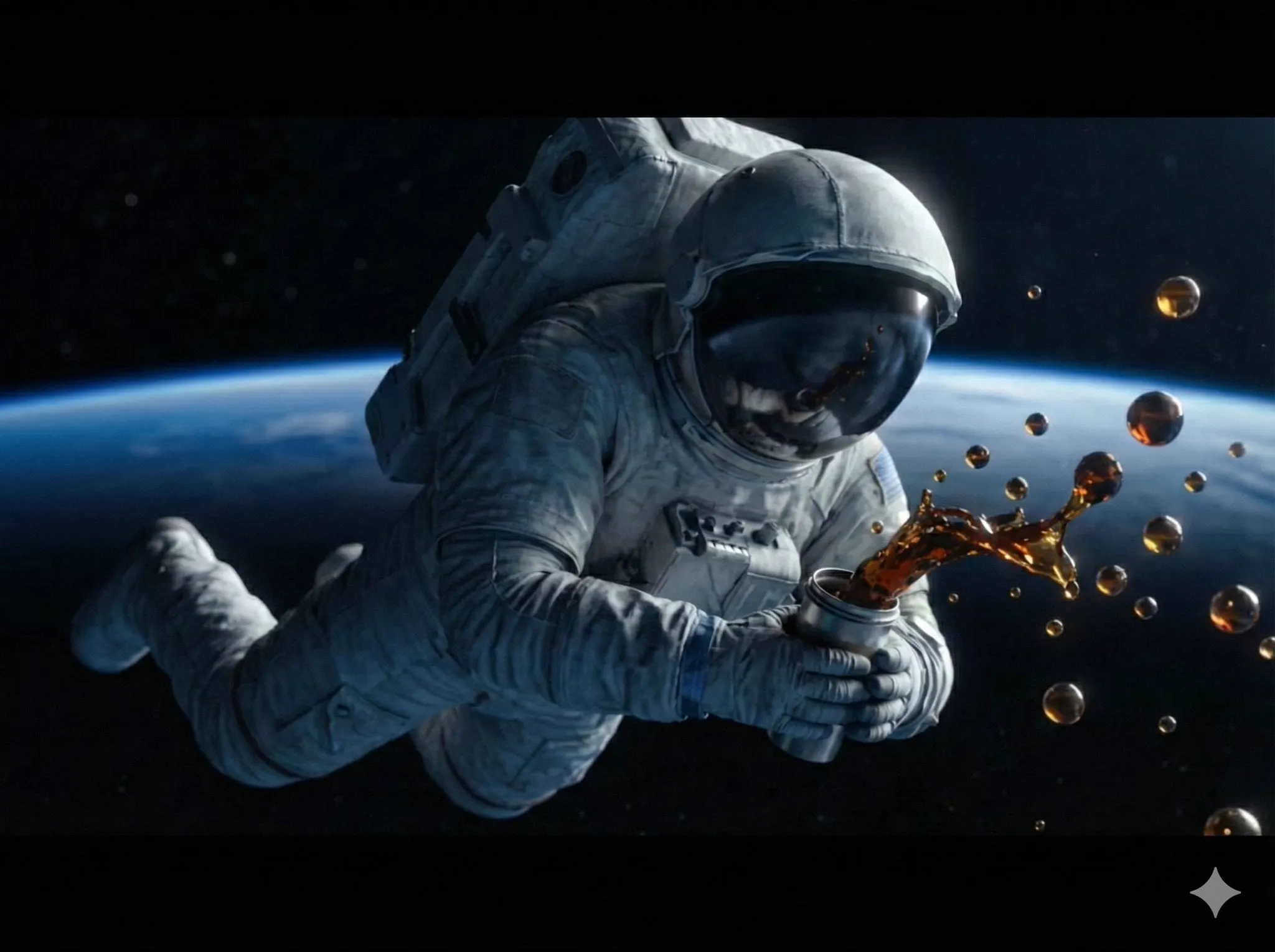
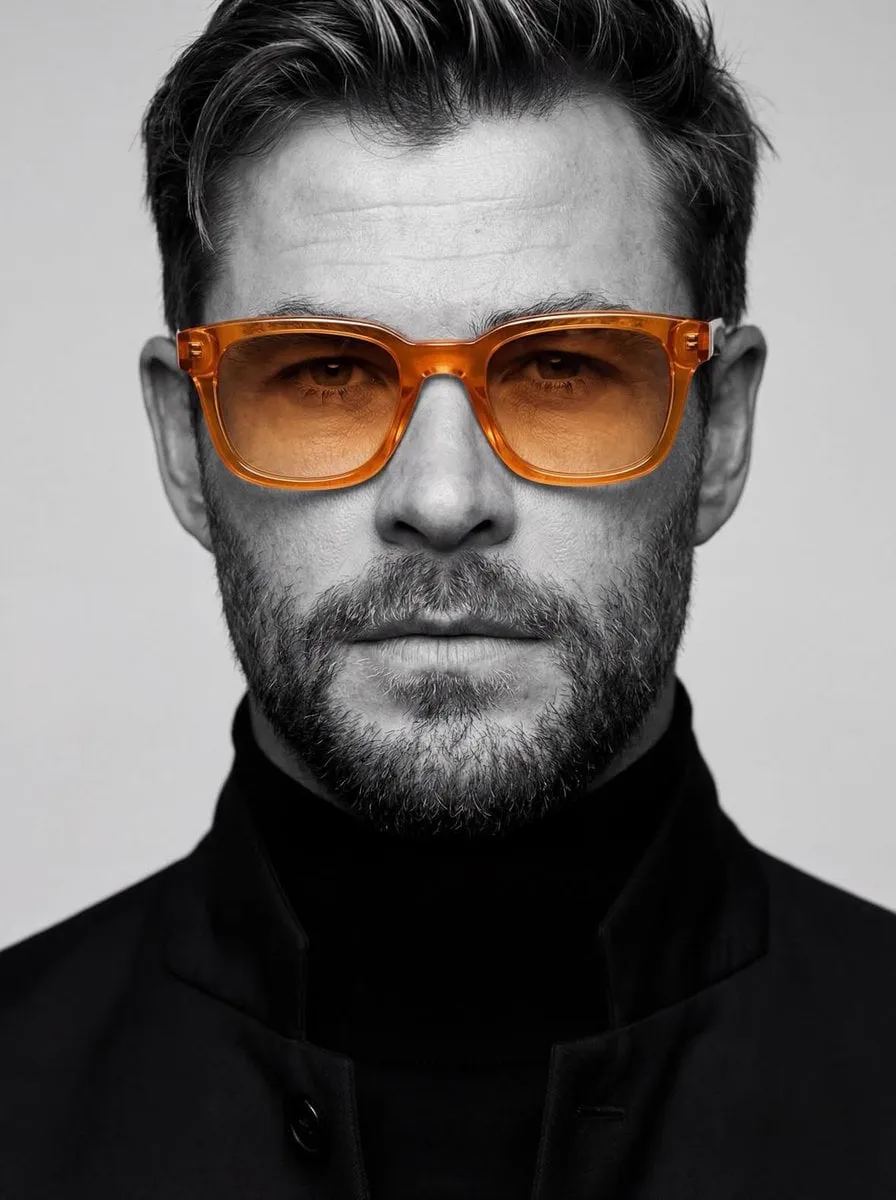
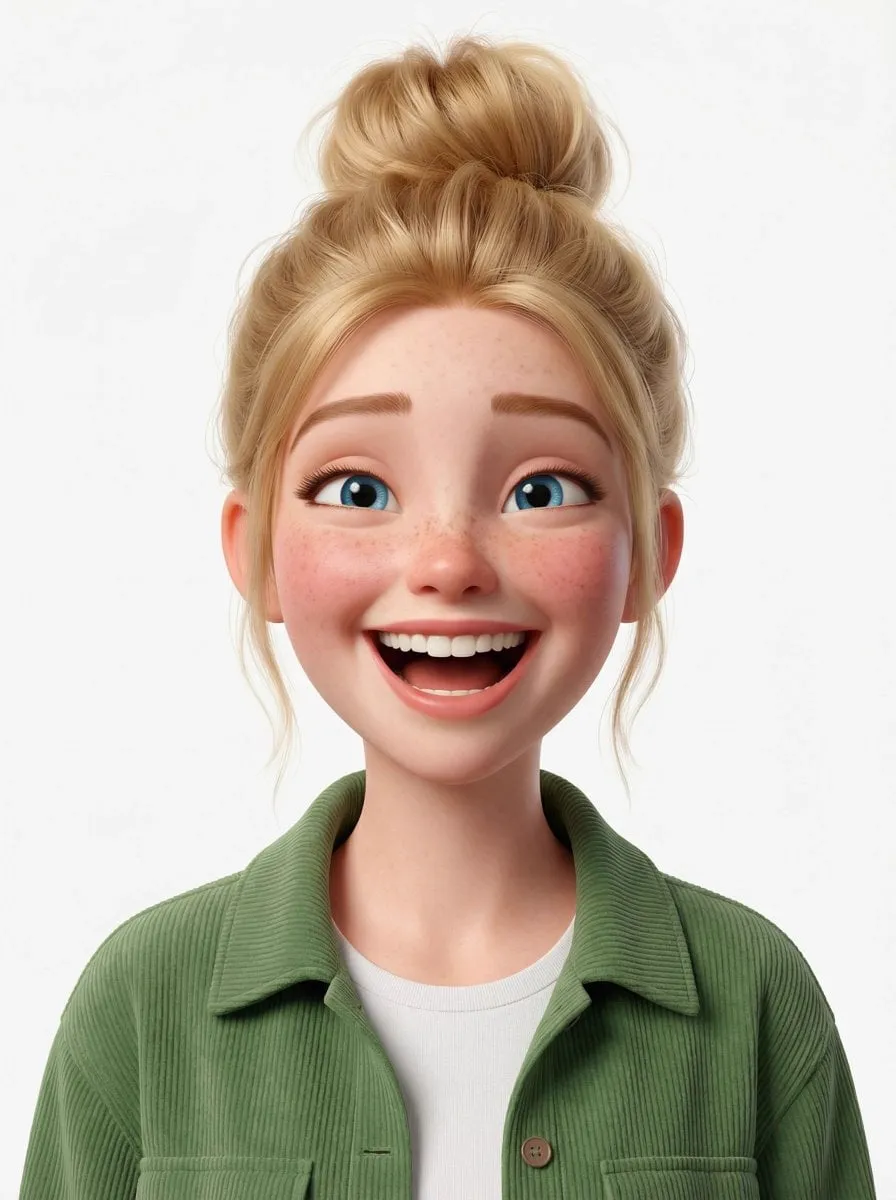
The idea of turning a written sentence into a moving image has moved from science fiction to the editing suite in record time. Text-to-video generation, the technology that does this, is maturing so quickly that it is now worth treating as a real production tool rather than a curiosity. Filmmakers, content teams, and independent storytellers are using it to reach scenes that would have required a full crew, expensive locations, or weeks of animation work.
This article explains how the technology works in practical terms, what has changed recently, and how you can fold it into an actual production workflow. The goal is to help you see where machine generation helps and where human direction still controls the outcome.
Rethinking What a "Film Shoot" Means
For most of the medium's history, every frame had to be captured or drawn. A scene was filmed because someone rented gear, built a set, or traveled to a location. Text-to-video changes the basic assumption: many shots can now be synthesized from a description. A script page in a quiet office can become a fully rendered cinematic moment in minutes.
That does not mean cameras and crews disappear. It means the boundary between what is shot and what is generated blurs. A production might capture a few live-action plates and generate the rest, or shift an entire project into the synthetic domain. Directors are gaining a spectrum of choices between pure capture and pure generation, and deciding where each project sits on that spectrum is now part of the job.
The practical effect is that smaller teams can attempt ambitious visual storytelling. Where a fantasy sequence once demanded a budget and months of post-production, a two-person team with a good script and the right tools can now produce a convincing version themselves.
What Actually Improved in Video Generation
Skepticism about text-to-video is reasonable because early results were rough. Judging the current state fairly requires looking at what actually got better.
Coherence Across Longer Sequences
The biggest change is that models now hold a subject and scene in place across far more frames. Earlier tools produced a few seconds of plausible motion before devolving into flicker and morphing. Modern approaches maintain stability much longer, which is what makes them usable for narrative work instead of just short demos.
Stylistic Range and Reference Control
Instead of a single "AI look," creators now have dramatic stylistic range. The same system can render photorealistic, anime, painterly, or stylized outputs, and can match the mood of a reference image or a locked character design. This makes it possible to establish a consistent visual language for a whole project.
Layered Direction and Expert Models
Prompting has become multidimensional. You can direct camera movement, lighting, framing, and compositing rather than describing a vague scene. Specialist models handle narrow tasks well, and experienced teams combine a flagship generator with smaller tools for details like upscaling and cleanup.
Choosing Generation Tools for Real Projects
Picking among the available text-to-video options comes down to matching the tool to the job. There is no universal best model; there is the best model for your particular scene and constraint.
Define the Look You Are Chasing
Start from the intended feel, not from the tool. A gritty documentary needs different models and prompting than a whimsical brand animation. Knowing your destination makes it much easier to choose among the options and to write prompts that get you there.
Balance Quality, Speed, and Cost
Flagship models return the richest detail but tend to be slower and more expensive to run. Budget models trade some polish for speed and lower cost. Plan which scenes deserve a premium pass and which can use the cheaper tier. The goal is to spend where the viewer's eye lands and save everywhere else.
Prefer Workflows That Keep Consistency
The projects that shine are the ones that keep characters, styles, and lighting stable across shots. Tools that let you lock references, reuse style definitions, and carry state between scenes are worth prioritizing. Consistency is the quiet ingredient that separates professional output from a pile of pretty clips.
Building a Repeatable Production Workflow
Treating text-to-video as a random generator wastes its potential. A structured workflow turns it into a dependable production stage.
Start with a locked script and a shot list. Since every generated frame begins as text, clean, visual writing gives the model the strongest starting point. Next, design your characters and world on paper or in reference images before generating motion. Then work shot by shot: draft a scene at low quality to confirm the composition and storytelling, approve it, and only then run the high-resolution pass. Finally, assemble, edit for rhythm, add sound, and finish with upscaling and cleanup.
This per-shot loop keeps you in control and dramatically reduces waste. You decide where the story goes; the model handles the labor of visual realization.
The Creative Director's Role in Machine-Generated Film
With generation doing the heavy lifting, the creative roles shift. Someone still has to define the vision, make the thousand small decisions about mood and pace, and reject the outputs that miss the mark. That person is the AI director in effect, whether they go by that title or not.
Directing the Model Is a Craft
Writing a prompt is closer to directing than to typing. You choose what is in frame, how the camera behaves, what the light feels like, and how the moment lands. The more specific and deliberate your direction, the more the output reflects intent. Treat every generation like a take you might reshoot, because you will reshoot many of them.
Curation Becomes the Core Skill
Models produce a lot of near-misses. The ability to look at twenty generations, pick the one that works, and explain why is now central creative skill. Good directors develop strong instincts for what will hold together and what will fall apart when assembled into a sequence.
Practical Ways Filmmakers Are Using It Now
Real projects show where the tool earns its place.
Concept Work and Previsualization
Before a live shoot, teams generate visual concepts and animatics to align stakeholders on the look. This de-risks production by settling the aesthetic early, often for a fraction of the cost of a traditional look-development pass.
Bridging the Impossible
Scenes that are expensive, dangerous, or physically impossible on location are now feasible. Instead of abandoning a shot, creators generate it. Historical, fantasy, and micro-scale scenes that once required heavy effects budgets become accessible to independent productions.
Fast Turnaround for Social Content
For social and marketing teams, the speed is transformative. A campaign idea can go from brief to a set of on-brand clips within hours, letting teams test creative directions before committing to a full production cycle.
Managing the Financial Side
Text-to-video changes how production money is spent. Understanding the new cost structure keeps projects on budget.
- The dominant cost shifts from labor and gear to compute and model access.
- Iteration has an explicit price, so planning generations matters.
- Reusing approved assets across scenes cuts both waste and inconsistency.
- Scale levels let teams match spending to the importance of each shot.
The economics reward planning. A well-planned project that locks its art direction early spends a fraction of what a chaotic, re-rendered project costs.
Designing Characters and Worlds That Stay Consistent
One of the quickest ways to undermine a generated film is a character who changes appearance between scenes. Good design habits prevent this before it becomes an expensive problem.
Lock the Design Before You Generate Motion
Spend time defining the character's face, wardrobe, proportions, and color palette as reference assets before generating any animation. This is your production bible. Every scene should pull from it rather than reinterpreting a prompt that might drift.
Keep Scene-to-Scene Changes Incremental
The less you change at once, the more stable the result. Establish a character and environment in one scene, then move to a new camera angle, then adjust lighting, then advance the action. Small, chained steps hold together far better than a single dramatic reinvention.
Plan Around the Model's Weaknesses
Learn the failure modes of your main models and design shots to avoid them. If hands are unreliable, frame around them. If fast motion causes flicker, keep action within comfortable bounds or switch to a specialist model for those beats. Planning around limitations is standard practice, not a concession.
A Walkthrough: From Script Page to Finished Scene
To make the workflow concrete, here is how a single scene typically comes together.
Start with the written description and the locked reference design. Write the prompt to specify what is in frame, the camera move, the lighting mood, and the action, keeping it close to the reference. Generate a low-resolution preview and review it for composition and storytelling. If it misses, adjust the prompt and retry. Once approved, run the high-resolution pass and check for artifacts. Then move to the edit, where the scene gets paced, scored, and finished alongside the others.
Repeating this per scene, rather than trying to generate a whole film at once, keeps quality predictable and waste low. It is the same discipline a director brings to a traditional shoot, applied to a synthetic set.
Assembling the Editorial Team Around Generation
Text-to-video changes what a filmmaking team looks like. The roles adapt even when the headcount stays small.
The Vision-Holder
Someone must own the story and the tone, deciding which outputs serve the project and which miss the point. This role is becoming more important as output volume rises, because taste is now the bottleneck rather than the tools.
The Prompt and Design Specialist
A dedicated person who writes strong prompts, manages reference assets, and keeps the style consistent across scenes pays for themselves quickly. In small productions this is often the same person as the vision-holder, but keeping the skills distinct helps.
The Editor-Finisher
Generation produces raw material; someone still assembles it, paces it, scores it, and finishes it. This role links the generated visuals to a coherent, emotionally resonant result. It is the handoff point where raw frames become a film.
None of these roles requires a huge crew. One flexible person can shift between them. The point is to make sure all three functions exist in the project, because skipping any of them is how good-looking footage becomes a forgettable sequence.
Keeping the Craft Honest With Audiences
As synthetic footage becomes more common, honesty is a competitive and ethical asset.
Be Clear About the Source
Audiences are increasingly able to tell generated footage from captured footage, and they reward transparency. If a project is openly stylized or clearly generated, just say so rather than letting viewers feel deceived. Trust is fragile and easy to lose.
Use It Where It Serves the Story
The most defensible uses are ones where the generation clearly serves the creative intent: imagined worlds, stylized sequences, or concepts that could not be shot. Using realistic generation to fake reality in a misleading way is where the ethics get uncomfortable, especially in news-adjacent content.
Keep Records for Licensing
For commercial and client work, maintain a clear record of the tools, models, prompts, and outputs you used. It protects you, demonstrates due diligence, and makes revisiting a project far easier later.
Common Questions About Text-to-Film Tools
Is generated footage distinguishable from real footage? Often yes, and it sometimes carries an unnatural smoothness. But in stylized or effects-heavy projects the difference rarely matters. Honesty about the technology usually respects audiences more than trying to pass it off as captured footage.
Do I still need a script? More than ever. The text is the raw material the rest of the pipeline is built on. A writer's clarity directly becomes visual clarity.
What about copyright and licensing? Rules vary by model and platform, and they are still settling. Check the terms of the specific tool for commercial use before shipping client work, and keep records of your prompts and outputs.
How much human editing remains? A meaningful amount. Generation creates raw material, but pacing, sound, continuity, and storytelling judgment still require a human editor to assemble it into a film that lands.
Where the Medium Is Heading
The near future points toward even tighter control and longer coherent outputs: better character persistence, more precise prompting, and cheaper access to high-end results. As generation becomes more routine, the competitive edge moves toward vision, story, and the quality of creative direction.
Text-to-film technology is best understood not as machinery that makes movies on its own, but as an expansion of what a filmmaker can attempt. The scripts, the taste, and the decisions still come from people. The tool simply removes the distance between a written idea and a screen filled with moving images.
