
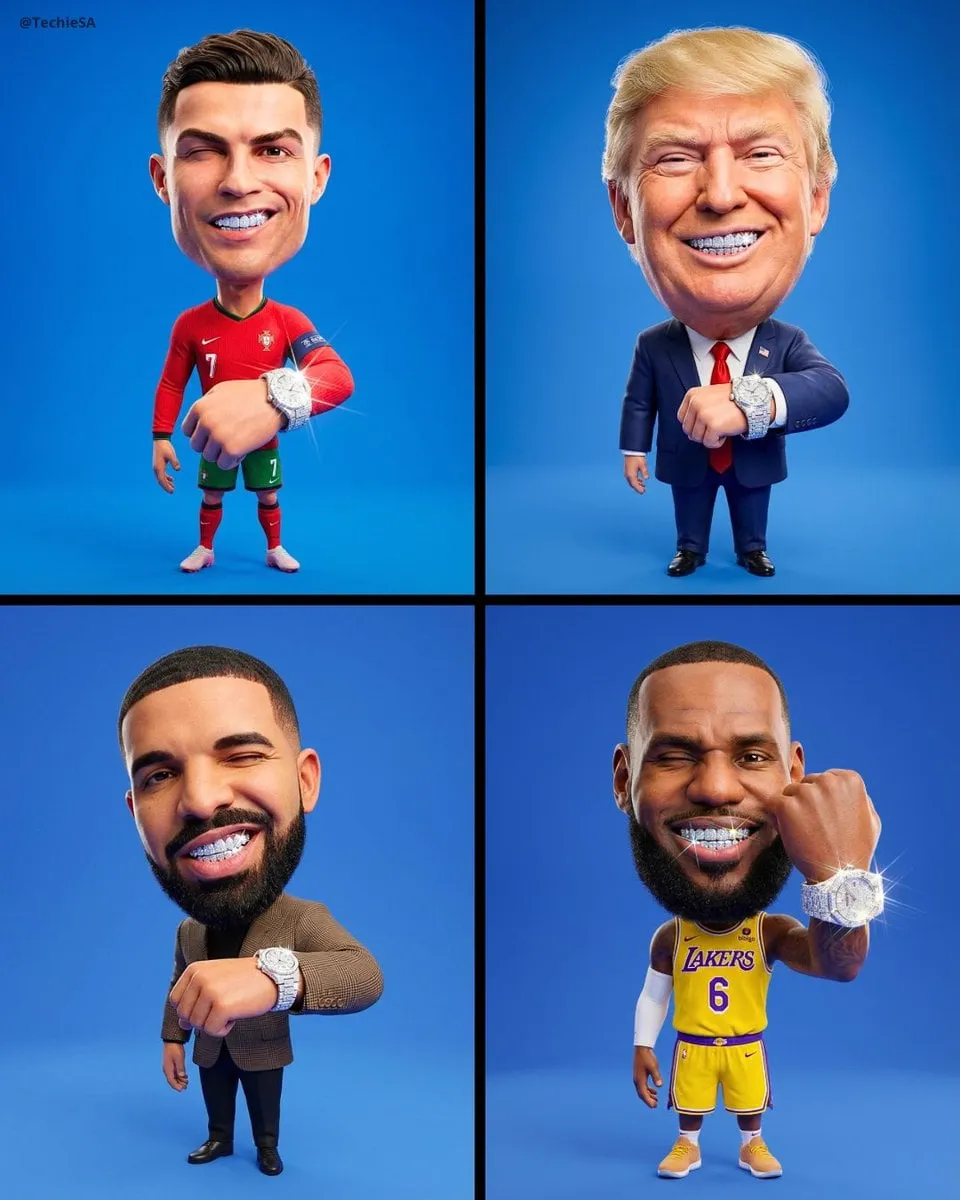
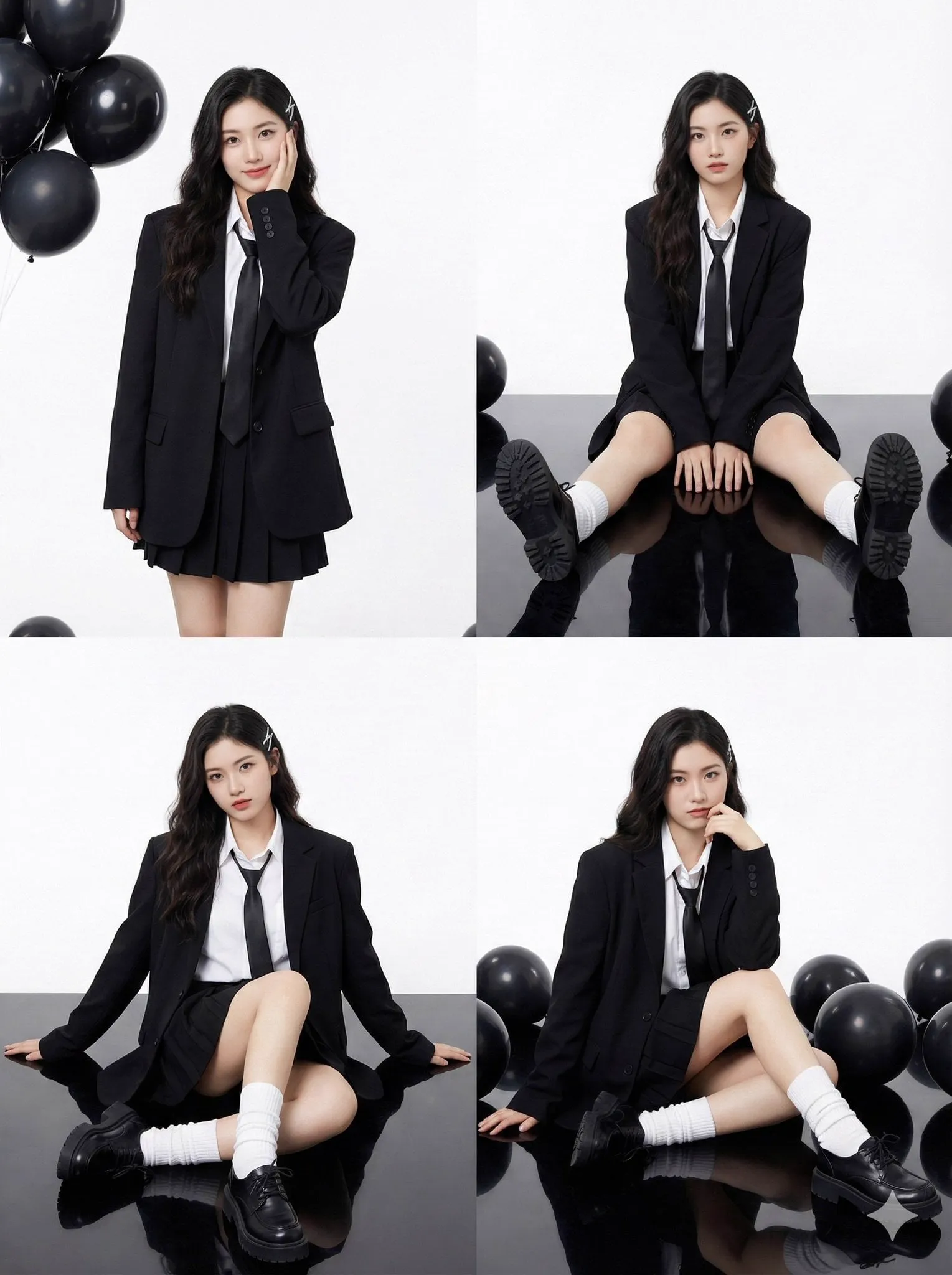
Fashion advertising has changed faster in the past couple of years than in the previous decade. Brands that once needed photoshoots, stylists, and post-production teams can now produce striking campaign videos with a laptop and a handful of AI tools. For independent designers, small boutiques, and emerging labels, this is transformative: a professional-looking ad is now within reach even when the marketing budget is almost zero.
This guide walks through the full process, from choosing free and low-cost tools to writing better prompts, keeping a character consistent across shots, and assembling short-form videos that actually convert viewers into customers.
Why AI Fashion Video Is a Real Opportunity
Fashion is a visual product. A customer's decision to buy often hinges on emotion, aspiration, and how a garment moves and catches light. Video carries all of that in a way static photos cannot.
In competitive digital markets, video ads have become a decisive factor for brand success. Yet traditional production costs are prohibitive for smaller players. AI closes that gap. New text-to-video and image-to-video models can now generate footage that, at a glance, reads as professional fashion content. The catch is that the quality is not automatic. It depends on how you set up the project, write your prompts, and maintain consistency across shots.
The starting point: define the mood of the campaign
Before touching a tool, decide the feeling you want to sell. Is this a luxury editorial with slow, elegant motion? A streetwear drop with fast cuts and high energy? A product-focused reel that emphasizes fabric movement? Write a short creative brief, even just a few sentences, describing the setting, lighting, model, wardrobe, and pacing. Every prompt you write later should serve this brief.
Choosing the Right Free or Low-Cost AI Tools
You do not need every tool on the market. You need a small stack that covers four jobs: generating concept images, generating video, maintaining character consistency, and editing the final cut.
Free and low-cost platforms to consider
Look for platforms that let you make a handful of generations per day without payment and offer a preview model with limited but usable output. For fashion specifically, prioritize:
- Image generation that handles realistic fabric, skin tone, and lighting.
- Text-to-video that preserves a reference image or character.
- Video-to-video so you can restyle an existing clip.
- Batch or variation features so you can compare outputs quickly.
Many tools split into a free tier for experimentation and a higher tier for full resolution and more generations. Plan to use free tiers for testing and budget a little for final renders.
Avoid the feature trap
Do not choose a tool because it lists the most features. Choose the stack that produces the least amount of correction work for your specific subjects. A direct test with one garment, one pose, and one background will tell you more than any comparison article.
Writing Better Prompts for High-End Fashion
Prompt quality is the single biggest lever on output quality. Think of it as an art direction memo rather than a wish. Cover five dimensions every time.
Subject and styling
Name the garment and its key attributes: silhouette, color, material, cut. Specify the model's pose and expression if relevant. Instead of "a red dress on a woman," write "a flowing crimson evening dress with a high slit, worn by a tall model in a relaxed pose, soft natural makeup."
Setting and environment
Describe where the shot happens and the atmosphere. "In an empty concrete studio with dramatic skylight shadows" reads differently than "on a sunny rooftop in a city." The environment drives lighting and mood more than any keyword.
Lighting and camera
Lighting separates amateur output from fashion-grade output. Use terms like "soft window light," "high-contrast rim lighting," "golden hour glow," or "studio softbox." Add camera instructions such as "slow dolly toward the model," "locked tripod close-up," or "camera pans while the model turns."
Motion and pacing
Fashion video lives in how fabric and body move. Describe the motion you want: "the hem of the coat lifts in a light breeze," "the model turns slowly to show the back," "a brisk walk toward the lens with fabric trailing." Keep each clip focused on a single motion so the model can render it cleanly.
Style and finish
End with a reference style for color and grain. "Muted film grain, desaturated palette, editorial fashion photography aesthetic." Consistency of finish across shots makes the campaign feel cohesive even when scenes differ.
Maintaining Character Consistency Across Shots
The biggest weakness of early AI fashion video was that the same person looked different in every clip. A campaign needs one model, seen from multiple angles, who clearly remains the same person. Modern tools handle this with character-reference features.
Build a reference sheet first
Generate a headshot and full-body image of your model and lock it as your reference. Feed this reference to every generation. When a tool supports multiple reference images, provide a front, side, and detail shot of the outfit so the garment stays recognizable.
Lock the outfit across scenes
Fashion campaigns depend on the garment's consistency as much as the model's. Use image-to-video with the exact outfit photo as the start frame. That anchors the cut, color, and fabric so each scene reads as the same product from a different angle.
Keep the same seed and settings
When your tool exposes a seed or "detail" control, keep it fixed between shots of the same scene so lighting and composition stay stable. Change only what you intend to change.
Generate variations, then curate
No single generation is perfect. Produce three to five variations per shot and pick the few that match your reference. Curation is part of the production process; the goal is a short set of coherent shots, not a large pile of near-misses.
Practical Workflows for Fashion AI Video
Different goals call for different workflows. Here are three that cover most freelance and small-brand needs.
Workflow A: The product-focused swipe
Start from a product photo, animate subtle fabric movement, and add a clean lifestyle background. Useful for e-commerce reels and product detail ads. Steps: upload product image, describe motion in one sentence, animate with image-to-video, then overlay a simple caption.
Workflow B: The editorial sequence
Build a multiple-shot mini-campaign from one mood. Steps: write your creative brief, generate a locked character reference, produce five to nine shots matching the brief, pick the strongest, and cut them into a sequence with consistent color and pacing. This reads as a high-end lookbook.
Workflow C: The user-generated restyle
Take existing clips and restyle them with video-to-video to create a branded version. Steps: upload raw footage, describe the target grade and background change, then render. Great for repurposing behind-the-scenes phone footage into polished ads.
Assembling Short-Form Fashion Videos
Vertical, fast, and sound-on-off-first is the default for fashion reels. Keep the first three seconds decisive because that is when a viewer decides to keep watching.
Structure for retention
Open with a strong visual of the finished look, reveal details in the middle through close-ups and fabric movement, and close with the product, price, or a clear call to action. Keep each cut under two seconds for a brisk feel, or go slow and editorial if the mood calls for it.
Add clean motion graphics
Text overlays with the brand name or selling points, a simple wipe transition, and a consistent corner logo go a long way. Most editing apps have built-in caption and text-animation tools, so you do not need a designer to add polish.
Pair with the right audio
Even if viewers watch on mute, the audio track determines pacing and emotion for those who unmute. Choose music whose tempo matches your cut rhythm and keep the level low enough to not fight the visuals.
Common Mistakes and How to Avoid Them
Avoid the errors that most often turn expensive-looking ideas into cheap-looking results.
- Ignoring the reference image. Without an anchored character and outfit, your campaign falls apart across cuts.
- Overcrowding the prompt. A prompt that asks for a busy street, rain, three models, and a camera move will satisfy none of it. Keep each clip to one subject and one idea.
- Skipping curation. Publishing the first output usually shows the cracks. Generate several and pick the best.
- Ignoring aspect ratio. A fashion reel intended for vertical instagram should be generated in 9:16, not a landscape still cropped down.
- Hopping tools mid-project. Coloring and model behavior differ wildly. Finish a campaign in one platform before mixing sources.
A Copywriting Approach for Fashion Prompts
A strong prompt is basically good copywriting aimed at a model. The same instincts that make a campaign line memorable — specificity, mood, and concrete imagery — make a prompt produce better footage.
Write your prompt in three layers. Start with the subject: the garment, its cut and material, the model's posture. Then add the environment and the emotional tone: is this a quiet luxury shoot or a loud street-drop? Finally, give the camera its instructions and the model a clear single action. Keep each layer to one clear idea, and you will avoid the muddle that comes from asking a model to do too much at once.
This copywriting mindset pays off in consistency, too. If you reuse the same descriptive vocabulary across scenes, the model is far more likely to produce matching looks. Maintain a short glossary of the terms you consistently use for your brand's aesthetic, and reuse them inside every prompt in a campaign.
Reducing Costs While Keeping Quality
A limited budget does not have to mean low quality, if you spend on the right things. The cost driver in AI video is high-resolution, long-duration generations with premium models. Control it in three ways.
First, generate at the resolution and length you truly need, rather than the maximum available. A vertical reel rarely requires a longer runtime or a resolution higher than its platform supports. Second, keep tests cheap: block out scenes and check composition with lightweight settings, then apply expensive compute only to the scenes that pass. Third, reuse start frames. If a scene is close to another you already generated, use the earlier image as the starting frame to preserve the look without paying for a fully new render.
These habits shift the budget from volume toward the moments that actually matter, and the final campaign reads as better because the money went into the hero shots.
Measuring What Works and Iterating
A fashion ad is only finished when it performs. Build a small review loop so you know which clips and structures resonate, and which fall flat.
Track two things per piece: the views and the conversion or engagement signal that matters to your objective, whether that is a click, a save, or a sale. When a particular clip structure outperforms others, note what made it stand out, then reuse that pattern in the next campaign. When something underperforms, adjust the pacing, the first frame, or the call to action rather than scrapping the whole idea.
This iteration turns AI video from a one-off generate-and-post exercise into a compounding asset. Each campaign teaches you something you can carry forward, and your prompts, references, and captions get better with experience.
Staying on the Right Side of Usage Rules
Generative tools come with terms of use, and fashion brands have real legal surface area. Before you publish commercial AI-generated ads, take a few minutes to keep things clean.
Check that the tool you use permits commercial use of its output. Confirm you actually hold the rights to the reference images you feed in, especially if you used a real model, a location, or another brand's imagery as a starting point. Keep your generated assets and the settings that produced them in an orderly folder, so you can prove ownership and recreate a piece if it is ever questioned. A little discipline here protects the work you put into a campaign.
What the Next Cycle of Tools Unlocks
The tools are moving quickly, and the current generation is already reshaping fashion campaigns. Even so, the habits described in this guide carry forward as the underlying models improve.
Expect consistency features to keep getting better, so character and garment stability across scenes will demand less manual correction. Expect motion to become more controllable, with cleaner fabric, hair, and camera behavior. And expect integration between image, video, and editing tools to tighten, so a campaign can move from concept to rendered sequence in one connected workflow. None of this removes the need for a clear art direction; it removes the technical friction between your idea and the footage.
Final Checklist for a Great Fashion Ad
Before you hit publish, run through this list.
- The model looks the same in every clip.
- The garment matches the reference product in cut, color, and fabric.
- Lighting and color grade are consistent across the sequence.
- The first three seconds are visually strong.
- Text overlays are legible on mobile.
- The aspect ratio matches the platform.
- The call to action is clear.
- The tools and images you used allow commercial use.
- Settings and reference assets are saved somewhere you can find them.
AI changed the economics of fashion advertising, not the fundamentals of taste and consistency. The tools are within reach of almost any budget. The rest is craft: a clear brief, disciplined prompts, and the habit of making many options, then choosing the best few. With practice, a small boutique can produce campaign videos that stand next to work from far larger budgets.
