
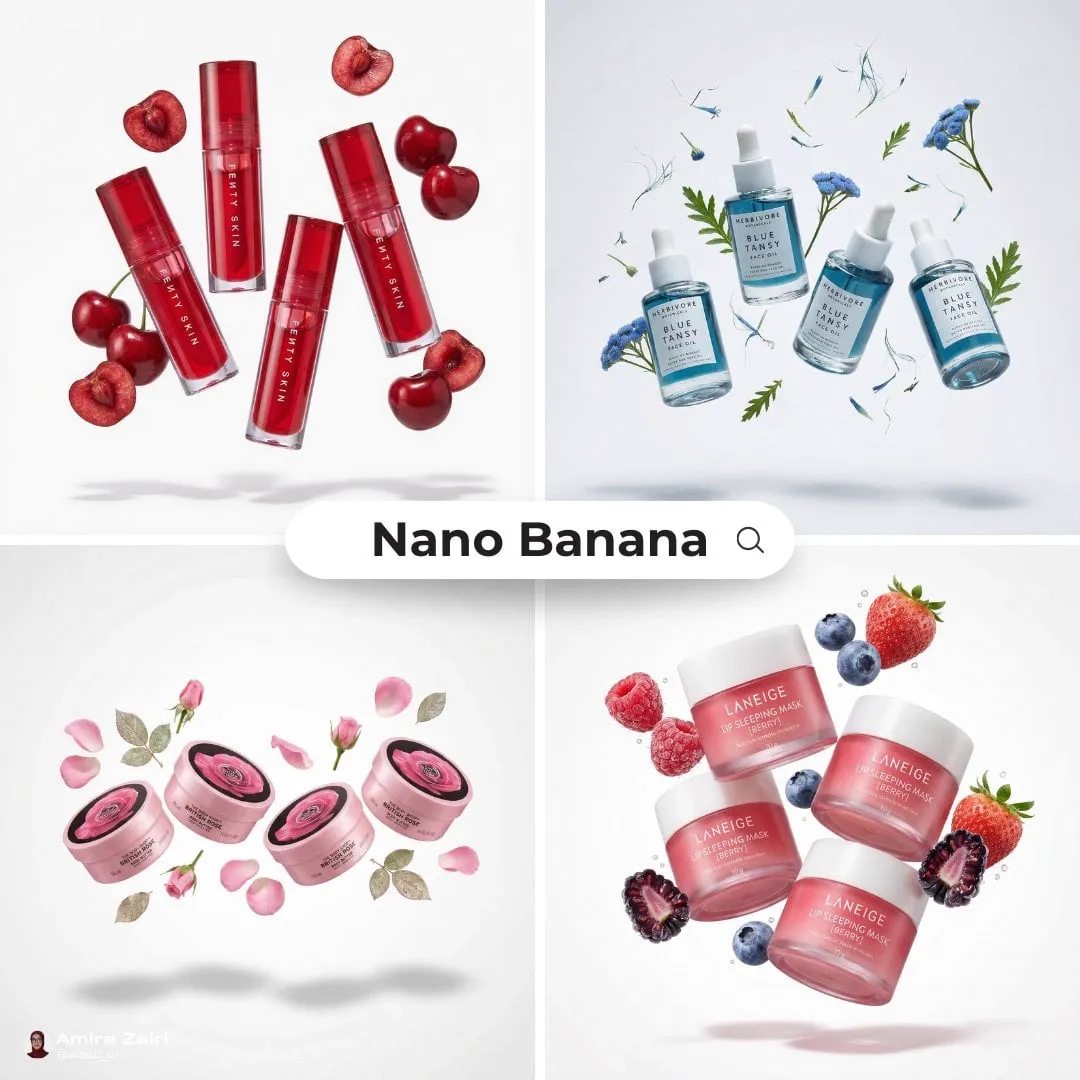
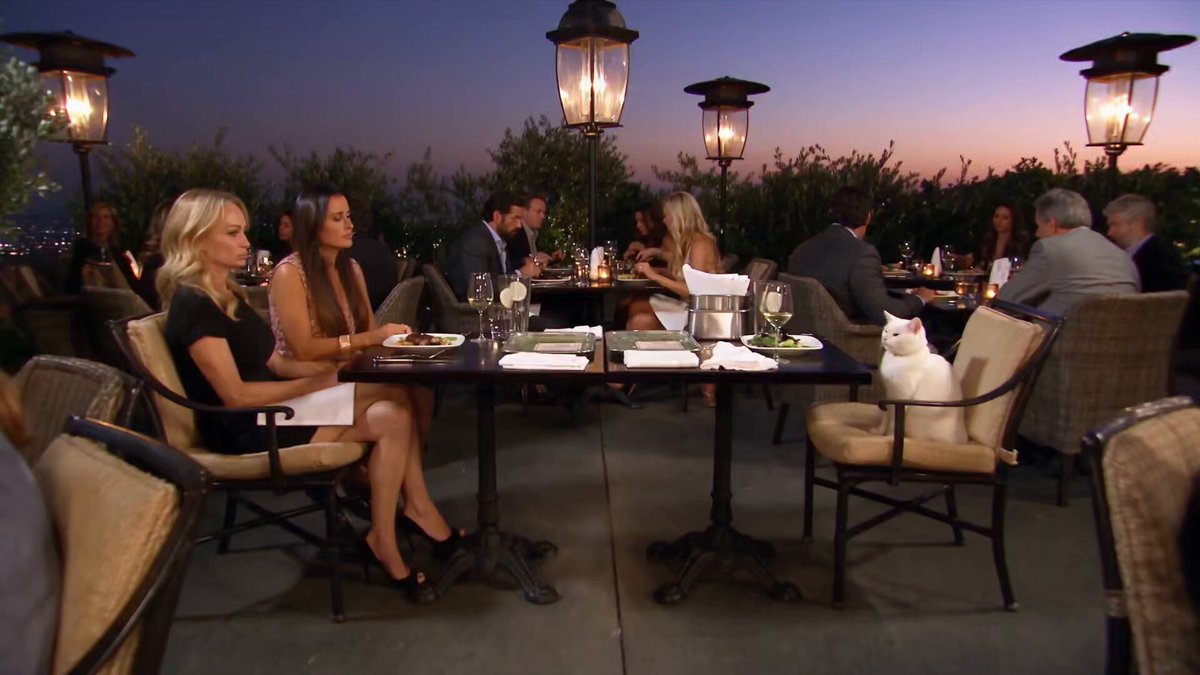
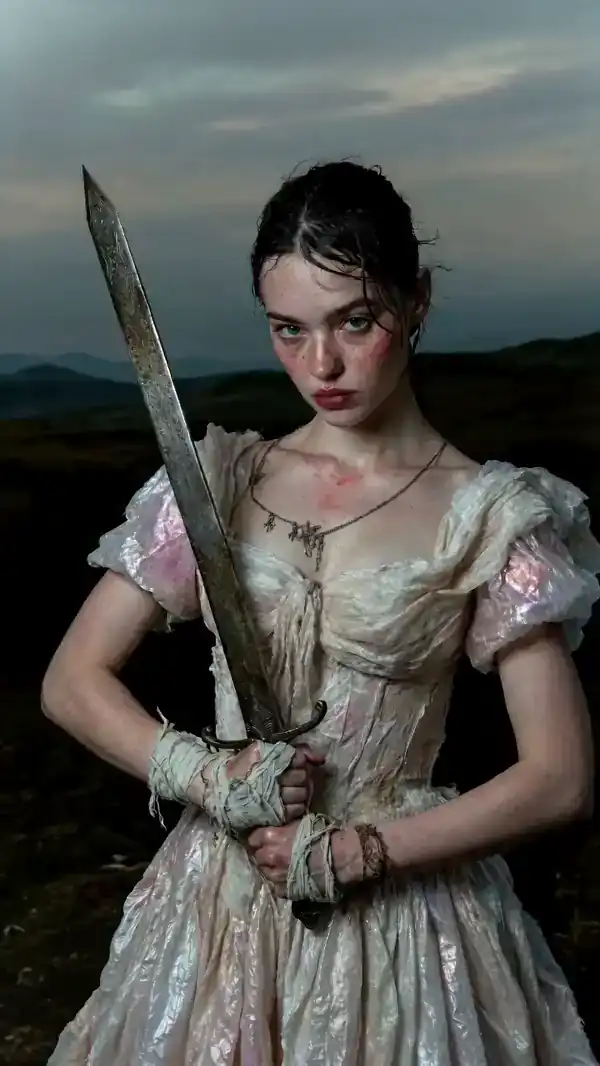
A single still frame holds a promise: the world beyond it is already moving. But turning that promise into an actual animated scene has traditionally required expensive location shoots, lengthy production days, and careful logistics. Generative AI has collapsed that distance. Today, the jump from image to image-driven motion is not an experiment stuffed into a showcase reel — it has become an everyday production tool that independent filmmakers and studios alike reach for when a shot needs to breathe. This guide walks through how image-to-motion workflows work, why positional and temporal consistency matter more than raw resolution, and how to build a repeatable process that survives contact with a real project.
Why the Still Frame Still Comes First
Before a character moves, a world has to be decided. The still image is where every creative call is made: wardrobe, lighting, camera angle, color grade, and mood are all locked in before a single animated frame is produced. Working image-first is not a limitation of the tooling; it is a deliberate creative strategy. It forces decisions to be made early, when changes are cheap, instead of discovering a visual identity halfway through a run of renders.
There is also a practical benefit. A carefully composed base image gives the motion model a strong reference plane, and models that receive a clear, high-quality starting frame tend to produce far more controlled animation than those asked to invent everything from a text prompt alone. The still becomes an anchor, one that prevents the familiar drift toward anamorphic-looking artifacts or characters that subtly change between cuts.
The Core Challenge: Consistency, Not Just Realism
Modern generative models are strikingly capable at producing photorealistic motion. What they are less naturally suited for is keeping the same face, the same costume, and the same environment stable across many frames, then keeping those elements stable across an entire sequence of independently generated scenes. This is the problem that separates demo clips from finished shorts.
The tension is spatial and temporal at the same time. Spatially, a character must read as the same person wherever they appear in the frame, with lighting that matches the scene rather than shifting arbitrarily. Temporally, motion must flow between frames without the model reinventing the subject's features at each keyframe. Models that solve both dimensions at once feel radically more professional than those that merely generate impressive single frames.
Anchoring a Character With Reference Fusion
The most effective practical technique for enforcing character and setting consistency is reference-based fusion. Instead of asking a model to generate a fresh subject from scratch each time, you supply one or more reference images and treat them as non-negotiable constraints. The model's job becomes animation within those constraints rather than open-ended invention.
This changes the production workflow for the better. Create a strong hero image once, at full quality, and reuse it across every scene in which that character or location needs to appear. Subsequent clips inherit the look automatically, and the team spends its time on staging and motion rather than on repairing identity drift. It is the generative equivalent of a consistent actor, a continuity supervisor, and a dedicated colorist rolled into one lightweight step.
Matching the Model to the Scene
Not every scene benefits from the same model, and one of the quiet advantages of working in this field today is the range of options. Premium, high-fidelity models shine when a project demands near-photoreal skin, fabric, and environmental detail. They are the right choice for hero shots, product visualizations, and moments where the audience will inspect the frame closely.
Budget-friendly models, on the other hand, are excellent for iteration. When a team is still exploring a mood or blocking out a sequence, cheap and fast renders allow them to test many ideas before committing to the more expensive passes. Pairing an inexpensive exploration phase with a premium final phase keeps the total cost of creativity low without sacrificing final quality. The trick is knowing which phase is which.
Controlling Time and Space Beyond the Start and End
A common early mistake is to think of an image-to-video tool as something that only interpolates between a fixed first and last frame. The interesting control surfaces are deeper. Camera movement, pacing, and rhythm all respond to structured input, giving a shot a sense of intention rather than the flat output of a generic animation.
Classic film language translates directly into prompt-level controls. A push-in conveys tension, a slow dolly suggests reflection, and a whip cut or timed camera motion contributes rhythm. Thinking in terms of shots and edits, rather than simply "animate this picture," is what turns a source image into storytelling. Teams that plan the shot list before they prompt get far more usable footage, because every render already arrives with a dramatic purpose.
From Single Image to a Coherent Scene
The real payoff of disciplined consistency work comes when isolated clips stack into a coherent sequence. If every shot of a character agrees on look, costume, light, and space, the separate renders begin to read as scenes from one production rather than a loose collection of experiments. This is the difference between assembling clips and editing a film.
To get there, establish a small set of canonical references at the start of a project. Keep wardrobe, palette, and camera language consistent across scenes by reusing the same anchors, then adjust only the elements that legitimately change from shot to shot. Scenes that share a location should share a reference; scenes that revisit a character should share a face. Discipline at the setup stage is what makes the rest of the pipeline feel effortless.
Applying the Workflow Without a Large Team
None of this requires an in-house AI research lab. A pragmatic workflow can be assembled with a handful of tools and a few habits. Begin every sequence by locking the hero image and its seed. Then render quick test passes to verify stability before committing to the final resolution, and only then scale up to the premium model for the actual scenes that will be used.
Maintain a small archive of successful references and their prompts. As projects accumulate, this archive becomes a personal continuity library, dramatically cutting setup time for each new production. Finally, keep the motion language consistent by defining a few reusable camera and pacing instructions per project. Filmmakers who treat consistency as a planned asset rather than an afterthought consistently outpace those who prompt reactively.
Frequently Asked Questions
Do I need a separate tool for every stage?
No. A capable image-to-motion tool combined with a reference-fusion workflow covers most needs. A companion image editor for the hero frame and a standard editor for assembly is usually enough.
How do I keep the same character across scenes?
Supply the same reference image and reuse the same seed. Treat the reference as a continuity constraint, and avoid re-prompting the character's appearance in each scene, since every new description invites drift.
What if a scene needs a different location?
Build a new base image for the new location using the same character reference. That way the world changes while the character stays intact, exactly what a production wants.
Are expensive models always better?
For final hero shots, often yes. For exploring ideas, cheaper models are faster and let the team iterate more. The winning combination is cheap exploration followed by premium finals.
Is this realistic for short-form content too?
Yes. Character and setting consistency is arguably more valuable for short-form series, where audiences see the same faces daily and notice drift instantly. A unified look makes a channel feel like a brand.
How much cleanup is needed between renders?
It depends on how disciplined the setup is. When references and seeds are locked early, cleanup is minimal; when every scene is prompted from scratch, cleanup grows quickly. Managing inputs is the fastest way to shrink post-work.
Designing Motion for a Shot's Emotional Needs
One of the subtler skills in image-to-motion work is matching movement to emotion. A slow, almost imperceptible drift across a hero's room conveys melancholy and reflection, while a rapid dolly into a subject signals urgency and excitement. Before you choose a camera path, name what the frame should make the audience feel, then let the motion reinforce that feeling rather than compete with it.
The same logic applies to subject movement. Hair swaying in a gentle breeze and water rippling across a surface both read as calm and natural; a suddenly distorted, stretched face introduces tension or humor, depending on context. Testing the emotional temperature of different motion choices before committing costs little and reveals a lot. Directors who treat motion as a dramatic tool, rather than an effect to apply after the fact, produce footage that lands far more deliberately.
Balancing Photorealism and Stylization
Not every project wants to look like a filmed scene. Some productions thrive on heavily stylized textures, painterly backgrounds, or abstract color worlds, and the rise of image-to-motion has opened space for all of them. The practical question is which target the model should aim at, and that decision changes more than you might expect about resolution, iteration, and consistency handling.
Photorealistic work rewards fine detail, so higher resolution and careful lighting control matter on almost every pass. Stylized work, by contrast, often tolerates lower resolutions and faster renders, because texture and atmosphere carry the image rather than microscopic realism. Teams that keep both registers in their toolkit gain flexibility without paying for detail they do not need. Matching the tool's default behavior to the aesthetic goal is a quiet but powerful efficiency win.
The Role of Test Passes and Feedback Loops
Baking a strict review step into the workflow pays disproportionate dividends. A handful of short test passes that check identity, motion, and light can catch a wrong direction before it turns into an expensive, unusable render. The feedback loop does not end there: documenting what stalled and what succeeded turns individual lessons into reusable knowledge for the whole team.
This is where a small habit becomes a durable advantage. Save the prompts and settings behind every success, and note the failure modes behind every miss. Six months later, the resulting archive answers questions instantly, spares hours of re-testing, and keeps the visual language of a brand stable even as team members change. Consistency, in other words, is not only a matter of the tool; it is also a matter of memory.
Communicating the Visual Language Across a Crew
Even in small productions, more than one person reads and interprets the references. If a look lives only in one brain, a single absence can stall the whole project. Codifying the visual language into a short, shared document fixes that: the hero reference, the approved palette, the seed, the lighting intent, and the motion rules everyone must follow. It is the production bible, kept deliberately short so it is actually used.
With a shared language in place, handoffs become smooth. An editor, a sound designer, or a new collaborator can step into a project without re-deriving the look from scratch. Disagreements become productive, because everyone argues about the same reference rather than about vague impressions of what the project "feels like." The modest effort of writing it down multiplies into far fewer misunderstandings, and it is precisely this coordination that turns a solo workflow into a team capability.
Closing Thoughts
The transition from a static image to a moving scene was once the most labor-intensive part of a project. Now it is a creative decision made early and refined through reference-fusion, model selection, and careful attention to spatial and temporal consistency. The teams that win are not those with the most impressive demos but those with the most disciplined pipelines. Lock the look, anchor the references, plan the shots, and let the tools translate that intent into motion. The result is filmmaking where the director's vision survives from the first still frame all the way to the final cut.
