
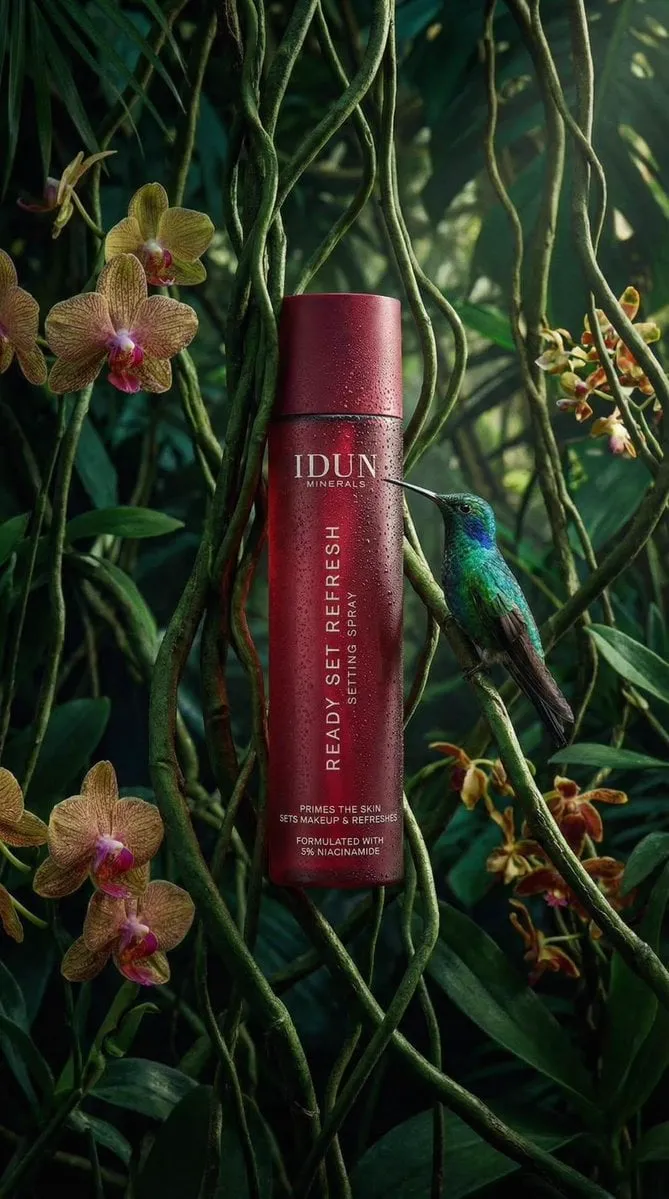
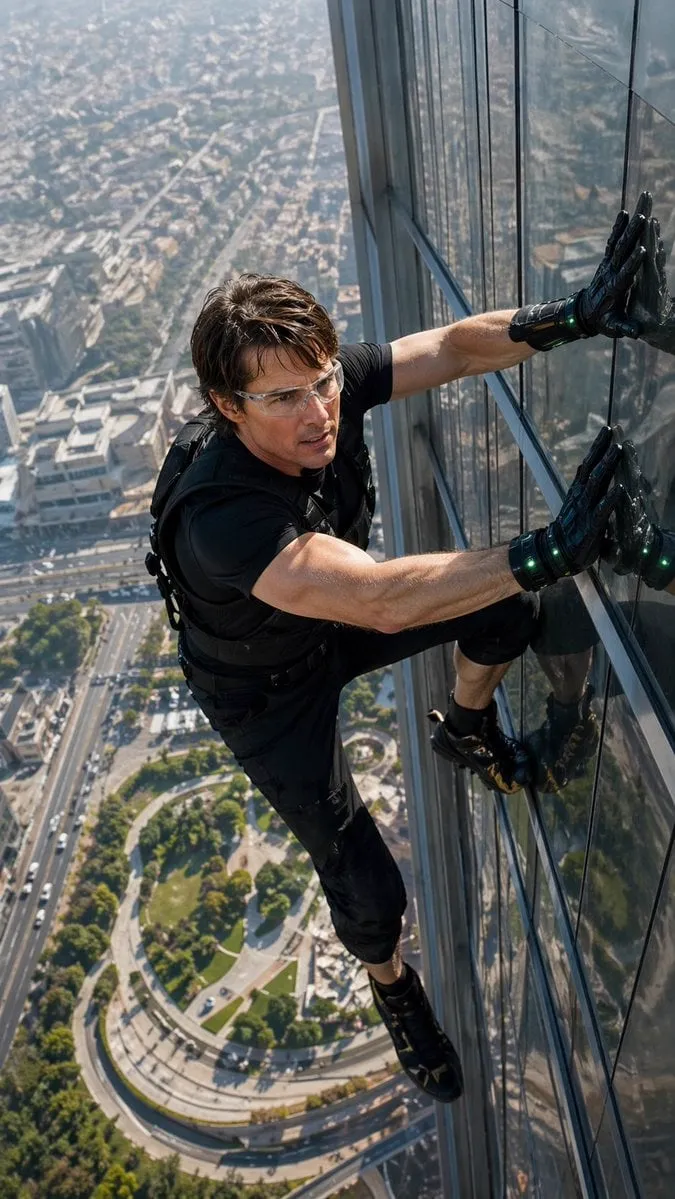
The idea of turning a still image into a moving scene used to be the exclusive domain of animation studios and post-production houses. Today it fits in the palm of your hand, and the quality keeps climbing. Image-to-video generation — feeding a single picture or a handful of reference frames into an AI model and getting back a fluid, lifelike clip — has become one of the most transformative tools in content creation. It collapses the gap between a photographer's composition and a videographer's motion, letting anyone bring a frozen moment to life without learning complex animation software.
This guide is a practical, field-tested walkthrough of image-to-video AI. We will cover how the technology works under the hood, how to choose the right model for your goal, how to keep characters and scenes consistent, and how to fit this into a real creative workflow. Whether you are a designer, a marketer, a filmmaker, or a curious hobbyist, you will find a clear path from a static image to a finished, moving piece of content.
Why image-to-video is such a big deal
For a long time, the default path to an animated scene was either shooting it (expensive, slow, logistically heavy) or animating it (skill-intensive, time-consuming, and not for everyone). Image-to-video removes both bottlenecks. You start with art you already approve — a photograph, a concept sketch, a product shot, a character design — and let the model infer how the world inside that frame would move.
That shift matters for several reasons. It makes motion achievable on a budget, which is huge for small teams and independent creators. It gives designers a way to preview how a static concept feels in motion before committing to a larger production. And it creates a natural anchor for consistency: because the image is the starting point, the model has a concrete reference for what characters, colors, and settings should look like.
Control you did not have before
One of the biggest advantages of image-to-video over purely text-generated video is control. With a text-only prompt, the model imagines the world entirely from your words, and the risk of drifting away from your intent is high. With an image, you have already locked in the look. The model knows the character's face, the lighting, the wardrobe, and the environment. Your job is to direct the motion, not to re-imagine the scene from nothing.
How the technology actually works
Beneath the surface, image-to-video relies on generative models trained on vast amounts of footage to learn how images evolve over time. The most common foundation is a diffusion-based approach: the model starts with your image plus noise, and over many steps "denoises" it forward in time to produce a sequence of frames that follows a plausible motion path. Modern systems often combine this with transformer-style attention, which helps the model keep track of spatial relationships and temporal continuity.
In practical terms, your image acts as an anchor. The model is conditioned on it, meaning every generated frame is pulled toward matching the visual identity of your input. This is what lets two different models produce very different interpretations of the same image: the anchors are identical, but each model's sense of "plausible motion" and "artistic style" differs.
What the model is inferring
When you generate video from an image, the model is doing far more than moving pixels. It is inferring the physical properties of the scene — how fabric drapes, how hair moves, how light behaves on curved surfaces. It is deciding what the camera should do, whether to pan, zoom, or stay still. And it is imagining the next moment: what happens just after the frame you captured. That act of inference is exactly where quality differences between models appear.
Choosing the right tool for your goal
The image-to-video landscape is full of capable options, and they are not interchangeable. The best choice depends on what you are trying to make. Let's look at how to map common goals to the right kind of model.
When you need photographic realism
If your image is a real photograph or a photoreal render and the goal is a convincing moving scene, prioritize models known for physical accuracy. These models handle lighting, shadows, and surface detail well, and they produce clips that feel like actual footage. This is the right approach for product visualization, architectural walkthroughs, and realistic promotional content.
When you want a stylized or animated look
If your image is an illustration, a character design, or a concept piece with a deliberate artistic style, choose a model that respects that style rather than overwriting it. Many contemporary models have learned to preserve painterly or animated aesthetics, letting you animate a drawing without turning it into a photograph. Look for tools that advertise style preservation and test them with your own art, since the way each model interprets "style" can vary.
When speed matters more than polish
For iteration and first-pass exploration, models optimized for fast generation are invaluable. You can test dozens of motion ideas quickly, find the ones worth refining, and only then invest in more expensive, higher-fidelity generation for the final clips. A fast-first workflow saves time and budget without sacrificing final quality, because you never spend premium compute on shots you will discard.
Keeping characters and scenes consistent
Consistency is the single most important skill in image-to-video work. Audiences are unkind to characters whose faces change between shots, and a beautiful clip loses its power if the viewer suspects they are looking at a different scene. The image anchor helps enormously, but you still need a strategy to stay coherent across multiple clips.
Use reference frames consistently
When a project involves several shots of the same character or setting, feed the model consistent reference frames. If you have multiple views of a character from different angles, provide those as inputs so the model knows the character looks the same from various positions. Some advanced systems support multi-image fusion, where several images are combined to define an identity, which dramatically improves cross-shot consistency.
Keep descriptions aligned
When you combine an image with a text prompt, make sure the words reinforce the image rather than fight it. Describe the movement and the mood, and confirm the description matches what is visibly in the frame. Contradictions between the text and the image confuse the model and often produce artifacts. Alignment between what you show and what you say is the cheapest way to buy stability.
Building a repeatable workflow
The most successful image-to-video creators treat generation as part of a structured process, not as a one-off trick. Here is a workflow that works across projects regardless of style or model.
Start by curating your input image. The better the still, the better the motion — a well-composed, well-lit image animates more convincingly than a muddy one. Next, write a focused motion brief: what happens, what the camera does, what mood the clip should carry. Keep it short and specific. Then run a low-cost iteration pass, generating a few quick versions to see which movement reads best. Choose the strongest candidate and refine it with a higher-fidelity generation.
Finally, move into post-production. Tighten the edit, add audio, apply grade and captions, and integrate the clip with the rest of your content. The AI does not eliminate editing; it changes where the creative work begins. You spend less time starting from a blank frame and more time shaping raw material into the intended message.
Managing expectations
Not every generation succeeds on the first pass. Motion artifacts, odd physics, and occasional style drift still happen, especially in complex scenes. Build retries and lateral thinking into your workflow. When a shot fails, the answer is often not a minor tweak but a rethink of the prompt or even the input image. Give yourself room to iterate instead of expecting perfection immediately.
Practical tips for better results
Here are a few lessons drawn from hands-on use that make a consistent difference.
First, honor the image's composition. The model will preserve the broad structure, so if the composition is cluttered, the video will inherit that clutter. Simplify your reference where possible. Second, be generous with detail in describing motion but sparse with contradiction — say what should happen, not what should not. Third, use camera language in your prompts: words like "slow push-in," "sweeping pan," or "handheld" guide the model toward intentional camera behavior instead of random drift.
Fourth, keep a library of successful reference images and prompts. Over time you will build a personal collection of what works for your style, and you will be able to produce consistent results faster. Fifth, never skip the review pass. Watch every clip with fresh eyes for continuity errors before you commit it to a larger project.
Common problems and how to solve them
Faces and hands distorting in motion. This is one of the most common artifacts. Reduce the amount of motion in the prompt, or use a character reference that shows the face clearly. Reproducing the shot often helps more than micro-tweaking the text.
Style drifting away from the source image. Recheck whether your text prompt is pulling toward a different look. Simplify the description to reinforce the image's aesthetic, and make sure the model you chose actually preserves style.
Objects moving unnaturally fast or floating. Ground the scene physically. Describe contact with surfaces, gravity, and realistic speeds. If a heavy object appears weightless, the model's sense of physics is off, and a clearer physical description usually steers it right.
Generations that take too long or cost too much. Use a fast, cheap model for exploration and reserve expensive generation for final selections. Limit the number of full-res attempts by doing broad tests first.
Questions people often ask
Can I animate a real photograph effectively? Yes. Real photos animate well, especially scenes with identifiable motion cues like moving hair, rippling water, or swaying foliage. Keep the motion realistic to the scene to avoid uncanny outcomes.
Does a single image limit the length of the video? Longer clips often need more support. Combining several reference frames or using multi-image fusion can help sustain coherence over longer durations. Purely single-image generation is best suited to shorter shots.
Do I need to know how to animate? No. The whole point of image-to-video is that you direct motion through a prompt rather than frame-by-frame animation. That said, a basic sense of composition and camera language improves results.
Is the output usable in professional projects? Increasingly, yes. With careful model choice, consistent references, and solid post-production, image-to-video produces clips that hold up in real campaigns, trailers, and social content.
The future of image-to-video
The pace of progress is remarkable. Each generation of models gets better at physical plausibility, style preservation, and cross-shot consistency, and the barrier to quality output keeps lowering. What was once a novelty is becoming a standard ingredient of creative production, and the creators who learn the craft now will have a lasting advantage.
The key is not to chase whichever tool is newest, but to build a solid understanding of how these models behave and to design workflows that play to their strengths. Master the input image, master the motion brief, and master consistency, and you will be able to bring any still image to life with confidence.
Final thoughts
Image-to-video AI has quietly become one of the most satisfying creative tools available. It honors the composition and art you already love, then adds the dimension of time. It is fast, affordable, and genuinely capable, and it is already reshaping how designers, marketers, and filmmakers bring ideas to life.
Whether you are turning a product shot into a promo, animating a character sketch, or previewing a scene for a larger production, the fundamental recipe is the same: start with an image you believe in, direct the motion with intent, and refine with patience. Master that loop and your ability to create moving stories becomes nearly unlimited.
