

Lego Pixel image processing and style transfer explained
The way we manipulate images is being reinvented at the pixel level. A new architectural philosophy, sometimes called Lego Pixel, treats an image not as one monolithic block but as a flexible assembly of modular, independently controllable pieces — just like building with toy bricks. This modularity is changing how style transfer and image editing work, and it is quietly becoming a foundation for modern creative tools.
This article is a practical tour of that philosophy. You will learn what pixel-level modular processing means, why it fixes long-standing problems in classic style transfer, how it powers everything from structural preservation to multi-image fusion, and how it eases the jump from still images to video. Whether you are a designer, a developer, or simply curious about how AI images really work, this guide will give you a clear mental model and useful techniques.
Why classic style transfer falls short
Traditional neural style transfer has a famous flaw: it tends to bake the texture of the style image into the whole picture, often at the expense of the underlying structure. You ask for an oil-painting treatment and you get brushstrokes everywhere — including across faces and object edges, where they destroy recognizable form.
The root cause is that these methods manipulate the image as a whole. They learn a global mapping between content and style, then apply it uniformly. There is little concept of "this region is a face, keep it faithful" versus "this region is sky, let the texture run free." As a result, the output can feel style-smeared rather than stylized with intent.
A second issue is inconsistency. Applying the same global transform to different inputs frequently yields unpredictable results, and making a small edit to the content can ripple through the entire image. For real-world creative work, where a designer needs predictable, targeted changes, that unpredictability is a serious handicap. The need for local, focused control is exactly what drove the shift toward modular, pixel-aware approaches.
The modular philosophy behind pixel-level processing
The Lego Pixel architecture inverts the global approach. Rather than treating an image as an indivisible whole, it conceives of visual space as a layered, modular system where local and global style can be controlled independently.
Think of an image as an enormous grid of small, addressable units — "pixels" in the broadest sense — each able to carry local style instructions. Some of those units group into objects: a face, a car body, a region of sky, a stretch of fabric. The system can inject a style onto the fabric while deliberately protecting the face from distortion. It can apply a global mood to the whole scene while keeping a specific product recognizable.
This separation of local and global control is the heart of the concept. Global controls handle the overall look — palette, mood, atmosphere. Local controls handle specific elements — preserve the subject's identity, keep the logo crisp, avoid blurring edges. Because decisions are made at the pixel level instead of once for the whole image, the result is both more faithful and more precise.
The metaphor to bricks is apt: you are not pouring paint over a canvas and hoping for the best. You are placing colored bricks selectively, building your intended result unit by unit. That control is what makes the difference between generic output and deliberate craft.
How pixel-level precision improves style transfer
When you can address pixels individually, the quality of style transfer improves in several measurable ways.
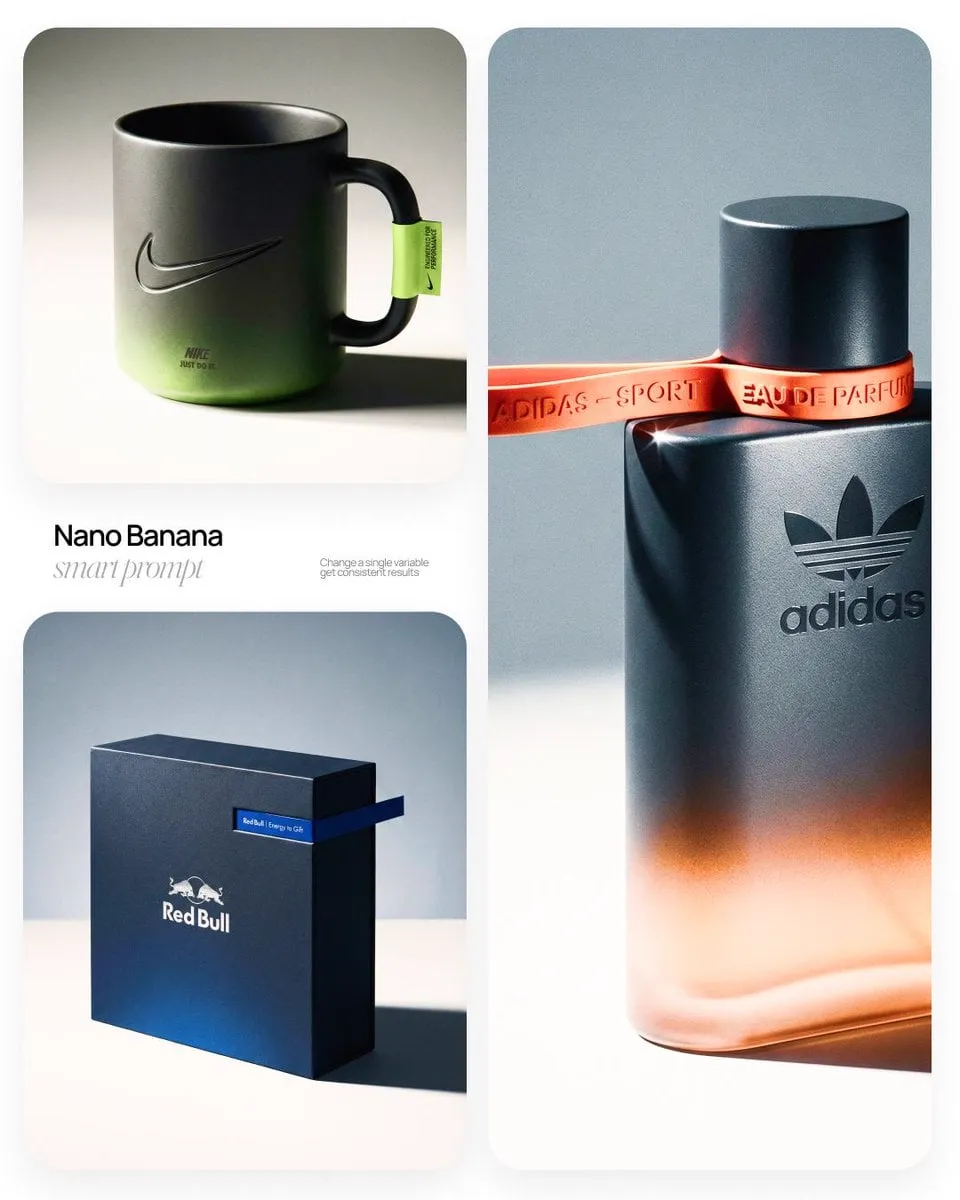
The first is structural preservation. By identifying the boundaries of important objects and protecting them from heavy stylization, the system keeps faces, logos and product shapes intact while still applying the chosen style to the rest of the scene. The result is an image that clearly carries a new aesthetic without losing its identity.
The second is targeted realism. Style can be modulated region by region. A subtle film grain might be appropriate over the whole frame, but a heavy painterly texture should probably spare the protagonist's face. Pixel-aware processing judges per-region needs rather than applying a uniform treatment.
The third is predictability and iteration. Because edits are local, changing one region does not silently corrupt another. A designer can iterate: adjust the treatment of the sky, confirm the subject is untouched, and move on. This aligns the tool with how professional creatives actually work — incrementally and intentionally.
The fourth is efficiency. Modular processing can allocate compute where it matters, leaving plain regions cheap and reserving heavy treatment for areas that need it. The practical benefit is faster iterations and less waste, which scales well for large or high-volume work.
Preserving structure while injecting style
The practical skill here is learning to separate "what must stay" from "what may change." Structure refers to the elements the viewer relies on to recognize the image: shapes, edges, proportion, spatial relationships. Style refers to the aesthetic filter applied on top: texture, color mood, brushwork, lighting.
Good pixel-level processing keeps these two channels from colliding. The system maintains a structural map of the image and a stylistic instruction layer, then composes them so the style enhances rather than overwrites the structure.
For you as a creator, the technique is to be explicit about both channels. When you prompt or configure, name the structural anchors: the subject, the product, the logo, the faces. Then specify how freely the style may range elsewhere. The clearer the boundary between protected structure and stylable regions, the better the final image preserves recognizability while looking thoroughly restyled.
In practice this maps to workflows where a picture gets multiple passes. Try generating a first pass with the style applied broadly to understand the baseline, then a refined pass that carves out protected regions. Iterating in this order gives you both the overall aesthetic and the structural fidelity you need.
Multi-image fusion and consistency optimization
The same modular philosophy extends naturally to fusing several images into one coherent output. When you want to combine a subject from one image with an environment from another and a color grade from a third, naive methods produce jarring composites. Pixel-level thinking offers a better route.
Because the system can reason about regions separately, it can carry identity features from one source into another while adapting them to the new context. The subject's likeness is extracted and anchored; the environment supplies the setting; the color grade sets the mood. Each contribution is treated as a modulable input rather than being averaged together destructively.
This is the machinery behind multi-image fusion and its ability to optimize for consistency. Instead of hoping a merged image looks right, the system aligns the contributing elements so they share the same light, perspective and resolution. For creators, this means you can build complex, layered images from clean, reusable parts — and reuse those parts again to maintain a consistent look across a set of assets.
The payoff shows up across projects: cohesive product shots, consistent character references, and unified visual systems for brands. When each asset is assembled from modular, controllable elements, maintaining a coherent identity across a whole family of images stops being a struggle.
From stills to fluid video
One of the most exciting implications of pixel-aware processing is how naturally it supports the transition from image to video. If a video is essentially a sequence of coherently evolving frames, then being able to reason about and preserve regions frame after frame is exactly what moving pictures need.
Consider animating a character across a few seconds of footage. The modular approach can lock the identity of the subject, keep the background stylized consistently, and let lighting and motion evolve naturally across frames. Because the system tracks regions rather than blurred averages, the subject does not drift or melt between frames — it holds together as the scene moves.
This framewise fluidity is valuable in its own right, and it compounds with other capabilities. Image-to-video workflows that start from a stylized still can preserve that style into motion, turning a single carefully crafted image into an entire animated moment without redoing the aesthetic from scratch.
For creators, the practical takeaway is that investing in pixel-aware still-image tools has a bonus effect: the habits, prompts and reference assets you build for images transfer directly into the world of generated video. The two crafts share a common foundation.
Comparing generative approaches in practice
Not all image-processing models are created equal, and the modular philosophy is not the only one in circulation. Comparing them on your own material is the surest path to good decisions.
One family of approaches prioritizes photorealism and global quality. These tend to produce gorgeous single images and are ideal for cinematic stills, but may offer limited fine control over specific regions. If your project is a standout hero image, this might be the right default.
Another family prioritizes targeted editing and preservation. These excel at the structural-fidelity and multi-image-fusion tasks described above, and are better suited to workflows where you need predictable, region-specific changes across many assets.
A practical tip: define a pair of test images — one subject you must preserve and one style you want to apply — and run the same transformation through each candidate tool. Score the result both on pure aesthetics and on how well the protected structure survived. That single test tells you more than any feature list.
Integrating pixel-aware tools into a creative workflow
Bringing this philosophy into your daily work is about designing a repeatable process around it.
Begin with a clear brief that states which elements are sacred. Without naming your protected structures, the tool has no way to know and may restyle the wrong things. Explicit briefs convert into reliable pipelines.
Use references deliberately. A strong reference for the style and a strong reference for the subject let the modular system separate the two cleanly, rather than guessing from a vague prompt.
Build your assets in stages. Generate or edit in layers: settle the structure first, then apply style, then fuse additional elements. Each stage feeds the next, and iterating at the right stage is faster than regenerating everything.
Finally, reuse your materials. Modular systems reward asset libraries: keep reference images, masks and style presets organized so the same building blocks can be reused across projects, saving enormous time and keeping your body of work consistent.
Common mistakes to avoid
The most common failure is treating the tool as a black box. Feeding it a romantic one-line prompt and expecting the output to respect your product's logo or your character's face is asking for trouble. State your protected regions explicitly.
Another mistake is over-stylization. Applying a heavy texture across everything, including the subject's face, guarantees a surreal mess. Reserve strong stylization for where it belongs and protect the recognizable core.
Skipping the structural map is equally costly. If you do not identify what must stay intact, the system cannot preserve it. Every serious pixel-aware workflow begins by naming the anchors.
Finally, do not judge a tool on a single flashy demonstration. Evaluate it on your own protected subjects and your own style targets. Reputation and viral clips are unreliable guides to how a tool behaves on the specific work you do.
Frequently asked questions
What exactly makes processing "pixel-level"?
It means the system can address and modify small units of the image independently, rather than applying one global transform. This enables local control over different regions.
Is pixel-level style transfer slower than classic methods?
Not necessarily. Modular processing can focus compute where it matters, often making iterations faster and more efficient for real workloads.
Can this technique protect logos and faces from distortion?
Yes. By identifying protected structures and keeping them separate from the style layer, the system can preserve recognizable elements while styling the rest.
Does the approach work for video as well as stills?
It transfers well. Reasoning about regions frame after frame is exactly what generated video needs to keep subjects stable and coherent in motion.
Do I need engineering skills to benefit?
No. Most tools expose this through simple controls for protected regions and style intensity. Understanding the philosophy mainly helps you use those controls more deliberately.
Conclusion
The Lego Pixel philosophy reframes image manipulation as a modular craft rather than a blunt global transform. By controlling style at the pixel level and preserving the structure that makes an image recognizable, it solves the fidelity problems that frustrated classic style transfer and opens the door to sophisticated multi-image fusion and coherent video.
For creators, the opportunity is practical: build explicit briefs that name protected structures, use references to separate subject from style, assemble assets in layers, and reuse your modular building blocks across projects. These habits convert a powerful architectural idea into everyday results. As image and video tools converge, mastering this foundation now positions you to make the most of everything that comes next.
