

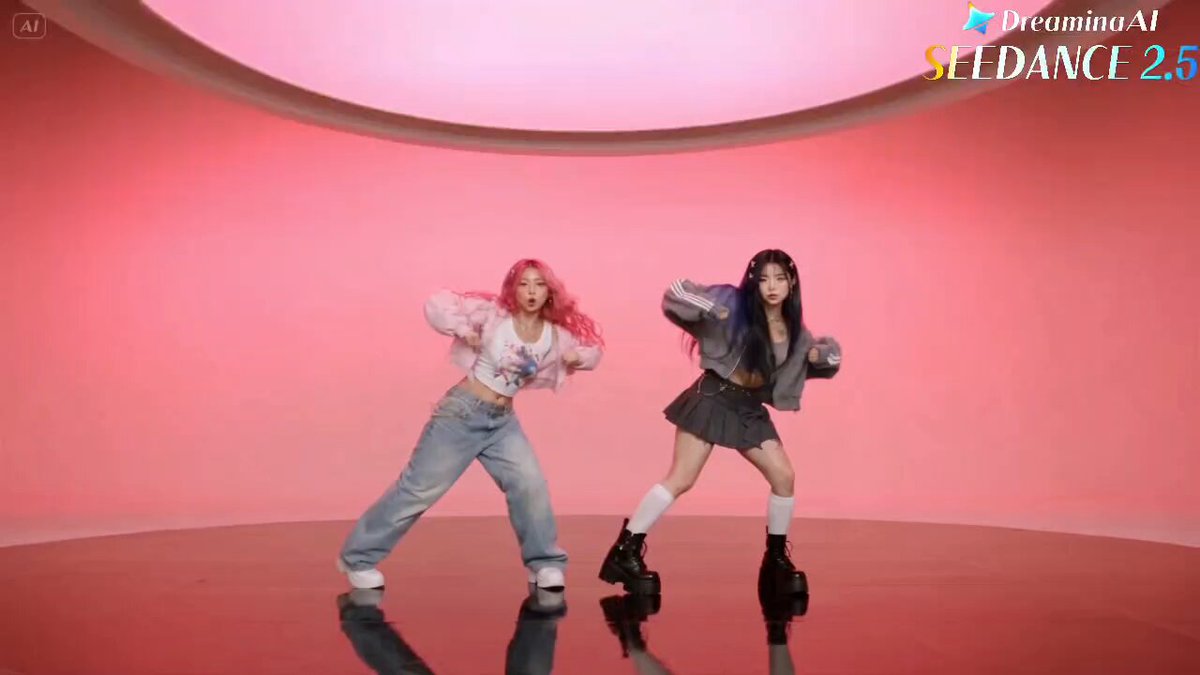
Short-form video has become the center of gravity for almost every social strategy. On Instagram Reels and TikTok, a few seconds decide whether a viewer keeps watching or scrolls past you forever. The platforms are saturated, competition is fierce, yet opportunity remains for creators who understand how attention actually works. This guide breaks down the mechanics of engagement for short video and gives you a practical playbook for holding viewers, working with the algorithm, and producing consistently without burning out.
Why the First Three Seconds Decide Everything
In short-form video, the opening is not a formality; it is the entire battle. A viewer scrolling through an endless feed grants you a handful of seconds to prove that your content is worth their time. That window is often called the hook, and it is the single highest-leverage element you can control.
A strong hook works in one of three ways: it raises a question the viewer wants answered, it promises a striking or surprising outcome, or it signals a familiar pattern the viewer already enjoys. What it must never do is start slow. Warm-up sentences, long introductions, and generic openers are wasted seconds, and in short video, wasted seconds are dead viewers.
Question hooks
Open with a curiosity gap: "Here is the trick most editors will not tell you." The viewer stays to close the gap.
Result hooks
Show or tease the finished outcome in the first frame: a dramatic reveal, a satisfying transformation, an impressive final shot.
Pattern hooks
Signal a format the viewer already loves: "step-by-step," "before and after," "three mistakes you keep making." Familiar signals lower the barrier to watching.
The same video can combine these, but anchor on one. A hook that tries to be everything usually ends up being nothing.
Holding Attention Through Pacing and Rhythm
Once you have earned the first seconds, the job becomes keeping the viewer to the end. Pacing is the tool. Short videos need a visible rhythm: a beat every couple of seconds, a change in shot or text or volume, a reason to keep the eyes on screen.
Cut on the beat
Align cuts with the music or a continuous text rhythm. Erratic timing reads as amateur; consistent rhythm reads as polish.
Change the frame
Long single-shot takes lose people. Move the camera, switch angles, or zoom to punctuate each point.
Keep it tight
Every sentence and every shot should carry the idea forward. If a line does not earn its place, cut it. In short video, brevity is a feature, not a limitation.
Use the capping pattern
A payoff near the end reopens your hook and leaves the viewer satisfied. Connect the ending to the promise you made in the first three seconds.
Rhythm is subjective, so test. Post a version, check the retention curve in the platform analytics, and see exactly where viewers drop. That data is your best editor.
The CTA That Actually Works
A call to action is often bolted on as an afterthought, but when done well it is part of the content itself. The mistake is treating the CTA as a generic "like and subscribe" tagged at the end. In short video, the most effective calls are contextual, specific, and frequently placed before the final five seconds.
Be specific
Instead of "follow for more," say "follow for the second part of this tutorial" or "save this for your next shoot." Specificity gives the viewer a reason.
Place it where it lands
Put the main CTA with a visible beat of dead air or a text overlay, so it arrives cleanly rather than buried in motion.
Offer a reason to act
People need a benefit: "comment your niche and I will make part two," "tag a friend who needs this." The action should feel like it serves the viewer.
A well-placed CTA does more for your growth than a hundred generic asks, because it invites participation instead of demanding a favor.
Working With the Algorithm: Metadata and Signals
The recommendations that surface your video are built on a mix of engagement signals and content understanding. You cannot control the algorithm completely, but you can give it the right information.
Use the caption and text
On-screen text, captions, and the caption in the post all help platforms understand what your video is about. Complete, descriptive text widens the audience the algorithm can route to.
Ride active sounds and formats
Sounds and effects that are trending are being actively promoted by the platform. Using them slots you into a wave of interest.
Respect the completion value
Watch time and rewatches are strong signals. Content that is satisfying to rewatch, such as a tight loop or a fast reveal that benefits from a second look, tends to earn extra distribution.
The algorithm is not an enemy; it is a distribution system that rewards content that keeps people watching. Optimize for the behaviors it measures, and it works for you.
Using AI to Keep Quality and Output Consistent
Consistency of output is the invisible workload of a serious creator. Posting regularly matters, but only if the quality stays high across every video. This is where AI tools earn their keep: they handle the repetitive, technical parts of a short-form pipeline while you concentrate on the ideas and the voice.
Consistent visuals
Reference-based tools hold a color palette or a brand look steady across many videos, so your feed reads as one coherent identity.
Fast iteration
Draft thumbnails, background plates, and edits can be generated quickly, letting you test several versions before committing.
Transcription and subtitles
Automatic captioning improves accessibility, holds attention on muted feeds, and directly feeds the platform's understanding of your content.
The point is not to replace your creative judgment but to remove the grind that would otherwise make regular posting unsustainable.
Using Data to Improve, Not to Second-Guess
Short video rewards rapid learning. Each post gives you a set of metrics: retention, completion, shares, saves, and comments. The creators who improve fast are the ones who treat these numbers as feedback, not as a scorecard for their worth.
Watch the retention curve
A steep early drop means the hook failed. Late drop means the payoff was weak. That is actionable in your next video.
Compare formats
Note what format, subject, or sound consistently outperforms. Double down on it.
Iterate quickly
Do not obsess over one video that flops. Use the lesson, post again, and test the next hypothesis. Volume of deliberate experiments is what builds skill.
Establish a simple loop: publish, study the metrics, adjust the next brief. Over a few weeks, this compounding process moves your average quality far more than any single brilliant video.
Building a Sustainable Publishing Routine
Short-form success is a volume game, but sustainable volume comes from a system, not from willpower. Create a repeatable production flow so that posting several times a week is the easy default, not a heroic effort.
- Batch your ideas: keep a running list of hooks and formats you want to test.
- Standardize the edit: lock a template for captions, transitions, and sound so each video is a variation, not a rebuild.
- Plan around your niche: play to the subjects where you already have authority.
- Show up on a schedule: consistency builds your audience's expectation and your own momentum.
The creators who last in short video are not the most talented; they are the most systematic. A reliable loop that produces solid videos regularly will, over time, outperform sporadic bursts of brilliance.
Frequently Asked Questions
How long should my short video be?
Long enough to deliver the payoff, short enough to hold attention. Many successful formats run under a minute; some win at 15 seconds. Let the retention data, not your own length preference, decide.
Do I need to be on every platform?
No. Master one platform well before expanding. The mechanics differ enough, and a single strong channel beats two neglected ones.
How often should I post?
Consistently enough to stay top-of-mind, but never so often that quality suffers. A sustainable cadence that you can maintain for months beats a sprint that ends after two weeks.
What if my first ten videos get no views?
That is normal and useful data. Review the retention curves, adjust the hooks, and keep testing. Commitment past the early grind is the main predictor of eventual traction.
Short-form video rewards creators who respect the audience's attention. Earn the first seconds with a real hook, hold interest with rhythm and pacing, give the algorithm the signals it needs, and build a system you can sustain. Do those four things consistently, and the engagement will follow.
