

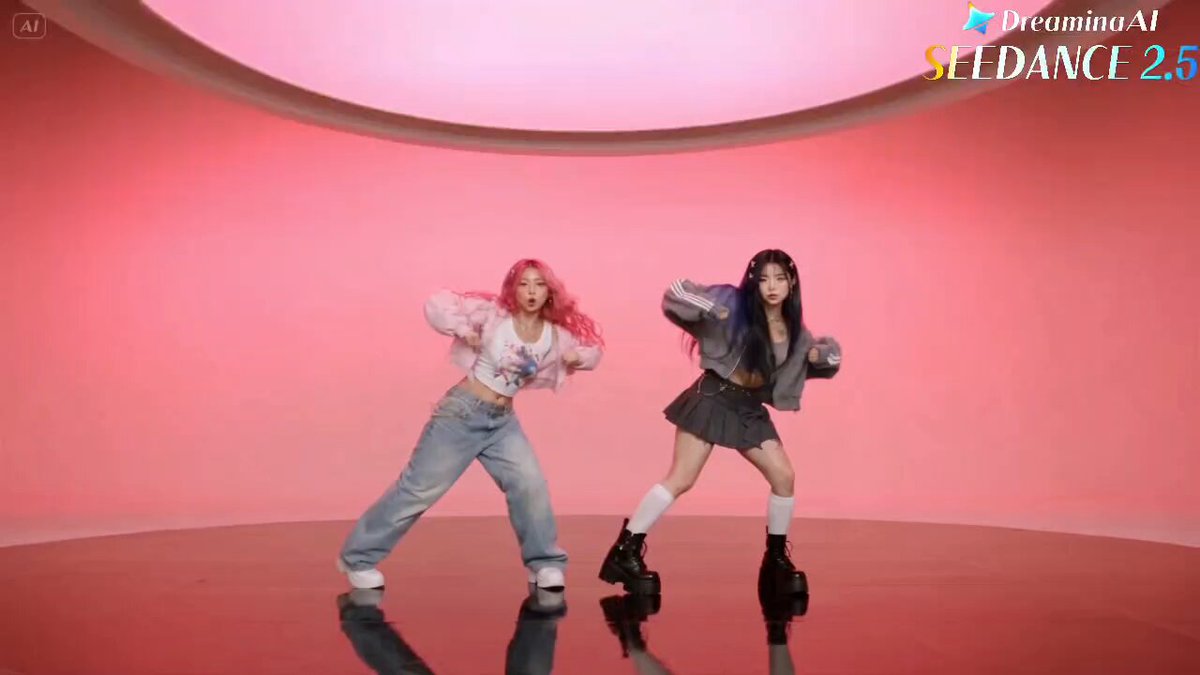


If you have ever posted a TikTok and watched it quietly sink into the feed, you know the feeling. You did everything you thought mattered: you filmed in good light, added trending audio, wrote a punchy caption. And still, nothing. Then someone posts a near-identical idea shot on a phone in two minutes, and it pulls hundreds of thousands of views.
The truth is that going viral on TikTok is less about luck and more about understanding the invisible rules the platform rewards. These rules shift all the time, and what worked six months ago can feel ancient today. This guide walks through the newest TikTok trends, the mechanics of the recommendation engine, and the concrete production habits that give a clip a real shot at reaching people well beyond your follower list.
Why the Rules Keep Changing
TikTok does not care about your follower count the way older social networks did. Its entire product is built around matching content to people who have never heard of you. That is both freeing and demanding. Because the algorithm samples a small audience first, every video competes on its own merits rather than riding on your existing audience.
This creates a fast-moving loop. Creators chase whatever is currently performing well, the platform notices the pattern, and the bar keeps rising. The result is a landscape where novelty, timing, and genuine engagement matter more than production budget. The good news is that anyone can enter the game. The challenge is that you have to earn distribution every time you post.
Understanding the current state of short-form video also means understanding where attention actually lives. People scroll quickly, make split-second judgments, and decide within a second or two whether to keep watching. Your job is not to make "content" in the generic sense. It is to make something that interrupts the scroll long enough to earn a view, a watch, and eventually a share.
The Hook Is Everything
The first two to three seconds of your video decide almost everything. If you lose someone there, no amount of great editing later will bring them back. The recommendation system reads engagement signals, and a video that is swiped past in the first second gets treated as low quality regardless of how good the middle is.
A strong hook does not have to be loud. It just has to create a small loop of curiosity that closes quickly. Common hooks that work well include stating a surprising fact, posing a question the viewer probably has, showing the payoff at the very start, or opening mid-action so the audience has to watch to understand context.
Try structuring your opening as a promise. Instead of starting with "here is a tip," open with the result first: "This one setting doubled my completion rate" or "Nobody talks about this mistake in short-form editing." The viewer should have an immediate sense of what they will get and why it is worth their next few seconds.
Avoid generic cold opens like waving at the camera or a slow fade from a black screen. Every frame in those early seconds is expensive. Make them count.
Watch Time Over Views
TikTok's algorithm does not just count plays. It pays close attention to how long people watch and whether they rewatch. Completion rate is a strong signal, but retention across the whole video matters too. A video that holds people for eighty percent of its length is more valuable than one that gets a million quick views and people bounce.
This changes how you plan your videos. Instead of stringing together clip after clip, build a mini narrative arc even in a fifteen-second format. Introduce a problem, show motion toward an answer, and resolve it just before the end. That small sense of progress keeps thumbs off the scroll.
Rewatching is an especially powerful signal. If you can craft a moment people want to see again, the platform treats it as high quality. Slow reveals, satisfying transformations, and any moment that lands as a "wait, play that again" beat all encourage rewatching. You can also deliberately aim for comprehension speed: if a joke or reveal is slightly fast, people will replay it.
Shorter videos are not automatically better, but they are lower risk. A tight thirty seconds that most people finish is stronger than a rambling minute that loses forty percent halfway through. Cut anything that does not move the story forward.
Authenticity Versus Polished Production
There is a running tension between looking amateur enough to feel real and polished enough to look intentional. Early TikTok rewarded raw, unpolished clips, and that instinct still holds in many niches. Audiences are sharp at detecting when something feels like an ad or a corporate video trying to disguise itself.
Authenticity does not mean sloppy. It means the content feels human, specific, and unscripted in a way that builds trust. Specific details, real environments, and a distinct point of view all read as authentic even when the framing and sound are clean.
That said, some genres genuinely benefit from high production value. Product showcases, tutorials, and artistry benefit from good lighting and crisp audio. The mistake is hiding behind polish and removing all personality. The best formula is usually a person with a clear opinion, filmed in a natural setting, with enough technical care that the video is comfortable to watch.
AI Production Tools Worth Knowing
The production floor for short-form video has changed dramatically. You no longer need a full editing suite or a camera crew to make something that looks professional. A growing set of AI tools helps with everything from generating b-roll to animated transitions, and understanding them gives you a serious edge.
If you are working from a script, text-to-video generation can produce backgrounds and establishing shots you would never be able to film. Image-to-video tools turn a single still into a short moving clip, which is useful for storytelling and for turning static photography into motion content. Video-to-video tools can restyle existing footage into a new aesthetic, which is great for brand consistency across a series.
More advanced tools now act like a rough director. They can take a written description and decompose it into shots, suggesting framing and camera movement. Some even help keep characters consistent across multiple clips by fusing several reference images together. This is a genuine breakthrough for anyone telling multi-scene stories without a cast.
A practical starter toolkit
You do not need a dozen paid tools to begin. Start with a solid editing app sized for your phone or desktop, an auto-caption tool (TikTok's built-in captions are fine to begin with), and one AI generation tool chosen for the gap you actually hit most often. If you constantly lack b-roll, buy text-to-video. If you reuse the same photography, get an image-to-video tool and learn to animate a single still. If your brand story needs characters who persist across clips, learn multi-reference generation.
The point of a small toolkit is leverage, not abundance. Master one workflow well enough that producing a video becomes a repeatable routine, then add a second workflow. By the time you reach your third or fourth tool, you will make faster, more reliable decisions because you understand what each piece of the pipeline actually contributes.
The key is not to chase every tool. Pick one or two that fill a real gap in your workflow and learn them well. A modest toolkit used consistently beats a wide stack you barely understand.
The Workflows That Beat the Feed
Posting consistently, rather than posting sporadically, is one of the strongest advantages you can give yourself. The platform rewards accounts that establish a rhythm, and consistency also helps you learn from data faster.
A useful weekly rhythm looks something like this. Spend one session reviewing what your last batch of videos did: which hooks kept people watching, which formats overperformed, which topics flopped. Spend another session planning the next set around insights from that review. Then batch-produce several videos in one sitting so you are not staring at a blank screen daily.
Treat your content as a series rather than isolated posts. When audiences recognize a returning format or an ongoing story, they are more likely to follow and to seek out your next post. A signature opening, a recurring character, or a consistent visual style all help build that recognition.
Within each video, pay attention to pacing. Cut pauses out of spoken lines, keep transitions snappy, and make sure every shot earns its place. Short-form audiences have little patience for slow buildups.
Content Formats That Are Working Now
Certain formats consistently outperform the rest, and watching which ones rise in your niche is a reliable early warning of what is about to trend.
Educational micro-documentaries are having a moment. People respond to short, punchy explainers that deliver real value in under a minute. The format is simple: state the topic, tease the insight, deliver it clearly, and end with a takeaway. These work well because they feel worth the viewer's time and are easy to share.
Tutorials with visible, satisfying results are another strong category. Showing the before and after, or building something from nothing, holds attention because the viewer wants to see the transformation complete.
Behind-the-scenes and process content builds trust and relatability. Showing how you work, your setup, or the mistakes you made humanizes the account and creates a connection that drives follows.
Audio-driven trend participation still works, but the smartest creators remix trends rather than copy them wholesale. Put your own twist on a trending sound or format so the content reflects your niche instead of just chasing a viral template.
Measuring the Right Things
Vanity numbers can mislead. A high view count with weak completions may not be as useful as a lower view count with a strong engagement rate. Focus on retention curves for every video. Look for the moment where retention drops sharply, then cut or rework that section next time.
Also watch what happens after the post. Shares and saves signal that people found the content useful enough to revisit or pass along. A high save rate often indicates a video that will keep getting recommended long after it is published.
For growth, watch how much of your reach comes from "For You" versus from followers. A healthy account pulls most of its views from distribution to new people. If your views are mostly your existing followers, your content is not entering new pools and you likely need a stronger hook or a more broadly appealing topic.
FAQ
How often should I post to go viral? Consistency matters more than any single posting frequency. Posting several times a week, on a regular schedule, tends to outperform posting once a month or flooding the feed and then disappearing.
Do hashtags still matter? They matter a little, but they are not the lever they used to be. Use a handful of relevant tags and spend more energy on the hook and topic. The algorithm does most of the categorizing based on content and behavior, not tags.
Should I follow trending audio? Trends can give a boost, but only when the format fits your content. A forced use of a viral sound on an off-topic video rarely helps. Remix trends to fit your niche instead of copying them.
Is longer or shorter better? There is no universal answer. Tight videos that most people finish generally perform better than loose ones that lose viewers early. Match length to the idea and cut ruthlessly.
Why did a good video perform badly? Distribution has a lot of variance. Creativity and quality raise the odds, but the initial sample the algorithm draws can be unfavorable. Posting consistently and learning from retention data is the main way to even out the variance.
Putting It Together
Going viral on TikTok is not a magic trick, but it is also not random. It comes down to respecting the attention economy: open with a hook that stops the scroll, hold interest through a tight structure, stay authentic, and use modern production tools to fill the gaps you cannot film by hand.
Build a review habit so every post teaches you something. Let your topics and formats evolve with what the data and the feed tell you. Keep the focus on retention, sharing, and saving rather than raw face-value views.
The feed changes all the time, but the fundamentals do not. If you can earn a few seconds of attention and give people a reason to watch to the end, you are already ahead of most posters.
