
Photorealism in AI video is no longer a distant goal. In 2025, generative AI has reached the point where a single high-quality still image can be extended into a moving scene that holds its detail, its lighting, and its subject across every frame. This guide explains the principles that make image-and-video combination work, the technical foundations behind it, and how creators can put it to practical use for marketing, education, and entertainment projects.
Before you invest in tools, it is worth being clear about what you are actually trying to achieve. A photorealistic image-to-video pipeline serves three broad use cases, and each one rewards a slightly different setup. In marketing, the goal is product coherence: the same product must look identical in every shot of a campaign, from a close-up of the label to a lifestyle scene, so that the brand stays recognizable. In education, the goal is explainability: a consistent visual explanation of a system, a process, or a place that the learner can follow without confusion. In entertainment, the goal is world-building: a coherent set, character, and mood that returns episode after episode so the audience can suspend disbelief. Decide which of these you are optimizing before you choose a single tool, because the answer changes your reference strategy and your model selection.
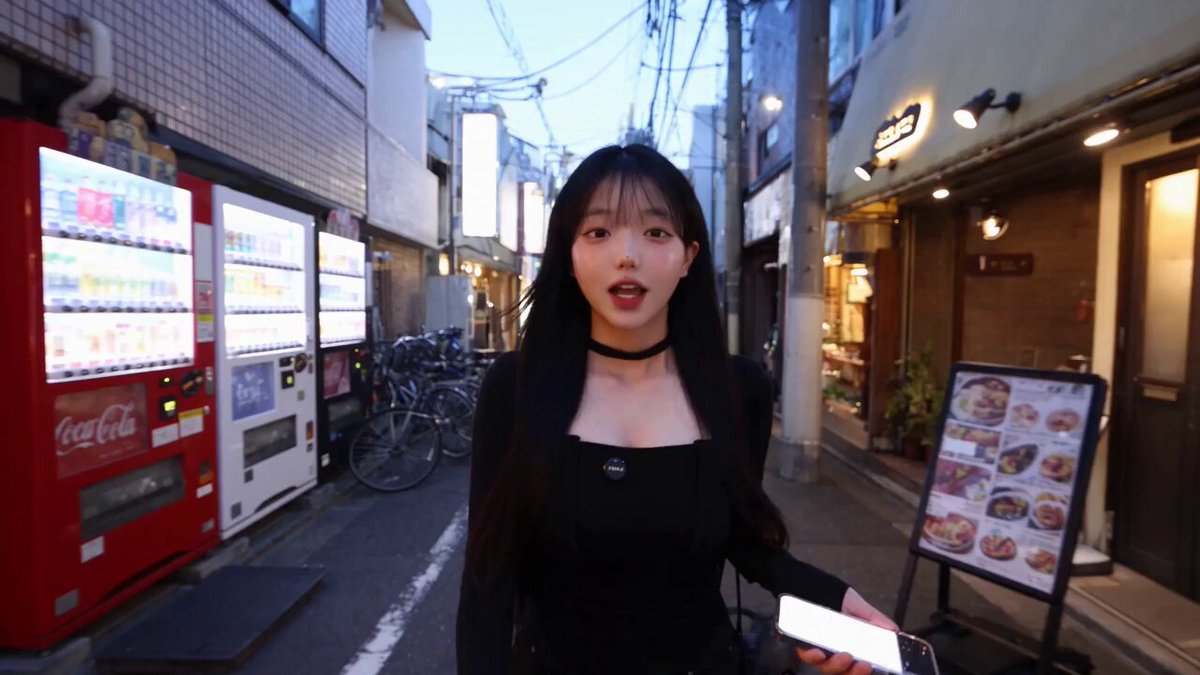
The clearest way to see the change is to try two generations side by side. Ask one tool for a text-only scene of a person walking through a sunlit street, and ask another tool to animate a specific photograph of a specific person doing the same thing. The text-only clip invents a plausible but generic person. The image-based clip keeps the photograph's exact face, exact clothes, and exact lighting while adding believable motion. That difference, durability of identity through movement, is what photorealism has finally cracked.
What photorealism really means in a moving image
Reaching the peak of photorealism is about more than visual fidelity. It means producing dynamic content that is both realistic and consistent, in a way that can sometimes exceed what the human eye expects from a generated sequence. A photorealistic video does not just look good in a single frame; it holds together as an object moving through time.
Two things must fuse perfectly. The first is the high quality of a static image: the sharpness, the texture, the lighting. The second is the temporal consistency of video, where objects do not shimmer, disappear, or change appearance between frames. Neither alone is enough. That combination is the engineering challenge at the heart of modern image-to-video tools.
Why this matters in 2025
Short-form and vertical content dominate how audiences consume media, and the shift toward AI-generated imagery changed what feels like a baseline of quality. Audiences have become harder to impress with static compositions. They expect motion, narrative, and a coherent world.
Generative video also changes the economics of production. What once took a full shoot can now be prototyped from a single concept image. Teams can explore multiple visual directions cheaply before committing budget. For independent creators, that means cinematic-quality output without a crew, a set, or a studio. It is a genuinely democratizing shift, and it is why so much energy is pouring into this corner of the field.
The technical foundation: keeping consistency across time and space
The core problem in image-to-video is temporal consistency. Motion vectors and stability within the latent space matter far more than per-frame rendering. Modern models model the time dimension explicitly, which is why they are able to keep identity and lighting stable over long sequences.
Architecture and temporal modeling
The strongest architectures treat time as a first-class dimension rather than a sequence of independent stills. They learn how pixels should move between frames, which prevents the jumping, flickering artifacts that plague older tools. When you prompt with a clear description of motion, the best models translate that into a physically coherent movement over time.
The image-to-video challenge
Converting a high-quality still into a natural dynamic scene is genuinely difficult. The tool must preserve the detail of the input image while injecting new, believable motion. The hardest parts are keeping fine textures intact during movement and ensuring that light sources and shadows stay consistent from frame to frame. Good tools solve this with modules dedicated to restoring high-frequency information and keeping detail stable while motion is added.
Using multimodal inputs
Photorealism is improved when you give the model more than text. Supplying reference images of a character, a location, or a product gives the generator concrete anchors. Instead of inventing a face from scratch in every shot, the model can keep the same face through an entire sequence. That single change transforms the believability of narrative work, and it is the cheapest lever you have for improving consistency.
Choosing the right model for the result you need
Not every project needs the same model. The practical approach is to categorize your needs and match the tool to the task.
Premium models for hero output
The highest-fidelity models produce studio-grade footage with strong control over lighting, lens, and motion. They are ideal for hero shots, product launches, and anything where a single frame must be genuinely excellent. They cost more and take longer, so use them where the payoff justifies the spend.
Dynamic and efficient models
Faster and more affordable models handle exploration, drafts, and large batches well. They may trade a little polish for speed, but their ability to produce many variations quickly makes them invaluable for testing ideas and for content that requires volume over peak fidelity.
Specialized and fusion models
Specialized models and fusion techniques solve specific problems, most notably character consistency across scenes. For series content, branded assets, and narratives where a subject must reappear, these tools keep the visual language coherent across episodes.
A decision framework for model selection
When you face a new project, walk through a short series of questions before generating anything.
- Does a single frame of this project need to stand alone as excellent? Then start with a premium model.
- Do I need to explore many directions quickly? Then run a fast model first and escalate to premium only for the winner.
- Must a subject reappear identically across many shots? Then plan reference imagery and a continuity model from the start.
- Does style matter more than motion? Then prioritize a model with strong style fidelity and transfer.
Writing down your answers before you touch a tool keeps you from defaulting to the same model every time, which is the most common reason quality plateaus.
Building a photorealistic pipeline
A reliable workflow combines these pieces into a repeatable process.
- Generate or source a strong reference image. It is the anchor for everything downstream.
- Define the motion you need in a clear prompt: direction, speed, camera feel, and what should change.
- Choose a model matched to the shot: premium for hero, fast for drafts, specialized for continuity.
- Generate multiple takes and evaluate them against your reference, not in isolation.
- Iterate on the prompt and the inputs until duration, detail, and movement all hold.
- Add sound last, once the picture is stable.
The discipline that matters most is reviewing output as a sequence and not as a gallery of stills. A single gorgeous frame tells you nothing about whether the scene holds together. Watch the motion, watch the identity, and watch the lighting across the whole clip.
The creator economy and monetization
Photorealistic content has direct commercial value. Brands need coherent product footage across campaigns. Educators need consistent visual explanations. Entertainers need worlds that return episode after episode. Each of these rewards the same underlying ability: keeping a recognizable subject and style stable across time.
A growing part of the creator economy revolves around reusable assets and models. Creators who produce a distinctive style can package it, making their visual language a repeatable product rather than a one-off effort. The community around model training and shared marketplaces is turning individual skill into something that can be licensed, sold, or used to grow an audience.
A roadmap for getting started without being overwhelmed
Because this field moves fast, it is easy to feel paralyzed by choice. The remedy is a clear, staged plan that builds skills in order and adds tools only when a business reason appears.
Start with a single strong tool. Pick the one model that most reliably produces the look you need right now, learn its prompt structure, its reference handling, and its weaknesses, and generate a complete three-scene project with it end to end. Do this before you even consider adding a second model. The point of this stage is not to master every option but to learn the craft of prompting, reference curation, and sequence review on a stable foundation. Most people who abandon this field do not leave because a model failed them; they leave because they tried to learn eight models at once and never built a single reliable pipeline.
Add a second model only when you hit a genuine wall. The most common wall is consistency: your single model is great at beauty but cannot keep a subject identical across shots, or it handles portraits beautifully but cannot do product work. When you name the specific weakness, you also name the specific capability to shop for, whether that is multi-reference support, stronger style fidelity, or better motion physics. Buying tools to solve named problems instead of to keep up with trends keeps your stack small, coherent, and cheap.
Set aside a fixed creative sprint for every new acquisition. When a new model arrives, do not integrate it into live work immediately. Run it through your own three-scene test first, score it against your current best tool on your own axis of consistency, style, and speed, and only promote it to production if it actually wins on something you care about. This discipline prevents the most expensive habit in this field, which is switching tools constantly and paying for it in lost momentum and inconsistent output.
As you progress, invest in the systems that compound. A curated reference library and a tested prompt library for your recurring subjects will do more for your output quality over a year than any single model upgrade. The people who produce consistently excellent photorealistic video are rarely the ones using the newest frontier model every week; they are the ones who have refined their references, their prompts, and their review routine until each new project is simply another execution of a proven process.
Finally, protect your taste. Photorealism is a means, not an end. A photorealistic scene that serves no story is just an expensive special effect. The creators who hold an audience are the ones who use their growing technical capability in service of clear, coherent ideas, and who always ask whether a shot should be photorealistic at all rather than assuming realism is always the goal. Keep the creative brief in front of the technical brief, and the tools will keep serving you rather than steering you.
Frequently asked questions
How is image-to-video different from text-to-video?
Text-to-video invents everything from a description. Image-to-video starts from a concrete reference, keeping its subject and style while adding motion. This makes it far easier to control appearance.
How do I keep a character from changing between shots?
Use multi-reference inputs and models designed for character consistency. Consistent reference imagery is the single most reliable lever.
Do I need expensive hardware?
Most capable tools run in the cloud, so a modern browser and a stable connection are usually enough.
What is the biggest quality mistake to avoid?
Neglecting temporal consistency by judging only a single frame. Always review output as a sequence and check whether identity and lighting hold throughout.
Final thoughts
Photorealism in AI video is the combination of an excellent still and a model that keeps it coherent in motion. The technology is mature enough to be practical for independent creators and production teams alike. By mastering reference imagery, choosing models to match the task, and building a workflow around consistency, you can produce moving, believable, cinematic content that would have required a full production studio only a few years ago.
