
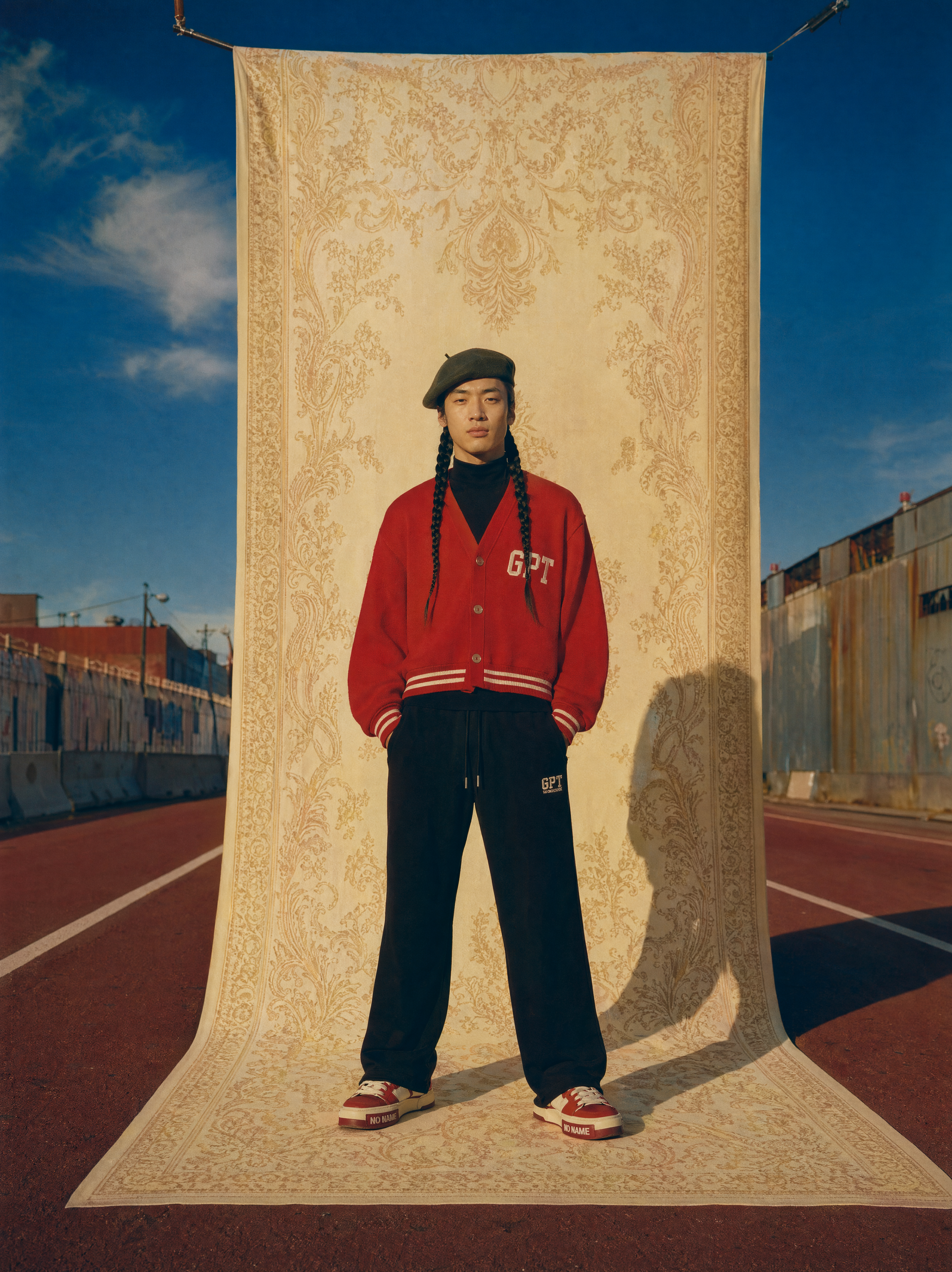
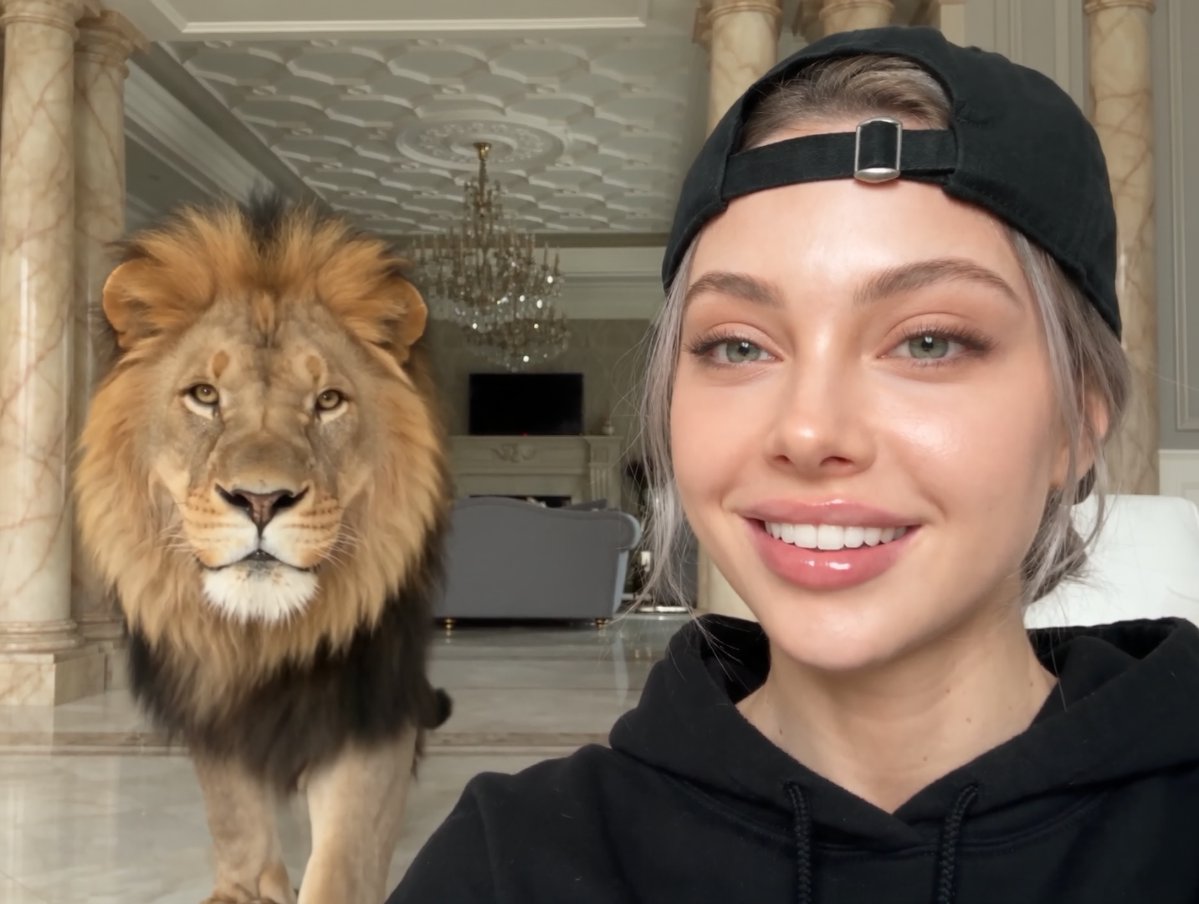
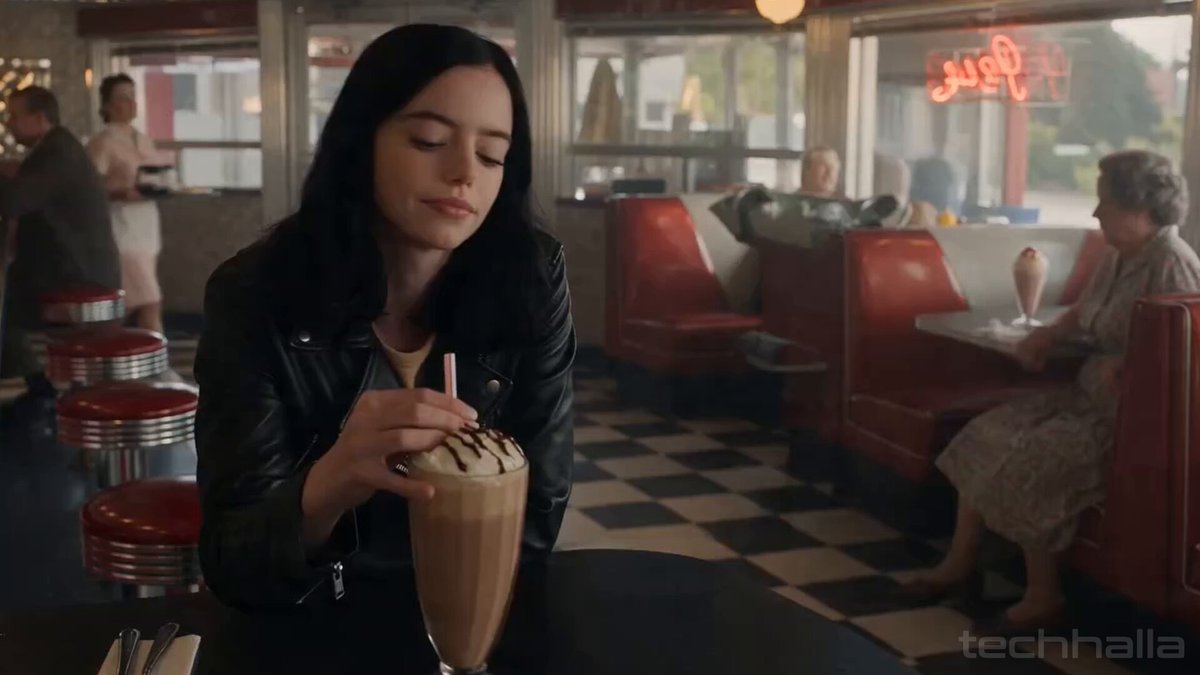
Photorealistic AI video generation has moved out of the research lab and onto the desks of working creators. What once required a full film crew, expensive camera rigs, location shoots, and weeks of post-production can now begin with a single written prompt. This is not hype or a distant promise; the tools have reached a level where a portion of professionally shot footage and a well-tuned AI generation are increasingly hard to tell apart at a glance.
This guide is written for people who actually make content, whether they are marketing leads, indie filmmakers, social media managers, or video editors curious about the current moment. We will walk through why photorealistic AI video matters now, what it actually takes to produce believable results, how to pick the right generation approach for a given project, and how to fold these tools into a realistic production pipeline without losing your voice as a creator.
Why Photorealism Is the New Benchmark
For years the obvious tell of AI-generated video was a smooth, dreamlike wobble. Faces shifted subtly, fingers multiplied, textures looked airbrushed, and lighting never quite behaved. Audiences learned to spot synthetic footage fast, which made AI video a novelty more than a production tool.
That is changing. The current generation of text-to-video and image-to-video models is built around physical consistency. Light now has a source. Shadows fall in believable directions. Skin reacts to the environment, fabric drapes, and motion follows momentum rather than floating. When a model achieves this, viewers stop analyzing the image and start paying attention to the story, which is exactly the reaction a filmmaker wants.
Photorealism therefore matters because it removes friction between the audience and the message. Suspension of disbelief is the entire job of visual media. If a frame looks synthetic, the emotion breaks. If it looks real, an ad, a documentary segment, or a short film can carry the weight it was designed for. In 2025 the bar is no longer about whether AI video can look good; it is about whether creators can get the control and consistency needed to tell a specific story.
The Building Blocks of a Believable AI Video
Producing photorealistic footage is not a single step. It is a pipeline with several distinct decisions, and each one shapes the final result.
Choosing the Right Generation Model
Not all models are equal, and the field splits into a few broad families. Text-to-video models take a prompt and produce footage from nothing, which is fantastic for concepting but harder to control precisely. Image-to-video models animate a reference image, which gives you far more control over framing, character, and composition because you already approve the starting point.
Then there is the question of style versus realism. Some models are optimized for cinematic motion, some for natural dialogue and human behavior, and some for physical accuracy in how light and materials interact. The best results come from matching the model to the shot rather than trying to force one tool to do everything.
The Prompt as a Direction Script
Think of a great prompt as a mini shooting script rather than a list of adjectives. Instead of writing "a realistic city scene," describe the time of day, the weather, the camera position, the movement of people, the focal length, and the mood you want the shot to carry. Specificity is what separates a generic clip from footage that feels directed.
The Reference Material
Whenever you care about a specific subject, a character, a product, or a location, start from an image you control rather than from text. Reference images anchor the generation and prevent the model from inventing details that break consistency. For brand content, this is almost always the right way to go.
A Practical Workflow for Creators
You do not need every tool available to get strong results. A focused workflow is more reliable than roaming between platforms.
Start with the story you actually need. Write down the core shots, the emotional beat of each, and the visual constraints. Only then decide which shots truly need AI generation and which are faster, cheaper, or better done traditionally.
Next, build your reference bank. Gather or create the stills that define your subject. This could be a product photo, a portrait, or a location still. Feed those into the pipeline so every shot stays on-model.
Generate in small, testable runs. Rather than prompting for a full scene and hoping, produce a short test clip, review the motion and lighting, adjust the prompt, and iterate. The difference between a hobbyist and a professional in this space is largely iteration discipline.
Finally, keep post-production in place. AI is a tool inside a pipeline, not a replacement for good editing, color, and sound. Most photorealistic work still benefits from a human eye in the finishing stages, catching the moments where a model slips and smoothing them out.
Where Photorealistic Video Fits in Real Projects
The most compelling uses are not replacing traditional filmmaking but filling gaps where traditional production is impractical.
Advertising and Product Visualization
A brand with a new physical product rarely wants to wait for a studio shoot to explore campaign concepts. AI-generated photorealistic clips let a team visualize a product in dozens of settings, lighting conditions, and use scenarios in a fraction of the time. The winning concept can then be shot for real, or the AI direction itself can carry the ad.
Social Content at Speed
Social teams operate on velocity. A photorealistic hook or a dynamic background sequence, generated in minutes, gives a channel a steady cadence of fresh visual material. This is especially useful for testing which visual angles perform before spending a budget on full production.
Storyboarding and Previsualization
Directors and filmmakers use AI footage to previsualize scenes before cameras roll. You can test how a dramatic crane shot might feel, experiment with different lighting directions, or validate an unusual camera move. This saves crew time on set and gives producers confidence in a shot list.
Training and Explanation Content
Complex products and ideas are easier to understand when they are shown in a realistic context. Photorealistic walkthroughs, safety demonstrations, and technical explainers can be generated without the cost or risk of shooting in hazardous or hard-to-reach environments.
Avoiding the Common Pitfalls
Every new toolset has failure modes, and photorealistic AI video is no exception. Knowing what goes wrong is half the battle.
The biggest complaint from experienced creators is inconsistency. Faces change, logos distort, and brand colors drift shot to shot. The fix is discipline with reference images and keeping generation runs small enough to verify.
Another frequent issue is over-using the tool. Just because a shot can be generated does not mean it should be. Authentic footage of real people still carries trust for certain content, and a good producer knows when reality beats synthesis.
There is also the matter of audience trust. As synthetic video becomes indistinguishable, transparency grows more important. Ethical creators are clear when footage is generated, especially in contexts where viewers might reasonably assume otherwise. This is not just good practice; it protects your reputation and the trust of your audience.
Finally, watch quality control closely. Even strong models produce the occasional artifact, a hand that clips oddly, a reflection that behaves strangely, a detail that repeats. Budget human review time into every project that matters.
The Creative Superpower: Consistency and Control
The real advantage of this generation of tools is not simply that they can look real; it is that they put the levers of control into the creator's hands. You can steer lighting, composition, motion, and character within believable physical limits. That combination, realism on the outside and control on the inside, is what allows a small team to produce work that previously required a large one.
For independent filmmakers this is a genuine creative windfall. A solo creator can explore visual ideas that would otherwise require a budget and crew. A marketing team can test concepts rapidly and fail cheaply. An educator can illustrate concepts that are impossible to film.
Frequently Asked Questions
How photorealistic can current AI video get?
At its best, current models produce footage that survives casual inspection and often passes for genuine captured video. The remaining tells tend to be in subtle human behavior, complex interactions, and very long shots where consistency is hardest to maintain.
Do I need a powerful computer to use these tools?
Not necessarily. Many generation services run in the cloud, so the heavy lifting happens remotely. Your own machine mainly needs to handle prompts, reference images, and post-production work.
Is photorealistic AI video going to replace filmmakers?
It will change workflows and remove some routine production tasks, but it amplifies the role of the people who direct, edit, and decide what is worth telling. The creative judgment remains firmly human.
What is the first step to getting started?
Pick a single small project, a product clip, a social hook, or a short scene, and run it end to end. Learn the pipeline on something real rather than exploring tools without a goal.
Building Your Own Photorealistic Workflow
There is no single correct stack, but a reliable mental model looks like this. First, define the story and the shots you need. Second, gather reference material that anchors your subject. Third, select generation tools that match each shot's requirement for realism, control, or speed. Fourth, iterate in small runs and review carefully. Fifth, finish the piece with traditional editing, color, and sound so the whole feels cohesive.
The result of this discipline is content that uses AI where it truly helps, looks professionally finished, and carries a consistent creative vision.
Photorealism in a Team Production Context
These tools are not just for solo creators; they are reshaping how teams plan and deliver. For a full production house, the upfront planning and the review loop look familiar, but the economics are different. Concept decisions that once locked in large budgets can now happen cheaply and early, which changes the conversation a director has with a client.
A useful way to think about it is the "iteration ledger." In traditional production, iteration is expensive because every version adds crew hours, equipment time, and post-production effort. With AI generation, the marginal cost of a new take is close to zero, so teams can genuinely explore more directions. The discipline that remains is knowing when to stop exploring and commit to the take that works. Great producers develop a strong instinct for that moment and save the whole project from spiralling into endless variations.
The review culture also shifts. Instead of a director describing a shot and waiting for a shoot day, teams can review a nearly final-looking visual early, give direct feedback on the light and motion, and see the revised take in minutes. This tightens the creative loop dramatically and gives every stakeholder a clearer sense of the final product long before it exists.
This is why the tools are best understood as planning accelerators as much as production tools. Used well, they compress the entire timeline of a project, from first idea to delivered visual, and the teams that adopt them early gain an advantage in speed, cost, and creative range that is hard to match through traditional workflows alone.
The Role of Taste and Judgement
At the end of every technical argument is a human choice. Photorealistic AI can generate almost anything you describe, but it cannot tell you whether that image is good, honest, or on-brand. That judgement is irreplaceable.
Taste shows up in the small decisions: which reference to anchor on, how much motion to ask for, when to accept a take and when to reject it, and whether a scene would be better served by real footage after all. A creator who develops this taste, by making work and understanding what an audience responds to, will always have an advantage over one who simply runs prompts until something looks acceptable.
The same principle applies to ethics and transparency. The more convincing generated footage becomes, the more it matters that creators are clear about what they made and how. This is not a minor concern; it is the foundation of the trust that keeps an audience engaged. A creator who protects that trust, even when it costs convenient illusions, builds a relationship that is far more durable than any single viral clip.
Looking Ahead
The trajectory is clear. Photorealistic generation is getting faster, cheaper, and easier to control, and the models are absorbing lessons about physical behavior, human motion, and narrative coherence. That means the barrier to high-quality moving images keeps falling, and the competitive advantage shifts to whichever creators use the tools with taste, judgment, and consistency.
The creators who benefit most are the ones who treat AI generation as one more instrument in a larger production process, not as a magic box. They plan their shots, control their references, iterate, and finish the work properly. The technology is remarkable, but the craft still lives in the choices people make.
If you are ready to experiment, start small, stay consistent with your references, and keep your audience's trust front of mind. Photorealistic AI video is powerful enough that the discipline you bring to it will show in every frame.
