
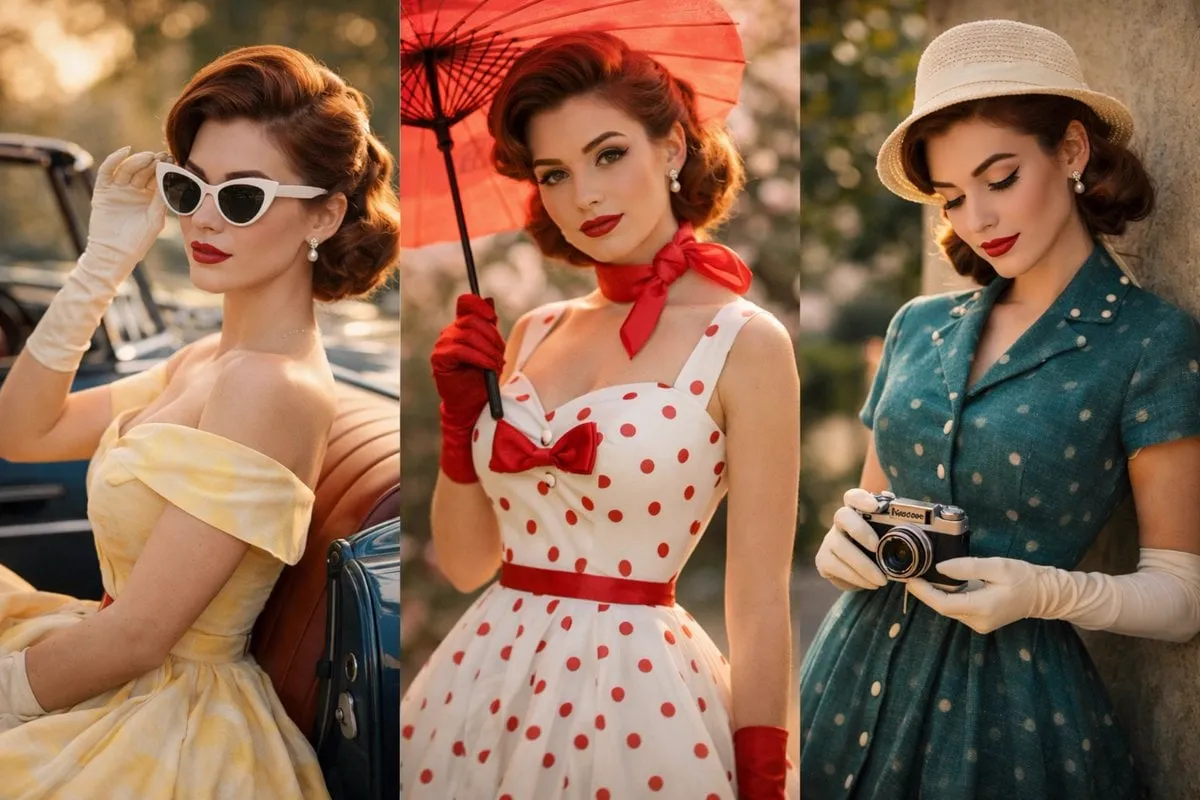

Generative video has moved from a curiosity to a production-grade toolset almost overnight. The names you hear most, Runway and Sora, represent just one slice of a much larger and faster-moving field. Below the famous headlines sit dozens of models and platforms, each tuned for a different job, budget, and style. This guide maps the full landscape so you can choose confidently, explains the categories that matter, and gives you a practical framework for deciding which tool belongs in which part of your production pipeline.
What the New Video Generation Wave Is Really About
The core promise of generative video is simple: you describe a scene, and a model synthesizes moving footage of it. But the current generation is far more ambitious than early text-to-video demos. The leading systems focus on photorealistic motion, coherent physics, consistent characters across shots, deliberate camera language, and the ability to re-shape a single idea into many versions. The goal is not a clip that looks cool in isolation; it is footage that fits into a real production.
At the same time the field is splitting into specialties. Some models are optimized for cinematic quality that feels expensive. Others prioritize speed and volume for social cadence. Still others are built for specific tasks like character consistency, lens control, or integration with voice and music. Understanding these specializations is the difference between fighting your tool and working with it.
The Flagship Generators Everyone Mentions
Runway and Sora are the most recognizable names, but they are far from the only heavy hitters. A broader field of flagship models, many of them from international labs, now competes on quality, speed, and price.
What Runway-Style Platforms Excel At
Established platforms like Runway emphasize a complete editing workflow around generation. You can generate, refine, extend, and composite scenes in one environment, which suits teams that want a single home for their generative work. Their models have strong reputations for cinematic aesthetics, controllable camera moves, and the kind of painterly quality that works well for stylized narrative and commercial spots.
The Sora Class of End-to-End Generators
Models in the Sora family represent a step toward generating longer, more coherent sequences rather than isolated snippets. They reason about scenes over time, maintaining subjects and spatial relationships across shots. For storytelling, this is transformative, because the hardest part of generative video is not making one pretty frame, it is keeping the world believable across several of them. When a model can hold a character's appearance, costume, and setting steady, the director's job becomes dramatically easier.
The Rising International Flagships
A number of models from Asian and European labs now sit at or near the top of quality rankings, often at more accessible price points. They bring strong motion realism, solid character handling, and in several cases faster generation than their earliest rivals. The practical takeaway is that you should evaluate on output, not on brand recognition. A lesser-known model tuned for your exact style can outperform a famous one at half the cost.
The Specialist Tier: Tools Built for One Job
Beyond flagships, an important tier of specialists ships. These models are not trying to do everything; they are aiming to be the best at one thing.
Lens and Cinematic Control
Some generators now give you explicit control over lens behavior: focal length, aperture, depth of field, and even a simulation of a steadicam or a dolly move. If your content depends on a specific cinematic grammar, these tools let you art-direct the shot rather than hope the model guesses the framing right. They are ideal for ads, short films, and any content where the camera language is part of the message.
Speed and Volume for Social Content
Other specialists trade a little polish for remarkable speed, producing many usable clips quickly in a vertical format with captions and templates built in. For feeds that need a steady cadence of content, a fast specialist is more valuable than a slow flagship. These tools shine for tips, quotes, skits, and pattern-based social output where iteration speed outweighs cinematic depth.
Stylized and Animated Output
A separate niche handles illustration, anime, 3D-look, and stylized motion. If your brand is animated or heavily stylized, a general photorealistic model will fight your aesthetic, while a stylized specialist gives you an on-brand look from the start. Matching the model to the art direction eliminates a whole layer of manual look-dev in post.
The Open-Source Side of the Field
Open-source video models have become genuinely viable in the last cycles. They offer a level of control and customization that closed platforms cannot match: fine-tuning on your own footage, running locally, and building a persistent style without paying per clip. The trade-offs are real. You manage your own GPU budget, keep the software stack in order, and take responsibility for consistency across your dataset.
For a team with technical resources, open-source models are the most economical route to a proprietary, on-brand generation pipeline. For a solo creator without infrastructure, a hosted platform is usually the better trade. The choice is less about quality, which has closed much of the gap, and more about where you want your effort and control to live.
How Directorial Agents Fit Into the Mix
The proliferation of models creates a management problem: choosing and tuning the right one for every shot is tedious. This is where a directorial agent earns its keep. It abstracts the model-layer decisions so you can describe the video you want and let the agent route shots to the appropriate engines, keep styling consistent, and assemble a rough sequence.
For teams, this is a workflow win. A directorial agent turns a stack of separate tools into something that behaves like a single artist, preserving character and mood across scenes built by completely different engines. For a creator, it drastically reduces the manual toggling that used to consume a production day.
A Comparison Framework for Choosing a Model
Rather than chase hype, evaluate generative models along five axes. Motion quality: does the output obey physics and avoid warping? Consistency: can the model keep a subject recognizable across shots? Control: can you steer camera, framing, and style, or are you hoping? Speed and cost: how long does generation take, and what does a usable batch cost? Integration: does it fit your editing and publishing pipeline, or does it create friction?
Score the models you are considering against the specific jobs in your pipeline. A model that is mediocre overall but excellent on character consistency may be the right engine for a series, while a jacks-of-all-trade flagship handles everything else. Keeping a small rotation of specialists, with a directorial agent or careful manual routing between them, gives you more control than betting everything on a single tool.
Practical Advice for Getting Started
Start small and real. Pick one low-stakes piece of content and run it through your shortlist of candidates. Generate the same scene on several models and compare the results side by side on motion, consistency, and aesthetic fit. That direct comparison teaches you more than any spec sheet.
Build a reusable asset and prompt library. Save the settings, style keywords, and reference images that worked, so your next project starts halfway done instead of from zero. Keep your main subject in a safe frame for social cropping. And always review output before it ships; a model that occasionally mangles a hand or warps a face is still running, so an operator pass protects the brand.
Be willing to change tools as the models improve. The rankings shift every few months, and the best model for a job today may not be the best one this time next year. The ability to re-evaluate and re-route is itself a core skill in the age of generative video.
Common Mistakes and How to Avoid Them
Even with an excellent model library, most failures come from process, not from the technology. The first and most common mistake is over-trusting a single perfect prompt. Generative video rewards iteration. Trying to nail an entire scene in one shot almost always disappoints; generating several variants and grading them is faster and more reliable.
A second mistake is skipping the review pass. Models still occasionally invent an extra finger, bend a limb in an impossible way, or warp a face. Shipping unreviewed output invites jokes at your expense and, worse, a drop in trust. A short human review of every clip before it leaves the pipeline is non-negotiable for anyone with a professional reputation to protect.
A third mistake is ignoring cost until it becomes a problem. Video generation is compute-hungry, and usage-based pricing adds up quickly when you experiment freely. Track your spend per project, set a sensible budget, and prefer cheap engines for exploration and iteration. Reserve expensive premium renders for the frames that actually ship.
Finally, creators often build vertical. They buy one flagship engine, learn it deeply, and then find it cannot handle a scene type a specialist would nail in minutes. A little flexibility in your toolkit, even a single small specialist model for stylized or high-volume work, multiplies what you can produce. Specialization, not a monolith, is the durable advantage.
From Tool to Storytelling: Where Craft Still Lives
It is tempting to believe that better models remove the need for taste, but the opposite is true. The models remove the grunt work, which raises the value of the judgments that remain: what story to tell, which shots to keep, how to pace a reveal, when to cut away, how to make an audience feel something. A library of engines does not make a director. The director is still the human who decides.
The most effective teams separate clearly. The model generates raw possibility; the human decides what a video should mean. They keep the engines flexible and interchangeable, treat the library as a material rather than a tool to master, and invest their time in script, structure, and emotional payoff. That is where the defensible difference between you and everyone else with the same software comes from.
Translate your taste into reusable prompts and style presets. Document the shots that worked, the negative prompts that prevented artifacts, and the settings that produced your signature look. After a few projects you will have a private style guide that makes future productions shockingly fast, because you are no longer rediscovering decisions you already settled.
The generative video revolution is less about any single model and more about how well you orchestrate the many. Those who learn to treat a library of engines as a flexible material, who iterate rather than hope, and who protect time for honesty in review and craft in direction will be the ones turning raw generation into work that audiences remember and clients pay for. The tools change every season; the judgment that chooses among them only grows more valuable.
Frequently Asked Questions
Is Runway or Sora the best generative video tool? They are excellent flagships, but the best tool depends on your job. For cinematic adverts Runway-style platforms shine; for long coherent sequences Sora-class models lead; and specialists or open-source engines win on speed, style, and price in their niches.
Do I need to understand how the models work internally? Not deeply, but you should understand the categories, consistency, motion, control, cost, and integration, so you can match a tool to a production problem.
Can generative video replace a real shoot? For b-roll, concept art, social content, and certain scripted scenes, yes. For interviews, reactions, and authentic human moments, a real shoot still wins. Most teams use generative video to complement, not replace, live footage.
Is open-source worth the setup cost? For teams with technical resources who want a proprietary style pipeline, yes. For solo creators without infrastructure, a hosted platform usually saves more time and trouble.
How important is character consistency in generative video? It is often the deciding factor between amateur and professional results. The ability to keep a subject recognizable across shots is what makes a series feel like it has a director.
Should I rely on a single model or several? Keep a small rotation of specialists. No single model dominates every category, and routing the right shot to the right engine gives you control and resilience as the rankings change.
