

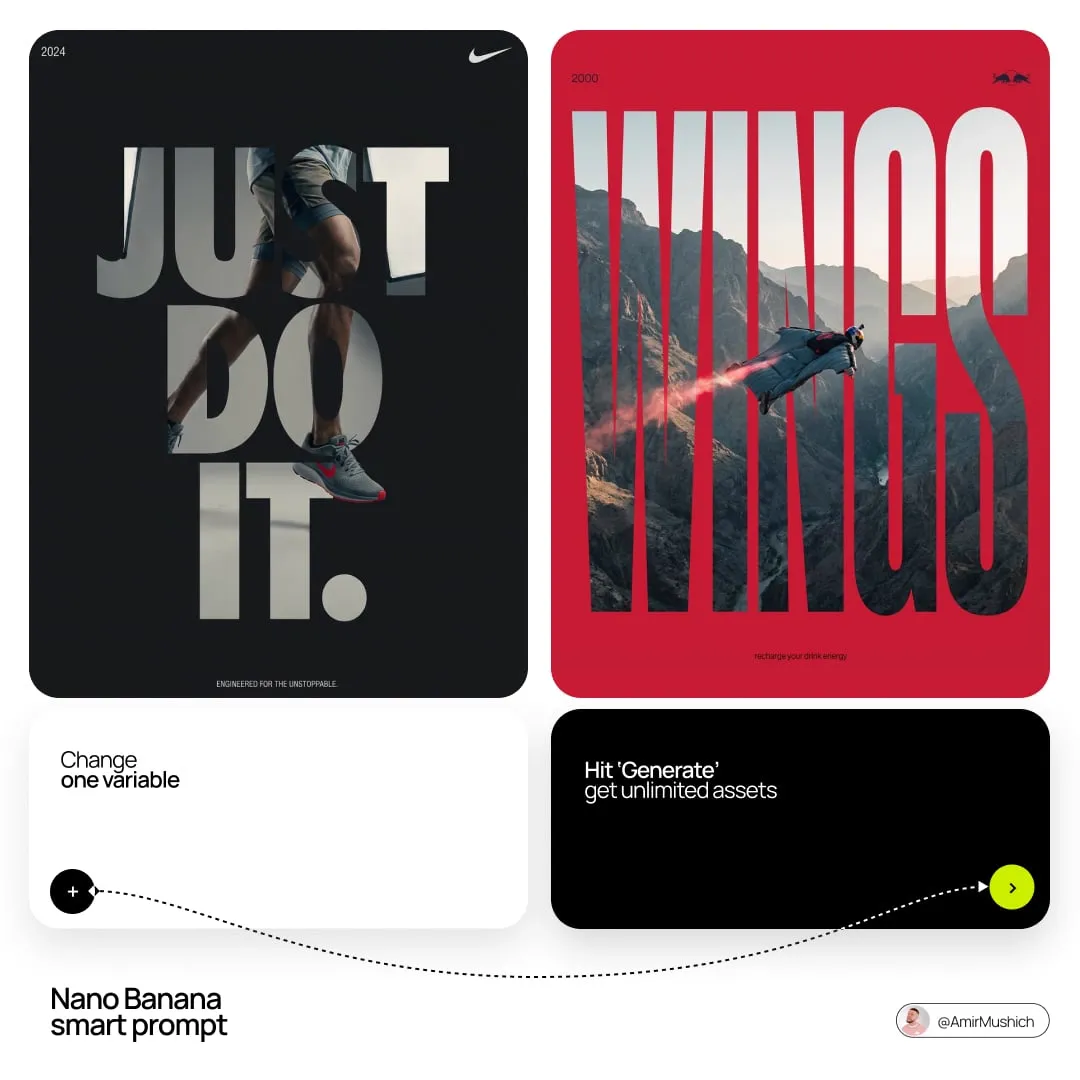
Some videos stop your thumb mid-scroll; most do not. The difference is rarely luck. Viral shorts share a set of repeatable ingredients: a gripping opening, a clear emotional payoff, and polished, consistent visual execution. In the past, producing enough of those to be consistent was a full-time, resource-heavy job. Generative AI has changed that by letting a single creator turn written ideas and a few still images into finished video quickly.
This guide is for creators who want to use AI video deliberately, not just experiment with it. We cover how to choose the right engine for text and image inputs, how to control motion frame by frame, and how to keep characters and style consistent, which is the difference between a lucky viral hit and a repeatable content engine.
What Makes Video Go Viral in the First Place
Virality is often described as unpredictable, but there are measurable patterns behind the videos that spread. Naming them helps you design for them instead of hoping for them.
The opening is non-negotiable. A viral short establishes a tension, a question, or a payoff hint within the first second or two. If the hook is weak, the algorithm and the viewer move on. Design your first frame as deliberately as your reveal.
Emotional payoff drives sharing. People share videos that make them laugh, feel inspired, get surprised, or feel understood. A video with strong craft but no emotional core gets admired and forgotten; one with an emotional core gets shared.
Duration and pacing follow the platform. Shorter clips surface faster, and snappy pacing holds attention through the whole loop. The goal is completeness with brevity: convey one complete idea that resolves, then stop.
Finally, consistency compounds. One viral video is a spike, but a recognizable style that produces hits reliably is a career. Every choice, from color grading to character design, should reinforce who you are.
Turning Text and Images Into Video: Choosing the Right Engines
The first practical decision is which model to feed your text and still images into, and the honest answer is that you will rarely use only one. Different inputs and goals call for different strengths.
For pure text-to-video, where you are inventing a scene from scratch, prioritize a model that interprets descriptive language well and produces coherent, stable motion. This is your engine for ideas that have no visual reference yet.
For image-to-video, where you start from a photograph or artwork, prioritize a model that respects the source: it should preserve the subject and setting while adding motion, rather than reinventing the frame.
For projects demanding very high visual quality or a particular style, you may trade speed for a more capable engine. For rapid iteration and volume, a faster, cheaper option that lands a good first attempt can win on cost per usable clip.
Segment your work by need, route each task to the right engine, and keep a small documented toolkit instead of relying on a single tool for everything.
Controlling Motion Your Way
The leap from generating a clip that happens to move to directing how it moves is the step from novice to professional. Frame-by-frame and regional control are what let you design motion rather than accept whatever comes out.
Start by telling the model which parts of the frame should move. In a portrait, you may want only hair and a slight expression change; in a product shot, a rotating view or an opening motion. Being explicit about the region and direction of motion dramatically improves the result.
Next, name the camera. A slow push-in, a lateral drift, a pull-back, a handheld shake, each reads differently and changes the story. Pairing the camera with an emotional goal, such as 'push in to build tension', produces more coherent output than a bare technical instruction.
Use reference and fusion tools where available, because those are what allow you to replicate a specific look and control the relationship between frames. This is especially important when a clip must continue exactly where the previous one ended.
Keeping Characters Consistent
For any creator returning to the same characters, consistency is the difference between a beloved series and a confusing mess. A hero who changes appearance between videos will lose the audience's investment.
Write a fixed character sheet and reuse it verbatim: appearance, wardrobe, defining features, and personality cues. Then anchor every generation to a single approved reference image, so the model keeps returning to the same identity instead of drifting toward its own assumptions.
Use multi-shot and image-fusion workflows to maintain consistency between frames and between episodes. Feeding the previous frame back into the pipeline anchors the next one, which is how you get a stable character from scene to scene and video to video.
Also define the voice and tone as part of consistency. A script that shifts flippantly between sad and sarcastic undermines your character no matter how good the visuals are. Consistency is a whole-channel discipline, not just a technical feature.
Writing Prompts That Match Visual Intent
Your prompts are the bridge between your vision and the machine, and the quality of that bridge decides the reliability of your output. Structured prompts outperform freeform wanderings on every occasion.
Separate your prompt into content, camera, and mood. Content describes what is in the frame; camera describes framing and motion; mood describes lighting and emotional tone. Combining a clear subject with a clear camera move and a clear mood produces far more reliable results than one long sentence.
Be specific but economical. Choose the three or four decisions that matter most for the moment and express them plainly. Overloading a prompt with every possible detail blurs the signal and wastes generations.
Attach a reason to every camera choice, because intent is the ingredient that turns a technically valid clip into a story beat. The model that understands why the camera moves will usually produce a more cohesive result than one that only knows that it moves.
Building an Engine for Reliable Viral Content
To produce viral-adjacent content consistently, treat your workflow as an engine with repeatable stages, not as a string of one-off experiments.
Stage one is the idea library: a running list of concepts, hooks, and emotional angles you can draw from. Stage two is the brief: quickly convert a chosen idea into a clear core message and emotional goal. Stage three is the asset build: generate or locate the stills and style references you need. Stage four is generation: produce clips from structured prompts using your chosen engines. Stage five is selection and polish: review, pick the strongest, and refine into the finished post. Stage six is publish and learn: ship it, track what works, and feed the insights back into the idea library.
Design each stage to be quick and repeatable. Batching related work, generating several clips at once and reviewing them together, keeps the engine efficient and the quality bar high.
The engine pays off because it lets you maintain a steady publishing cadence, which is the single most consistent predictor of growth. Volume plus consistency plus emotional craft is how short-form accounts actually take off.
The Role of a Creative Director in an AI Pipeline
The most successful AI-first creators behave less like operators of a machine and more like directors of a studio. Their value is not in how cleverly they write a prompt, but in how clearly they decide what the video should feel like and what it should do for the viewer.
That means making hard choices before generating: which idea, which audience, which emotional chord, which visual style. It means holding the line on those choices as the work progresses rather than drifting with whichever output looks nice.
It also means knowing when to delegate to automated direction and when to override it. Routines and straightforward shots benefit from automation; the key emotional beats deserve your direct hand.
Think of the AI tools as a restless, capable crew. Your job as director is to give them a clear script and hold everyone to the same vision, which is exactly what turns raw generative power into a recognizable voice.
Sourcing and Guarding Your Visual Style
A defensible style is one of the most valuable assets a creator can build, and AI makes it easier to acquire but also easier to dilute.
Commit to a consistent palette, recurring motifs, a signature treatment of motion and light, and repeat them across every post. Over time this makes your content immediately recognizable, which is a strong bulwark against being lost in an algorithmic feed.
Protect that style by keeping a style guide and applying it rigorously. When you experiment, do so deliberately with the intention of evolving the signature, never accidentally drifting toward generic outputs.
A recognizable style also supports your economics: it enables licensing, makes your work attractive to sponsors who want its cachet, and gives you assets that feel exclusive to your brand. Guard it accordingly.
Common Mistakes to Avoid
A few recurring errors hold back AI video creators, and recognizing them saves a great deal of time.
The first is skipping the hook. A polished video with no compelling opening will not travel. Spend real effort on the first second.
The second is using one model for everything. Different inputs and goals deserve different engines; build a small documented toolkit instead.
The third is ignoring consistency. Drifting characters and shifting styles undercut every story and every brand. Anchor image, fixed descriptions, and verbatim vocabulary are your tools.
The fourth is overloading prompts. Cramming too many intentions into one instruction produces muddy results. Prioritize and keep it clean.
The fifth is chasing one-off virality instead of building an engine. A single hit is luck; a repeatable pipeline with strong hooks, consistent style, and emotional craft is a skill you can reproduce.
Storyboarding Your Short Before You Generate
One of the most effective ways to raise the hit rate of your shorts is to plan them the way a director plans a scene, before any generation begins. A storyboard turns an idea into a clear sequence of beats that every prompt can serve.
Divide your short into its key beats: the hook, the setup, the escalation or surprise, and the payoff. For each beat, write one line about what the viewer should feel and one visual description of what should be on screen. This is your production map, and every clip you generate should fill a specific beat rather than exist on its own.
The storyboard also exposes weakness early. If a beat has no clear emotional job, you will notice it here, when it is cheap to fix, instead of discovering it after expensive generations. It is far easier to reorder a list of beats than to reorder a finished sequence of clips.
When you do generate, check every clip against the relevant beat. Does it match the intended emotion and visual? If not, regenerate rather than awkwardly bending the beat to fit a clip that came out beautifully but wrong. Discipline at this stage is what separates a directed short from a happy accident.
Keep the storyboard short and visual. A few lines per beat is enough; the goal is clarity and alignment, not an elaborate document. The time you spend here pays back many times over in fewer wasted generations and a more coherent final cut.
Scheduling and Pacing Your Content Across Time
How you release shorts matters as much as how you make them. A steady, deliberate publishing rhythm tends to outperform erratic bursts, because it builds a habit in your audience and gives the algorithm consistent signals about your channel.
Plan your releases in batches rather than day to day. Produce several shorts at once through your engine, then space their publication across the week or month. This keeps the pipeline economical and smooths out the pressure of shipping an item daily.
When spacing your releases, consider context and seasonality. Align drops with times your audience is most active, coordinate themes so a series builds momentum, and avoid releasing similar hooks in a cluster that cannibalizes each other's reach.
Review the cadence regularly against performance. Some audiences reward daily output; others respond better to a few polished pieces a week. Let the data on your own channel guide the cadence rather than copying another creator's schedule blindly.
The underlying principle is intentionality: every release is a decision about what to feed the audience and when. Making those decisions ahead of time lets your engine run at full efficiency and keeps your brand cohesive through highs and lows.
Final Thoughts
AI video has made it possible to turn a sentence and a photograph into a moving, shareable story, and the creators who thrive are the ones who treat that capability with the seriousness of a studio.
Choose your engines by the job, write prompts that carry intention, lock your characters and style, and build a repeatable workflow that publishes consistently. When you combine repeatable craft with genuine emotional hooks, you stop gambling on virality and start directing it.
