

Mastering Character Consistency in AI Video Storytelling
Aug 4, 2026
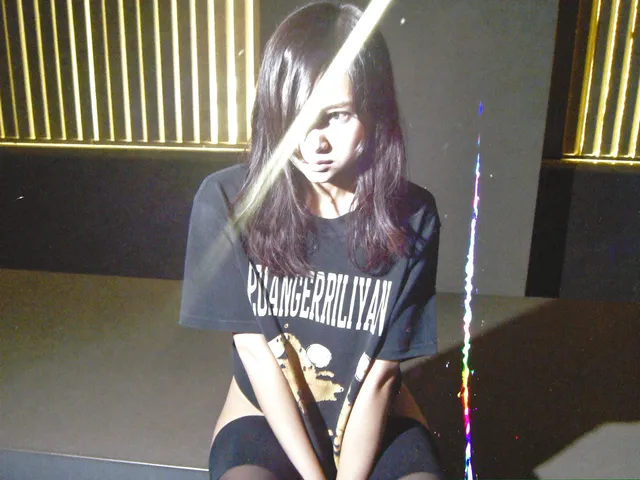
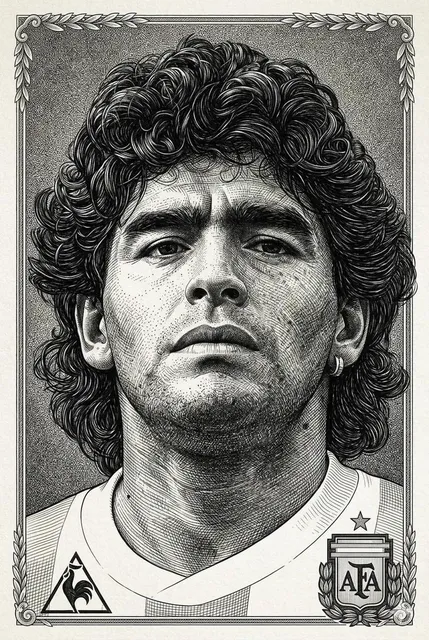
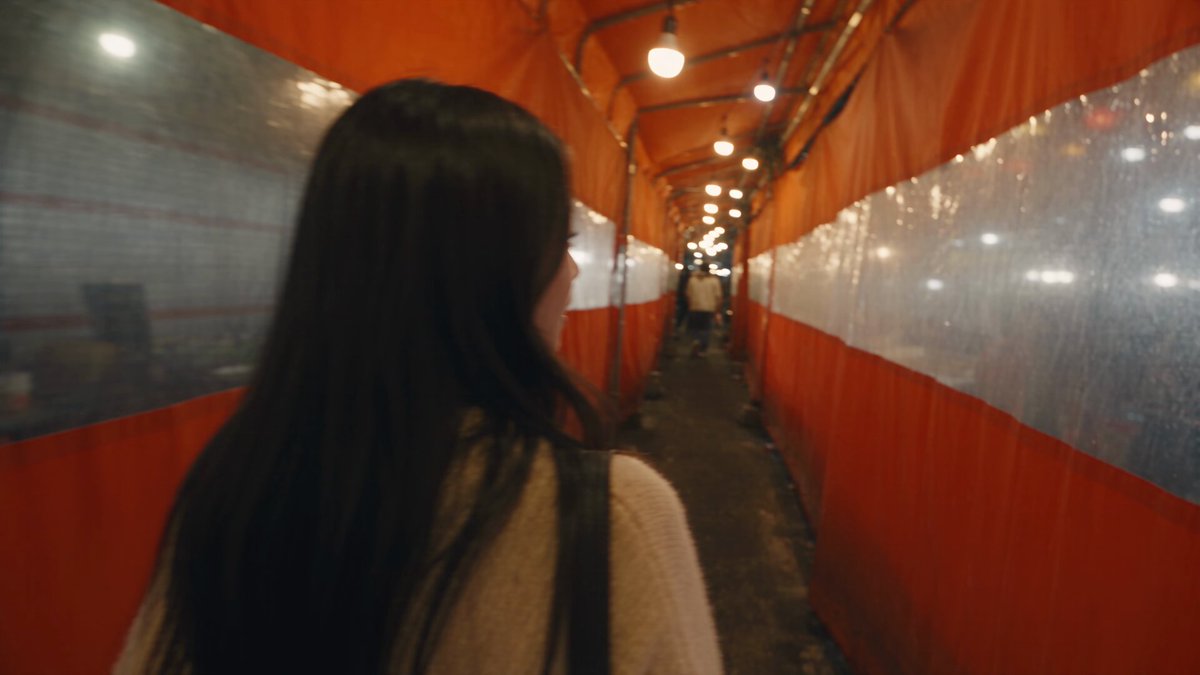
The Challenge of Character Consistency in AI Video
One of the biggest hurdles in AI video generation is maintaining consistent character appearance across multiple scenes. When you generate a sequence of clips, even minor variations in facial features, clothing, or proportions can break the viewer's immersion.
Domer's AI Video Generator addresses this challenge with advanced techniques that anchor character identity across generations.
Key Techniques for Character Consistency
Reference Image Anchoring
The most reliable method is providing multiple reference images of your character from different angles. This gives the AI model a comprehensive understanding of what makes your character unique.
Prompt Engineering for Identity
Crafting precise prompts is essential. Instead of generic descriptions, use specific, measurable details about your character's appearance. For example, describe eye color, hair style, distinctive marks, and clothing details in consistent language across all prompts.
Keyframe Control
Setting explicit keyframe constraints — defining the exact starting and ending frames of a sequence — helps the model interpolate movement naturally while preserving character identity.
From Concept to Consistent Narrative
Building a multi-scene narrative requires planning. Start by creating a character bible document that catalogues every visual detail. Use GPT Image 2 to generate reference images that establish your character's look, then use those as anchors in your video generation workflow.
Practical Workflow
- Generate reference character images with AI Image Generator
- Create a detailed character prompt template
- Generate scenes sequentially, using previous outputs as references
- Review and iterate on any inconsistencies
Why It Matters
Viewers are increasingly sophisticated. They notice when a character's eye color changes between scenes or when proportions shift. Consistent characters build trust and enable genuine storytelling — the kind that keeps audiences coming back. For more production techniques, visit Domer Blog.

Alexander
More Blogs
Read MoreVidu Q4 Alternatives: 4K AI Video Models Compared (2026)
Vidu Q4 alternatives compared: Kling 4.0, Seedance 2.5, Wan 3.0, and Runway Gen-4 — 4K support, input modes, durations, audio, and what each costs in credits on Domer.
Top 4K AI Image Generators in 2026: 5 Models Compared on Real Costs
The top 4K AI image generators on Domer compared: Flux 3 Klein, Nano Banana 2.1, GPT Image 2.5, GPT Image 2, and Nano Banana Pro — 4K credit costs, reference limits, and speed.
Nano Banana 2.1 vs GPT Image 2.5: Which Image Model Should You Use? (2026)
Nano Banana 2.1 vs GPT Image 2.5 Flare compared: credit costs per resolution, aspect ratios, reference images, text rendering, and which tasks fit each model.