
The consistency problem
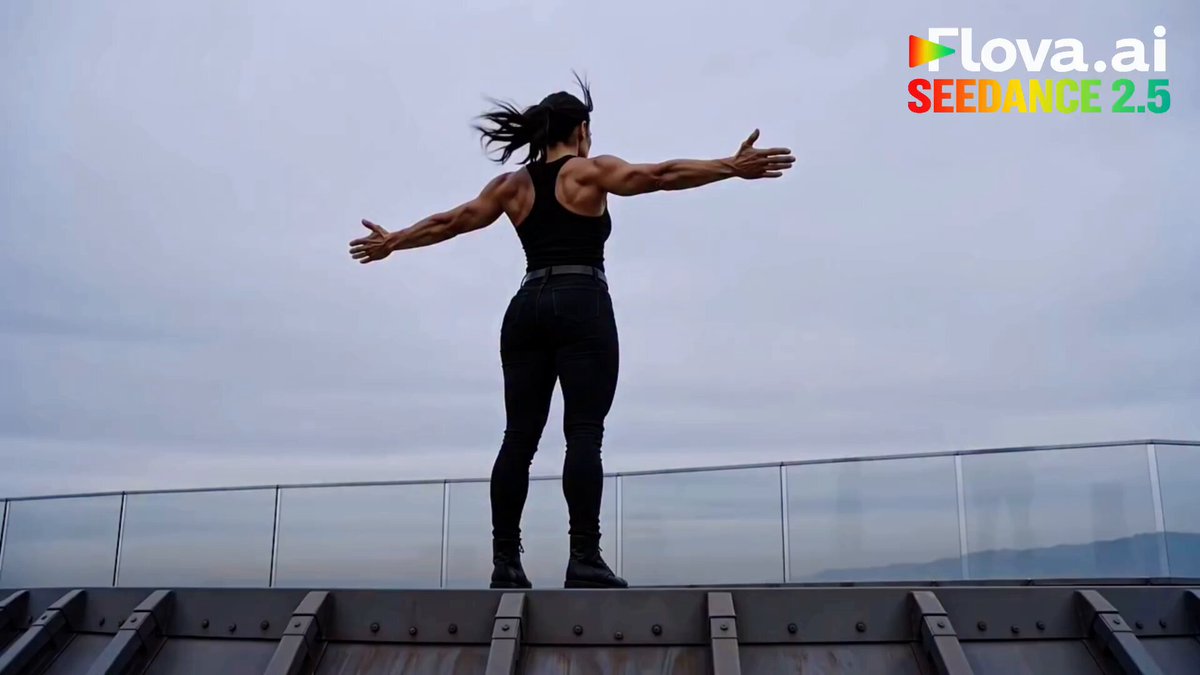
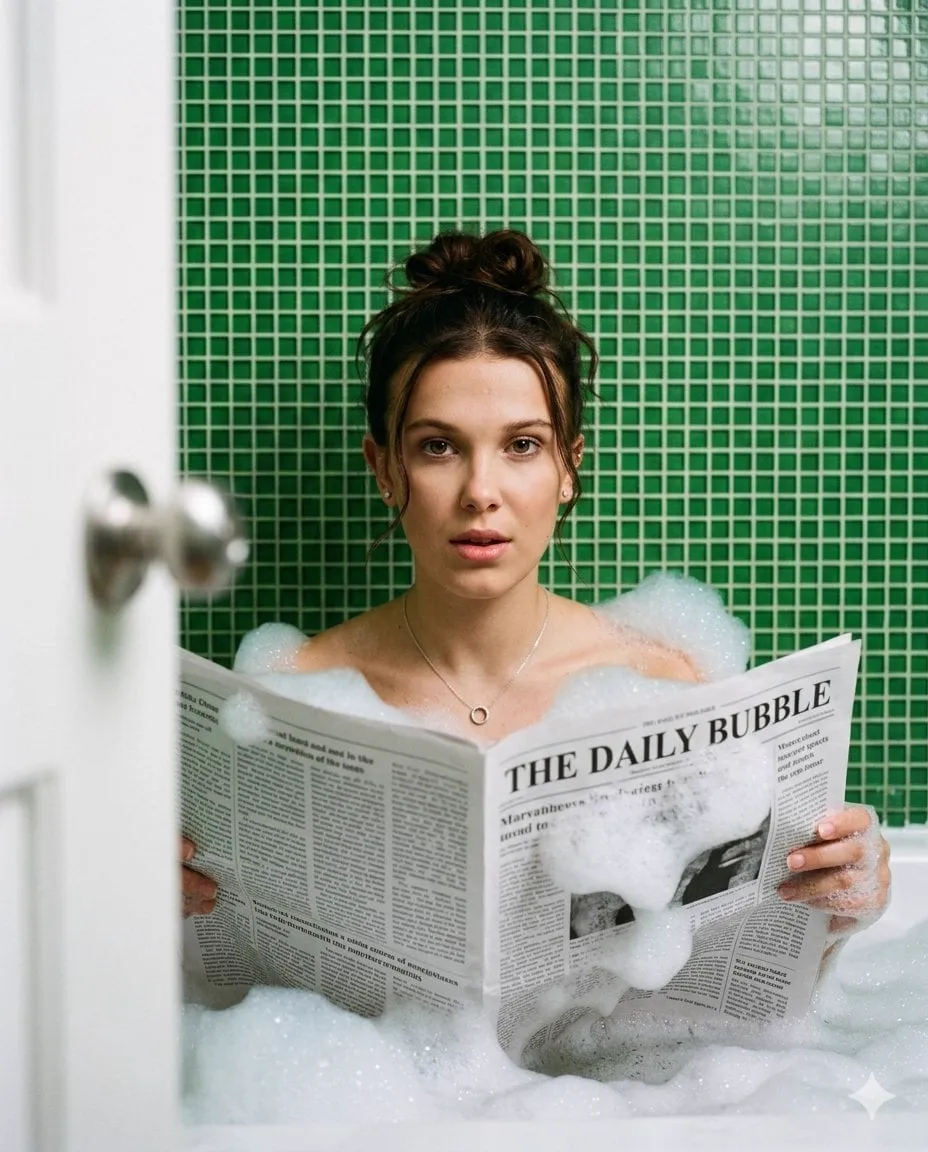
You've seen it: an AI-generated character that changes appearance from one scene to the next. Different hair, different face shape, different clothing. The illusion shatters, and your audience checks out.
Character consistency is the single biggest technical challenge in AI video production — and solving it is what separates professional content from experimental messing around.
Why AI characters drift
AI video models are fundamentally "stateless." Each generation starts fresh with no memory of previous outputs. Even with identical text prompts, subtle differences in how the model interprets your description lead to visual drift.
The solution: give the model concrete visual anchors, not just text descriptions.
The multi-image fusion approach
Multi-image fusion means providing reference images alongside your text prompt. The model uses these as visual guardrails, keeping the character locked to a specific appearance.
Step 1: Create your character master
Use Domer AI Image Generator to create a "character sheet" — multiple angles of the same character:
- Front-facing portrait
- Profile view
- 3/4 angle
- Full body shot
Make sure all images share the same style, lighting, and quality level.
Step 2: Use reference images in every generation
When generating a new video scene, always upload at least one reference image as the starting keyframe. Domer Image-to-Video lets you set these as anchor points, so the AI fills motion between them while preserving the character.
Step 3: Build a character prompt template
Create a reusable prompt snippet that describes the character consistently:
[CHARACTER: silver hair, blue eyes, angular jaw, tall build,
wearing black leather jacket over white t-shirt,
cinematic lighting, 35mm lens]
Paste this prefix into every prompt. Combine it with scene-specific descriptions.
Advanced techniques
Keyframe pairs
Upload both a start frame AND an end frame. The character starts in pose A, the AI animates them into pose B. Both frames show the same character from your master set, ensuring perfect consistency.
Style lock via seed
Some models expose a seed parameter. If you find a generation that nails the character, save the seed. Reuse it for future generations of the same character.
Post-generation touch-up
For enterprise-grade consistency:
- Generate the scene
- Use face-swap tools to paste your character master face onto the output
- Apply consistent color grading across all scenes
The full workflow
- Design → Create character sheet with Domer
- Document → Write the character prompt template
- Generate → Produce each scene with reference images
- Verify → Check each output against the master sheet
- Polish → Color grade and touch up in post
Common mistakes
- Skipping reference images: text-only prompts guarantee drift
- Low-quality references: garbage in, garbage out. Your master images must be sharp and well-lit
- Changing the prompt template: every tweak to character description risks breaking consistency
The payoff
When you nail character consistency, your AI video stops looking like "AI video." It looks like content with a production budget. Your audience focuses on the story, not the artifacts.
Start with Domer's AI Video Generator — it gives you the reference image and keyframe controls you need to solve the consistency problem from day one.
