
Mastering AI Video Storytelling: From Prompts to Cinematic Direction
Aug 3, 2026
The Evolution from Simple Prompts to Cinematic Control
AI video generation has come a long way from the early days of short, glitchy clips. Today's tools let creators produce multi-scene narratives with real directorial intent. The difference is no longer about whether AI can make a video — it's about whether it can make your video, exactly as you envision it.
The global digital video market continues to expand, and AI-assisted creation is becoming the standard for everything from social media content to professional pre-visualization. But the real breakthrough isn't just better resolution or faster generation. It's about giving creators genuine control over the storytelling process.
If you're exploring AI video tools, Domer's AI video generator gives you access to top-tier models that balance creative flexibility with technical precision. The platform supports everything from quick social clips to longer narrative sequences.
Why Character Consistency Matters More Than Resolution
One of the biggest frustrations with early AI video was what creators call "character drift" — your protagonist looks different in every shot. It breaks immersion and makes professional storytelling nearly impossible.
Modern approaches solve this through reference-based generation. You establish a canonical look for your character once, and the system maintains that appearance across every scene. This means you can create a 10-shot sequence where your character looks the same throughout, whether they're in a sunny park or a dimly lit room.
Domer's image-to-video feature is particularly useful here — upload your character reference, describe the motion, and maintain visual consistency across multiple generations. Combined with models like Kling 3.0, you get both fidelity and creative control.
Smart Shot Composition Without a Film Degree
You don't need to be a cinematographer to create visually compelling videos. Modern AI tools increasingly understand cinematic grammar — things like when to use a close-up for emotional impact or a wide shot for establishing context.
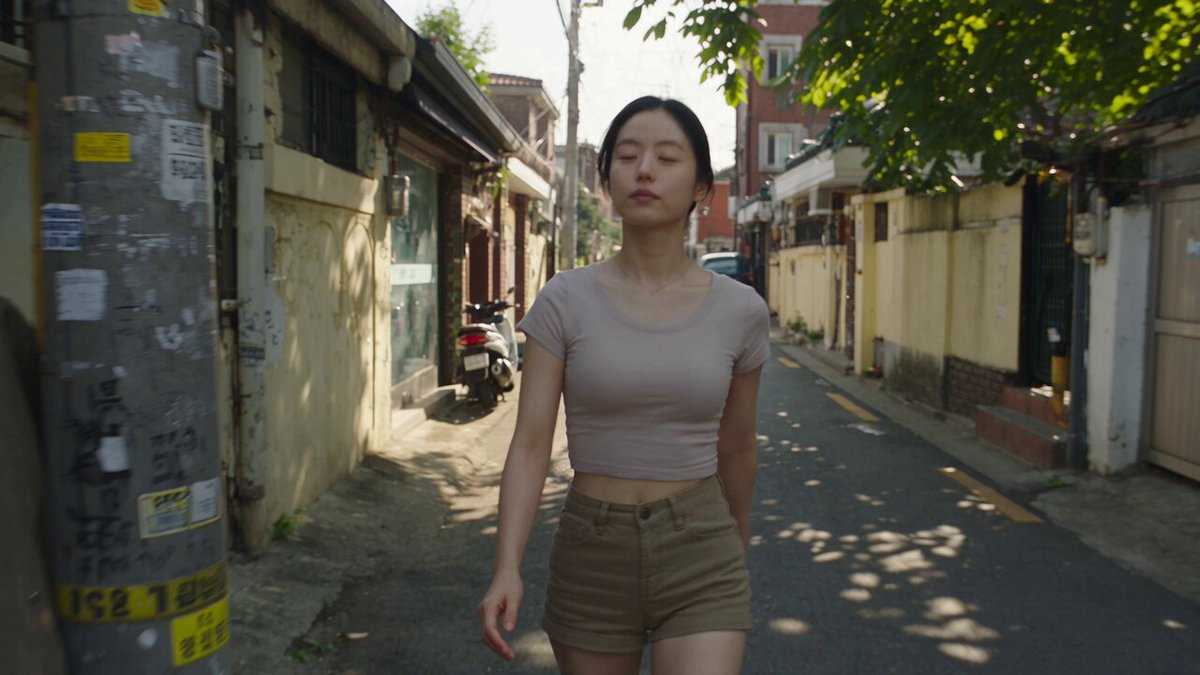
The key is describing not just what happens, but how you want it framed. Instead of prompting "a person walking down a street," try "a tracking shot following a person from behind as they walk down a rainy street, shallow depth of field." The extra direction gives the AI enough information to make creative choices that serve your narrative.
For creators who want even more control, Domer's text-to-video supports detailed motion and camera prompts. You can specify everything from lens choices to lighting direction, giving your generations a cinematic feel that stands out from generic AI output.
Building Narratives Scene by Scene
Professional storytelling is about sequencing. A short film isn't one long generation — it's 10, 20, or 50 individual shots that flow together. This is where planning becomes essential.
Start with a simple storyboard: list your scenes, describe the action and camera movement for each, and keep a reference sheet for your characters and locations. When you generate each shot, check it against your references before moving to the next one.
This methodical approach works particularly well with models like Seedance 2.0, which excels at motion-rich sequences. Generate your establishing shots first, lock in the visual style, then build the rest of your sequence around that foundation.
The Producer Mindset: Quality vs. Speed
Not every shot needs to be rendered at maximum quality. Smart creators learn to match their generation settings to the shot's importance. Save your highest-quality settings for hero shots — the moments that define your narrative. Supporting shots, transitions, and establishing footage can often use faster, lighter settings without anyone noticing the difference.
This producer mindset — knowing when to invest and when to economize — separates professionals from hobbyists. It's not about having unlimited compute. It's about using what you have where it counts.
Domer's AI image generator complements this workflow perfectly. Generate keyframe stills at high quality, lock in your visual direction, and use those as references for your video generations. This two-step process dramatically improves consistency.
Practical Tips for Better AI Video Storytelling
Write scene prompts like a director, not a novelist. Focus on visual specifics: camera angle, lighting, movement, and composition. Leave thematic interpretation to the editing process.
Batch your generations strategically. Generate multiple takes of the same scene with slight variations. You'll almost always want options to choose from rather than settling for your first result.
Build a reference library. Save successful prompts, character references, and style settings. Over time, you'll develop a personal toolkit that makes each new project faster than the last.
Edit externally when needed. AI gives you raw footage. A quick pass through a video editor for color grading, timing adjustments, and audio can elevate the final product significantly.
Where AI Video Storytelling Is Heading
The direction is clear: more control, better consistency, and deeper integration between creative intent and technical execution. The best tools are the ones that disappear — where you think about your story and the technology handles the rest.
Whether you're making marketing content, short films, or social media clips, the fundamentals of good storytelling haven't changed. AI just makes the execution faster and more accessible. Start with a clear vision, use the right tools for each shot, and don't let the technology distract you from what matters most: telling a story that connects.

Alexander
More Blogs
Read MoreVidu Q4 Alternatives: 4K AI Video Models Compared (2026)
Vidu Q4 alternatives compared: Kling 4.0, Seedance 2.5, Wan 3.0, and Runway Gen-4 — 4K support, input modes, durations, audio, and what each costs in credits on Domer.
Top 4K AI Image Generators in 2026: 5 Models Compared on Real Costs
The top 4K AI image generators on Domer compared: Flux 3 Klein, Nano Banana 2.1, GPT Image 2.5, GPT Image 2, and Nano Banana Pro — 4K credit costs, reference limits, and speed.
Nano Banana 2.1 vs GPT Image 2.5: Which Image Model Should You Use? (2026)
Nano Banana 2.1 vs GPT Image 2.5 Flare compared: credit costs per resolution, aspect ratios, reference images, text rendering, and which tasks fit each model.