
Introduction
Short-form video has become the dominant format of digital media. Platforms reward creators who publish consistently with polished, engaging clips — but producing cinematic content traditionally required expensive gear, editing skills, and weeks of work. Generative AI changed that equation. Today, a single creator can write a scene description, generate footage, add audio, and publish a professional-looking reel in hours. The difference between a generic AI clip and a genuinely compelling one comes down to direction: how the story is structured, how the camera moves, and how the visuals stay consistent from shot to shot. This article explains how modern AI tools handle that direction automatically, and how you can use them to make your next reel stand out.
Why direction matters more than raw generation
Anyone can generate a video clip with AI. What separates casual experiments from professional content is execution fidelity: narrative cohesion, pacing, character continuity, and framing. A clip might look stunning in isolation, then fall apart when you try to connect it to the next shot — the character looks different, the lighting shifted, the energy drops.
Modern AI platforms solve this in two ways:
- A broad model library, so each scene can use the best tool for the job;
- Directorial intelligence, which applies film grammar — shot types, camera movement, emotional pacing — automatically.
If you are new to AI video, a good place to start is a solid AI video generator that lets you experiment with scene generation before you worry about advanced direction.
Building a consistent visual world
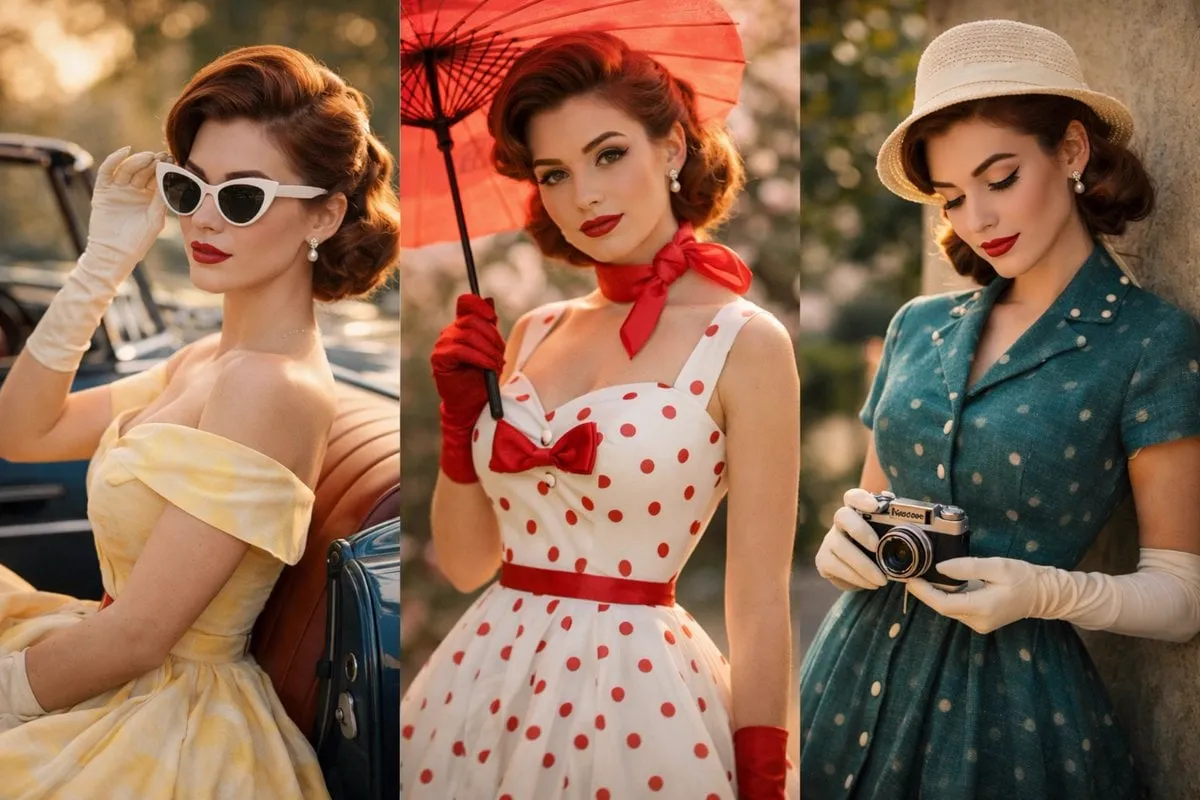
Consistency is the hardest problem in AI video. The solution used by professionals is multi-image fusion: feeding the model multiple reference images of a character, object, or location so it stays recognizable across scenes. Keyframe control takes this further by locking the start and end frames of a scene, letting the model fill in natural motion between them.
Practical tips for consistency:
- Upload reference images from multiple angles before generating;
- Keep the same references for every scene featuring that character;
- Lock keyframes for transitions between different shots;
- Use the same model family for related scenes to reduce style drift.
For campaigns and serialized content, this discipline is what makes a series of clips feel like one production rather than a random collection.
Letting AI handle the cinematography
Professional film language — dolly shots, Dutch angles, shallow depth of field, whip pans — is now available to everyone. AI directing tools translate a simple creative intent into concrete camera parameters. You can describe the feeling you want, and the system decides which shots, lenses, and pacing will achieve it.
This is especially valuable for creators without formal filmmaking training. Instead of learning everything at once, you focus on the story, while the tool handles technical interpretation. To prepare strong visuals for your scenes, consider starting with an AI image generator to create consistent reference art, then animate it.
Managing narrative pacing for retention
Viral short-form content almost always follows a recognizable structure: a strong hook, rising tension, a climax, and a resolution. AI direction tools can help enforce this structure by analyzing scene transitions and durations, then adjusting generation parameters accordingly. The result is a micro-narrative with momentum, not just a sequence of pretty images.
Ways to use pacing tools effectively:
- Front-load the hook — the first three seconds decide whether viewers stay;
- Alternate shot lengths to create rhythm;
- Accelerate cuts toward the climax;
- Match music and sound effects to the visual energy of each section.
Budgeting for quality where it counts
Not every frame needs the most expensive model. A smart workflow uses economical options for drafts and transitions, then reserves premium models for the shots that carry the story. Directorial tools often make this easier by recommending the right model for each scene based on complexity.
A practical approach:
- Test ideas with fast, low-cost generation;
- Use mid-tier models for most scenes;
- Save the most expensive tools for key moments — the hook, the emotional peak, the final reveal.
Audio: the second half of the story
A video's impact depends heavily on sound. Modern workflows include AI voice synthesis, background music generation, and sound effects that match the scene's emotional tone. Even simple additions — ambient noise, a subtle music bed — dramatically improve perceived quality. When your visuals and audio are generated with the same intent, the result feels directed rather than assembled.
Common mistakes to avoid
- Skipping references — consistency falls apart without them;
- Ignoring pacing — a reel that never accelerates loses viewers;
- Using one model for everything — different scenes deserve different tools;
- Publishing without review — check the final cut on mobile, where most viewing happens.
Frequently asked questions
Do I need filmmaking experience to use AI directing tools?
No. The tools handle cinematography and pacing automatically; your job is to define the story and the feeling you want.
How long does a generated reel take to produce?
From minutes to a few hours, depending on scene count, model choice, and post-production.
Can AI-generated content be monetized?
Yes, if you respect the licensing terms of the models and tools you use.
Conclusion
The future of storytelling is not about replacing creators — it is about giving them directorial power without the studio budget. By combining consistent references, smart model selection, automated cinematography, and disciplined pacing, you can produce short-form video that holds attention and builds your audience. Start with one scene, learn the workflow, and iterate. For the best results, pair a reliable AI video generator with modern image models like GPT Image 2 and next-generation video models such as Seedance 2.0.
