



Going from a vague idea to a published short video used to mean hours of filming, editing, and rendering. Today, the same journey can take minutes if you organize the process correctly. The creators who post consistently aren't necessarily more talented — they just have a repeatable system.
The idea-to-reel pipeline
A reliable workflow has four stages: concept, script, visuals, and finishing touches. Most people fail because they jump straight to the visuals. A clear concept and a tight script make every later step faster and cheaper.
1. Concept: know the hook
Before generating anything, write down the hook — the first 2 seconds of the video. On TikTok and Reels, the hook decides everything. If the opening doesn't promise a payoff, nobody watches the rest. Keep the concept simple enough to explain in one sentence.
2. Script: shorter than you think
Write the script as spoken text, not as an essay. Read it out loud and time it. A 30-second reel needs roughly 70 words. Cut anything that doesn't move the story forward. If the video is mostly visual, the script can be just a list of shots.
3. Visuals: build once, reuse often
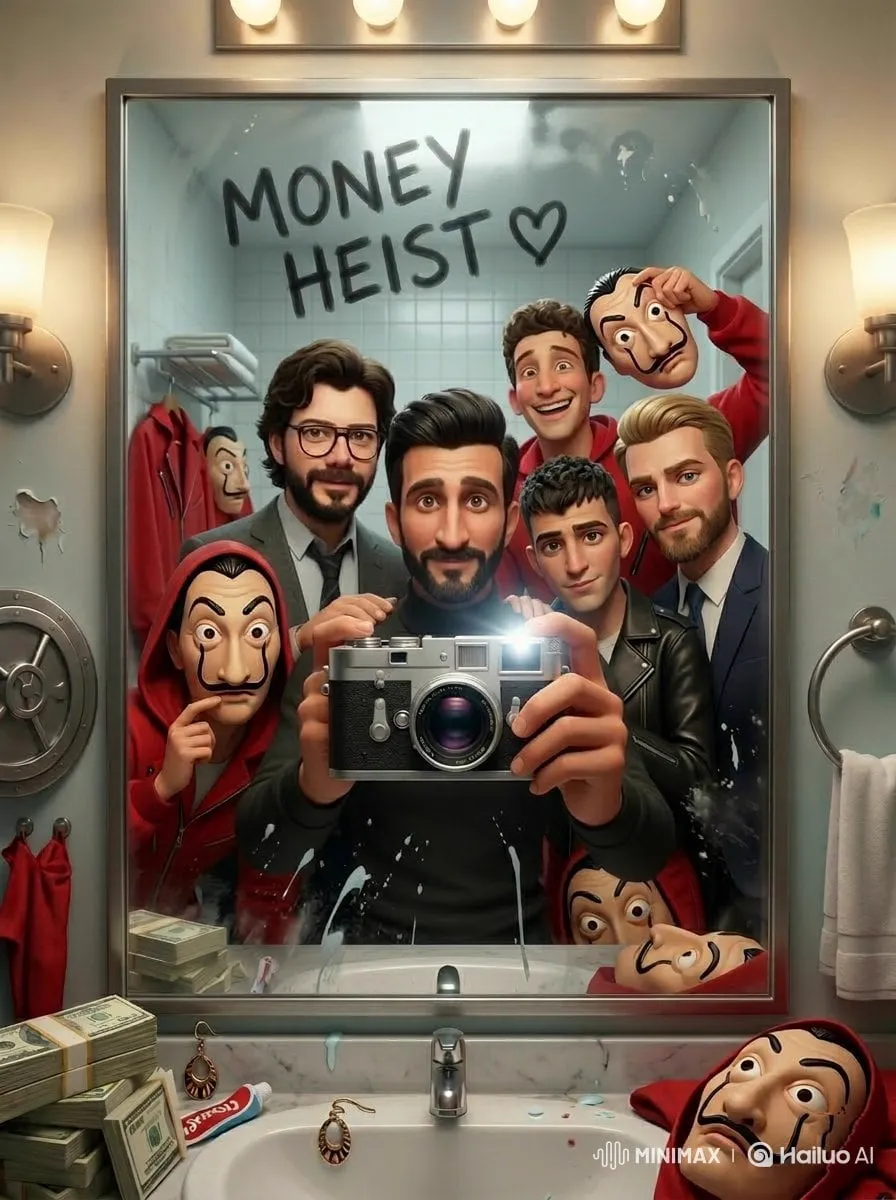
For talking-head or product content, generate a strong AI image first, then animate it with image-to-video to keep the look consistent. If you're starting from scratch, text-to-video gets you a base clip fast. The goal is not one perfect shot but a series of shots that feel like the same video.
4. Sound: the secret weapon
Add voiceover or captions that match the energy of the clip. Music should support the edit, not fight it. A simple rule: if the viewer can't hear the message on a phone speaker, the video isn't finished.
How to keep quality consistent
Consistency beats occasional brilliance. Posting three decent videos a week outperforms one perfect video a month, because the algorithm rewards momentum. Build templates: same intro style, same color grading, same voice. Your audience will start recognizing your content before they even read the caption.
What to do when a video flops
A flop is data, not failure. Look at the retention graph: if people leave at the hook, rewrite the opening. If they leave mid-video, the pacing is off. If the video performs but gets no comments, add a call to action. Iterate on the weakest point and move on.
Common mistakes
- Spending hours on effects nobody notices.
- Making videos longer than the idea justifies.
- Ignoring captions, even though most viewers watch on mute.
- Copying trends without adding your own angle.
FAQ
How often should I post?
Start with 3–4 times per week and stay consistent. Frequency matters less than reliability — the algorithm favors creators who show up regularly.
Do I need expensive gear?
No. A phone, good lighting, and clean audio are enough. AI tools handle the rest, from image generation to motion and voiceover.
How long should my videos be?
Match the length to the idea. Under 45 seconds works for most hooks; longer videos are only worth it if the content genuinely needs the time.
Final thoughts
The creators who win on short video aren't the most spontaneous — they're the most systematic. Write the hook, tighten the script, generate consistent visuals, and finish with clean sound. Do that every time and the ideas-to-reels journey stops being a struggle.
