
Affiliazione
Inizia Gratis Ora
AI動画生成の最前線2025:フォトリアルなシェーディングを実現する方法
Aug 3, 2026
2025年、AI動画はここまで来た
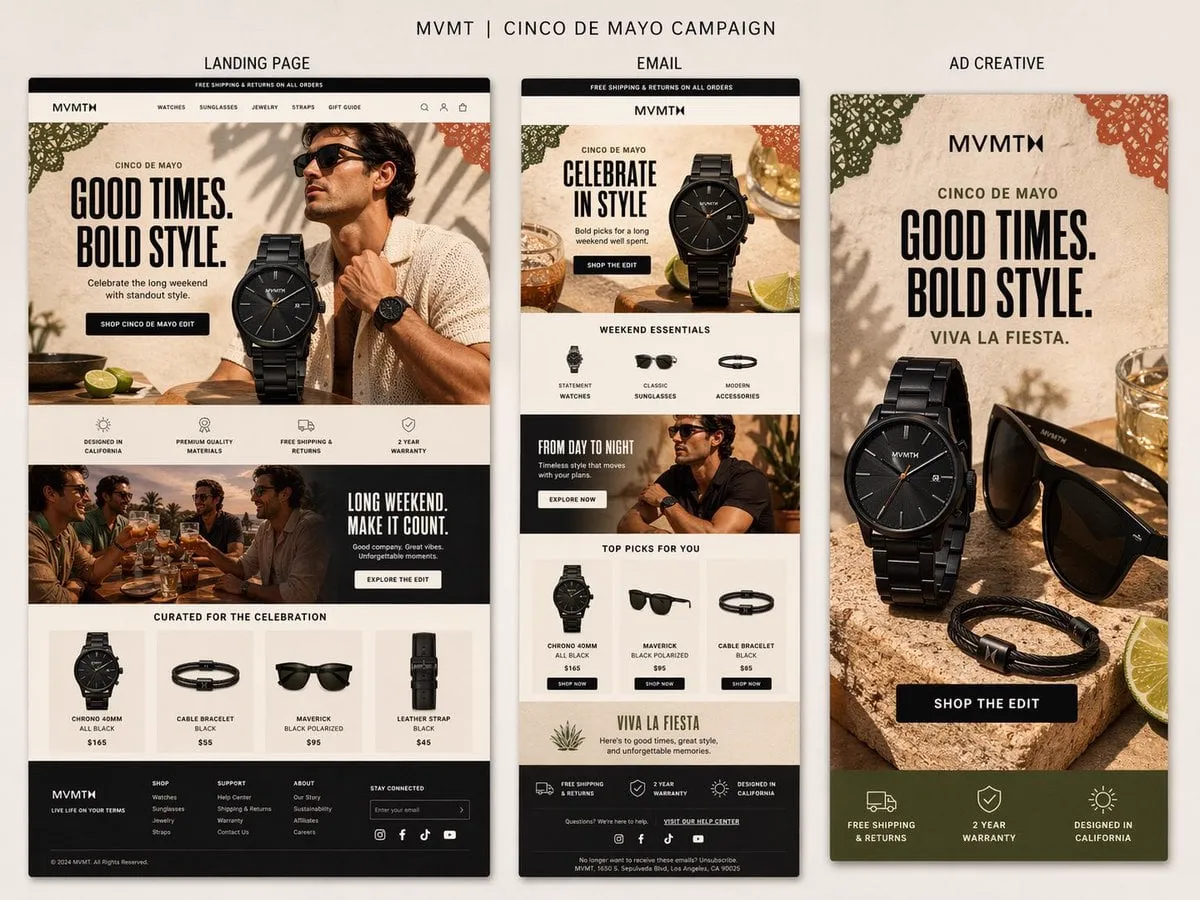
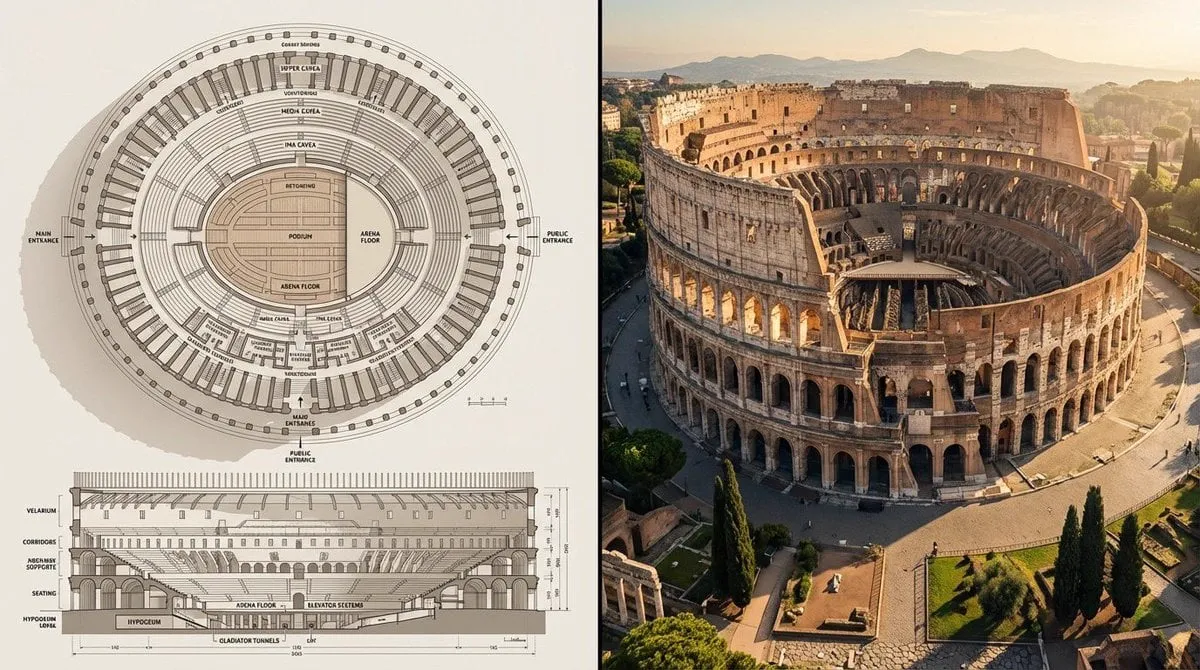
AI動画生成は2025年、質的な飛躍を遂げています。特に「フォトリアルなシェーディング」—素材の質感を光学的に正確に表現する技術—の進歩は目覚ましく、生成された動画と実写の区別がほとんどつかなくなりました。
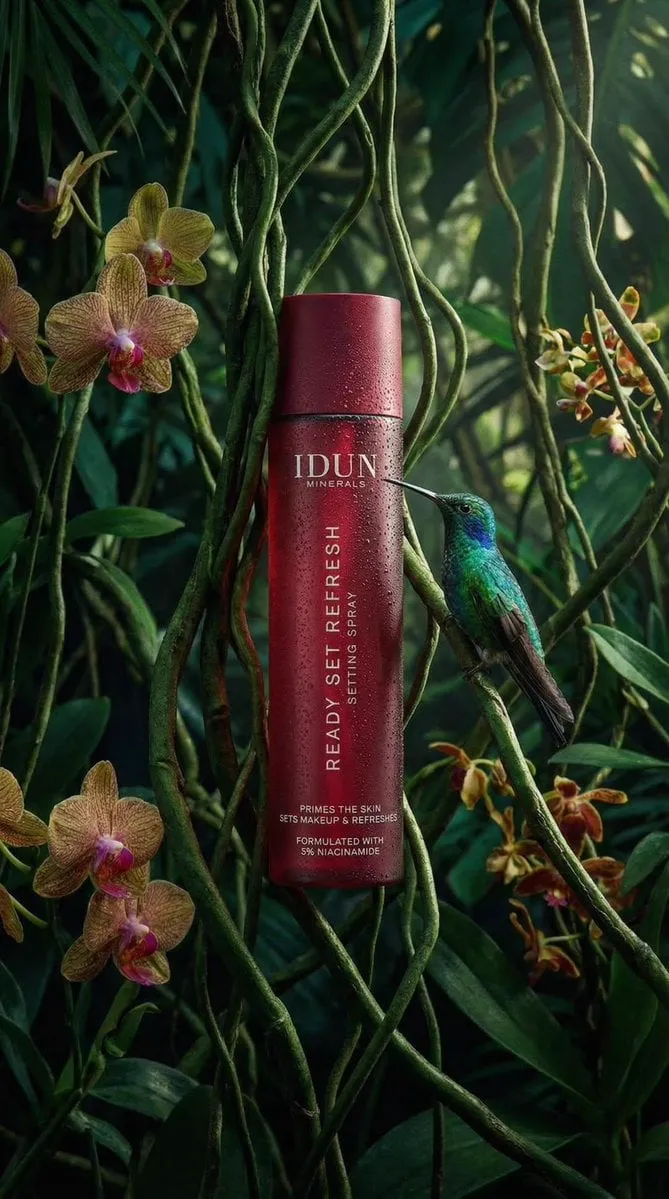
この技術の核心は、光と素材の相互作用を物理ベースでシミュレーションできるようになったことです。布の織り目、金属の反射、肌の半透明感—すべてが説得力を持つレベルに達しています。
フォトリアルシェーディングの3要素
表面下散乱(Subsurface Scattering): 光が肌や葉っぱのような半透明の素材に入り込み、内部で散乱して出てくる現象。これがあると「生きている」質感になります。
スペキュラ反射: 光源が素材表面に映り込む輝き。金属では強く鋭く、布では弱くぼやける—素材によって全く異なります。
環境光閉塞(Ambient Occlusion): 物と物の接点にできる自然な影。これがあるだけで立体感が格段に向上します。
最適なモデル選択
Domer AI Video Generatorで利用可能なモデル:
- Kling 3.0: テクスチャと質感表現の精度が最高レベル
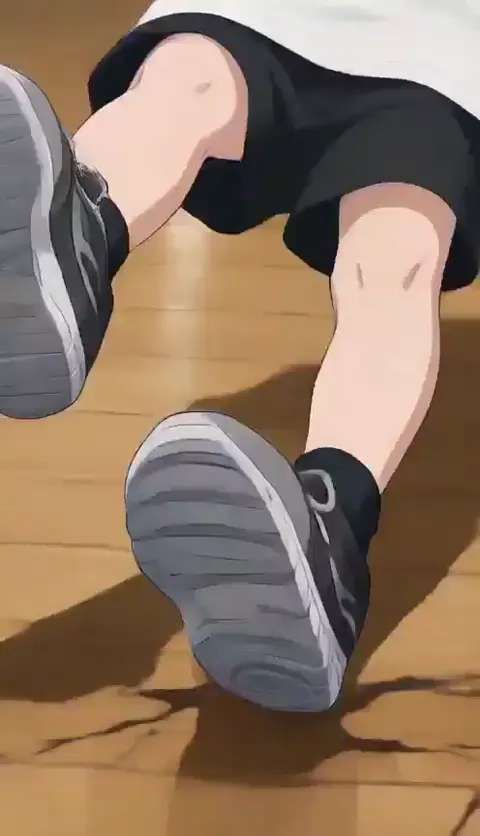
- Seedance 2.0: 動きのある被写体でもシェーディングが破綻しない
- GPT Image 2: 照明条件を正確に反映したキーフレーム作成に最適
実践テクニック
照明をプロンプトで制御する
"Soft key light from 45 degrees above-left casting subtle shadows, warm fill light at 20% reducing contrast, cool rim light creating edge definition, subsurface scattering visible on skin"
素材を指定する
"Polished brass surface with sharp specular highlights reflecting the scene, rough concrete wall with diffuse ambient occlusion in corners"
ワークフロー
- AI Image Generatorでシェーディングリファレンスを作成
- Image-to-videoで動きを追加
- Text-to-videoでバリエーションをテスト
よくある失敗と対策
- 照明の矛盾: 光源の方向をシーン全体で統一する
- 素材の非現実性: 「金属」「布」「肌」など具体的な材質名をプロンプトに含める
- 影の欠落: 必ず光源を指定し、影ができる条件を作る
フォトリアルシェーディングはもはや特権ではなく、正しい知識とツールがあれば誰でも達成できる技術です。

Alexander
More Blogs
Read MoreVidu Q4 Alternatives: 4K AI Video Models Compared (2026)
Vidu Q4 alternatives compared: Kling 4.0, Seedance 2.5, Wan 3.0, and Runway Gen-4 — 4K support, input modes, durations, audio, and what each costs in credits on Domer.
Top 4K AI Image Generators in 2026: 5 Models Compared on Real Costs
The top 4K AI image generators on Domer compared: Flux 3 Klein, Nano Banana 2.1, GPT Image 2.5, GPT Image 2, and Nano Banana Pro — 4K credit costs, reference limits, and speed.
Nano Banana 2.1 vs GPT Image 2.5: Which Image Model Should You Use? (2026)
Nano Banana 2.1 vs GPT Image 2.5 Flare compared: credit costs per resolution, aspect ratios, reference images, text rendering, and which tasks fit each model.