
Affiliazione
Inizia Gratis Ora
The Future of Content: Text-to-Video and Image-to-Video Powered by Advanced AI
Aug 3, 2026
The Content Creation Revolution
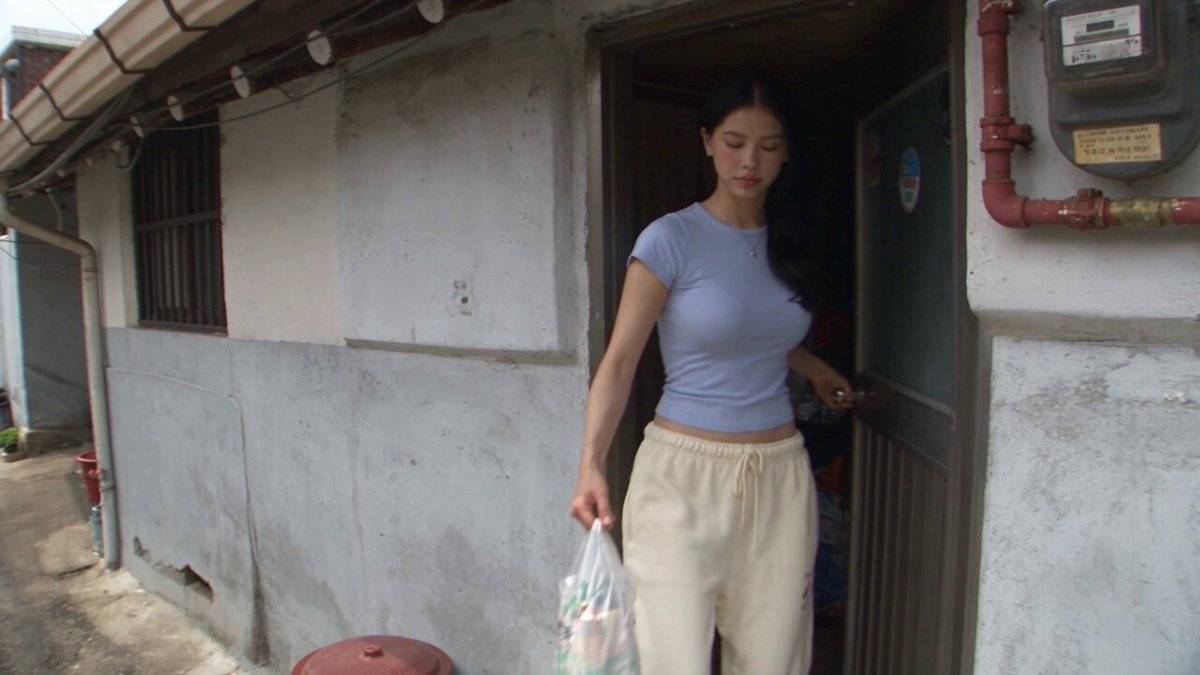
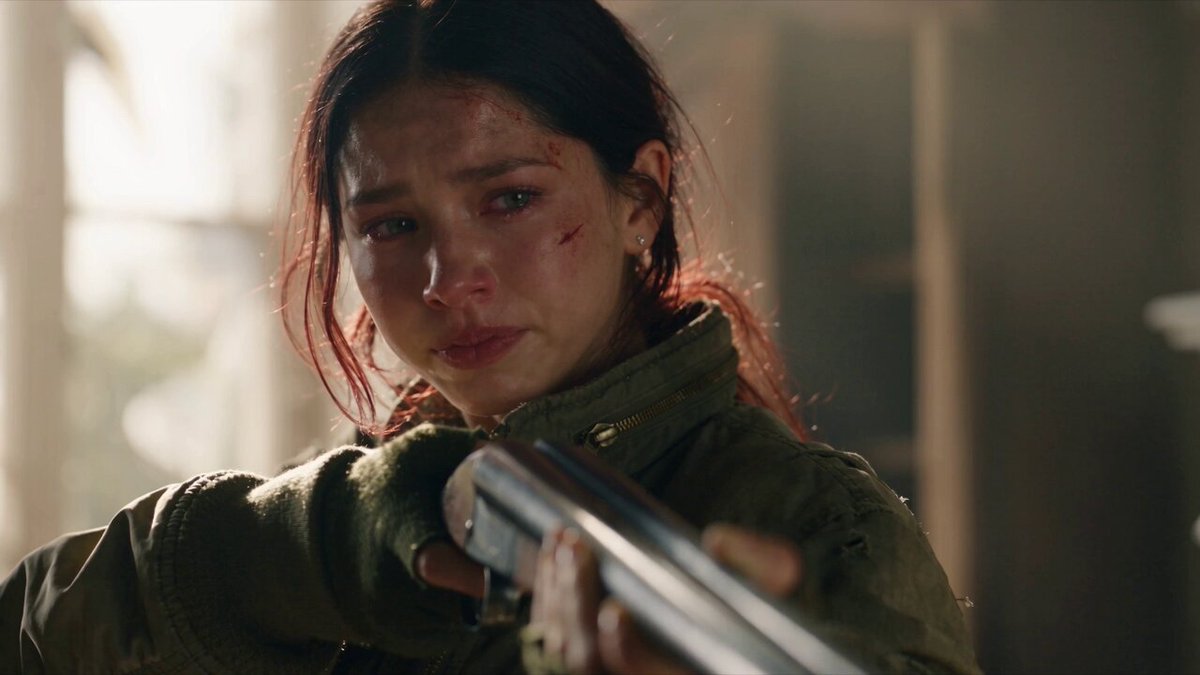
The content creation industry is experiencing its biggest shift since the invention of the camera. Text-to-Video (T2V) and Image-to-Video (I2V) technologies have moved from experimental labs to essential production tools, reducing what once took weeks to minutes.
The Technology Behind the Magic
How Text-to-Video Works
Modern T2V systems use massive diffusion models trained on enormous datasets. You type a description — "a drone flying over a neon-lit Tokyo street at night" — and the model synthesizes every frame, understanding physics, lighting, and motion. Text-to-video makes this accessible to everyone.
How Image-to-Video Works
I2V takes a static image and extrapolates motion from it. The model analyzes depth, textures, and object relationships, then generates plausible movement. Image-to-video can animate a product photo into a dynamic demo, or a landscape into a cinematic establishing shot.
What's Possible in 2025
Photorealistic Results
The gap between AI-generated and real footage is closing fast. Models can now render realistic skin textures, fabric movement, and complex lighting scenarios that were impossible just two years ago.
Temporal Consistency
Early AI videos suffered from flickering and morphing objects. Today's advanced models maintain character and object consistency across long sequences — crucial for narrative content.
Multi-Model Flexibility
No single model excels at everything. The best platforms give you access to multiple specialized models. AI video generator lets you choose the right tool for each task, from photorealistic product shots to stylized animations.
Real-World Applications
Marketing and Advertising
Create A/B test variants of ads in hours instead of weeks. Personalize video content for different audience segments at zero marginal cost.
E-Commerce
Transform static product catalogs into dynamic video showcases. AI image generator creates the base imagery, then video tools bring products to life.
Education and Training
Turn complex concepts into visual explanations. A history lesson becomes a cinematic reenactment. A physics concept becomes an animated demonstration.
Entertainment
Independent creators can now produce short films with production values that once required Hollywood budgets. Seedance 2.0 delivers cinematic quality at indie prices.
The Creator Economy Opportunity
Platforms are emerging where creators can train and monetize their own AI models. This transforms content consumers into model developers, creating new revenue streams and creative possibilities.
Getting Started
- Master prompt engineering: The quality of your output equals the quality of your input
- Build an asset library: Use GPT Image 2 to create high-quality source images
- Experiment relentlessly: Test styles, lengths, and formats to find what resonates
- Scale what works: Once you find a winning formula, AI lets you replicate it infinitely
The Bottom Line
Text-to-video and image-to-video aren't the future — they're the present. The tools are ready. The audience is waiting. The only question is: what will you create?

Alexander
More Blogs
Read MoreVidu Q4 Alternatives: 4K AI Video Models Compared (2026)
Vidu Q4 alternatives compared: Kling 4.0, Seedance 2.5, Wan 3.0, and Runway Gen-4 — 4K support, input modes, durations, audio, and what each costs in credits on Domer.
Top 4K AI Image Generators in 2026: 5 Models Compared on Real Costs
The top 4K AI image generators on Domer compared: Flux 3 Klein, Nano Banana 2.1, GPT Image 2.5, GPT Image 2, and Nano Banana Pro — 4K credit costs, reference limits, and speed.
Nano Banana 2.1 vs GPT Image 2.5: Which Image Model Should You Use? (2026)
Nano Banana 2.1 vs GPT Image 2.5 Flare compared: credit costs per resolution, aspect ratios, reference images, text rendering, and which tasks fit each model.