
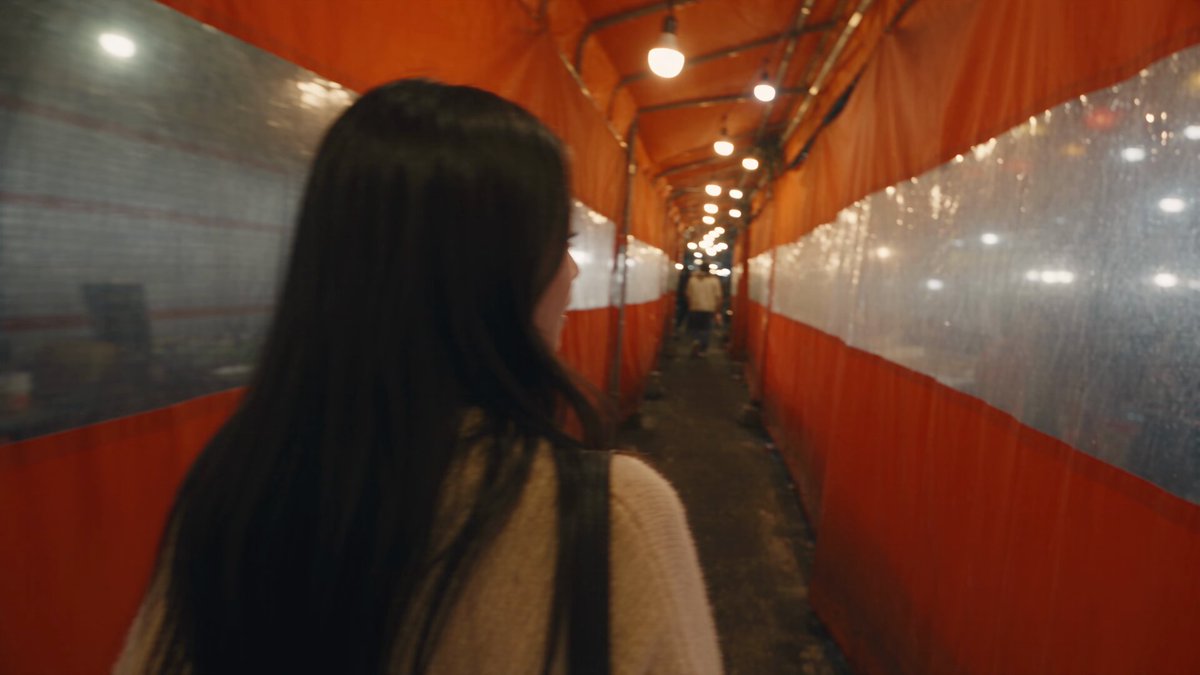
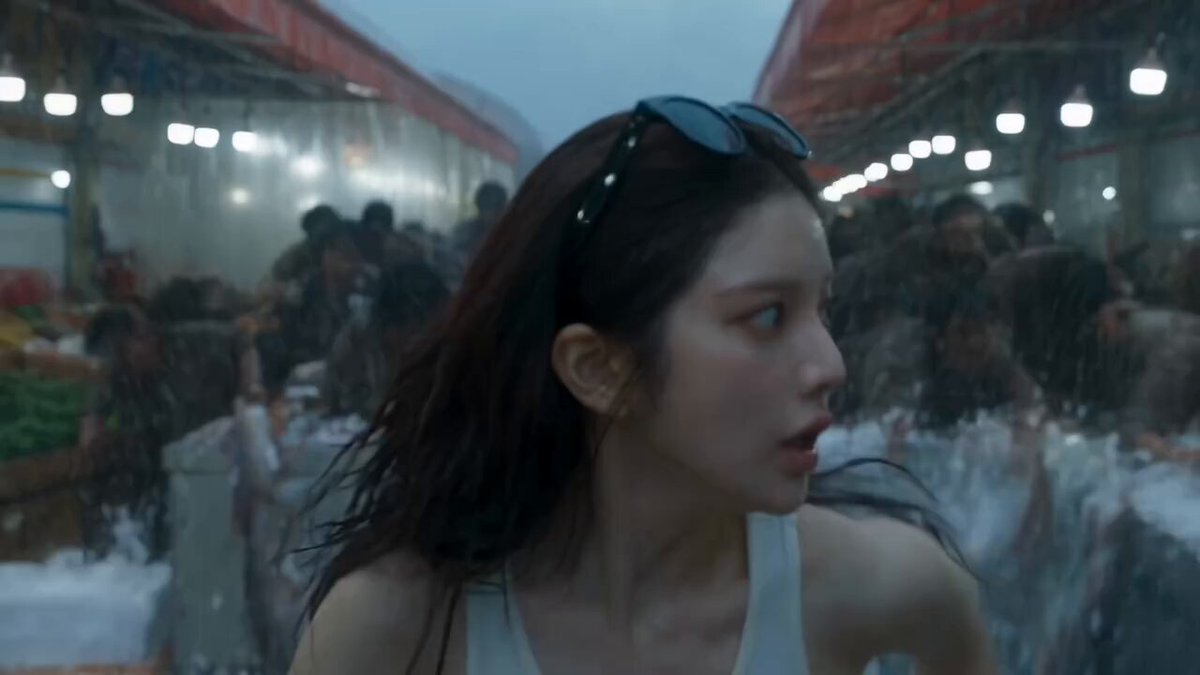
Every great film starts with a story told well. The technology that creates the moving images has improved so quickly that producing footage is no longer the bottleneck. The real bottleneck is direction: deciding what should happen, in what order, and how each shot should feel. This is where an AI director changes the process. Instead of typing a loose idea and hoping the result looks cinematic, you hand the creative arc to a system that understands scene structure, camera language, and narrative pacing.
This article explores how an AI director raises the standard of digital storytelling. It covers intelligent scene composition, automated cinematography, character consistency across cuts, and how these pieces fit into a larger production that generates footage and manages resources efficiently.
Why Storytelling Needs a Director, Not Just a Generator
Video generation models have become remarkably good at producing individual, photorealistic clips. The trouble is that a great film is not a collection of great clips. It is a sequence with momentum, cause and effect, and emotional build. Left to themselves, generation models happily produce impressive images with no narrative logic tying them together.
A director supplies the connective tissue. They decide whose point of view the audience shares, what information is revealed when, and where the emotional beats land. With AI-assisted direction, that structuring work becomes faster and more systematic. You can sketch a story, let the system suggest a shot plan, and refine the plan before a single frame is rendered.
The practical benefit is control. You move from accepting whatever a model produces to prescribing the shape of the story and using the model to realize it. That is the difference between being a spectator of AI and being its director.
Building Intelligent Scene Structures
The first layer of good direction is deciding what scenes exist. A well-told story breaks into beats, each with a purpose: introduce a need, present an obstacle, raise the stakes, turn the situation, and land the resolution. An AI director can take a rough logline and propose this beat structure.
From the beats come the scenes. Each scene needs a setting, the characters present, and the dramatic question it answers. Laying this out before rendering means you never have the awkward problem of a beautiful shot that does not advance anything. Every frame you commission is doing narrative work.
Treat the scene plan as a working document. You will revise it as ideas crystallize. The advantage of AI assistance is speed: it is cheap to reorder, split, or merge beats when the plan is just text, compared with the cost of rendering footage you later discard.
Automated Cinematography and Camera Language
Cinematography is the visual grammar of emotion. A wide shot establishes space and isolation. A close-up builds intimacy and tension. A low angle makes a subject feel powerful, while a high angle diminishes them. An AI director applies this grammar automatically when it translates a story beat into a camera instruction.
You can think of it as a rule engine layered over a powerful generator. The system knows that a plot twist calls for a tighter shot, that a reveal benefits from a slow push-in, and that an action peak wants faster cuts. You retain creative veto, but the defaults are already cinematic.
This is especially useful for creators who have strong story instincts but less training in camera craft. The AI acts as a collaborator that understands lens choices, shot sizes, and movement patterns, letting you focus on story and performance rather than technical exposure.
Keeping Characters Consistent Across Cuts
One of the hardest problems in generated film is character consistency. Generate the same person in two different scenes and the model may subtly change their face, wardrobe, or proportions. Viewers notice on some level even when they cannot name the difference, and it quietly erodes believability.
The solution rests on storing a strong visual reference for each character and reusing it across scenes. Multi-image fusion techniques lock in a character's identity by combining reference imagery with the current scene description, so the face and style carry over reliably.
The practical workflow is to establish a character sheet first, then reference it in every shot that features that person. When you maintain this discipline, a protagonist's appearance stays coherent across narrative chapters, which makes the story far more immersive.
Directing the Emotional Arc
A story is only as compelling as its emotional arc, and the arc comes from the relationship between the beats, not from any single image. An AI director helps you map the audience's emotional temperature across the runtime and check that it moves as intended.
You can define a simple emotional curve for your piece: where it feels calm, where it builds tension, where it peaks, and where it releases. Then audit your scene plan against that curve. If two intense scenes sit back to back with no breathing room, the impact of each is blunted. If the peak occurs too early, the ending will feel anticlimactic.
This kind of structural editing used to be the last thing creators checked. With AI assistance, it becomes an early planning step that shapes everything downstream.
Bringing It Into a Production Workflow
An AI director works best when it is wired into the same pipeline that handles the technical details. The system behind generation typically manages jobs through a task queue, stores content in a database, and tracks resource usage. When direction and rendering share that infrastructure, the handoff from storyboard to image is seamless.
The coordination layer matters for one practical reason: budget. Every generated scene consumes compute. A director that plans efficient shots, reuses assets, and avoids wasteful re-renders directly controls cost. Understanding how your plan translates into resource use lets you produce ambitious work without running over budget.
A Practical Checklist for AI-Directed Storytelling
The following checklist compresses the director's process into repeatable steps:
- Start with a one-sentence logline that states the story's core.
- Expand into a beat list of five to eight narrative turns.
- Assign each beat a setting, characters, and a dramatic question.
- Map the emotional curve and adjust the beat order to smooth it.
- Write a shot plan that serves the mood of each scene.
- Establish character reference sheets before generating footage.
- Reuse assets and references to control cost and preserve consistency.
- Review the assembled cut for pacing and emotional logic.
- Re-render only the beats that fail, never the whole piece.
An FAQ for Aspiring AI Directors
Do I need to learn traditional cinema theory? It helps, but an AI director encodes much of it. Understanding shot sizes and emotional pacing still sharpens your taste.
How long until AI replaces human directors? It replaces repetitive tasks, not the creative vision. The director's judgment about what a story means is the part machines extend rather than own.
Can I keep my personal style? Yes. The AI follows your prescriptions. Your choices about beats, tone, and framing remain your signature.
What is the biggest mistake beginners make? Ignoring the beat structure and jumping straight to generating images. The story plan is what makes the output feel directed rather than random.
Auditing Your Cut Like a Cold Editor
The final moments of a project are where amateur and professional work diverge. An AI director can generate a first cut, but the creator's most valuable contribution is the ruthless pass that follows. Watch the assembled sequence without the safety of knowing your own intent, and ask what an outsider would feel at every turn.
Look for pacing stalls: two generous scenes that say the same thing, or a reveal that lingers past its impact. Flag any shot that does not move story or feeling. Replace the words you love with the beats the audience needs. When in doubt, cut and see whether the loss is real or only apparent.
This editing discipline is what turns a technically competent piece into one that people remember. The AI provides density of options; you provide the judgment that selects, orders, and trims toward meaning.
Balancing Reference Control and Surprise
A tension runs through every generated story: too much control produces a safe, sterile piece, while too little control produces chaos. The balance that works best for most stories is to enforce consistency rigidly on identity and setting, then leave room for surprise in performance and composition.
Lock the character sheets and world palette without negotiation. They are the grammar of your world. Within that grammar, allow the generation latitude: an unexpected expression, a serendipitous bit of movement, a lucky composition. These accidents are often what make footage feel alive.
Treat the reference layer as your constraint and the generation as your collaborator. When a surprising result serves your intent, keep it. When it breaks the grammar, reject it. A director who holds that line consistently develops a recognizable voice.
Scoring the Emotional Delivery
Sound and timing amplify what an AI director provides visually. A scene's emotional weight depends on when the cut lands, how long the frame holds, and what the audience hears beneath it.
Line up your emotional curve with the cut rhythm. Build to a peak with progressively tighter shots and shorter holds, then let the release land in a wide, quiet frame. Silence can be the loudest choice at a turning point. Match transitions to the mood: matched cuts to bind ideas, hard cuts to punch action, and dissolves to suggest the passage of time.
The director layer can suggest these moves, but you must hear them. Play the sequence with the audio muted, then again with it, and feel the difference. The version that holds your attention through both passes is the stronger cut.
Teaching a Repeatable Process to a Team
Once the director-style workflow is proven on a short project, it becomes teachable. Document the beat template, the reference bible, and the review checklist so collaborators can produce work that fits the same language.
Create lightweight templates that encode the chapter structure of a standard piece. Make the character and world references easy to load. Agree on a shared final review checklist. With these in place, a team can work in parallel without eroding coherence, because every piece speaks the same visual grammar.
This is how a solo exploration becomes a studio habit. The process, not any single video, is the asset that makes consistent, high-quality output reproducible at scale.
Working With Genres That AI Handles Differently
Different kinds of stories stress different parts of the workflow, and knowing this in advance saves iterations. A character drama lives or dies on consistent faces and subtle performance, so the reference sheets deserve the most attention. An action sequence demands strong physics and dynamic camera moves from the underlying models, so choosing a capable foundational model matters more than fine narrative tinkering.
A documentary-style or episodic piece needs a dependable world that viewers revisit, so lock environments even more strictly than characters. A comedy relies on timing and edit rhythm, so the audio and cut-pass stages carry the weight. Genre awareness keeps you from pouring effort into the wrong layer.
Before you begin, write a one-line note identifying your genre's most fragile element. Give that element the first and best review passes. When something feels off but you cannot name it, the weakness is almost always in the genre's critical layer, and the reference, model choice, or rhythm is where the fix lives.
Avoiding the Uncanny in Generated Faces
Faces are the most scrutinized element in human vision, and generated faces can drift into the uncanny when subtle proportions are wrong. The most reliable defense is a strong reference: give the model a definite identity to anchor against rather than an open-ended prompt.
Keep faces in good lighting across shots and limit extreme angles that force the model to invent geometry. When a face looks slightly off, re-roll rather than accepting it, because the audience will read the wrongness even if they cannot say what it is. Compare the result against the approved reference before you render any full scene.
There is a trade-off between photorealistic fidelity and expressiveness. A heavily stylized, slightly abstracted face is often more forgiving than an imperfect attempt at photorealism. If your story keeps producing uncanny results, consider leaning into a more consistent stylization rather than chasing realism that the model cannot reliably hit.
The Business of Releasing an AI-Directed Film
A film you can actually release and share is the point of all this craft. Before you publish, settle the practical decisions that determine whether the work reaches an audience.
Choose the aspect ratio and resolution that fit the platform you are releasing to, and export cleanly with proper encoding. Confirm that your music and reference assets are licensed for use, because a copyright issue at launch is a painful way to learn an unforced error. Prepare a title and description that honestly describe the piece, and pick a thumbnail that reflects its strongest moment (applying the same attention earned elsewhere for engaging, honest covers).
Set expectations for your audience with a clear logline so the story's promise is explicit up front. Whether you release on a short-form feed or a longer screening platform, treat publication as the final act of direction rather than an afterthought, because the decisions you make there determine who ever sees the story you worked so hard to tell.
The Next Chapter of Storytelling
Generative video removed the barrier between imagination and footage. An AI director now removes the barrier between footage and story. Together they let a single creator, or a small team, work with the structural discipline of a studio and the speed of a solo workflow.
The result is more voices in the field, because expertise in editing cameras and film grammar no longer has to be learned before a first story reaches an audience. Start with the beat structure, add character sheets, trust the camera language, and measure everything against the emotional arc you designed. When the story leads and the technology follows, the craft of storytelling reaches new heights.
