

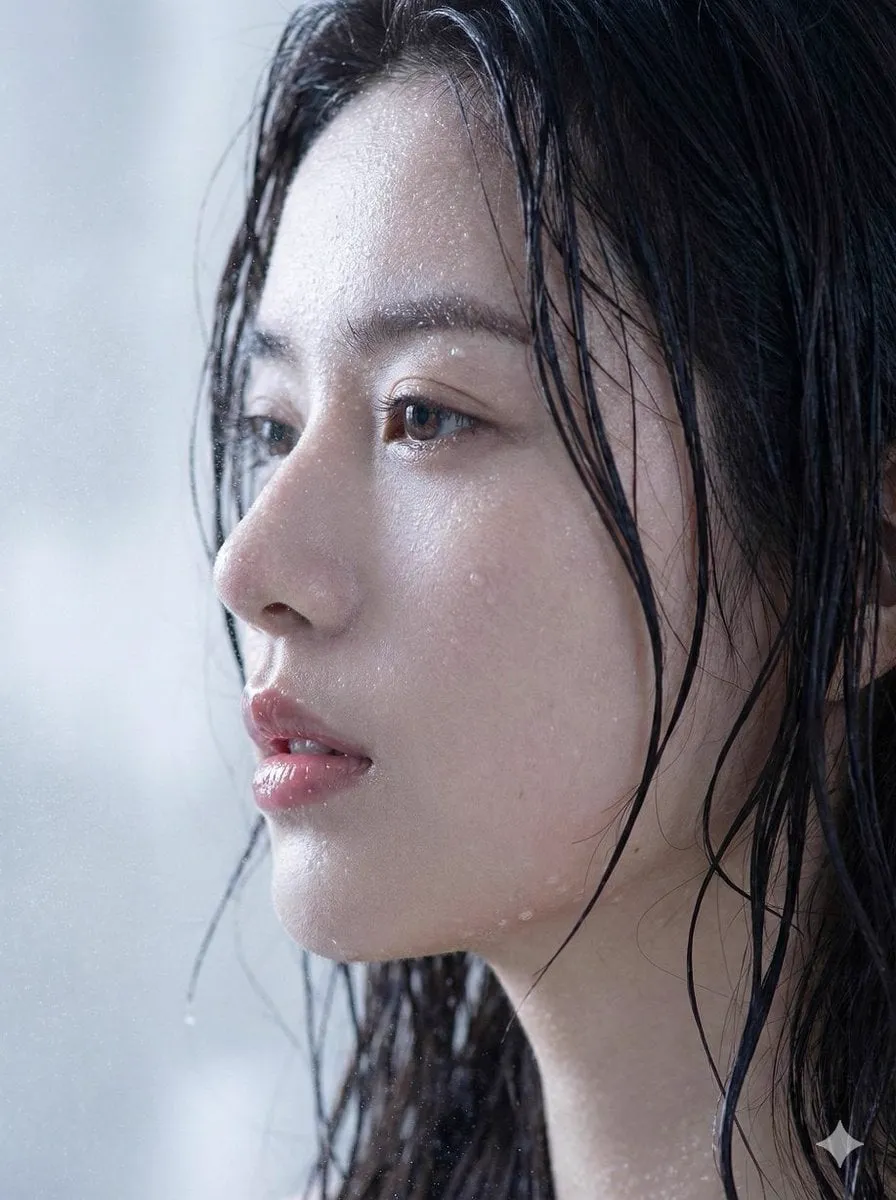
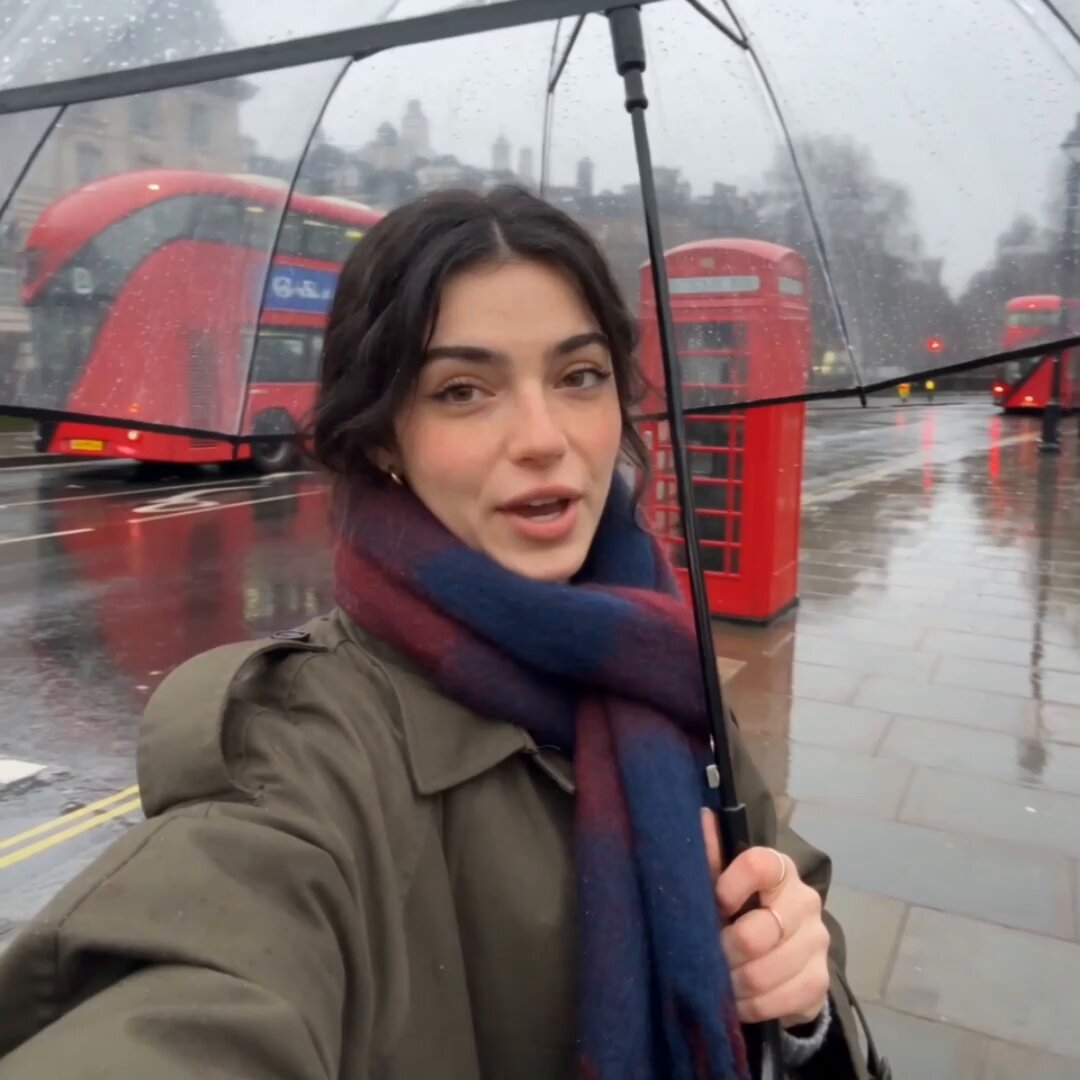
A video is not a collection of pretty images; it is a story told through images, sound, and time. The moment you treat AI video generation as a storytelling problem instead of a rendering problem, everything changes. Tools that turn a text prompt into a moving picture are only as useful as the story you ask them to tell, and the difference between a forgettable clip and a scene that sticks comes down to narrative craft.
This guide breaks down the techniques professional storytellers use, scene design, character, suspense, and emotional payoff, and shows how to direct those techniques through modern AI video tools. The goal is not to make you a cinematographer overnight, but to give you a concrete set of decisions you can make at every step so your output tells the story you intend, on purpose, instead of by accident.
Start with the story arc, not the pretty shot
The most common mistake in AI filmmaking is starting from an image the creator finds cool, a dramatic robot, a glowing city, and then trying to stitch a story around it later. I would reverse that. Decide what the narrative is doing first, then design shots to serve that narrative hard work. When you begin from the image, you become a slave to it; when you begin from the story, the image does its job.
Every short video worth watching has the same skeleton: something establishes, something changes, and something resolves. You can collapse that into three beats for a short clip, or keep it loose for a longer piece. Establish defines what world we are in and who we care about. Change introduces a tension or a question that demands an answer. Resolve delivers an answer, an emotional release, or a hook that makes the viewer want more. Name those three beats before you generate anything, and you have given yourself a map.
Before you write a single prompt, write your video's arc in one or two sentences. "A lone traveler crosses a desert and finds an oasis just as his water runs out." Now every shot you design has a job to do. That one sentence tells you what to show, where to put the visual emphasis, and where to build anticipation. It turns your generation session from a lucky draw into a directed shoot where each frame earns its place.
Write a shot list that the AI can follow
A shot list is your camera language, translated into prompts. The goal is to make each instruction specific enough that you, and the model, see the same frame. The shot list is the single highest-leverage document you can write, because it is where story becomes picture and where most of your creative control actually lives.
For each shot, write four things: the subject, the environment, the camera movement, and the mood you want the audience to feel. A cloudy, generic line like "the hero in a field" gives the model almost nothing to work with. A directed line like "a weathered man in a long coat stands at the edge of a wheat field at dusk; slow push-in, warm backlight, quiet melancholy" gives it a clear target and a strong chance of hitting it.
Order the shot list to match your arc. Open with a wide establishing shot that answers "where are we?" Then move to the subject and the change. Save your tightest, most emotional shot for the resolve. Keeping the shot order tied to the narrative prevents the video from feeling like a random slideshow, and it makes the final assembly far easier because the pieces already fit together. A shot list is also your review checklist; it tells you when a clip is wrong.
Suspense, release, and emotional payoff
Tension is what makes an audience lean forward, and it is built in the story structure before it is built in the picture. The useful pattern is variation: contrast high-energy moments with quieter ones so the highs land harder. The audience calibrates what "exciting" means from the range you show them, so if everything is tense, nothing feels tense at all.
Build suspense by withholding. Show the anticipation that something will happen, the empty chair in a storm, the door at the end of the hall, the message that arrives with no reply, before you show the event itself. This delay converts curiosity into a held breath and buys you their attention for a few more seconds. It is one of the cheapest, most reliable ways to raise engagement in a short video.
Then, when you deliver the payoff, make the visual change unmistakable: a burst of light, a sudden action, a face moving from worry to relief. The emotional release, sometimes called catharsis, is the moment the tension breaks, and you should direct it deliberately. If your video is a product story, the release might be the moment the product solves the problem. If it is narrative, the release might be the reveal that the setup promised. Whatever it is, give it space. Spend as many frames on the payoff as the video can afford, because this is the moment your audience will remember and share. A payoff that lands too fast reads as anticlimactic; one that is given room lingers in the memory.
Scene design that supports the emotion
Scene design is the environment's version of a character. The same line of dialogue means something different on a sunny rooftop than in a rain-flooded alley, so choose environments the way a director picks a setting rather than the way a stock photographer picks a background. The environment should be doing emotional work on its own.
Match the environment to the emotional beat. For a scene that needs hope, use open space, high key lighting, and warm color. For one that needs confinement or dread, use tight framing, shadow, and cool tones. Color is shorthand emotion; you can steer it explicitly in your prompts with color-grading cues like "teal and orange, desaturated mid-tones" or "warm sunrise palette." These cues travel from the prompt into the frame, and they are surprisingly reliable.
Depth is the hidden tool in scene design. An image that lets the eye travel, foreground element, midground subject, background environment, feels far more cinematic than a flat picture. Ask for layers in your prompt, a bokeh foreground, a receding street, a mountain on the horizon. That sense of depth is what makes a generated frame feel like it was shot on a real camera with real attention, rather than assembled from flat shapes.
World-building: keep it consistent
Once your audience believes the world, every inconsistency shatters it. In short-form AI video, the biggest consistency risks are characters and environments. A character whose face changes between shots, or a room whose lighting flips for no reason, instantly reads as broken and pulls the viewer out of the story.
Solve character consistency before you generate by building a reference set. Since AI tools now fuse multiple reference images, prepare a small library of your hero's look, front and side views, clothing detail, and setting. Then reference the same elements in every prompt that includes the character. Consistency is not a single lucky generation; it is the discipline of feeding the same anchors again and again.
Apply the same discipline to environments. If a scene returns, keep its palette, its camera height, and its light source consistent, or the spatial logic collapses. Manage time consistently too; if shot one is golden hour, do not let shot four jump to noon without a reason. When you deliberately want time to pass, tell the story in a sequence of consistent vignettes, dawn, noon, dusk, rather than random jumps. The audience tracks this subconsciously, and usable consistency is what separates professional-looking output from an obvious AI montage.
Directing motion and action
Video's unique power over a still image is its ability to show movement, and movement itself can tell the story. Rising motion feels hopeful; falling motion feels dramatic; a sudden freeze feels like a caesura that concentrates attention on a single detail. Choose your motion the way you choose your words.
Use camera moves to shape emphasis before you generate. A slow push-in increases intimacy and tension as the frame closes in. A slow pull-back reveals context and scale, often used for an establishing moment or a release that opens the world up. A tracking shot that follows a moving subject builds energy and is useful for action dynamics. You can specify all of these directly in the prompt, and the current generation of models responds well to explicit camera instructions.
Within the moving shot, direct the subject's action verbs. "The dancer leaps and arcs through the air" gives the model a specific physical event to render. Verb-rich prompts produce more dynamic, believable motion than adjective-heavy ones, which tend to produce static beauty shots. When you need both dynamism and clarity, lead with the action verb and then add the emotional environment around it. Let the movement carry the message, and let the environment amplify the mood.
An editing-friendly production loop
Treat generation as footage acquisition, then cut. The professionals who get the most out of AI video treat every generated clip as raw material to be edited, not as a finished deliverable. That one mental shift changes how you approach an entire session, because it stops you from obsessing over a single render and frees you to think in sequences.
Generate your shot list as a set of separate clips rather than trying to make one long, consistent slab. Short clips mean each one only needs to get a single beat right, and it makes it far easier to swap, retime, and rearrange in the edit. Then assemble with a simple rhythm: cut on the action, cut on the beat of the music, and cut before the audience gets bored. Most short videos benefit from being tighter than they feel comfortable with.
This loop is fast by design. If a shot misses its emotional mark, regenerate it with one variable changed rather than tolerating it or salvaging it with heavy effects. The low cost of retry is the real advantage of the AI workflow, so use it. A filmed shoot cannot be regenerated a dozen times for free, but a generated one can, so exploit that power to polish each beat until the arc reads cleanly and every frame earns its place.
A complete story-driven recipe you can follow today
To bring everything together, here is a compact recipe that works for a short story-driven video and adapts to ads and explainers. Step one, write the arc in a single sentence, stating what establishes, what changes, and what resolves. Step two, turn that into a shot list with four fields per row, subject, environment, camera move, and the emotion that shot should produce. Step three, assign each shot its role in the arc, establishing, tension, or payoff, so the emotional curve is intentional rather than accidental. Step four, build your reference set for characters and worlds, and write the style block you will reuse. Step five, generate each shot against the list and review it against the plan, regenerating anything that misses its emotional mark. Step six, assemble on the beat of the music, cutting on action, and lay calm audio under the picture. Step seven, watch it once with fresh eyes and trim anything that sags.
This recipe works because it front-loads the thinking, which is also the part of you a machine cannot replace. The generation and the editing are straightforward once the story is decided; it is the planning that separates a clip from a scene. Run the recipe once in full and you will have a template you can reuse for every subsequent project, changing only the arc, the shot list, and the references. The process becomes the product, and the product improves every single time you use it.
Frequently asked questions
Why do my AI clips feel like a slideshow?
Because they lack a narrative through-line and camera motion. Add an arc you can state in a sentence, write a shot list that follows it, and add camera moves so frames feel connected rather than static and disconnected.
How do I stop my character from changing between shots?
Build a reusable reference set from multiple angles and apply the same references and descriptions in every prompt that includes the character. Consistency is a cumulative habit, not a single fix that works once.
Do I need to write a full script?
Not a screenplay, but do write your story arc and a shot list. Those two documents are the minimum for a directed result. A full script helps when the piece is dialogue-heavy, but the arc and shot list carry most of the value for visual storytelling.
What length should a story-driven AI video be?
As short as it needs to be to deliver its arc cleanly. Ten seconds of well-sequenced beats beat thirty seconds of wandering. Expand only when the story genuinely needs more time, never just to hit a target length.
Can the same techniques work for ads and explainers?
Yes. Ads have a product arc, problem, solution, benefit, and explainers have a learning arc, hook, concept, example, takeaway. Apply the same shot-list and payoff logic, just to a different story shape. The craft transfers across formats.
