
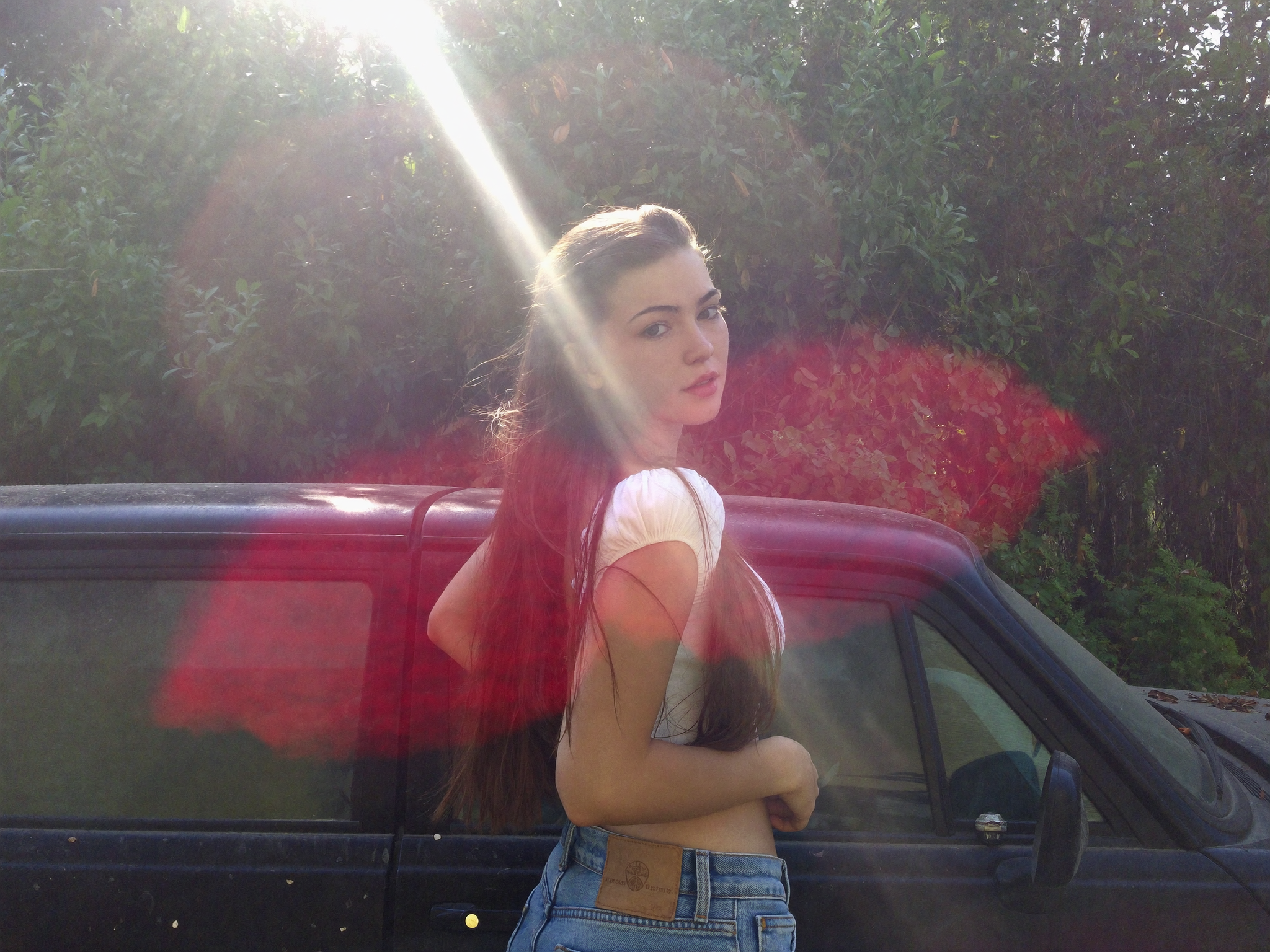
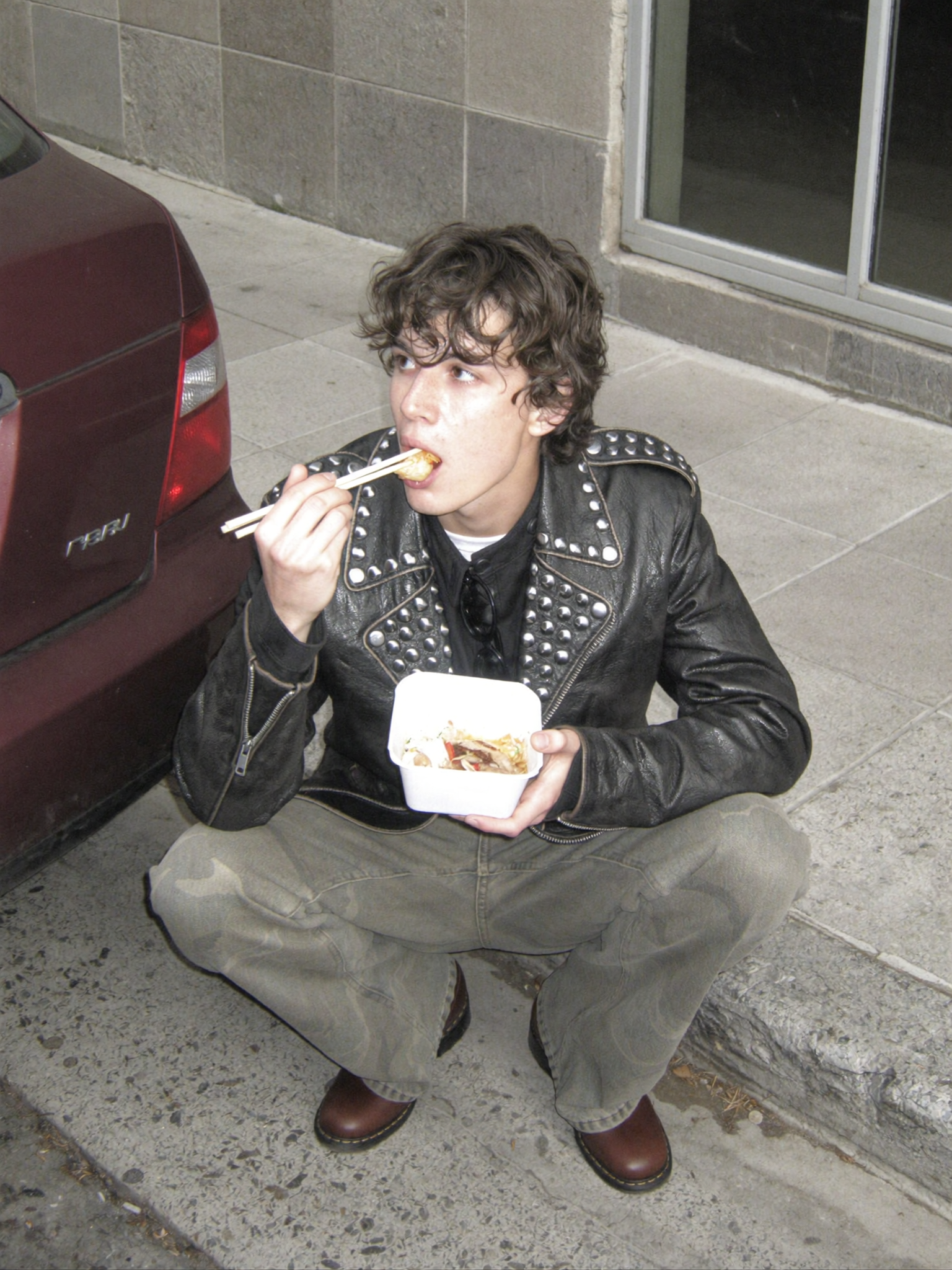
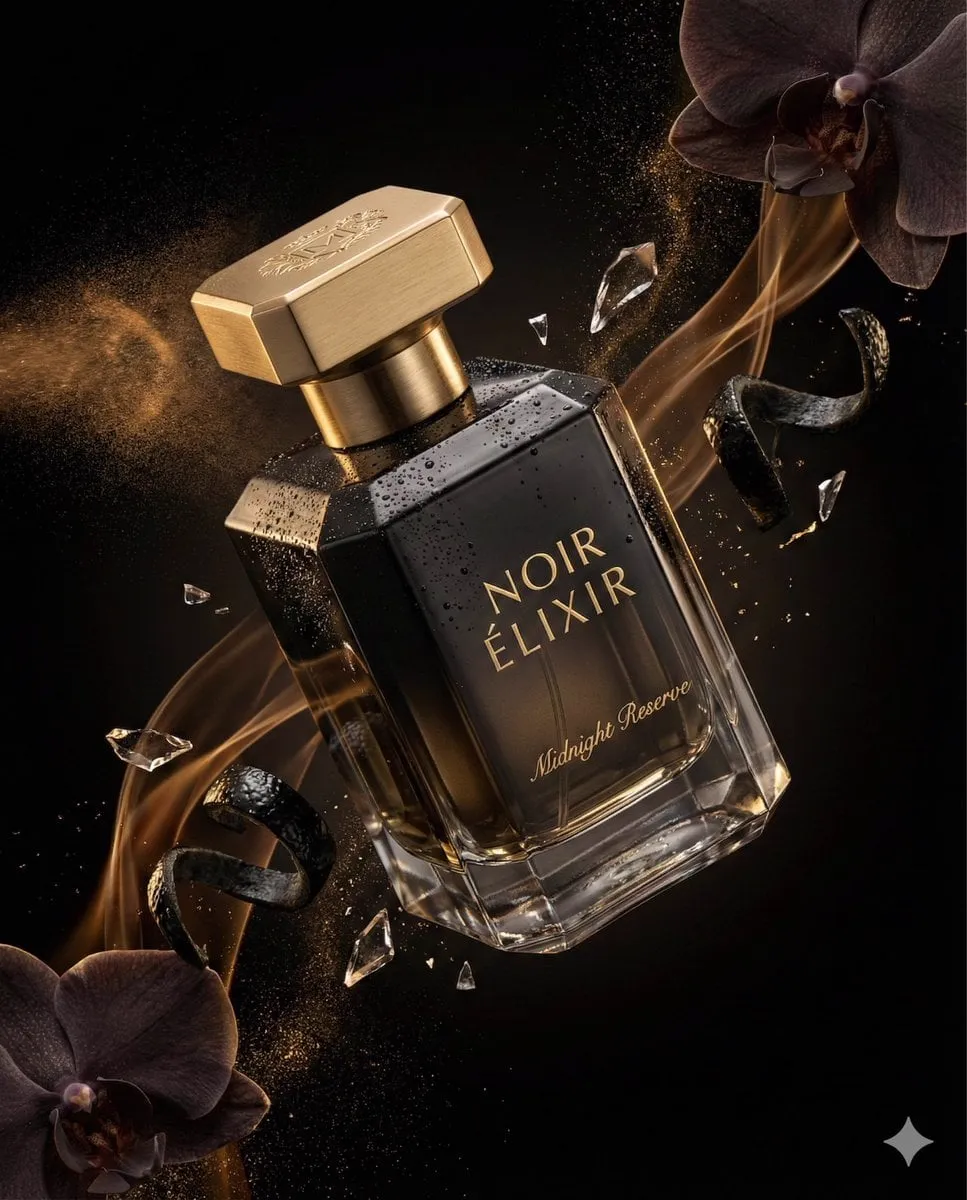
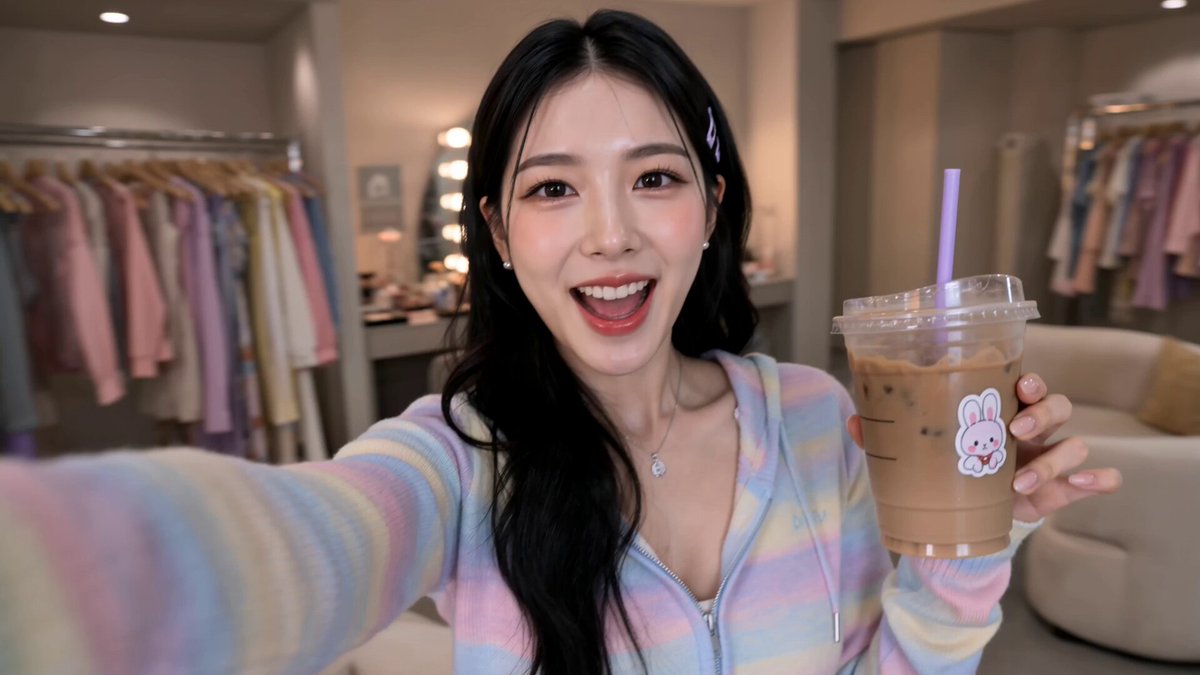
Direction has always been one of the most human crafts in filmmaking. A director reads a script, visualizes a shot, coaxes a performance out of an actor, and decides exactly where the camera sits to make an audience feel a certain way. That craft is now being augmented by a new kind of tool: the AI video director agent. Instead of merely generating images from a prompt, these agents organize the entire production pipeline — breaking a story into shot lists, maintaining character consistency across scenes, and even recommending camera moves. For solo creators and small teams, an assistant like this closes the gap between a rough idea and a polished, cinematographically coherent scene. This guide explores what these agents actually do, where they help most, and how to work with them.
What makes a director agent different from a plain generator
A conventional text-to-video model answers one question: what should the image look like? A director agent answers a more ambitious one: how should a story be told visually? It reasons about structure, plans sequences of shots, and keeps a coherent world alive from one scene to the next. Think of it as the layer of intent sitting on top of generative video.
Core abilities worth knowing
- Scene and shot planning. Break a concept into an ordered set of shots with suggested compositions and camera work.
- Character consistency. Remember that a character looks the same in scene three as in scene one, reusing reference material to keep faces and costumes stable.
- Automated cinematography. Recommend framing, lens feel, and camera movement that fit the mood of the scene.
- Narrative continuity. Keep pacing and emotional tone coherent across the whole piece, not just within a single clip.
Using the agent to plan a scene
The most useful starting point with a director agent is not a single image prompt — it is a creative brief. Give it the scene's purpose, the characters involved, the setting, the emotional beat you want the audience to feel, and any reference images you already love. The agent can then assemble a shot list that turns that intent into a shooting sequence.
A typical brief might say something like: "A nervous first pitch in a modern office boardroom, afternoon light through floor-to-ceiling windows. Establish the room, then move to a tight shot of the founder's hands, then a medium shot of the investor's skeptical face." From that, the agent can structure the sequence, decide the appropriate camera moves, and keep the same characters and lighting across every shot so the final edit feels continuous rather than stitched together.
Breaking direction into manageable shots
Instead of one massive long clip, a director agent typically suggests generating several shorter shots and assembling them. This is largely a reliability strategy: shorter generations are stable, and each shot can be refined on its own. The plan keeps you focused on storytelling — you decide the order and pacing, the agent handles the visual execution of each piece.
Managing character consistency with reference images
The number one frustration in generative video is the character whose face changes from shot to shot. Director agents address this with reference-based control: provide one or more reference images of the character, and the agent uses them to anchor appearance across the project. This is invaluable for serial content, brand spokespeople, and any narrative where the audience needs to recognize a person.
Practical tips for consistency
- Use clear, high-resolution reference images with consistent lighting and pose.
- Reuse the same reference set across every scene with that character.
- Avoid jarring costume or hairstyle changes unless the story calls for them.
- Generate the key profile view of a character first, then plan scenes around it.
When you pair consistent characters with coherent settings, the audience stops noticing the individual shots and starts following the story — which is exactly what direction is supposed to achieve.
Automated cinematography: let the agent suggest the camera
Camera language carries meaning. A slow push-in builds intimacy, a wide establishing shot sets place, a low-angle shot communicates power, and a handheld frame signals urgency. A director agent can translate the emotional intention of your scene into concrete camera terminology, so you do not have to think like a cinematographer to get a cinematic result.
Common framing choices to direct
- Establishing wide to introduce location and scale.
- Medium shot for dialogue and reaction.
- Close-up to emphasize emotion or detail.
- Over-the-shoulder to frame a conversation between two characters.
- Tracking or dolly move to follow motion and sustain momentum.
Describe the mood, and let the agent propose the framing. Then review the result, adjust, and refine — the same iterative loop you would run with any creative collaborator, but one that never gets tired of revisions.
Building a coherent multi-scene project
The real payoff of a director agent is not a single beautiful shot; it is a coherent production. Working scene by scene, the agent holds together the world: the same characters, the same lighting, the same design language from opening to ending. For teams producing soaps, web series, ad campaigns, or branded long-form, this consistency is what separates watchable content from a random collage of clips.
A workflow for multi-scene direction
- Define the story arc and the beats you need to hit.
- Build a reference package — character images and location look references.
- Plan the shot list for each scene with the agent.
- Generate each scene using the shared references.
- Review and re-shoot individual shots rather than whole sequences.
- Assemble and polish with sound, color, and typography in post.
Where a human director still wins
It is worth being honest about the limits. An AI director agent is exceptionally good at consistency, planning, and speed, but it does not yet replace human taste in roles, casting decisions, nuanced subtext, or the moment-to-moment intuition that tells you a performance just went wrong. Use the agent as a force multiplier: let it handle the structure and the repetitive visual decisions, and reserve your creative energy for the choices that genuinely move the story.
Directing lighting and mood with the agent
Character and camera get most of the attention, but lighting is often what separates a scene that looks generated from one that looks made. The agent can translate emotional tone into deliberate lighting choices if you describe the mood you are after. A warm, low-key palette suggests intimacy or unease; cool, high-key light reads as clean and clinical; hard, directional shadows add drama; soft diffused light flatters and comforts.
Working the light in the brief
- Name the dominant light source and its direction ("strong warm key from a window on the left").
- State the color temperature you want ("cool blue evening light" versus "golden afternoon").
- Ask for a rim or fill light when you want separation from the background.
- Use negative prompts to block harsh or flat default lighting when it fights the mood.
Describing light explicitly is one of the fastest ways to move the result from generic to intentional, and the agent holds that lighting intent across the scene so every shot in the sequence feels lit by the same source.
Directing genre and style conventions
Different genres carry directorial shorthand the audience reads instantly. A director agent can be steered toward a genre's conventions so a scene feels like it belongs to the world you intend by name:
- Neo-noir and thriller: high contrast, low light, unusual angles, and sustained tension.
- Romance and drama: soft light, slow camera, shallow space, intimate framing.
- Action: dynamic angles, fast cuts implied by camera language, strong motion.
- Comedy: brighter palettes, cleaner staging, and readable framing for the joke.
- Documentary realism: natural light, handheld freedom, unpolished framing.
Naming the genre in your brief, alongside the mood, gives the agent a strong prior to guide shot composition and camera behavior before you refine the details.
Handling style continuity in a brand or series
For brand content and serial projects, consistency of style is not a nice-to-have; it is the identity. The director agent helps here by accepting a shared reference package once and then applying it across many scenes. When every shot inherits the same palette, lighting logic, and character look, the whole production reads as one deliberate style rather than a collage of individual generations.
Set up the reference package deliberately at the start of a project. Take the time to establish the hero character's key poses, the location look, and the lighting model. Then, as each scene is generated, the agent anchors to those references automatically. The payoff appears across the full piece: an audience that recognizes the world, a brand that feels cohesive, and an editor who spends time on decisions instead of patching inconsistencies.
Cost and iteration management for director work
Directing with an agent still generates a lot of footage, especially over multiple scenes. Sensible iteration management keeps the process productive without wasting budget:
- Plan the shot list before generating, so you know exactly what you need.
- Generate rough passes at lower resolution, then commit to final quality only on approved compositions.
- Reuse successful prompts and references rather than rebuilding from scratch.
- Edit with intention — retire a shot you know is weak instead of regenerating it five times with no change.
Because director agents work in scenes, you can also recycle approved pieces: keep the shots that worked and only regenerate the ones that missed, instead of treating each scene as an all-or-nothing commit.
Starting small: a single-scene exercise
Before committing to a full series, it is worth running one deliberate scene end to end. Pick a short narrative beat, write a tight creative brief, build a simple reference package, and direct the shots. Completing that single scene teaches you more about the agent's behavior, its strengths, and its failure modes than any feature list. You learn where your briefs were vague, which lighting words move the result, and how much detail your references need. That small exercise becomes the playbook you scale to the longer project with far fewer costly surprises.
FAQ
Do AI director agents work for beginners?
Yes. The main skill they require is clear intention. If you can describe what a scene is supposed to feel like and accomplish, the agent can translate that into a shot plan and visual execution — lowering the barrier to professional-looking direction considerably.
How do I keep the same character across scenes?
Provide reference images of the character and reuse them across every scene. The agent anchors appearance and costume to those references, preventing the face-swaps that plague single-shot generators.
Can the agent choose the camera angles for me?
It can suggest strong cinematic options based on the mood you describe. You review the suggestions and keep the ones that fit, which is faster than learning all the camera conventions from scratch.
Is the result ready to publish without editing?
Usually not entirely. The agent produces coherent scenes, but you still benefit from a post-production pass for sound, color, and final pacing. Think of it as a well-directed first cut, not a finished color grade.
What kind of content benefits most from a director agent?
Disciplined, serial, or brand-driven content where consistency matters — web series, recurring characters, ad campaigns, tutorials with a consistent host, and any long-form project that needs to feel like one production rather than many.
Final thoughts
The AI video director agent marks a shift from generating isolated images toward directing coherent productions. By planning scenes, holding characters steady, and translating emotional intent into camera language, it lets one person or a small team act as director, cinematographer, and continuity supervisor at once. The technology will keep improving, but the workflow logic is already powerful: define your intent clearly, give the agent strong references, and spend your own attention on the moments that truly require a human eye. For anyone making narrative or branded video, it is one of the most immediately useful additions to the kit.
