
Email Marketing Has a Video Problem
Open rates rise, click-through rates climb, and yet most marketers still feel a nagging gap. Statically every campaign they send is text and images, while the attention economy has moved on to motion. Video is the format audiences stop scrolling for, but traditional video production has always been too expensive and too slow to justify putting inside an email. As a result, video stays locked on landing pages and social feeds, and one of the most intimate channels in digital marketing goes underused.
That is changing. Generative AI has made it practical to produce short, personalized video clips quickly enough to embed in routine email campaigns. The new constraint is no longer cost. It is knowing how to design, produce, and measure video in a way that feels native to email rather than bolted on. This guide walks through a complete workflow, from strategy and production through personalization and measurement.
Why Video Belongs in Email at All
Email has a reputation problem: it feels crowded, promotional, and easy to ignore. Video cuts through that noise for three specific reasons. First, motion draws the eye. A thumbnail with a play button signals that something dynamic is waiting, and recipients who ordinarily skim headlines will pause. Second, video compresses information. A single thirty-second clip can convey what a full page of text struggles to explain, especially for products with visible motion, human faces, or emotional stories. Third, video builds trust through presence. Seeing a real face, hearing a real tone, watching a product in action, all of it introduces a human element that flat copy cannot reproduce.
These benefits have always existed. What held email video back was production friction and deliverability anxiety. Sending large attachments hurts deliverability, and embedding raw video files bloats messages. The modern solution is to host the video and present a lightweight thumbnail in the email that links out, which preserves the visual impact without tanking your sending reputation.
How Generative AI Removes the Production Bottleneck
The main reason video email campaigns used to be rare is that producing even a short clip required studio time, equipment, actors, or expensive stock licenses. Generative AI collapses that timeline. Text prompts become storyboard descriptions. Reference images become consistent characters and scenes. A campaign that once took weeks to script, shoot, and edit can now move from idea to rendered clip in hours.
More importantly, AI opens the door to personalization at scale. Instead of one generic video sent to everyone, you can generate variants that speak to segments, regions, or individual behavior. A welcome series can greet a new subscriber by name and by the action that brought them in. A cart-abandonment sequence can reference the exact product left behind. When the marginal cost of a new render approaches zero, the argument for one-size-fits-all content collapses.
Designing a Video Email That Feels Native
A video inside an email succeeds only when it respects the medium. Keep clips short, usually between fifteen and forty-five seconds, because email is a rapid skim environment, not a cinema. Lead with the payoff. The first second should already signal value, whether that is a product close-up, a smiling face, or the first beat of a mini-story, because autoplay may not run and the thumbnail has to earn the click.
Pair the video with a supportive subject line and preview text that promise the same thing the clip delivers. Keep the surrounding copy minimal and let the video carry the emotional load. Make the call-to-action explicit and single. One clip, one message, one next step. That discipline is what distinguishes a thoughtful video email from a generic one that just happens to contain motion.
Personalizing Video Without Losing Consistency
Personalization is the keyword, but poorly executed personalization destroys trust. If a viewer watches an obviously templated video where only the name was pasted in, the effect backfires. This is where character and brand consistency become essential. When you generate video with AI, you want every personalized variant to share the same presenter, the same visual style, the same lighting, and the same brand palette. Nothing breaks immersion faster than a spokesperson whose face changes between two segments of the same campaign.
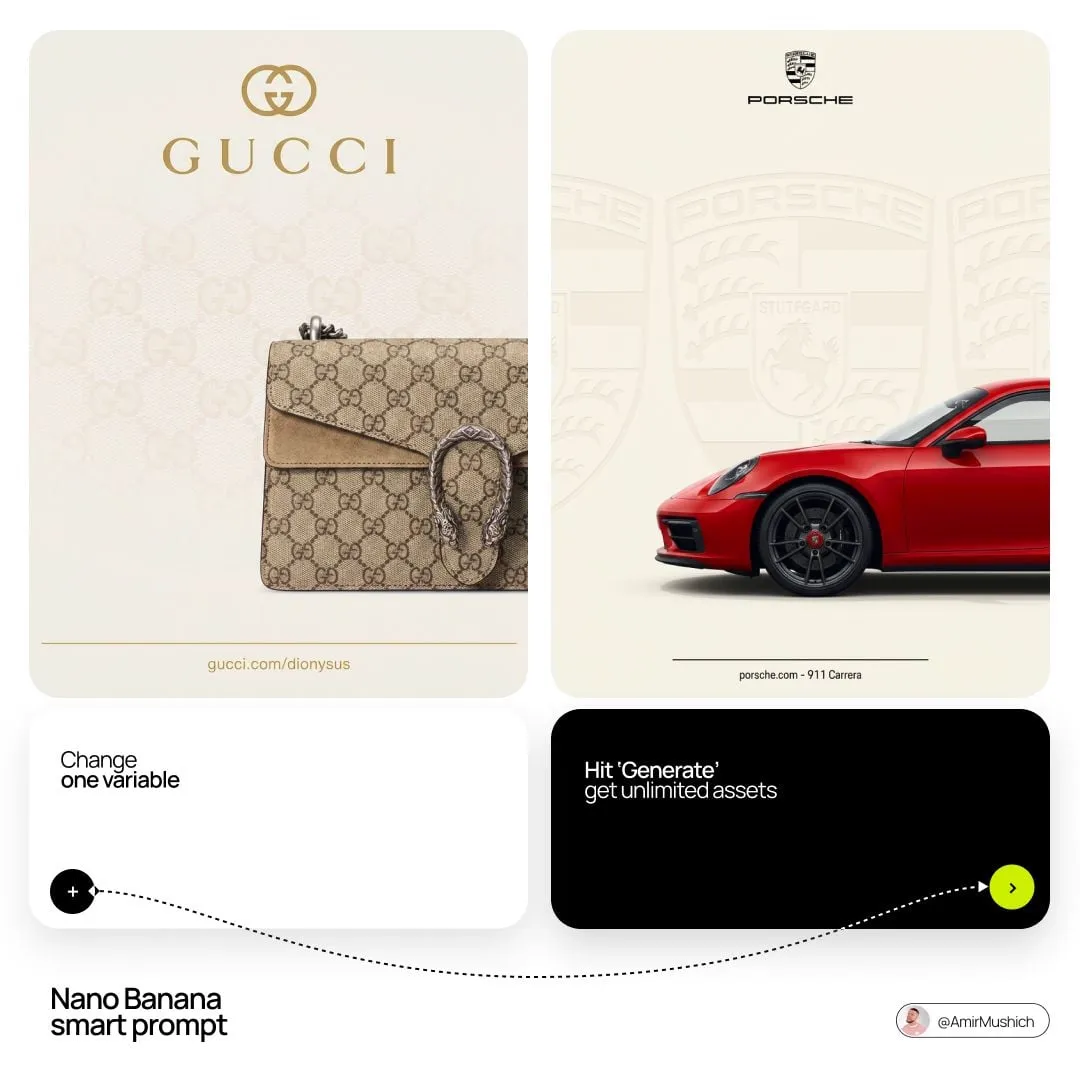
The technique is to establish stable anchors once, using reference images and carefully defined style parameters, and then vary only the elements that should vary: the name spoken, the product shown, the data specific to that person. When identity stays fixed and content shifts, personalization reads as thoughtful rather than gimmicky. Recipients feel that the brand knows them, not that a machine rotated through a template.
The Exact Elements Worth Personalizing
Not every detail deserves to vary. The highest-return personalization targets are things that visibly change the viewer's relationship to the content: greeting them by name, showing a product they actually browsed or abandoned, reflecting their region or language, and addressing the specific stage they sit in. Each of these is a small, meaningful edit rather than a wholesale rewrite of the creative.
Leave the things that define the brand untouched. Keep the presenter, the tone, the palette, the opening hook, and the core offer consistent across all variants. The discipline of varying the right few inputs, and nothing else, is what keeps a personalized video from looking like cheap mail-merging. When in doubt, ask whether the changed element would matter to the recipient; if it would not, leave it fixed.
Structuring a Campaign by Funnel Stage
Different emails in the customer journey deserve different kinds of video. At the top of the funnel, where the goal is curiosity, favor short, atmospheric brand clips that communicate vibe and ethos rather than features. In the consideration stage, use product-in-action videos that demonstrate value and answer "how does this work for me." Near conversion, turn to social proof, testimonials, and demos that reduce the perceived risk of buying. After the purchase, educational and onboarding videos help the customer succeed with what they bought, which reduces churn and increases lifetime value.
Let the data guide production. If a particular segment consistently opens at a certain time, time your sends accordingly. If engagement falls after fifty seconds of video, cut the length. The funnel is not a static recipe; it is a feedback loop between the content you send and the behavior you observe.
A Realistic Content Plan for a Typical Aisle
A workable template scales down to teams of any size. In your first week, produce one welcome video for new subscribers and reuse it as the core of your whole automation. In the second week, add a product-education clip for consideration-stage readers. In the third, build a cart-abandonment snippet tailored to abandoned products. By the fourth, drop in an onboarding or tips video for recent buyers. You have covered the full journey with four reusable assets, not twenty bespoke clips.
This staged plan keeps production sane while still covering every funnel stage. Each asset is built on the same brand anchors, so the library stays coherent, and once a stage is covered you can refine it with data rather than starting from scratch each quarter.
Choosing the Right Moment to Send
Timing video email requires balancing attention with inventory. Senders with strict throttling need to know their provider's limits before scheduling a clip-heavy wave, since bouncing a message because of a viral attachment kills the campaign instantly. Host video externally and keep the email itself light. That single decision removes most deliverability risk and lets you send video to the whole list without segmenting for size.
Beyond technical limits, match the moment to the message. A welcome video belongs in the first or second message a new subscriber receives. Cart-abandonment video should arrive in the hours after the abandoned action, while intent is still warm. Re-engagement video works on a lag for lapsed subscribers. In every case, the closer the video arrives to the relevant behavior, the stronger the response.
Measuring What Actually Matters
Email marketers love open rates, but open rates do not tell you whether a video worked. The metrics that matter are click-through on the video element, the conversion rate on the ultimate action, and downstream behavior once the viewer lands. You want to know not just that the thumbnail was clicked but whether that click turned into a purchase, a signup, or a return visit.
Set up tracking so that a video click is a distinct event from a generic link click. Use UTM parameters and analyze cohorts receiving video versus control groups receiving static content. Over time you will build a clear picture of where video lifts engagement and where it adds little. That evidence, not guesswork, is what justifies scaling your video production budget.
It also pays to watch the qualitative signals that numbers miss: comments referencing the video, replies asking follow-up questions, and shares that cite a specific moment. Together with the quantitative metrics, these give you a rounded sense of whether the video is doing its job, or whether it is simply another element people scroll past. Treat the data as a conversation with your audience and let it steer the next iteration.
Common Pitfalls and How to Avoid Them
The most frequent mistake is animation for its own sake. Video that does not serve a message is just decoration, and recipients can sense it. Second is inconsistency between video and email copy; if the clip promises one thing and the text promises another, trust erodes. Third is neglecting accessibility, so remember captions, especially since many mobile users watch with sound off. Finally, do not rebuild the wheel every campaign. Save your brand style, reference assets, and approved templates, and reuse them so production stays fast and coherent.
Frequently Asked Questions
Will video hurt my email deliverability?
Only if you attach large files directly. When you host video and send a lightweight preview image linking out, standard deliverability principles still apply and video has minimal impact.
How long should an email video be?
Fifteen to forty-five seconds is a reliable range. Email is a scanning environment, and anything much longer than that loses attention before the recipient clicks.
Can I really personalize with AI without it looking cheap?
Yes, if you keep brand and presenter identity consistent and only vary genuinely personal elements like name, product, or relevant data. Consistency is what makes personalization feel human.
Do I need expensive equipment or actors?
No. Generative AI lets you produce short clips from scripts and reference images, dramatically reducing the need for studios, talent, and stock licensing for routine campaign video.
Should video be in every single email?
No. Restrain yourself. Reserve video for messages where motion genuinely adds meaning and where the recipient is likely to watch, such as welcomes, product announcements, testimonials, and helpful onboarding tips. A low-value transactional mail full of video is noise, not signal.
What if I have a large list and limited video budget?
Leverage one hero video as the creative core and personalize a thin layer around it, or segment by the highest-value audience first. You do not need a unique clip per person; you need the right few variants in front of the people likely to act.
How do I handle recipients who prefer reading over video?
Give them a choice. Pair the video with a short text summary and a plain text link, so the message works for viewers and readers alike. This respects preference while still testing whether video lifts engagement.
Final Thoughts
Email is one of the most personal channels a brand owns, and video is the format that earns a moment of someone's attention. Generative AI removes the cost barrier that once kept these two apart, making short, personalized, on-brand video available to teams of any size. The brands that benefit will be the ones that treat video as a disciplined pillar of their email strategy, not a quarterly novelty.
Start small: pick one automation, like a welcome series or a cart-abandonment flow, and produce a tight, consistent clip. Measure the lift against a control group, learn from the data, and then expand. The tools are no longer the bottleneck. The deciding factor is how well you design, produce, and measure video that respects the inbox and speaks to one person at a time.
