

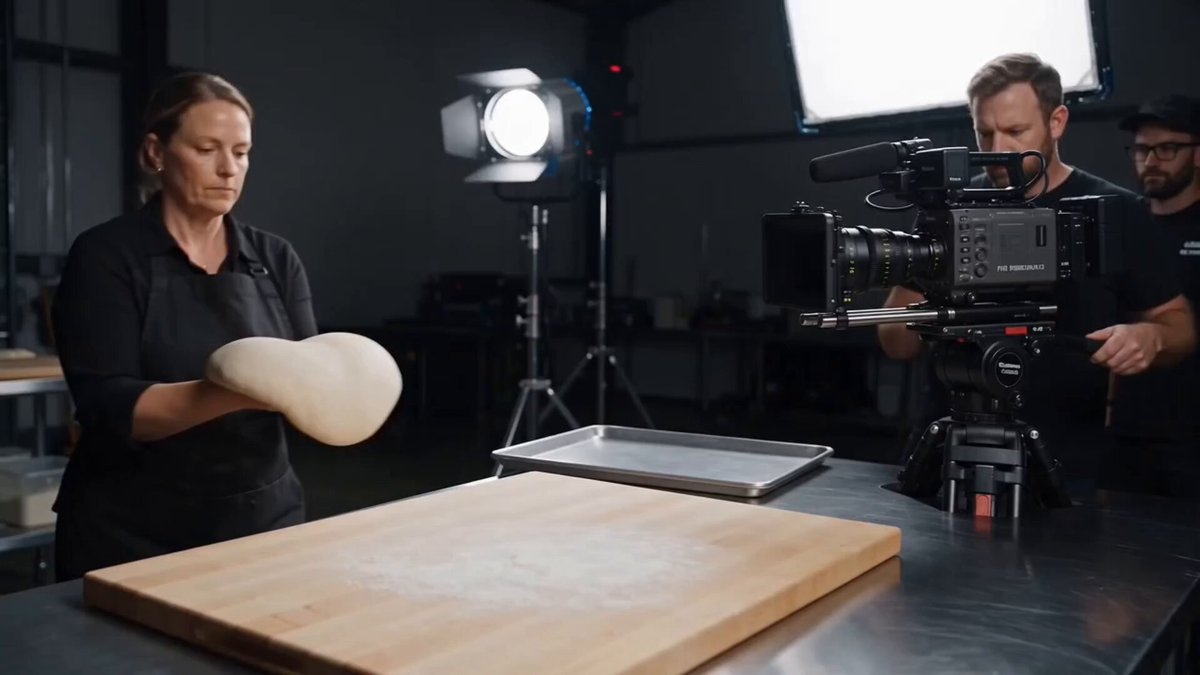
Turning a sentence into a cinematic frame used to be the fantasy of every filmmaker with a weekend and no camera. Now it is a daily reality. The generation of AI video from text has moved from clunky test clips to footage that can genuinely pass for a professional production, and the tools have multiplied. But when every platform promises Hollywood results, how do you actually choose? This is a practical, honest look at the best AI video generators, how text-to-video really behaves, and how you can turn a prompt into a polished, cinematic result instead of a rough demo.
The key is to stop chasing the single most hyped product and start building a small toolbox. Different shots, different moods and different delivery platforms need different strengths. Learn what each tier of tools is good at, match the tool to the job, and you will get better output than someone who blindly uses one generator for everything.
What makes an AI video feel cinematic
Cinematic is a word thrown around a lot, but it has a concrete meaning. A video feels cinematic when it has deliberate cinematography: controlled light, intentional framing, smooth camera movement and a coherent color palette. The best AI generators let you express these choices rather than leaving them to chance.
Think about the kinds of commands that push a result toward cinematic. Describing a specific lens or depth of field, a golden-hour light, a slow dolly move or a subtle color grade all steer the output. The model is not actually a camera, but it has learned a huge amount about how films look, and it can map those cues onto generated footage. Your job is to speak its visual language.
Cinematic also means more than a pretty single frame. It means the clip holds together over time: light stays consistent, the subject keeps its identity, and the motion follows physical logic. Some tools are markedly better at this temporal coherence, which is why they cost more and why they are worth it for serious work.
The tiers of AI video generators
Rather than naming favorites that will be outdated by the time you read this, it is more useful to understand the tiers. At the top are a handful of frontier systems, the ones with the most realism, the most accurate physical motion and the strongest consistency across a generation. They are the default choice for premium commercial and narrative work, though they are also the most expensive.
A second tier consists of fast, accessible generators that produce excellent clips for social media, mood-boarding and rapid iteration. They may compromise on the very finest realism, but their speed and price make them unbeatable for high-volume output. For many brands, this tier is where the daily work happens.
A third tier focuses on specialization. Some tools are superb at stylized looks, animation and character design; others at realistic product scenes; others at text-driven narratives with strong story understanding. The trick is to match the specialist to your specific need. A tool that fails at cinematic realism can still be the best choice for a bold, stylized brand clip.
Text as the director, reference images as the cast
The biggest mental shift is treating the prompt not as a description but as a direction. The same text can yield very different results depending on how you structure it and which auxiliary inputs you provide. Reference images are the single most powerful addition. Give the generator a picture of your subject, and it can produce a video of that exact subject moving, instead of an approximation.
This changes a lot of work. Product shots start from a clean photo of the product. Character-driven scenes start from a consistent character design. Even the color scheme can be anchored with a reference image, so every generated clip matches the brand palette.
For cinematic video especially, pair your written prompt with a reference that locks the look. Your textual direction handles action, camera and mood; the reference handles identity and style. Combined, they produce coherent footage instead of isolated lucky frames.
Controlling the shot: beyond the simple prompt
Pure text gets you surprisingly far, but true control comes from additional steering. Several tools accept guidance on shot type, camera move and framing. You can request a close-up, an establishing wide shot, a tracking shot or a stable one. Being specific pays off.
If a tool supports keyframe control, use it. Keyframes let you specify the start and end state of a clip, so you can build a smooth transition that the model would otherwise guess at. This is especially useful for a character moving into frame, a camera rotating, or any shot where you need a clear beginning and ending.
The practical advice is to iterate one variable at a time. Change the camera, keep everything else, and see what happens. Then change the lighting. Then the environment. This disciplined approach builds an intuition for how the tool responds, which no amount of reading can replace.
Building consistent characters across shots
A cinematic film is not a single clip; it is a sequence of shots that must feel like one continuous world. The hardest thing in AI video has been keeping a character recognizably the same from shot to shot, especially across different scenes and angles.
Two techniques solve most of the problem. The first is a strong, consistent reference image used for every shot of that character. The second is a written description that stays identical in the details that define the person, repeated in every relevant prompt. If hair, costume and facial features are constant, the shots will read as the same person.
For sequences that involve a character transitioning between environments, lock the identity first and vary only the setting and action. Review the clips together, not one at a time, so you catch drift early. Rebuild any shot where the character starts to look like a stranger.
Regional and cost-smart model choices
The market is not monolingual. Strong models come from studios around the world, and some of the most interesting work in regional realism and specific aesthetics arrives from these sources. If your content targets a regional audience or a particular cultural look, look beyond the most famous names.
Cost is the other angle. Frontier generators charge a premium, and when you multiply a monthly output of hundreds of clips, the bill adds up. Many creators work in tiers: premium models for hero shots and campaigns, cheaper models for test renders, thumbnails and social-throwaway clips. You preserve quality where it is visible and save where it is not.
Before you commit, run the same test prompt through a few candidate tools and compare the results side by side. Ownership, licensing and resolution also differ, so check those before you choose, not after you have built a workflow around a tool.
The creative production pipeline
Here is a pipeline that turns an idea into a finished cinematic piece. Start with the story and the shot list. Break the narrative into a sequence of shots, each with a one-line action and a camera direction. Then define the look with a small set of reference images: the character, the environment, the color palette.
Generate a key shot first - the most important or most complex one - and refine the prompt until it works. Keep the winning prompt pattern and apply it to the rest of the shots. Generate each shot, review it in sequence, and rebuild the ones that drift or fall short. Then bring the clips into an editor, order them, add transitions, music and sound, and color-correct for consistency.
The last step is the most cinematic of all: the final pass. Watch the whole piece as an audience, not as a technician. Adjust pacing, trim dead moments, and make sure every shot earns its place. The result is a sequence held together by intent rather than a random gallery of clips.
Varying structure so you do not repeat yourself
One trap in AI video is falling into a repeating template. Because generating is cheap, it is tempting to reuse the same opening, the same transition and the same close for everything. That works for efficiency, but it can make your content predictable.
Vary the structure by the story. Open cold on an action cut for one piece; build slowly with a subtle establishing shot for another. Use different pacing, different music energy, different narrative arcs. The tools support variety; it is your creative choice to exercise it. Audiences notice when every video in your feed feels like the same cookie-cutter.
Troubleshooting common AI video problems
When output disappoints, it is usually for one of a few reasons. Motion that is oddly stiff usually means the model is struggling with the physics of the scene; simplify the action or phrase it more plainly. Character inconsistency points to a weak or missing reference; strengthen and reuse it. Unstable lighting across shots often comes from inconsistent prompt wording; standardize your lighting phrases.
If a clip looks corporate and flat, add cinematic cues to the prompt: a specific lens, a time of day, a mood word, a camera move. If the output feels random, check for contradictions in the prompt and remove extra independent requirements. And if everything feels hard, remember that the tools improve monthly - retest old prompts, because a prompt that failed six months ago can excel now.
Choosing what matters for your project
The best AI video generator is the one that fits your actual workflow, not the one with the flashiest demo. For a solo creator doing daily social clips, speed and price dominate. For an agency producing client campaigns, realism, consistency and licensing matter more. For an animation studio, stylization and character control trump realism.
Write your requirements as a checklist first: output length, resolution, consistency needs, budget, batch workflow, rights. Then compare tools against the checklist on your own material. The tool that checks the most boxes while staying simple to use is the one you should adopt. Then commit, learn its quirks, and keep a smaller backup tool for unexpected jobs.
Final thoughts on videomeet text-to-cinematic in practice
You will not become a director in a day, but you can absolutely get cinematic results quickly if you approach it with method. Understand that generated footage is raw material, not the final product. Direct it well, anchor it with references, enforce consistency, and finish it in the edit with music, sound and color. That finishing discipline is exactly what turns clips into film.
The technology will keep improving, so keep your prompts, references and workflows organized to reuse them. Every project teaches you something transferable. The creators who get the most from AI video are not the ones with the newest tool; they are the ones with a clear vision and a repeatable system for realizing it. Build that system, and cinematic output stops being luck and starts being a skill.
Equipment and setup that actually matters
You do not need exotic hardware to get started with AI video, because most generation happens in the cloud. A modern laptop, a decent internet connection and a browser carry you through the whole process. Your real investment is time spent testing and learning, not equipment.
That said, a few practical comforts help. A large monitor makes comparing side-by-side generations easier. A fast connection speeds up the trial-and-error loop that is central to refining prompts. And a quiet editing space simply keeps you focused during the final pass. None of these are requirements, but each removes a small obstacle between you and consistent output.
Organize your working files early. Keep your references, prompts and finished clips in clearly named folders per project. When you revisit a style months later, you can reconstruct exactly how you achieved it instead of guessing. This kind of organization is what separates a collection of lucky clips from an archive of skills.
A short FAQ on turning text into film
How much text is too much for one prompt? Keep it structured but not bloated. A phrase for the subject, one for the action, one for the environment, one for light and one for the camera is enough. Add extra detail only when you truly need it. Fighting contradictions in a long prompt wastes more time than it saves.
Can I use AI video commercially? Yes, but verify the terms of the specific tool and plan. Most consumer plans allow commercial use, but resolution, ownership and redistribution rules vary. Read them before you build a client workflow, not after.
Why do my people look unreal? Realistic humans are the hardest part of AI video. Improve the reference image, keep the prompt specific about identity and avoid demanding extreme close-ups until the model handles them well. Often a slightly wider shot reduces the tell.
Will generated video replace my editors? No. It changes what editors do, but editing, sound and color remain fully in demand. The tools produce raw footage; craft turns it into a finished piece. Editors who also understand generation have an advantage.
How do I make a series? Lock a character reference and a visual palette, then reuse them across every episode. Keep the written description of the character constant. Review the completed shots together to catch drift. Series work is consistency work more than it is generation work.
Advanced production techniques to add depth
Once the single-shot basics feel easy, layer in richer techniques. Multi-clip sequences that share one reference build a world instead of a moment. Camera language across shots - consistency of technique plus variety of framing - makes an edit feel directed rather than accidental. Consistent lighting across a project gives footage a unified mood.
Consider building a reusable prompt library organized by scene type: hero product shot, character close-up, establishing wide, action cut, dream sequence. Each entry captures the phrasing that works for that category. When a new project begins, you start from tested pieces instead of reinventing the wheel, which both speeds you up and raises the floor of quality.
Do not forget the finishing arts. Sound design can rescue a so-so visual with a good audio bed, and color correction harmonizes clips generated at different times. The difference between rough AI output and cinematic output is very often in the grade, the music and the cut, not in the raw generation. Invest in these, because they convert good footage into good film.
Managing expectations and improving steadily
Be patient with the learning curve. Your first cinematic attempt will not be perfect, and that is normal. The mistake is to expect instant mastery and give up. Instead, run small experiments, note what works, and build on each success. Improvement in AI video is steady and cumulative if you put in the time correctly.
Judge your progress by comparison with your own earlier work, not with polished demos that hide the outtakes. Demos show the best frame; real work includes the ninety rejected generations. Once you accept iteration as the engine of quality, the process becomes satisfying rather than disappointing.
Finally, keep a lightweight review habit. After each project, write down one thing you want to repeat and one thing you want to fix. These notes compound quietly, and within a few projects you will carry a short list of reliable moves that make your work measurably more cinematic. That marginal, repeatable gain is exactly what builds a confident filmmaker from uncertain first clips.
