
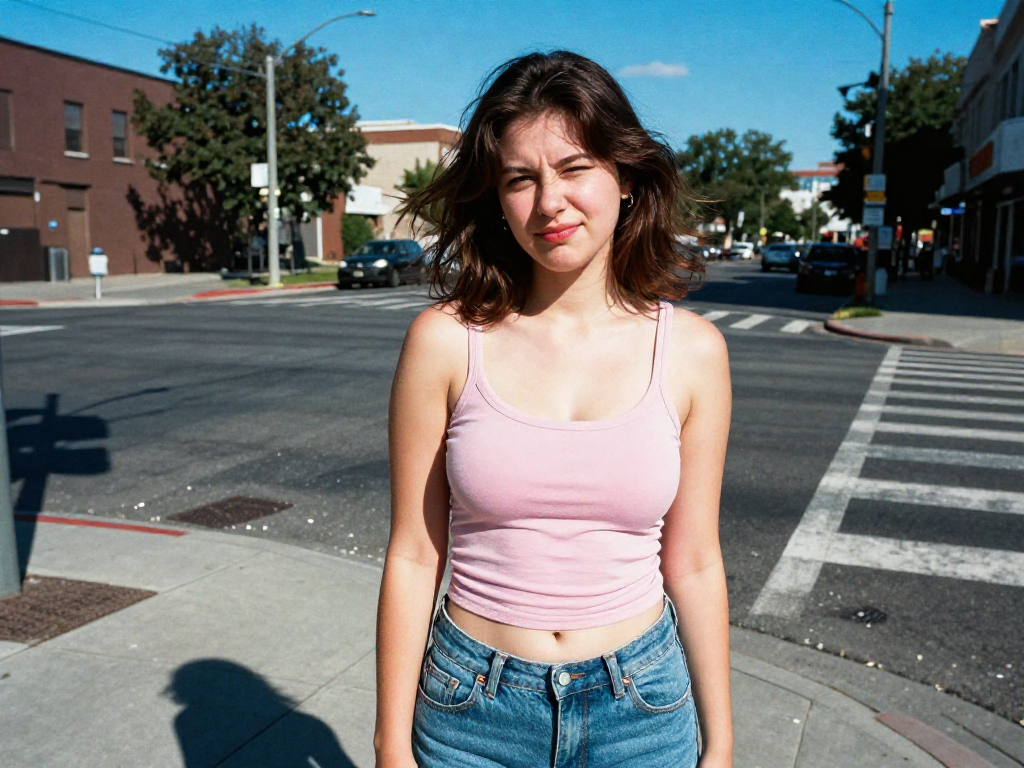
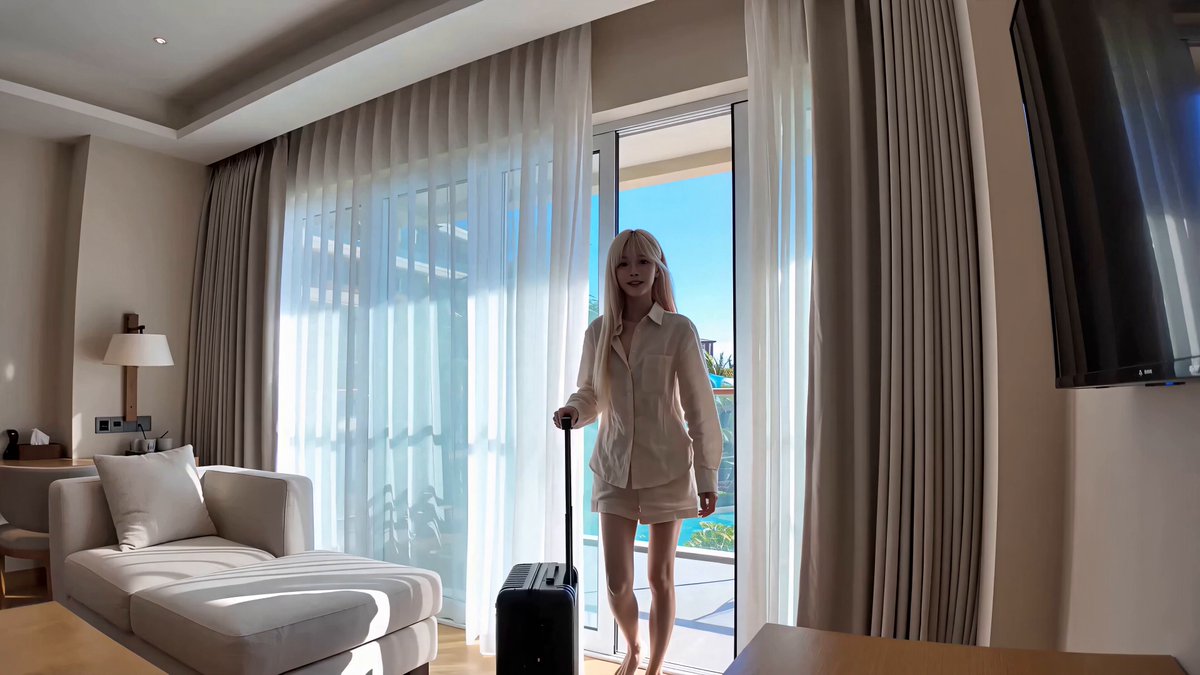
Making a cinematic video used to demand a full crew: cameras, lights, location scouts, professional editors, and a budget to match. In 2025, that is no longer the only path. A new generation of AI video editors lets you start from a simple text prompt or a single image and end up with footage that genuinely looks like it belongs in a movie. The quality is striking enough that creators, marketers, and small studios are rebuilding their production workflows around it.
This guide is a practical walkthrough of how AI video editors work, what separates a good one from a great one, and how you can use them to turn a sentence or a still picture into compelling, film-like video.
How text and images become video
At the heart of these tools is a generative model trained on enormous amounts of visual material. When you describe a scene in words, the model draws on that training to imagine and render a moving sequence that matches your description. When you supply an image instead, it uses that picture as the visual anchor and animates around it.
Two main input paths have emerged.
Text to video
You write a detailed description of the shot you want, and the tool generates the moving images from scratch. This path offers total flexibility because nothing is fixed in advance. A strong description can produce an impressive opening shot, a sweeping landscape, or an action sequence with camera movement.
Image to video
You provide a still image, and the tool animates it. This gives you precise control over the composition, character, or product, since the starting frame is exactly what you want. The tool adds motion, subtle changes, and cinematic flair while trying to keep the identity of the original image intact.
Each path suits different situations. Text gives you the freedom to invent scenes; images give you control over the details that matter.
What makes a video feel cinematic
Not all generated footage feels like film. A few qualities separate a flat clip from something cinematic.
Lighting and atmosphere
Good lighting does much of the work. Directional light, soft shadows, a golden hour glow, or the dramatic contrast of a night scene instantly elevate the mood. Describing light in your prompt is one of the simplest ways to get a more cinematic result.
Camera movement
A static frame can feel stagnant. Subtle pans, slow pushes, or a tracking shot that follows a subject all add a sense of production value. Many tools let you hint at camera behavior in your prompt, and the best results come from deliberately planning these moves.
Composition
How the subject sits within the frame matters. Rule-of-thirds placement, leading lines, foreground and background depth, and negative space all contribute to a professional look. If you can imagine the shot as a photograph, you can often get it as a video too.
Consistency of the subject
A face that changes between one clip and the next breaks the illusion instantly. The strongest editors keep a character or product consistent across multiple shots, which matters enormously for anything with a storyline or a brand.
Choosing a tool that fits your work
The market has many options, and the right choice depends on what you are making. Here is a practical way to think about the differences.
Photorealism and detail
If you need realistic humans, textures, and products, look for a tool known for photorealistic output. These are well suited to commercial advertising and product visuals where credibility matters.
Motion and physical realism
For action sequences, natural character movement, and effects like cloth or water, prioritize tools that handle physics well. Animated characters and story-driven content benefit a lot from convincing motion.
Speed and affordability
If you want to iterate quickly and test ideas, a faster, more economical tool is worth it even if the ceiling is a little lower. Many projects benefit from volume: generating many options and picking the best.
Creative controls
Advanced users may want controls beyond a single prompt, such as style references, aspect ratios, duration settings, and fine-grained guidance. These are useful when you have a very specific vision in mind.
Building a reliable video workflow
Producing a full video is about more than generating one clip. Here is a workflow that scales from a single test to a finished piece.
Start from a clear brief
Write down the message, the audience, the mood, and the length. A short shot list or script goes a long way. Knowing where each clip fits prevents wasted generations.
Generate scene by scene
Rather than generating one long video, create several short clips that you later assemble. This gives you control over pacing and lets you redo individual shots without starting over. It also keeps character and style more consistent.
Assemble and edit
Bring the clips into an editor, order them, trim dead moments, and add transitions where they help. This is where the video becomes a coherent whole rather than a collection of pretty shots.
Add sound and voice
Music, ambient sound, and narration add emotion. Many tools offer generated soundtracks that match the mood, and realistic text-to-speech lets you add a voiceover in your own language. Line the sound up with the visuals to keep everything in sync.
Review before publishing
Watch the piece critically. Look for breaks in style, awkward motion, or timing issues. Small fixes at this stage dramatically improve the final result.
Practical ideas to get you started
If you are wondering where to begin, here are a few concrete projects.
A product showcase
Turn a clean product image into a short video that slowly reveals the item, moves around it, or shows it in use. This is a high-value use for e-commerce and marketing.
A story teaser
Write a few atmospheric prompts and assemble them into a moody teaser that hints at a larger narrative. Great for book trailers, upcoming launches, or event announcements.
A social media moment
Create short, punchy clips designed for vertical feeds. Quick cuts, bold imagery, and a strong opening frame grab attention in the first second.
An animated concept
From a concept art image, animate a character or scene to bring a design to life. Useful for pitch decks and early creative work.
Common pitfalls to avoid
A few mistakes cause most of the wasted time and disappointing results.
Overloaded prompts
Trying to pack too many ideas into one prompt leads to cluttered, incoherent frames. Keep each prompt focused on one clear action and mood.
Ignoring consistency
If you mix wildly different styles across clips, the final video feels fragmented. Define the look once and keep it consistent.
Skipping the brief
Jumping straight into generation without a plan produces many random clips and little usable footage. The brief is the cheapest insurance for a good result.
Expecting perfection immediately
Even the best tools need iteration. Plan to generate a few versions, pick the best, and refine. This is normal, not a sign of failure.
Understanding the different tiers of tools
Not every AI video editor is equal, and the differences matter more than the feature lists. It helps to think of them in terms of what they are built for.
General-purpose editors
These aim to handle a bit of everything: short clips from text or image, basic effects, and simple assembly. They are the easiest place to start because they keep the learning curve short and the results decent across many styles.
Photorealistic tools
Some editors specialize in realism, producing images and footage that look like real camera captures. If your work involves products, faces, or believable environments, this specialization directly raises the quality of what you deliver.
Creative and stylized tools
Other editors excel at animation, illustrated looks, or bold artistic directions. If your brand or project lives in a stylized visual space, a tool strong in that direction will preserve your identity far better than a generic one.
Fast and economical options
For teams that generate a high volume and iterate quickly, speed and cost matter. A good balance of quality and economy lets you test many ideas and choose the strongest, which is often the smartest use of a budget.
There is no single best tier. The best editor is the one that matches the kind of work you produce most often.
Thinking like a director
Even with automation doing the heavy lifting, the instincts of a director still shape the outcome. A few habits separate flat clips from compelling ones.
Design the opening frame
The first thing a viewer sees decides whether they stay. Make the opening frame visually strong, with a clear subject and an inviting mood. If the first frame works, the clip has a much better chance of holding attention.
Build a visual rhythm
Videos feel better when the pacing varies. Long, quiet shots can sit next to short, punchy ones. Think about how your clips alternate and you create a rhythm that keeps the viewer engaged.
Let the subject breathe
Avoid filling every moment with motion. Small pauses, moments when nothing much changes, and breathing room for the scene make the active parts feel intentional rather than frantic.
Trust restraint over spectacle
Cinematic work often gains power from what it leaves out. A single well-chosen effect is more effective than a dozen overused ones. Keep the style disciplined and the footage will look more professional.
Animating characters consistently
Character consistency is one of the hardest problems in AI video, but a few reliable methods exist.
Establish a reference early
Create a defined reference for your character before generating scenes. A consistent look across separate clips anchors the character in the story and makes every following scene stronger.
Reuse the same visual language
Keep the color palette, lighting style, and design language identical from one clip to the next. When all your shots share a visual vocabulary, the character reads as continuous even across many clips.
Protect the key features
When tools let you control which parts of the image stay fixed, protect the character's face and defining traits. This prevents the model from drifting into inconsistencies during motion.
Plan scenes as a sequence
Treat your shots as parts of one story, not separate clips. Knowing where the character has been and where it is going helps you keep the depiction aligned throughout.
A quick starting checklist
When you sit down to make your first cinematic clip, a short checklist keeps you on track.
- Define one clear message for the piece before generating anything.
- Choose text or image input based on how much control you need.
- Write a focused prompt that names the subject, the mood, and any camera movement.
- Generate more than one version and pick the strongest.
- Keep a consistent look by reusing the same style words across clips.
- Assemble, add sound, and watch the whole piece once with a critical eye.
This lean routine is enough to produce a solid first result, and it gives you a base to improve on each time.
Frequently asked questions
How long can the generated videos be?
Most tools produce short clips from a few seconds up to around half a minute. Longer pieces are typically assembled from multiple clips.
Can I use generated video for commercial work?
It depends on the tool's license terms. Always check the allowed uses, especially for commercial projects.
Do I need video editing experience?
No, a beginner can get started quickly. Editing experience helps, but the essential skills are writing clear prompts and making good selections.
Can the same character appear in many scenes?
Yes, especially when you start from a reference image. Character consistency has improved a lot and is a key feature in the better tools.
What is the main limit of the technology?
Complex, fast, and detailed motion can still reveal imperfections, and very long continuous shots are difficult. Planning scenes as short clips usually avoids most of these issues.
Final thoughts
AI video editors have turned filmmaking from a distant skill into something available to anyone with an idea and a few minutes. Starting from text or an image, you can produce cinematic footage for marketing, storytelling, and creative experimentation.
The tools keep getting better, but the fundamentals stay the same: a clear idea, a good plan, and careful review. Treat the editor as a powerful collaborator, and the quality of your work will rise quickly. Start small, learn by doing, and let each project sharpen your instincts.
