

The #1 Problem in AI Filmmaking
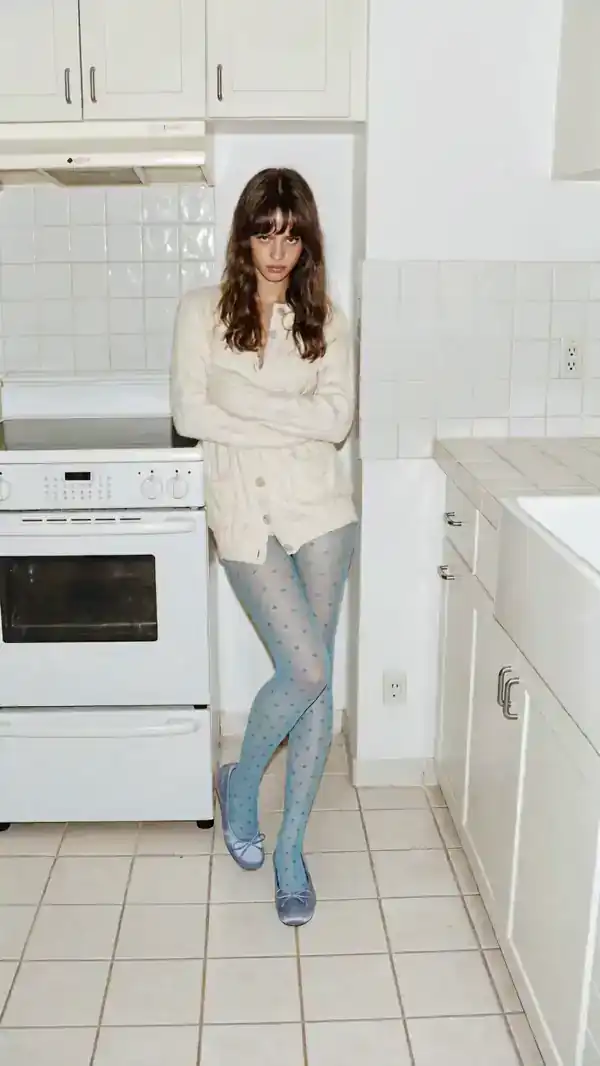
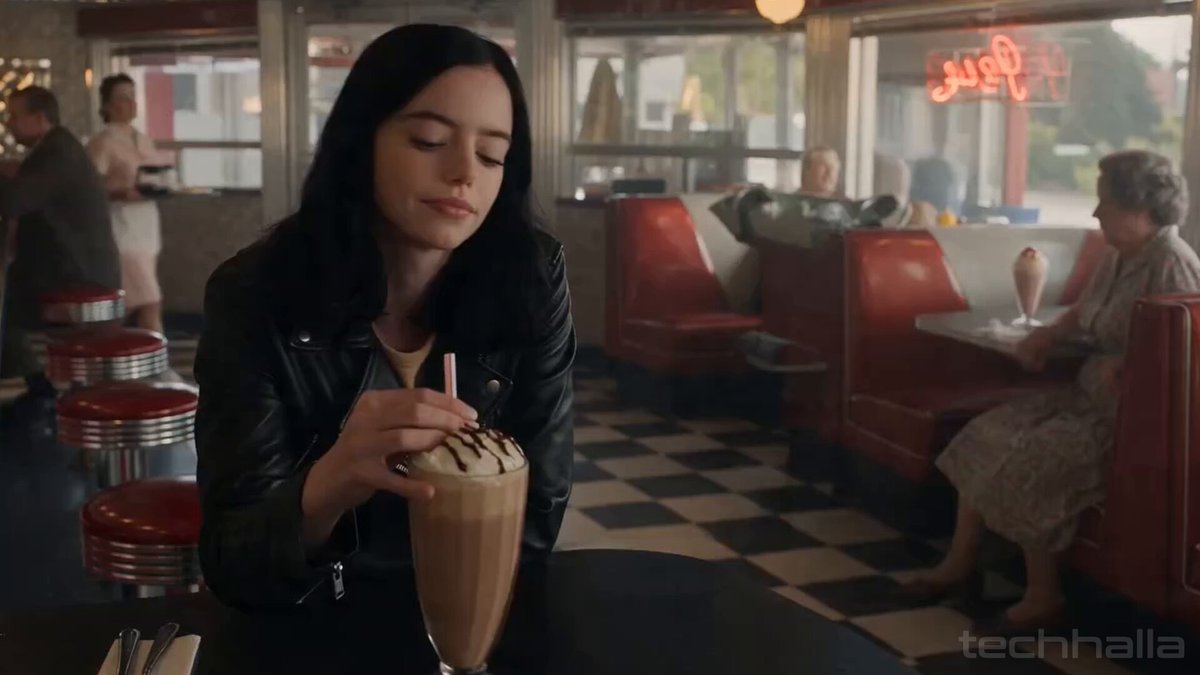
You've generated an amazing first scene. Your character looks perfect. Then you generate scene two — and they're a completely different person. Different face, different clothes, different vibe.
This is the character consistency problem, and it's the single biggest barrier to professional AI filmmaking. The solution: multi-image fusion.
What Is Multi-Image Fusion?
Instead of describing your character with words alone, you provide multiple reference images showing the character from different angles, in different lighting, with different expressions. The AI extracts a "visual DNA" from these references and applies it consistently across all generated scenes.
Think of it as giving the AI a style guide instead of a rough description.
The Fusion Workflow
Step 1: Create Your Reference Set
You need at least 3-5 reference images per character:
- Front-facing portrait (neutral expression)
- Profile view
- Three-quarter angle
- Different lighting condition
- Action pose (if applicable)
Use AI Image Generator to create these if you don't have them.
Step 2: Upload and Anchor
Upload your reference set. The system creates a consistency vector that captures:
- Facial structure and proportions
- Skin tone and texture
- Hair style and color
- Clothing details
Step 3: Generate with Constraints
Now when you generate video scenes with AI Video Generator, the consistency vector acts as a hard constraint. Even if you:
- Change the scene environment
- Switch between different AI models
- Vary the lighting or camera angle
Your character stays recognizably the same.
Beyond Characters: What Else You Can Lock
Environments
Upload reference images of your key locations to maintain consistent architecture, lighting mood, and color palette.
Props and Objects
Important items (a specific weapon, a branded product, a unique vehicle) can be locked with their own reference images.
Style and Texture
Want a specific grain, color grade, or artistic texture? Upload a style reference and it applies across your entire project.
Best Practices
- Quality over quantity: 5 excellent reference images beat 20 mediocre ones
- Consistent lighting in references: Your refs should have similar lighting for best results
- Variety within consistency: Different angles and expressions, but same person
- Update as needed: If you change your character's look, update the reference set
Common Mistakes
- Too few references: One image isn't enough for the AI to learn the character
- Inconsistent references: If your refs show different people, the AI gets confused
- Ignoring the background: Character consistency means nothing if the environment keeps changing
- Skipping testing: Always test with a short scene before committing to a long project
Character consistency transforms AI filmmaking from a lottery into a reliable production process. Invest time in building your reference sets — it pays off in every scene.
Explore more AI tools to find the right solution for your creative workflow.
