
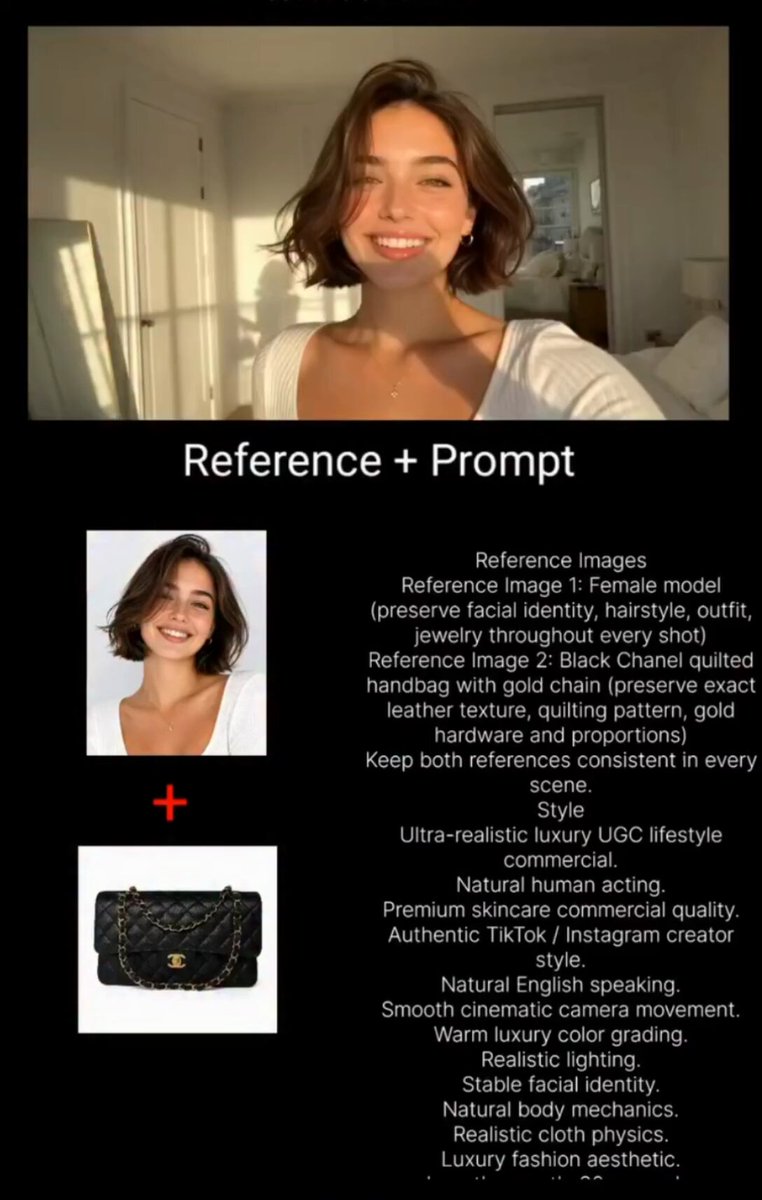
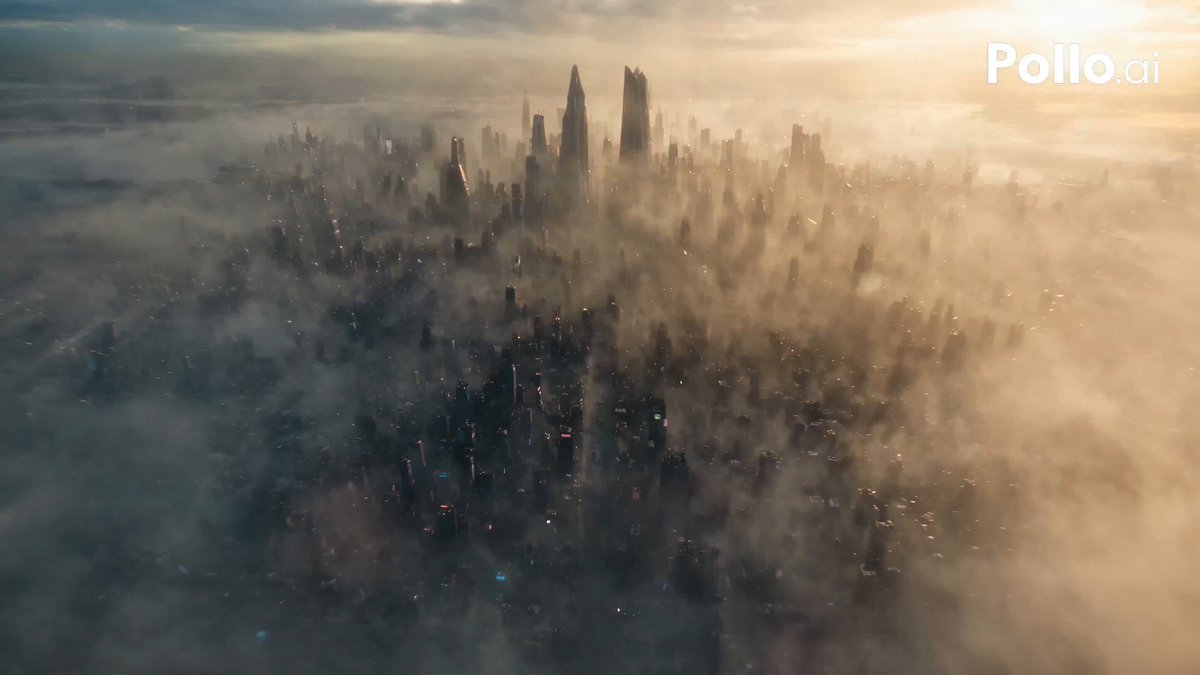
There was a time when "AI image" meant a telltale signature: waxy skin, tangled fingers, surreal perspective. That time is over. Modern generative models produce images that hold up under scrutiny, with believable lighting, natural texture, and composition that reads as photography. For brands and creators, this changes the calculus. Photorealism is no longer a futuristic promise; it is a daily operational tool for anyone serious about visual content.
Yet photorealistic output does not appear by accident. It requires understanding the models, writing prompts that steer toward realism, and building consistency into a workflow. This guide distils that knowledge into a practical playbook: how to choose the right approach, what to write, how to keep characters and worlds stable across images, and how to turn the results into a reusable production pipeline.
Why Photorealism Matters More Than Ever
Consumers are surrounded by more imagery than ever, and "good enough" no longer stops the scroll. In a saturated media landscape, ordinary visuals are invisible. Photorealism matters because it borrows trust. An image that looks like a real photo or a real product shot feels credible before the viewer has consciously evaluated it. That credibility lifts brand trust and, in commercial settings, conversion rates.
Casual observation says photorealism is about detail. But it is really about plausibility. A viewer's brain runs a fast subconscious check for whether the light, the shadow, the lens behaviour and the materials are consistent with the physical world. When they are, the image passes as real. When something is off, the brain flags it even if it cannot name the problem. Great photorealism wins that subconscious argument.
Choosing the Right Generative Approach for Realism
Not every model targets the same goal. Some are tuned for stylisation, illustration, or fantasy. For photorealism you want a model that was trained with realistic photography in mind and that can handle large images with fine detail.
A few things to weigh: resolution and sharpness, the model's ability to render hands, faces, and eyes, and how well it handles natural light. Test the model on subjects that trip up weak generators before committing to it for a project. If it renders eyes, teeth, and hair without glitches, it is probably capable enough.
Realism also depends on the seed and parameters. High-quality settings increase fidelity but cost time. For a final deliverable, spend the extra compute; for rapid concept exploration, lower it and iterate faster. Knowing when to invest detail and when to save it is a skill in itself.
Prompt Engineering: Writing Instructions That Feel Real
The prompt is your brief to the model. Vague prompts produce generic imagery. To get photorealism you need to describe the photograph, not just the subject.
Anchor the Camera and Lens
Photorealistic images read properly when the point of view is clear. Mention if it is a wide shot, a close-up, a macro, or a dynamic action angle. Reference lens behaviour such as shallow depth of field, motion blur, or bokeh to push the sense of an actual camera.
Describe Light Like a Photographer
Light is the fastest route to realism. Say what kind of light you want: golden hour, soft window light, hard midday sun, neon at night, studio softbox. Add indirect cues such as warm rim light or a cool shadow side. Consistent, specific light makes an otherwise simple scene feel photographic.
Specify Material and Texture
Photorealism lives in surfaces. Tell the model what things feel like: wet concrete, worn leather, brushed steel, fog on glass. Texture words give the model the physical cues that separate a photo from a cartoon.
Use Documentary Language
Phrases like "shot on a phone," "honest everyday moment," or "candid frame from a documentary" pull output toward realism. So do negative hints telling the model what to avoid, such as "no airbrushing" or "natural imperfections." The goal is to prompt toward real-world imperfection rather than sterilised gloss.
Keeping Characters and Worlds Consistent
A single perfect image is easy. A coherent set is hard. For real projects, whether a product series or a hero shot reused across a campaign, you need the same character or environment to reappear consistently.
Modern techniques solve this with references. You provide a reference image of the character, place, or object, and the model reconstructs it in new scenes while preserving identity. Set up the reference carefully: use a clean, well-lit image of the subject, ideally from a consistent angle.
For characters, define a style sheet. Outline their face shape, hair, wardrobe, and any defining marks. Feed this into each prompt alongside the reference. The result is a cast of characters you can place in unlimited scenes without starting over each time.
The same logic applies to environments. A signature location can anchor a whole campaign. Once it is defined by reference and description, every scene set in that place feels connected.
Building a Content Pipeline for Maximum Impact
Producing great images is only half the job. Turning them into a reliable pipeline for ongoing content is where the real value lies.
Batch Thoughtfully, Not Randomly
Rather than generating dozens of disconnected images, plan around themes or shots that will actually be used. A single campaign brief can yield a hero image, a background, and several crops for different placements from cohesive directions.
Manage Compute and Queues
High-quality generation is resource-hungry. If you are producing many images, use a task queue so jobs run in order and heavy tasks do not stall your session. Understand the difference between quick drafts and final renders, and reserve heavy compute for the images that matter.
Maintain a Consistent Style Library
Keep a set of approved reference images, negative prompts, and camera descriptors in one place. This "style kit" makes it trivial to produce new images that match your established look, week after week.
Crop and Edit From Masters
Generate at high resolution and produce all your placements from the master image. Cropping one strong master into multiple formats gives you a consistent campaign without regenerating everything per platform.
Integrating Sound and Motion
Photorealistic images frequently feed into video projects. Once you have striking visuals, think about the accompanying audio. A cinematic still can become the hero shot of a reel or the cover of a short video with the right treatment.
Narration and music can be generated to match the mood of the visual, adding an immersive layer. A close-up's shallow depth of field pairs well with a soft, intimate music bed, while a wide action shot wants energy. Building a small media kit around your best photorealistic images quickly gives you reusable assets for video, social, and campaigns.
Post-Processing for a Flawless Finish
Even strong model output benefits from a light editorial pass. A skilled editor can correct minor asymmetries, sharpen key details, and grade colour to a consistent tone. The trick is restraint. Heavy retouching reintroduces the artificial look you are trying to avoid.
Use tools to clean and enlarge one trusted master rather than every draft. Then let the model's natural realism carry the final image. The most realistic AI images are usually the ones that look like they were barely touched.
A Repeatable Workflow for Professional Quality
To turn all this into habit, follow a short sequence each time:
- Define the shot: subject, camera, light, and mood in one line.
- Choose a realism-focussed model and set high-quality parameters for finals.
- Prompt with concrete photographic language and specific light and texture.
- Attach references for any character or location that must stay consistent.
- Generate draft variations quickly, then invest in one or two finals.
- Adjust only the details that genuinely need it.
- Push the best masters into a style library for reuse.
The more you run this loop, the faster it becomes. Eventually photorealism stops being a special trick and simply becomes your default standard.
Common Pitfalls to Avoid
Watch for these recurring mistakes:
- Waxy, overprocessed skin. Counter it by prompting for natural skin texture and imperfections.
- Inconsistent characters between images. Always reuse reference images.
- Generic composition. Give the model a clear point of view and focal subject.
- Regenerating everything from scratch. Keep a style library so past work informs future work.
- Ignoring light. If realism feels off but you cannot tell why, suspect the lighting instructions.
Photorealistic AI image creation is one of the most rewarding skills in modern content production because the results are immediately visible and genuinely useful. Start with a single subject you care about, prompt it with photographer-level language, and build your first style kit. Once you see how far the field has come, you will view everyday visual production differently.
Working With Written Briefs and Direction
Prompts are only part of the story. In professional settings, images rarely begin with a prompt; they begin with a brief. The difference matters for consistency and for communicating intent.
A good brief describes the subject, the intended use, the audience, and the feeling the image should convey. From that brief you derive the photographic vocabulary: the shot type, the lighting, the lens behaviour, the mood. This discipline forces you to think about the image as a designed output rather than a lucky generation. It also makes your results reproducible, because you can trace every image back to a shared set of decisions.
Keeping a template for briefs across projects helps too. A consistent structure means you never forget a critical detail, whether it is the product angle, the brand palette, or the negative instructions. Over time these briefs become a reusable knowledge base that speeds up every new project.
Experimenting With Surprising Combinations
One of the joys of photorealistic generation is the ability to combine elements that would be impossible to photograph together. A product in a location that does not exist, a scene in light you cannot control, a cast built from imagination. This freedom encourages experimentation, and experimentation is where a distinctive visual voice is found.
Try pushing your references into new contexts. Take a character you have established and place them in a completely different environment. Keep the identity stable but change light, mood, and setting. The range you get from one well-built reference is often surprising and sparks genuinely fresh ideas.
Keep track of the experiments that work. A small archive of your strongest directions, each with the prompt and settings that produced it, becomes invaluable when you need a similar result later. Experimenting without logging is starting over every time.
Working With Consistency Across a Team
When a team produces images collaboratively, consistency becomes a coordination problem, not just a technical one. Different people may prompt in different styles and drift from the brand look.
The solution is a shared reference set and naming conventions. Everyone draws on the same approved references, uses the same style library, and follows the same brief template. A single source of truth keeps the output uniform even when several people contribute. Versioning the library matters just as much, so that when a style is updated, everyone knows which version is current.
This is the same logic that drives professional creative workflows, and it transfers directly to AI image production. The tools are new, but the fundamentals of coordinated creative work have not changed.
Adding a Human Confirmation Layer
Even the best photorealism can fail subtly: a reflection that is just wrong, a shadow that does not match, an element that betrays the image as generated. A final human pass by someone trained to look for these tells catches what automated checks cannot.
For commercially sensitive projects, this confirmation layer is not optional. A subtle glitch can hurt the credibility of a product shot or an ad. Reviewing finals under the same conditions they will appear in, at the right crop and size, helps you spot problems before they reach an audience.
This is not about undoing the AI's work; it is about quality control. The most reliable creators combine the speed of generation with the judgement of a careful eye.
Photorealism Within a Broader Visual Strategy
Photorealistic images rarely exist in isolation. They appear in campaigns, on websites, in social feeds, and in presentations. Thinking about them as part of a broader visual system increases their value.
Consider how your imagery will look alongside other assets. Does the lighting match the rest of the campaign? Does the palette fit the brand? Are the characters on brand across every touchpoint? Answering these questions at the brief stage prevents jarring inconsistencies later.
A visual system also means knowing when photorealism is the right tool and when a more stylised approach serves better. Photorealism lends trust and realism; stylised imagery lends personality and artfulness. Using each deliberately, rather than as a default, is a mark of visual maturity.
Scaling From One Image to a Whole Library
The final step in professionalising photorealistic work is turning occasional successes into a dependable library. This is where most creators stall: they produce good images but cannot repeat them.
Breaking the work into reusable parts solves this. Keep the subject references separate from the location references separate from the style instructions. Because each part is independently reusable, combining them across projects is fast and never requires starting from zero. A library built this way grows more valuable with every project, because each new image adds another reusable component.
Photorealism is one of the clearest demonstrations of what modern generative tools can do. It compresses a production chain that used to require locations, lighting rigs, models, and retouchers into a single, repeatable pipeline. The creators who benefit most are the ones who treat it with the same seriousness as a craft: clear intentions, disciplined references, careful review, and an eye for the detail that makes an image feel real. Build those habits and you will inherit their compounding returns on every project that follows.
