

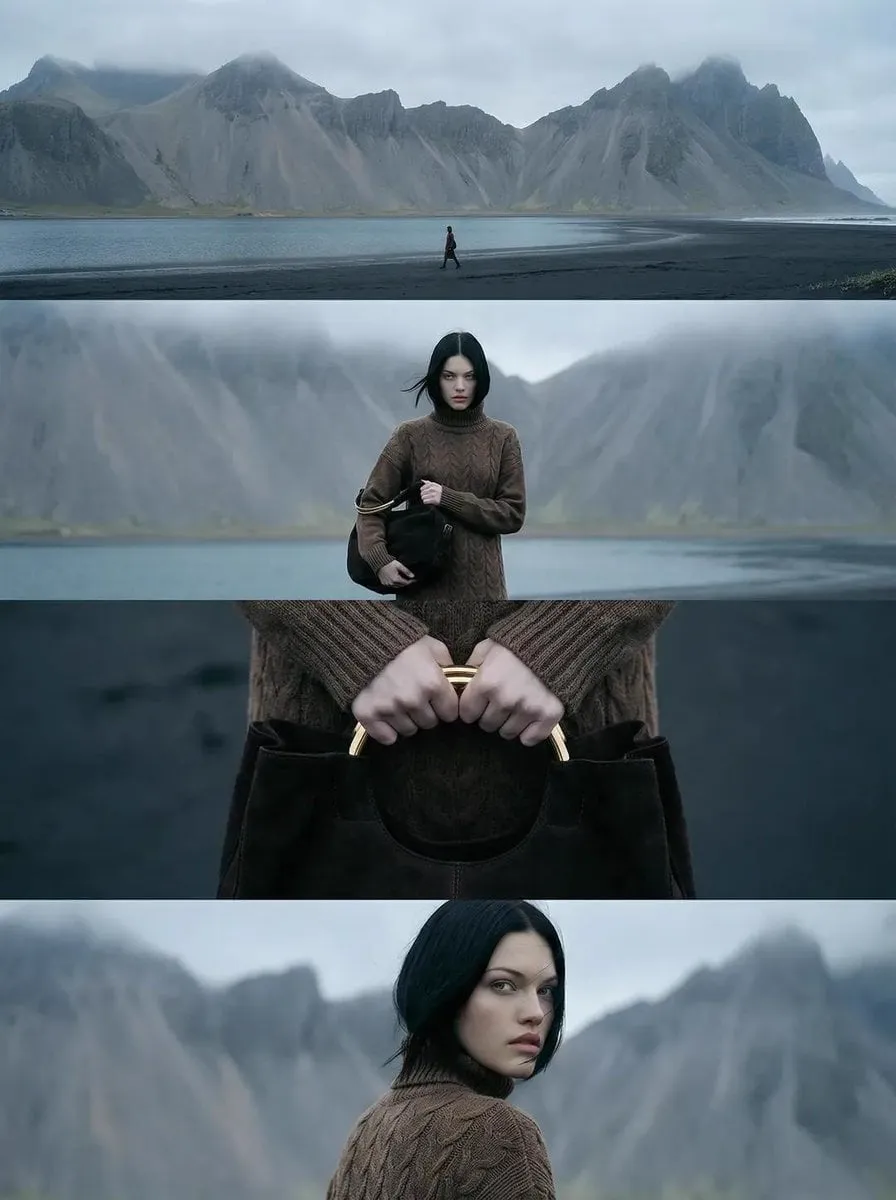


The generative video market is growing at a pace that surprises even people who follow it closely, with year-over-year growth regularly reported in the low-to-mid tens of percent. The reason is not hype; it is access. For the first time, a wide range of advanced models is available to anyone with a web browser, which has tipped the industry past a point of no return. Manual editing workflows are increasingly giving way to automated, model-driven pipelines. This article reviews the landscape of fast AI video editing tools, explains what to look for in a platform, and lays out a sensible workflow for turning raw material into polished output quickly without losing craft.
Why Fast AI Editing Matters Now
The need is driven less by laziness than by the economics of attention. Social feeds churn relentlessly, trends rise and fall within days, and audiences expect fresh content almost constantly. The old editorial pace, film, wait, schedule, no longer fits those channels. Speed is a competitive advantage in its own right.
Fast AI editing directly answers the demand for instant response to trends and for personalization at a scale that manual work cannot reach. Instead of one master video, teams can now produce many variants, each tailored to a platform, audience, or ad group, in a fraction of the previous time.
There is a trap too, of course. Speed without quality produces noise, and audiences are quick to punish content that feels rushed or generic. The goal of fast editing is not to lower the bar but to raise throughput while keeping the bar in place.
The Reality Behind the Growth Numbers
It helps to understand why the market is growing so quickly. It is not simply that more people want video; it is that the cost of producing it has collapsed. Cloud infrastructure puts generation in reach of solo creators and small teams who could never afford a production house. That expansion of who can make video is the real engine of growth.
When you remove the hardware and crew barrier, the volume of experiments rises, the quality of the best work rises in response, and the market broadens. It is a virtuous cycle that continues to feed on itself as models keep improving and prices keep falling.
What Has Changed in Video Platforms
The platform side of the industry has evolved dramatically in a short window. The shift is away from simple text-in, video-out and toward granular control over every frame. Modern tools offer per-frame influence, character management, camera direction, and the ability to condition an output on reference imagery.
From Text to Cinematic Control
The earliest models took a sentence and returned a clip that vaguely matched. The current generation behaves more like a collaborator. You can specify framing, lens behavior, motion, and lighting, and the platform respects those directions. The distinction between a toy and a tool is precisely this depth of control.
Resource Management and Model Integration
Behind the scenes, mature platforms manage real infrastructure. Task queues allocate GPU resources efficiently, which sounds like an internal detail but has user-visible consequences: faster queue times, fewer failures, and predictable costs across long productions. The best platforms make heavy model compute feel lightweight to the end user.
Character and Frame Control
The most valuable recent capability is multi-image fusion. Combining a portrait reference with a scene reference lets you hold a character's identity while placing them in new environments. Character consistency, long the weakest link in generative video, is now a practical feature rather than a hope.
Reliability You Can Plan Around
A subtle but decisive shift is reliability. Early tools occasionally dropped jobs or returned broken output, which made them useless under deadline. Mature platforms have invested heavily in the plumbing so that a batch of generations completes predictably. For anyone trying to run a real business on these tools, predictable completion is worth more than the occasional spectacular render.
When evaluating a platform, ask how it handles failures. Does a failed job retry automatically? Does the queue survive spikes? Are there sensible limits and clear pricing? The answers tell you whether this is production tooling or a toy dressed up as one.
Choosing a Fast Editing Platform
Not every tool earns a place in a fast workflow. A few criteria separate genuinely useful platforms from demos.
Reliability first. A tool that drops the queue or fails halfway through a batch is worse than a slower tool that delivers. Look for platforms with proven uptime and sane resource management.
Model breadth. A platform that aggregates multiple engines lets you route each shot to the right model. Breadth is not just a quantity boast; it is the difference between a one-look tool and a palette.
Character consistency. If you produce narrative or branded content, image-reference support and character control are non-negotiable.
Output flexibility. Confirm you can control aspect ratio, duration, and whether you get clean footage or burnt-in styling. You want raw, editable output, not a finished but locked product.
Evaluating Without Getting Lost
When you first sign up for a platform, run a structured test rather than a scattered one. Generate the same concept through three different models and compare. Push the limits on a complex scene. Add a character reference and confirm the identity holds across two shots. Export at multiple ratios.
This twenty-minute audit tells you more about a tool than any feature list. It reveals render speed, quality ceiling, consistency strength, and interface friction in one sitting, and it gives you a fair basis to decide whether the platform belongs in your daily workflow.
How an AI Director Agent Fits In
One of the more intriguing developments is the AI director agent, a layer that sits on top of the raw generators and helps orchestrate the work. Rather than prompting each shot in isolation, you describe an intent and the agent proposes composition, camera moves, and narrative beats.
The appeal is real for non-directors. It guides your scene composition and suggests structure, acting like an experienced editorial voice that catches pacing problems before you burn render budget on them. It can standardize cinematic choices, keeping a multi-shot sequence visually coherent, and automate the kind of repetitive setup work that normally eats an afternoon.
The caveat: an agent is an assistant, not an author. You still own the vision. Use its suggestions as a first draft and reserve final judgment for yourself. The strongest workflows treat the agent as a fast, opinionated collaborator that accelerates the loop between idea and frame.
Making the Agent Work With Your Taste
The value of an assistive agent depends on how you direct it. Feed it enough context, the concept, the audience, the mood, and the constraints, and its suggestions get sharper. Then treat those suggestions as a starting point: edit the pacing, override the camera, reject the beats that do not fit.
The agent becomes a force multiplier when you treat it as an interlocutor rather than an oracle. Ask it to try a different structure, tighten the rhythm, or suggest an alternative opener. Iterating with the agent is often faster than fighting a blank page, and it keeps your judgment at the steering wheel.
A Fast but Careful Editing Workflow
Speed is a property of the overall process, not of any single button. A dependable fast workflow sequences the work sensibly.
Organize raw material before prompting. Curate your best clips, stills, and text notes into a folder before you touch any generation tool. Decision-making slows down when assets are scattered.
Write the edit as a shot list. Even for fast work, a rough stringout, a list of beats and the footage that covers each, keeps the assemble coherent. Ten minutes of planning saves an hour of re-generating.
Generate wide, select tight. Produce cheap drafts of every shot, review the assembly as a whole, and only then re-render the shots that earn a place at full quality.
Handle sound early. Audio and music are as much a part of a produced feel as the picture. Choose music that matches the intended pace and leave room for a voiceover if the concept calls for one.
Export for the destination. Decide vertical versus horizontal, subtitle style, and whether captions should be burned in, before you finalize. Exporting once, correctly, saves a second round.
Batching for Speed
Fast editing is at its best when operations come in predictable batches. Generate several variations of the same shot in one queue so the platform can work efficiently. Export a whole sequence at once rather than one clip at a time. Apply the same caption style to an entire project before review.
Batching shifts your mental load from juggling individual tasks to managing a smooth pipeline, which is exactly where a human adds the most value. It also makes it far easier to spot systemic problems, because a failing pattern shows up across the batch, not in one stubborn clip.
Sound Design as a Fast-Edit Advantage
Sound is chronically underrated in AI editing and it is the cheapest way to make a clip feel produced. A consistent music bed, subtle transitions, and clean captions elevate footage that might otherwise read as raw AI output.
Even a basic scaffold of music, a few foley cues for key actions, and a clear level structure makes a measurable difference to perceived quality. Viewers tolerate imperfect pictures far better than imperfect sound, so a modest investment in audio pays outsized dividends in perceiving the work as done and professional.
Building an Audio Foundation
You do not need a full sound-design skill to benefit. Create a simple audio template: a music bed with an intro dip for voice or captions, a consistent transition sound between major beats, and a standard export loudness. Reuse that template across projects so your audio identity stays consistent.
Consistent loudness is especially important. A clip that is markedly louder or quieter than the rest of a feed feels broken. Set a target loudness once, apply it everywhere, and your output will sit comfortably alongside professional uploads no matter what tools produced the picture.
The Community and Monetization Angle
Beyond the generator itself, mature platforms foster ecosystems. Some let creators train, publish, and even sell custom models, which rewards specialization and turns a consumed service into an active market. For a fast-editing professional, this is worth watching: the models you rely on may become something you can influence or profit from directly.
For most practitioners, the practical takeaway is that you are not locked into a single provider's imagination. A platform with an active marketplace expands the palette over time and gives you access to community innovations that no single vendor would ship on its own.
Where to Put Your Attention Early
In the early phase of using any platform, spend your time where the payoff is highest. Master the reference and consistency features before sampling every engine. Learn one workflow end to end before pursuing breadth. Study what the community produces and the prompts behind it, since that is a low-cost way to absorb hard-won craft.
Participation also compounds. Answering a question in a community forum, posting a breakdown of how a shot was made, and sharing a prompt that worked all build a reputation and invite feedback that improves your own practice. Ecosystems reward generous, engaged users.
Avoiding the Fast-and-Sloppy Trap
The main quality risk is the temptation to ship the first render. A few disciplines prevent that:
Set a minimum bar and enforce it. Review every shot for artifacts such as warped digits, strobing, or inconsistent faces, and re-roll rather than ship.
Standardize your look. Consistent grading, consistent caption styling, and consistent music across outputs make a brand instantly recognizable, and repetition signals professionalism.
Test, don't trust. When you adopt a new model, put it through your actual workload before you depend on it for client work. What looks good in a showcase may not hold up across varied prompts.
The Quality Gate Habit
Institute a lightweight quality gate before anything ships. A single checklist question set, does the character look consistent, is the motion clean, is the sound balanced, do the captions read clearly, catches most of what separates finished work from drafts.
That gate need not be bureaucratic. It can be a two-minute pass in the timeline right before export. The point is that it happens, reliably, because the difference between a fast pipeline and a sloppy one is not talent but discipline applied consistently.
Where Fast Editing Is Headed
The trend is toward tighter model-to-audio integration, longer controllable sequences, and stronger tools that assist with pacing and structure. The boundary between generating footage and finishing it is blurring, and the near-future of a single interface that moves from raw idea to fully mixed short is plausible.
For editors, the implication is that the fundamentals matter more than ever. There is no skill that the machine cannot eventually replicate; taste, story sense, and judgment remain stubbornly human. The professional who succeeds in fast AI editing will be the one who uses the tools to move faster while continuously refining the judgment that decides what deserves to exist.
Preparing Your Skills for What's Next
Because the pace of change is relentless, the wisest investment is in skills that transfer across tools rather than in loyalty to a specific product. Understand the foundational concepts, references, consistency, shot structure, pacing, sound, and you can adapt to any new interface quickly.
Resist tool fatigue, the tendency to chase every new release. Let your workflow settle, and only adopt a new tool when it clearly solves a problem you actually have. Steady accumulation beats constant restarting when you are trying to build a reliable production practice.
Frequently Asked Questions
How much faster is AI editing than traditional editing?
For concept and short-form work, most creators report cutting production time from days or weeks to hours, primarily by removing the shoot-and-capture phase.
Do I need high-end hardware for fast editing?
Because generation runs in the cloud, a modest laptop is sufficient for prompting, downloading, and assembling. A decent GPU mainly speeds up local rendering and color work.
What is the best way to learn productive workflows?
Start with a single well-understood platform, master its image-reference features, and build a repeatable shot-list process before branching out to multiple engines.
Are AI-director agent suggestions worth following?
Use them as a strong first draft for composition and pacing, but retain final creative control. Edit the agent just as you would a junior collaborator.
What separates a professional-looking fast edit from an amateur one?
Consistent character identity, deliberate shot pacing, intentional music and sound, and uniform captions, in other words, the same craft disciplines that always applied, executed quickly at scale.
