
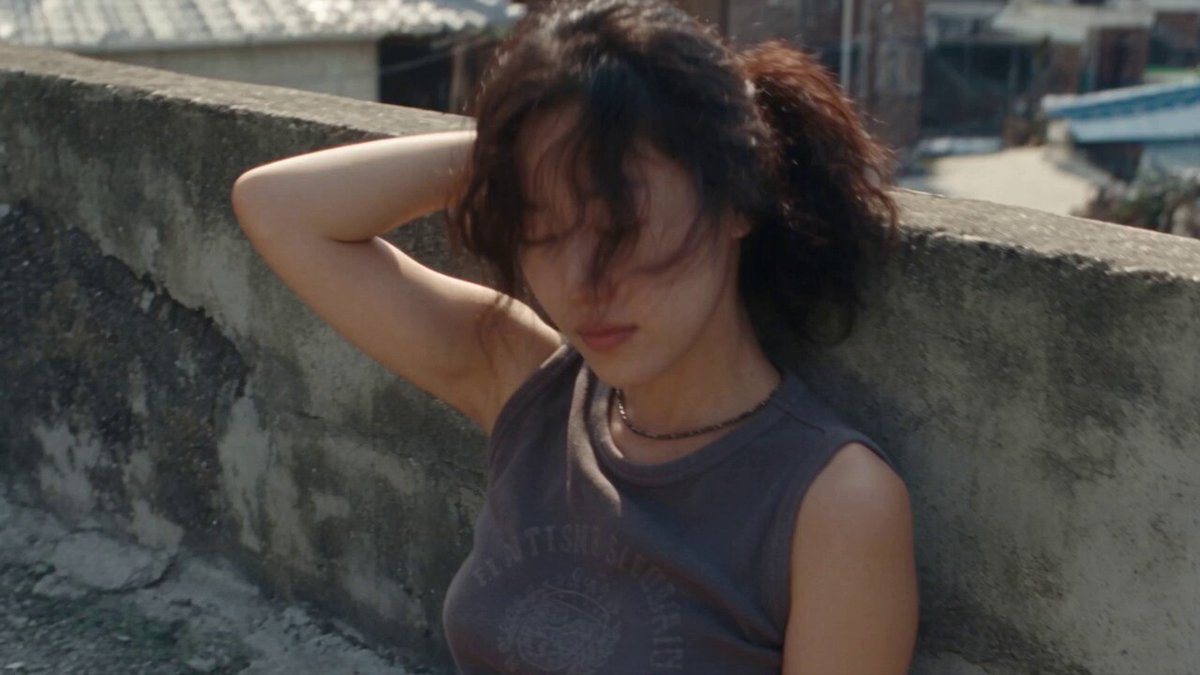
Anime has become one of the most in-demand styles in the AI content world. Its bold lines, expressive eyes, and vivid colors are instantly recognizable, and audiences love it. That demand has produced a flood of "free anime AI generator" sites that promise to turn a sentence into an anime clip with zero cost.
But free is rarely without a price. The tools that cost nothing often cap resolution, limit duration, leave jarring artifacts, and worst of all, break character consistency between shots. For creators who want a finished anime video rather than a novelty clip, the free route can quietly cost more time and credibility than it saves money.
This guide compares free anime generators against comprehensive AI video platforms so you can decide which actually serves your creative goals. It lays out the trade-offs in limits, consistency, technology, and community in practical terms.
Limits and Capacity: Free Tools vs. Integrated Platforms
The most obvious difference is capacity. Free generators are designed to get you curious, not to run your studio. They constrain you in ways that compound over a real project.
Model Quality and Accessibility
A free tool typically exposes one or two public models behind a busy ad-supported interface, and it may automatically downgrade quality to control its compute costs. You get whatever the site decides to give you. A full platform, by contrast, surfaces a curated library of models—image, anime, and video—so you can compare visual styles and pick the system that best fits the look you are chasing.
"Free" also tends to mean "shared." When everyone draws from the same funnel, you will produce work that looks like everyone else's. Differentiation, the thing that makes anime content stand out, is hardest to achieve with someone else's default model and default settings.
Character Consistency and Keyframe Management
Here is where free tools fall apart fastest. Anime is unforgiving: a character whose eyes change color, whose hairpiece flickers, or whose proportions shift between shots is instantly detectable as a cheap AI clip and destroys the story.
Free generators usually offer no way to anchor a face. You type a description each time, roll the dice, and rarely get the same character twice. Full platforms support reference images and multi-image fusion, letting you lock a character's identity and carry it across every shot. Keyframe control goes further, specifying motion between fixed poses. For serialized characters or episodes, this consistency is the entire ballgame.
Resolution, Duration, and Artifacts
The technical ceiling is the third wall. Free tools often render at low resolution, cap clips at a few seconds, and leave obvious artifacts: wobbling lines, warped faces, melting backgrounds. These are tolerable in a thumbnail and disastrous on a large screen.
Paid and platform tools are built to deliver at higher resolution with longer, cleaner sequences. If your anime content is meant for YouTube, social platforms, or a client deliverable, the quality bar is simply much higher than a free tool can reach.
Technology Depth and the Creative Ecosystem
Beyond raw limits, the deeper question is whether the tool helps you become a better, faster creator or just outputs random clips.
Advanced Model Flexibility
On a full platform, you do not bet everything on one model. You route each shot to the right tool: a crisp cartoon-line model for one scene, a smoother anime-style model for another, a motion-heavy model for an action beat. That flexibility is what makes a project feel art-directed rather than generated.
The AI Director Approach
One of the most impactful platform features is an AI director that understands film language. Instead of issuing disconnected clip prompts, you describe a scene, and the director composes shots, sequences beats, and keeps tone consistent. For an anime action sequence or a character-driven story, having a "director" coordinating the visuals is a massive productivity leap over pasting the same prompt into a free box over and over.
Technical Architecture and Reliability
Production-grade platforms run on real infrastructure: managed task queues, reference storage, and GPU scheduling. Free tools buried behind ads and free tiers can time out, throttle, or disappear mid-project. When you are pulling an all-nighter to finish a video, reliability is a feature in its own right.
Community, Monetization, and Custom Training
The creative ecosystem that surrounds a tool often matters as much as the generator itself.
Monetization Opportunities
Free generators rarely give you a path to earn. Full platforms increasingly offer marketplaces where creators can share templates, styles, and workflows—and get compensated for them. If your goal is to build anime content as a career, being part of an ecosystem with a monetization layer opens doors a solitary free tool cannot.
Custom Model Training
The most powerful differentiator is the ability to train or fine-tune custom models on your own style. Anime creators with a signature look can teach the system their aesthetic, then generate on-brand content at scale. This is simply impossible on a free generator where you rent someone else's look by the prompt.
The Hidden Cost of "Free": Time, Rights, and Bloat
The "free" label obscures several costs that only surface once you are committed. Understanding them helps you price the choice honestly.
The most common hidden cost is time. Free generators frequently throttle output, queue you behind a line, impose daily caps, and force you to retry until a decent result appears. Over a real project, those delays add up to more hours than a modest subscription would have cost. Time spent watching a spinner is not free; it is your production time being taxed elsewhere.
Rights and ownership matter too. Read the terms of any generator before using it commercially. Some free services claim broad licenses to your creations, or restrict what you can do with them. If you are producing anime content for a client or a channel with revenue, you need clear, predictable usage rights. Platforms designed for professional work generally make commercial terms explicit and favorable.
Then there is the interface bloat. Free tools often monetize through ads, upsells, and paywalled features placed exactly where you need them. The friction of navigating that is a real cost to your workflow. A clean, purpose-built interface for generating anime video is worth a surprising amount of lost-friction minutes per day.
None of this makes free tools "bad." It makes them a trade-off you should choose with open eyes. For a hobby or a one-off, the trade is often fair. For recurring production, the math rarely favors them.
Building a Consistent Anime World, Not Just A Character
Consistency in anime rarely stops at a single character. The most memorable titles are recognizable because an entire world holds together: the palette, the architectural style, the way light behaves, the design language of vehicles and props.
Treat your world the way studios do: define a reference bible. Collect or generate key images for your protagonist, their wardrobe, their hometown, recurring landmarks, and signature objects. Then use multi-image fusion to keep all of it coherent across shots, and keep the reference set centralized so every generation draws from the same identity.
This is where free single-prompt tools fall farthest short. They cannot carry a world from scene to scene because they have no persistent identity model. A platform with reference and keyframe management can, and it is exactly what turns a set of pretty anime stills into a believable serial.
A practical habit is to lock a small palette for your project and echo it in prompts. If your world lives on deep turquoise and warm amber, keep those terms recurring rather than letting the model drift toward whatever looks attractive in isolation. Discipline in your reference set and palette is what makes your anime content feel like one creator's vision rather than a random sampler.
Working With Motion: Anime's Signature Challenge
Anime has motion conventions that do not translate automatically from photoreal video generation. Understanding them separates passable results from genuinely anime-accurate ones.
Fast action relies on speed lines, motion smears, and dramatic angles. Expressive stills punctuate key emotional beats. Transformation sequences rely on staged step-by-step changes. Each convention benefits from explicit prompting: name the dynamic camera angle, the smear, the impact frame, or the staged transformation so the model gives you anime grammar rather than generic cinematic movement.
Camera language matters too. High, low, and canted angles do heavy expressive work in anime. A dutch tilt signals unease; a dramatic low angle signals power. Specify these in your prompts and insert keyframes where the composition must hold, so the frame does not drift back to a neutral eye-level default.
Finally, respect the loop. Many anime assets run on seamless loops for backgrounds, aura effects, or transformation glows. Choose models that support seamless looping so those assets repeat cleanly instead of jumping at the seam. A minor technical choice, but one that keeps your world feeling polished.
Which Should You Choose?
There is no universal answer, so let the decision criteria be explicit. Pick based on what you are trying to accomplish.
Choose a free anime generator if:
- You are experimenting with whether AI anime is for you.
- You need a quick visual for a meme, a sketch, or a personal project.
- You have no interest in character consistency or extended sequences.
- You accept low resolution, short clips, and visible artifacts.
Choose a full AI platform if:
- You are producing anime video for an audience, client, or channel.
- Characters must stay consistent across multiple shots.
- You need higher resolution, longer clips, and clean results.
- You want to monetize or train custom styles over time.
- Production reliability matters as much as visual quality.
The honest summary is that free tools are a fine door into the hobby but a poor foundation for a career. If anime content is how you intend to grow an audience or earn income, the limits of free tools will actively hold you back.
Practical Advice for Getting Started
If you are convinced that a platform approach serves your goals, here is a sensible way to begin without overcommitting.
- Start small. Choose one real project—say a single anime character reveal or a short two-shot scene.
- Anchor your character. Generate a reference image and lock it. Consistency is the foundation.
- Write structured prompts. Subject + action + environment + style each shot.
- Generate in batches. Produce several takes and curate rather than settling for the first result.
- Route models. Use a fast model for quick exploration and a premium model for the final captures.
- Add audio. Anime lives on sound—music, effects, and voice. Pair visuals with a soundtrack before calling it done.
- Assemble and iterate. Cut, regrade, and repeat. Each cycle makes your eye sharper.
Frequently Asked Questions
Are there any genuinely good free anime generators?
A few produce decent single images or very short clips, but almost none deliver consistent characters or polished longer sequences. For a single still, free can work; for a video, it rarely does.
Can I keep the same anime character across shots?
Only with reference-based tools and multi-image fusion. Free single-prompt generators cannot reliably do this, which is why characters often morph.
Do I need to be an artist to get good anime AI results?
No, but you must learn prompt craft and curation. The technical craft of description is more important than drawing ability.
Is it worth paying for an anime AI platform?
If your output matters to an audience or a client, yes. The difference shows up in consistency, resolution, reliability, and a monetization pathway.
Conclusion
Free anime AI generators are a perfect tasting spoon: quick, accessible, and zero risk. But when anime is how you intend to create seriously—building a consistent character, a real sequence, or a channel that people follow—their limits become your ceiling.
Comprehensive AI platforms close that gap with model libraries, character consistency, higher resolution, reliable infrastructure, and even monetization and custom training. The right choice comes down to your ambition. If you just want a look, stay free. If you want to make, choose the toolbox that lets you.
