
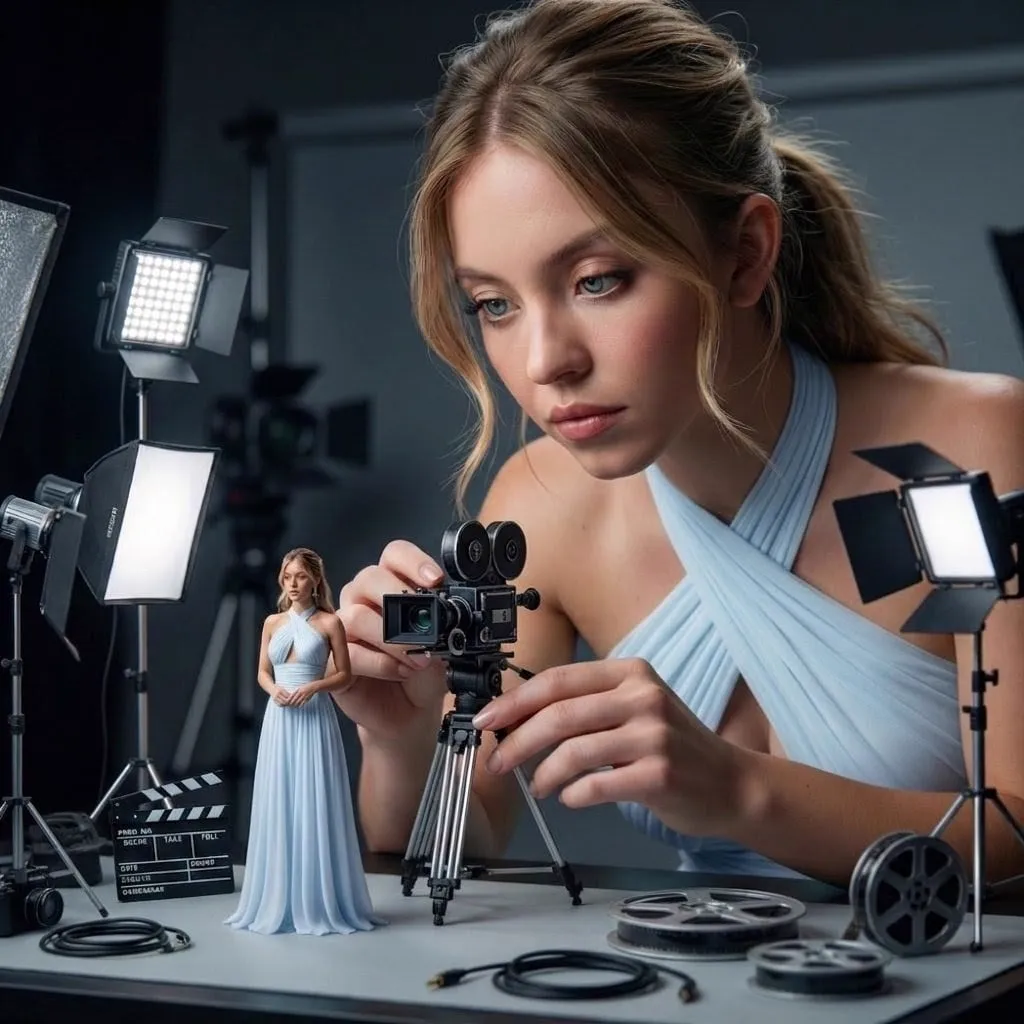
Turning text into video used to sound like science fiction. A few years ago, producing a short film meant gathering a crew, renting equipment, blocking out a schedule, and spending weeks in post-production. Today, the same person can sit at a keyboard, type a description of a scene, and watch a workable, sometimes startlingly good video render in minutes. Generative video is no longer an expensive curiosity. It has become a practical production tool that content creators, marketers, educators, and independent filmmakers rely on every day.
This guide walks you through the current state of text-to-video technology, the skills that separate mediocre generations from compelling ones, and the model-selection strategies that keep projects fast, consistent, and affordable. Whether you want to animate a concept for a client, build a YouTube channel with very little overhead, or prototype shots before a real shoot, the workflow described here will help you get usable results without burning your budget.
What Text-to-Video Actually Means Today
Text-to-video, often abbreviated as T2V, is the task of generating a moving image sequence directly from a written prompt. Behind the scenes, the model interprets your description, builds a visual scene, and predicts how the elements move frame by frame. The result can range from a dreamy abstract loop to a near-photorealistic live-action clip depending on the model you choose and how you guide it.
The current generation of models is fundamentally different from the toy examples of just a year or two ago. Early tools produced short, flickering clips where characters distorted between frames. Modern models maintain stable faces, respect spatial layout, and can follow a simple narrative across several seconds. That shift matters because it moves the tool from "interesting demo" into "actual production pipeline."
There is an important distinction to keep in mind between the two main generation modes. Text-to-video starts from nothing but words. Image-to-video starts from a still image or set of images and animates them. Image-to-video tends to give you more control, because the composition, subject, and style are already locked in one frame. Most serious workflows begin with an image, get the look right, and then animate it. Text-to-video is faster for pure brainstorming and for scenes you cannot easily produce as stills.
Why Video Generation Matters Beyond the Hype
It is tempting to dismiss generative video as a gimmick, but the economic logic is hard to ignore. Producing high-quality video content has traditionally been one of the most expensive activities in marketing and entertainment. If a tool can reduce a week of production into an afternoon, it changes which projects are worth attempting at all.
For small businesses, the payoff is immediate. A local brand that could never afford a professional studio can now produce animated product demos, explainer videos, and social clips. For agencies, generative video becomes an ideation superpower: create a dozen thumbnail variations in an hour, show a client directions they never imagined, and only invest in full production once a direction is locked. For educators, it turns dry lesson notes into illustrated sequences that hold attention.
The strategic value is discovery. When everyone can generate video, standing out is less about access to equipment and more about taste, curiosity, and iteration speed. The creators who win are not the ones who can afford the best camera; they are the ones who can try fifty ideas quickly and keep the two that actually work.
The Skills That Separate Great Generations from Mediocre Ones
Anyone can type a vague prompt and get a video. The difficulty is getting a video that feels intentional. Four skills make the difference between throwaway results and usable footage.
Writing a Scene Instead of a Subject
The most common rookie mistake is describing an object rather than a scene. "A red car" produces a generic red car clip. "A weathered red pickup truck driving slowly down an empty desert highway at dusk, dust kicking up behind the tires, camera following from a low angle" produces something with mood and purpose. Describe the environment, the lighting, the camera movement, and the action. The more concrete the motion, the better the model can choreograph it.
Thinking in Time, Not in Stillness
Video models reason about motion. When you write a prompt, imagine what changes across the clip. Does the light shift? Does the subject move toward the camera? Is there wind, water, smoke, or people walking? Including dynamic elements gives the model something meaningful to animate and prevents that stiff, frozen look that plagues simple prompts.
Consistent Style Language
If you plan to combine several generations into one video, keep your style language consistent. Fix the palette, the time of day, the lens feel, and the level of realism across every prompt. Tiny variations in phrasing can cause style drift between shots, which makes the final edit look assembled rather than coherent.
Iterating on Feedback
Rarely does the first generation match your mental image. Treat the model as a collaborator that responds to revision. Change one variable at a time. Add a light term, remove a camera word, or tighten the action. Keeping a log of which prompts produced which results accelerates learning and helps you reuse successful formulas.
Choosing Between Text-Based and Image-Based Generation
Most workflows benefit from understanding when to use each mode.
Text-to-video is the right choice for exploring completely new ideas, generating background plates, creating abstract or surreal content where no photograph exists, and producing quick pitch materials. Its strength is speed and imagination.
Image-to-video is the right choice when you need control. If you have a brand asset, a character design, a product shot, or a specific composition you love, you animate that asset instead of hoping the model rediscovers it. You can generate the keyframe with an image model, refine it, and then feed it to a video model. This two-step pipeline is the backbone of most commercial work because it gives you a checkpoint where you can approve the look before committing to motion.
A useful hybrid is multi-image input. Several models now accept two or more reference images so you can animate a subject across a scene change while preserving identity. This is how creators keep a character recognizable from one shot to the next, which is one of the hardest problems in generative video.
Managing Cost and Model Selection Without Wasted Spend
Generative video is not free, but it is dramatically cheaper than traditional production. The real cost trap is inefficiency, not the per-generate price. Here is how to keep budgets under control.
Start Cheap, Refine With Premium
Run your earliest experiments on fast, inexpensive models. Explore composition and motion concepts cheaply. Once a direction is promising, spend on a premium, higher-fidelity model for the final pass. This tiered approach means the expensive generations happen only when they matter.
Guardrails Against Wasted Generations
Always settle the prompt text cleanly before hitting generate. Rarely leave a vague prompt to run on an expensive model hoping for variety. Every wasted generation is money spent on a clip you will discard.
Batch By Symmetry
If you need a set of matching clips, define a template and vary a constrained set of parameters. Changing the scene description while keeping style terms identical produces a family of clips that edits together cleanly, and it avoids paying for mismatched results that need regenerating later.
Look for Value in the Middle Tier
The sweet spot for most projects is a mid-tier model that balances resolution, length, and price. Many projects that "need" the premium tier actually look indistinguishable in the final edit once compressed for social media.
Building a Reliable Production Workflow
A repeatable pipeline beats spontaneous generation every time. A solid workflow has four stages: concept, still frame, motion, and assembly.
Start by writing a concise creative brief. One or two sentences about what the story is, who the audience is, and the feeling you want. From the brief, generate or design a keyframe still image and approve it. Then animate that frame using image-to-video. Finally, assemble the clips, add captions and music, and review for consistency.
An underrated part of the pipeline is the storyboard. Before generating any video, lay out the shots you need and the sequence between them. Broadly enough, this planning step prevents the expensive problem of discovering halfway through production that you are missing a crucial shot or that two clips cannot be cut together.
Audio is where many DIY projects quietly fail. A visually strong clip with no sound, or with a distracting default soundtrack, feels unfinished. Budget time to add dialogue, voiceover, or sound design, because audio carries a surprising amount of the perceived production value.
Common Problems and How to Fix Them
Even with good technique, videos can go wrong. Here are the frequent failure modes and the prompts or process changes that fix them.
Faces Warp or Flicker
Character stability is the hardest area of generative video. Solutions: use image-to-video from a strong reference frame, keep faces large in the frame, minimize fast head turns, and keep the character's movement modest. Slow, deliberate motion stabilizes faces far better than dramatic action.
Motion Looks Robotic
If movement feels stiff, your prompt is probably under-specifying physical forces. Add effects like wind, waves, cloth physics, or contact interaction. Encouraging subtle secondary motion makes clips feel alive.
Style Drifts Between Shots
Lock your style language across prompts, and consider reusing the same seed or reference image. Consistent lighting words ("soft golden-hour light"), fixed camera language, and identical aspect ratios all reduce drift.
Content Feels Empty
If the clip lacks narrative interest, it is often a prompt problem rather than a model problem. Give the subject an action with a consequence. A person looking at the camera tells a story; a person pouring coffee and smiling at an off-screen guest tells a better one.
Practical Prompt Pattern Library
To give you a head start, these are prompt patterns structured to produce stronger results. Adapt the bracketed details to your own ideas.
For an establishing scene: "[Subject] in [environment] at [time of day], [specific action] in progress, [atmosphere], shot on [lens feel], [camera movement]."
For a character moment: "Close-up of [character], [emotion], [subtle action], soft [lighting] from [direction], shallow depth of field, cinematic color grade."
For a product clip: "[Product] on [surface], [lighting], rotating slowly to reveal [feature], background [color/texture], studio-quality reflections."
For an abstract loop: "[Concept] morphing into [second concept], [color palette], seamless loop, fluid motion, high detail."
These templates are starting points. The more you personalize them with real sensory detail, the more distinct your output becomes.
Frequently Asked Questions
How long can generated clips be? That depends on the model and plan. Many tools cap generations at a few seconds to a minute. Longer videos are usually assembled from multiple clips, which is why shot planning matters.
Do I need a powerful computer? Generally no. Modern generative video runs in the cloud. You need a stable internet connection and a browser or app interface. A decent computer for editing the results is helpful but not required for generation itself.
Can I use these videos commercially? This varies by platform and license, so check the specific terms of the tool you use. Many allow commercial use, but you should confirm before shipping client work bound by strict rights.
Is the quality good enough for professional clients? On the right models and with careful prompting, yes. The key is choosing the appropriate model tier for the final deliverable and handling audio and assembly properly.
How much does it cost to start? Most platforms offer a free tier or trial access sufficient to learn. A realistic budget for a short promo piece is far below traditional production, making it approachable for individuals and small teams.
Can generative video replace real filmmaking? Not entirely, but it changes the economics. For certain deliverables, especially social content, product demos, and ideation, it is already the most practical option. For complex narrative work, it complements rather than replaces traditional techniques.
Final Thoughts
The barrier between imagination and moving pictures has never been lower. Text-to-video is a tool for people who want to move fast, test ideas cheaply, and produce more than their budget would otherwise allow. The technology rewards curiosity and iteration. Start with a small experiment, learn how your chosen model responds to prompting, and build a workflow you can reuse.
The creators who thrive in this landscape will not be defined by the software they use but by the questions they ask, the taste they bring, and their willingness to generate, evaluate, and refine. If you can write a clear sentence about what you want to see, you can make video today.
