
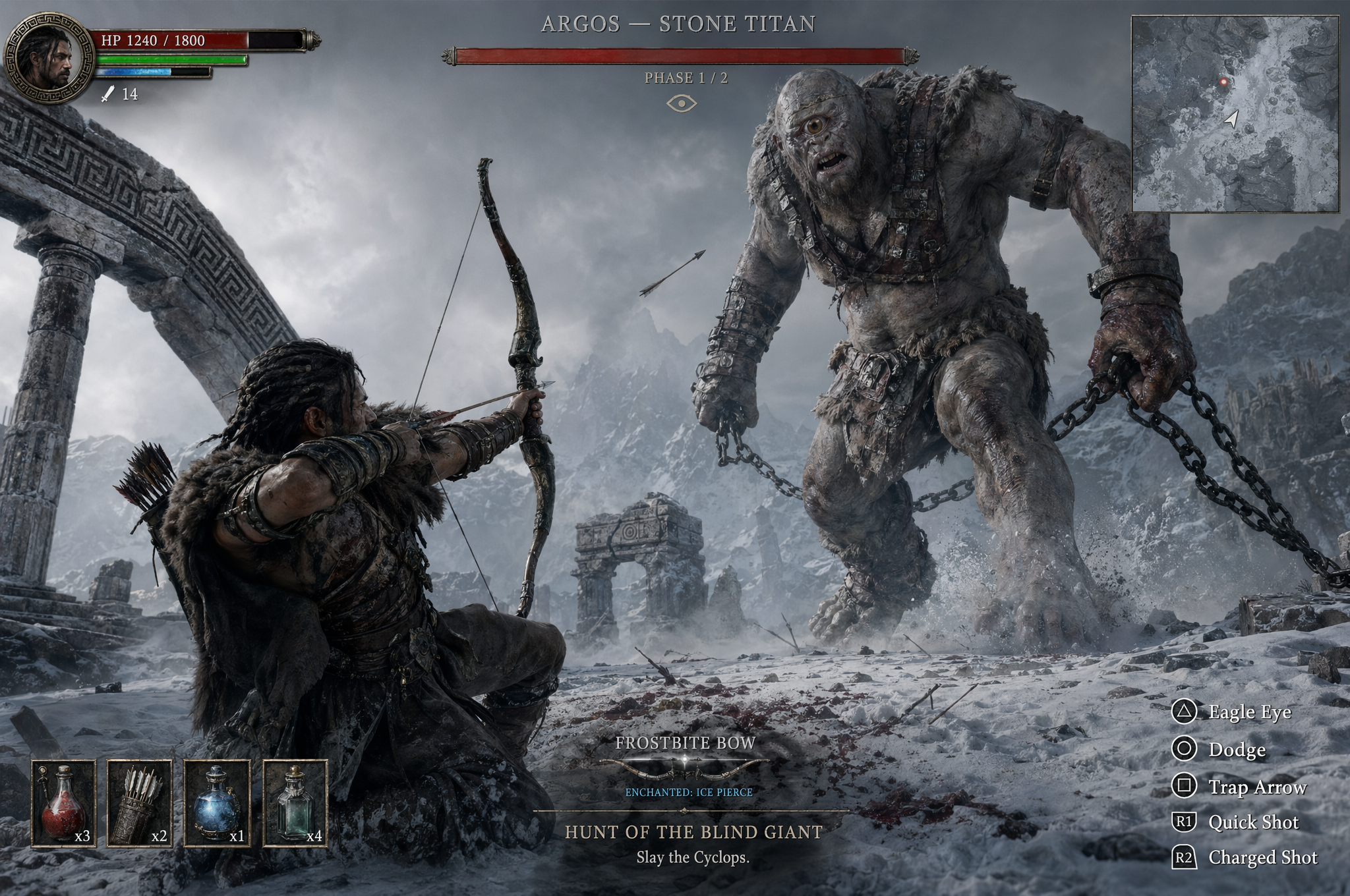
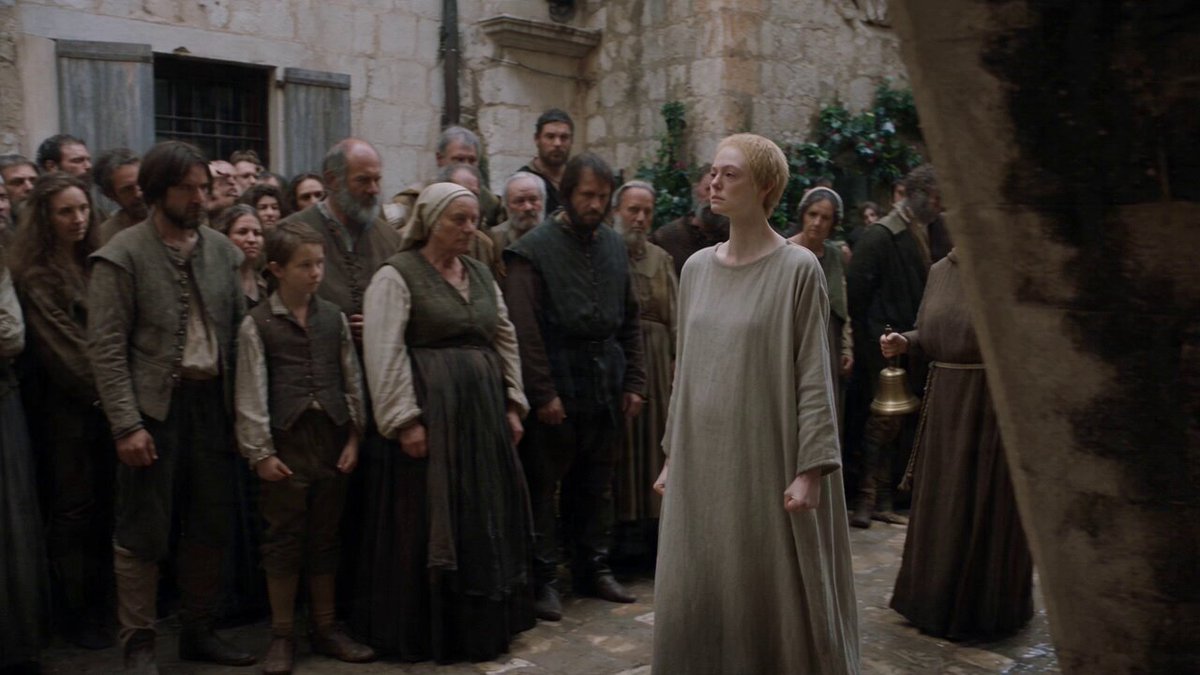
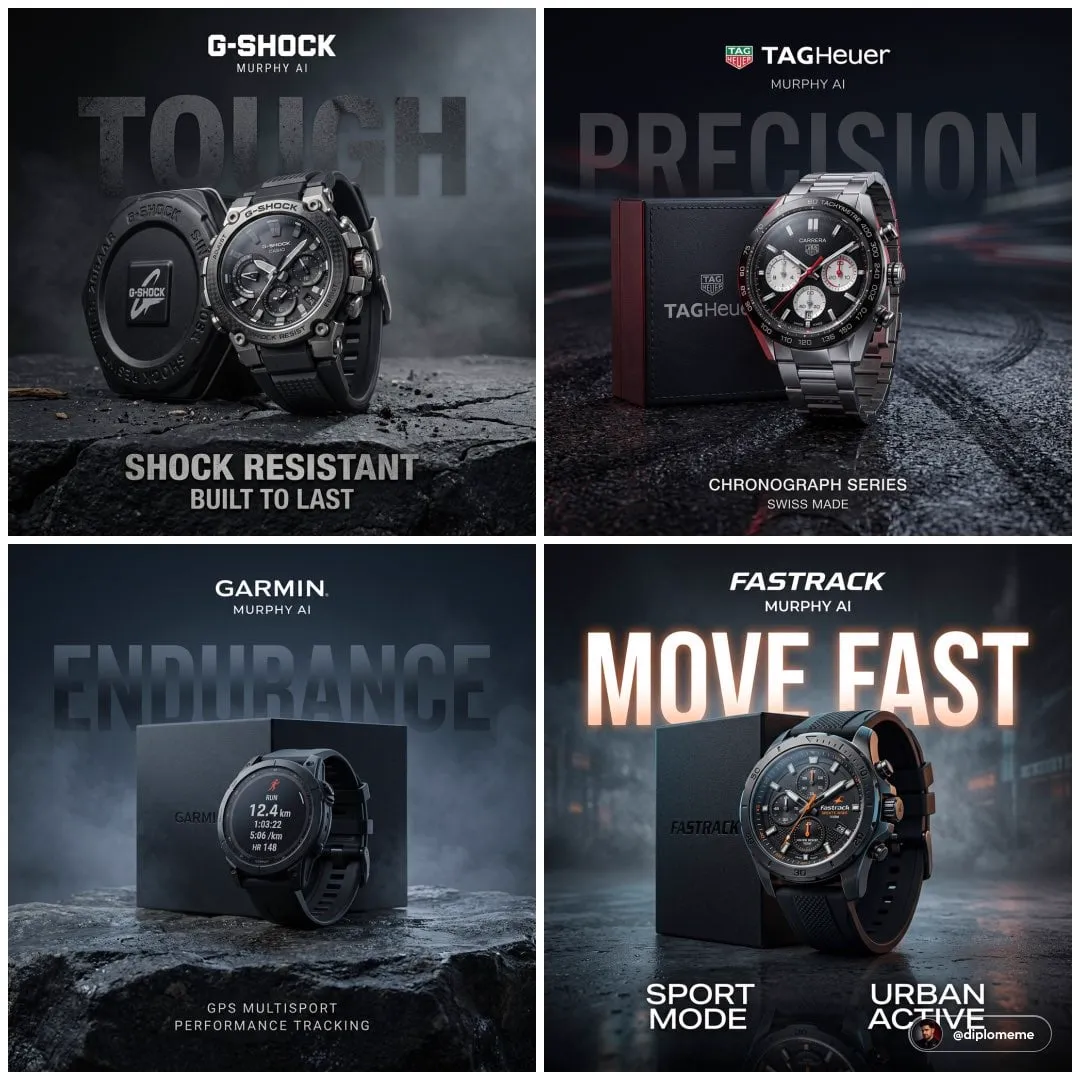
Photorealistic image generation has moved out of research labs and into everyday creative work. In just a few years, generative models have reached a point where a machine can produce images that a casual viewer genuinely struggles to tell apart from photographs. What was once the domain of expensive render farms and specialist artists is now available to anyone with a clear idea and a good prompt. This shift is not a minor improvement in graphics software; it changes how images are imagined, produced, and reused across film, advertising, product design, and social media.
This guide walks through the current state of photorealistic AI rendering, the technology that makes realism possible, the models worth paying attention to, and the practical steps for keeping a visual style consistent across a set of images. Whether you are a designer, a video editor, a marketer, or a curious creator, the goal is to give you a practical map of the landscape rather than a list of buzzwords.
How Photorealistic Rendering Got Here
Traditional computer graphics build an image by simulating light: geometry, materials, cameras, and then a costly process of ray tracing or rasterization. This approach is powerful, but it demands heavy hardware, long render times, and deep technical skill. AI rendering approaches the same goal from a completely different angle. Instead of computing light paths, the model learns a statistical representation of what photographs look like from enormous datasets, and then produces an image that matches that learned distribution.
The consequence is that realism no longer requires a physics engine. The model has effectively absorbed the look and texture of millions of real photographs. As a result, the bottlenecks have moved. The hard part today is no longer computing shadows or reflections; it is directing the model toward the exact image in your head and keeping it consistent across many outputs.
Several forces converged to make this practical. Foundation models grew larger and more capable. Training data became richer and more varied. Inference hardware became fast enough to generate images in seconds rather than minutes. And tooling matured so that a single prompt can go from a vague phrase to several different candidate images, all in a few clicks. The practical effect is that the time between having an idea and holding a finished-looking image has collapsed.
Why This Matters for Creators
The speed of production is only part of the story. The deeper change is that the barrier to visual experimentation has almost disappeared. A photographer can test a hundred lighting setups without touching a camera. A marketer can compare look-and-feel variants for a campaign before commissioning a photoshoot. A filmmaker can pre-visualize a scene, an environment, or even a casted character before burning a budget on production.
This creative leverage is real, but it comes with responsibility. Because the model can invent convincing detail, the line between generated and captured becomes harder to see. Knowing what is real matters more than ever, both for legal clarity and for trust with audiences. At the same time, the same tool that makes experimentation cheap can also produce a flood of mediocre images unless the creator takes control of the direction, the prompt, and the evaluation process.
The Models Driving Realism
Several families of models have driven the leap toward photorealism, and each has its own strengths.
Diffusion-Based Generators
The dominant approach today is diffusion. These models begin from noise and iteratively refine it into a coherent image, guided by a text prompt and, often, a reference image. Their strength is in producing richly detailed textures and convincing lighting, particularly when given a descriptive prompt and enough inference steps. They are the workhorse behind most commercial image and video generators currently on the market.
Autoregressive and Hybrid Approaches
A more recent direction blends the sequential reasoning of language models with image generation. Because these models can "plan" the image as a sequence, they often handle complex compositions and text rendering inside images better. Trade-offs exist, though; they may be slower or require more careful prompting for fine detail. The practical takeaway is that no single architecture wins everywhere, and your choice should depend on the scene you are trying to create.
Video-Linked Pipelines
Photorealism in still images has a natural cousin in moving pictures. Many of the same diffusion engines power short video clips, which means that the consistency techniques you learn for stills carry directly into animating a character or a product across several frames. This is why mastering still-image consistency first pays off so well later.
When you evaluate a model, do not look only at its marketing demo. Generate your own test set: a portrait, a product shot, an outdoor scene, a close-up texture, and a scene with complex reflections. Run the same prompt across candidate models and compare them on realism, prompt adherence, and how predictable they are when you change one variable at a time.
Controlling Consistency Across Images
The single most frustrating failure of early generative tools was drift. A character's face would change between shots, a logo would warp, or the mood of a scene would quietly shift for no apparent reason. For storytelling, this is fatal; audiences notice a character that changes appearance immediately.
Modern platforms address this with a set of overlapping techniques that are worth understanding because they apply regardless of the specific product you use.
Reference Images and Image Fusion
The most direct fix is to give the model a visual anchor. Instead of describing a character only with words, you provide one or more reference images of that character. Fusion approaches combine the prompt with the reference so the model preserves the key features of the face, clothing, or object while composing it into a new scene. This dramatically reduces drift and is the reason image-to-image workflows feel far more controllable than pure text prompts.
Keyframe Discipline
For sequences, keep the important frames stable and let the model fill in the motion between them. Locking down the character's look on the frames where it is most visible, and reusing the same reference, forces the rest of the clip to stay on-model. Treat keyframes as the anchors of your story and everything else as interpolation between them.
Fixed Style Parameters
Small inconsistencies often creep in because the generative context drifts. Keep style descriptors in a reusable block: the camera angle, lighting direction, color temperature, lens feel, and material language. Reuse the same block across images in a series so that the mood stays coherent even when the subject changes. This is the difference between a folder of images that feel like one project and a random pile of disconnected experiments.
Verification Loops
Do not trust that consistency will hold. Save every generated candidate and compare against your reference at each step. If a character's eye color or wardrobe changes, correct it immediately and re-check. Building a habit of verification is cheaper than rebuilding a whole series after you discover a drift late in the workflow.
Making Photorealistic Rendering More Accessible
One of the quietest revolutions is how accessible this technology has become. You no longer need a graduate degree in computer graphics or an expensive workstation. The practical requirements today are modest: a clear idea, a decent set of prompts, a willingness to iterate, and a tool that lets you carry a reference through a project.
Accessibility also means democratization in terms of cost. Models that once required heavy compute can now generate a photorealistic image in seconds on ordinary hardware or through affordable cloud services. For small studios and solo creators, this closes a production gap that used to separate amateurs from professionals. A small brand can now produce visual assets that were previously out of reach, and a single person can prototype dozens of visual directions in an afternoon.
The flip side is that access amplifies the need for taste. When everyone has the same tools, the differentiator becomes judgment: which image to keep, which detail to push, and which idea is actually worth pursuing. The craft of image-making is shifting from purely technical execution toward a blend of technical control and editorial judgment.
Building a Photorealistic Workflow
A repeatable workflow will serve you far better than a pile of clever prompts. Consider this structure as a starting point.
Start With a Clear Brief
Write down what the final image must communicate before you open any tool. Note the subject, the mood, the intended use, and the must-have details. A vague brief produces vague images. This brief is the contract you evaluate every output against.
Define Your Visual Language
Establish the fixed style parameters for the project: lighting, color palette, lens, composition rules, and the reference images for recurring subjects. Save these so you can reuse them across the whole series. Consistency lives here.
Generate, Then Curate
Produce a batch of candidates rather than a single image. Never stop at the first acceptable output. Generate multiple options, then curate aggressively. The best image in a batch of ten is usually noticeably better than the only image in a batch of one.
Iterate on Rendered Drafts, Not Prompts Alone
Return your rendered image back into the pipeline as a reference. Pull the rendered version into the prompt, refine it, or composite your own correction. The strongest results come from a dialogue between the machine output and your editing, not a single one-shot generation.
Verify and Document
Track which prompts and settings produced the images you kept. This documentation is invaluable when you need to extend a series later or when a client asks for variations. It also helps you avoid repeating mistakes.
Towards a Photorealistic Future
The trajectory is clear: rendering will get faster, more controllable, and more integrated into everyday production tools. Models will continue to improve at handling hands, complex reflections, and coherent characters across long sequences. The pragmatic takeaway is that the fundamentals you learn today, clarity of intent, reference anchoring, and disciplined evaluation, will remain valuable no matter which tool you end up using.
For creators, the opportunity is to treat the technology as an amplifier of editorial judgment rather than a replacement for thinking. The images that will stand out are not simply the most technically realistic; they are the ones with a clear point of view, executed with control and intent.
Frequently Asked Questions
What does photorealistic rendering actually require from me?
A clear vision, a descriptive prompt, reference images where consistency matters, and a habit of evaluating and curating multiple outputs. No specialized graphics training is required.
How do I stop a character from changing appearance between images?
Use one or more reference images of the character and keep them as anchors. Reuse the same references across the series, lock keyframes in sequences, and verify each output for drift.
Is photorealistic content free of errors?
No. Even the best models can produce artifacts in hands, text, and complex reflections, and they can silently drift from a reference. Always review final output carefully rather than publishing unverified generations.
Should I worry about provenance and trust?
Yes. Because generated content looks so convincing, be transparent about what is AI-generated, especially in commercial or editorial contexts, and keep records of what was produced and how.
What should I optimize first, speed or quality?
For most creative work, optimize consistency and control first. Speed is available in abundance already; the limiting factor is whether the output matches your vision and stays consistent across a project.
How many generations should I try before settling?
There is no strict number, but treat your first generated image as a draft, not a decision. For important assets, generate a batch of at least eight to twelve candidates, curate the strongest three, and refine those. A small number of high-quality, curated outputs will always outperform a single lucky generation, and the habit of comparing candidates across identical prompts teaches you which settings actually control your results.
Can I reuse one prompt across many images and still get variety?
Yes, but with care. Reusing a fixed style block guarantees a consistent mood, while changing only the subject and composition gives you deliberate variety. Randomly altering every parameter produces scattered results that are hard to assemble into a coherent project.
What is the fastest way to improve my results?
Study the failures. Every deformed hand, every drift in lighting, and every rejected image is a signal about how the model interprets your language. Keep a short log of what you changed between a bad output and a good one; over a few projects, that log becomes a personal style guide more useful than any generic prompt library.
