
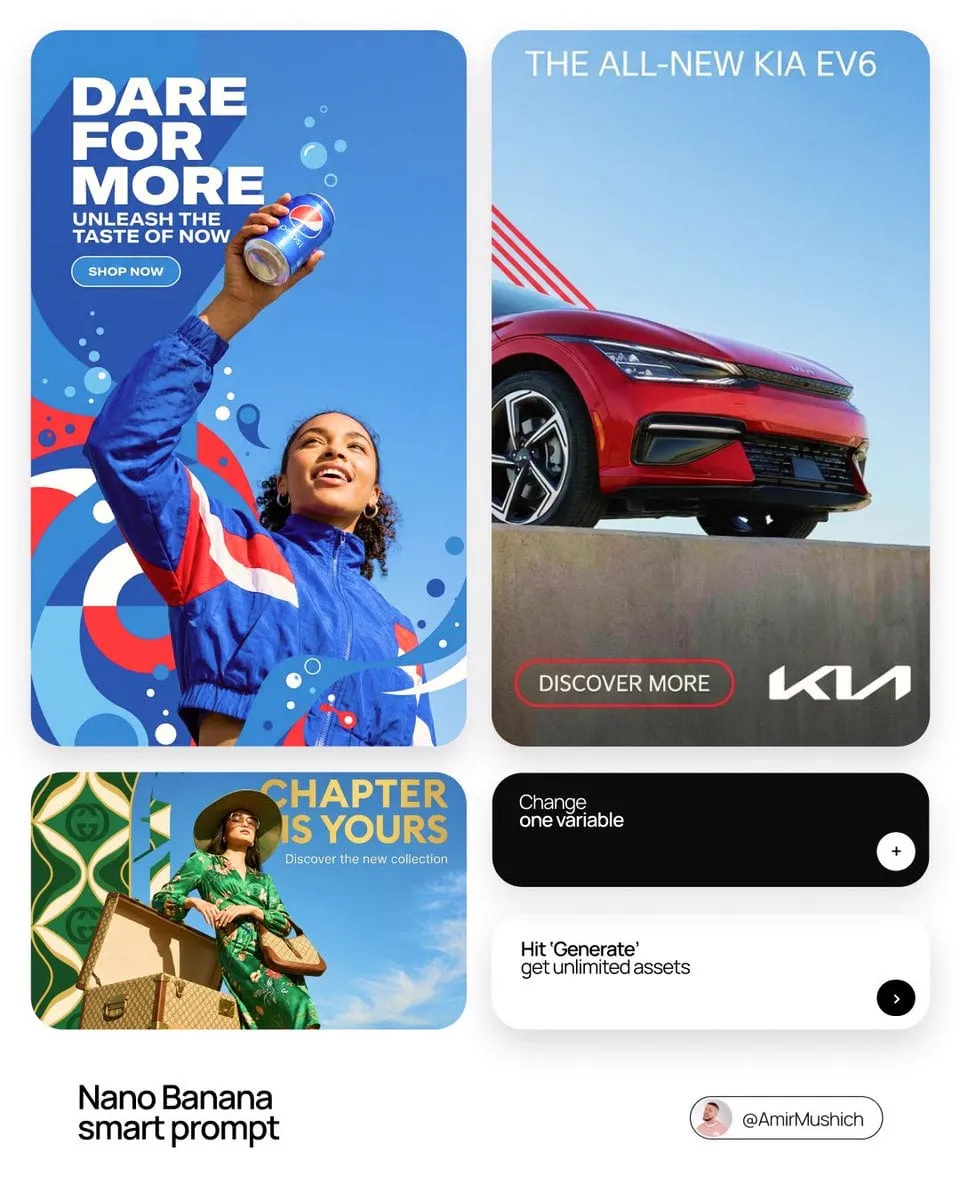
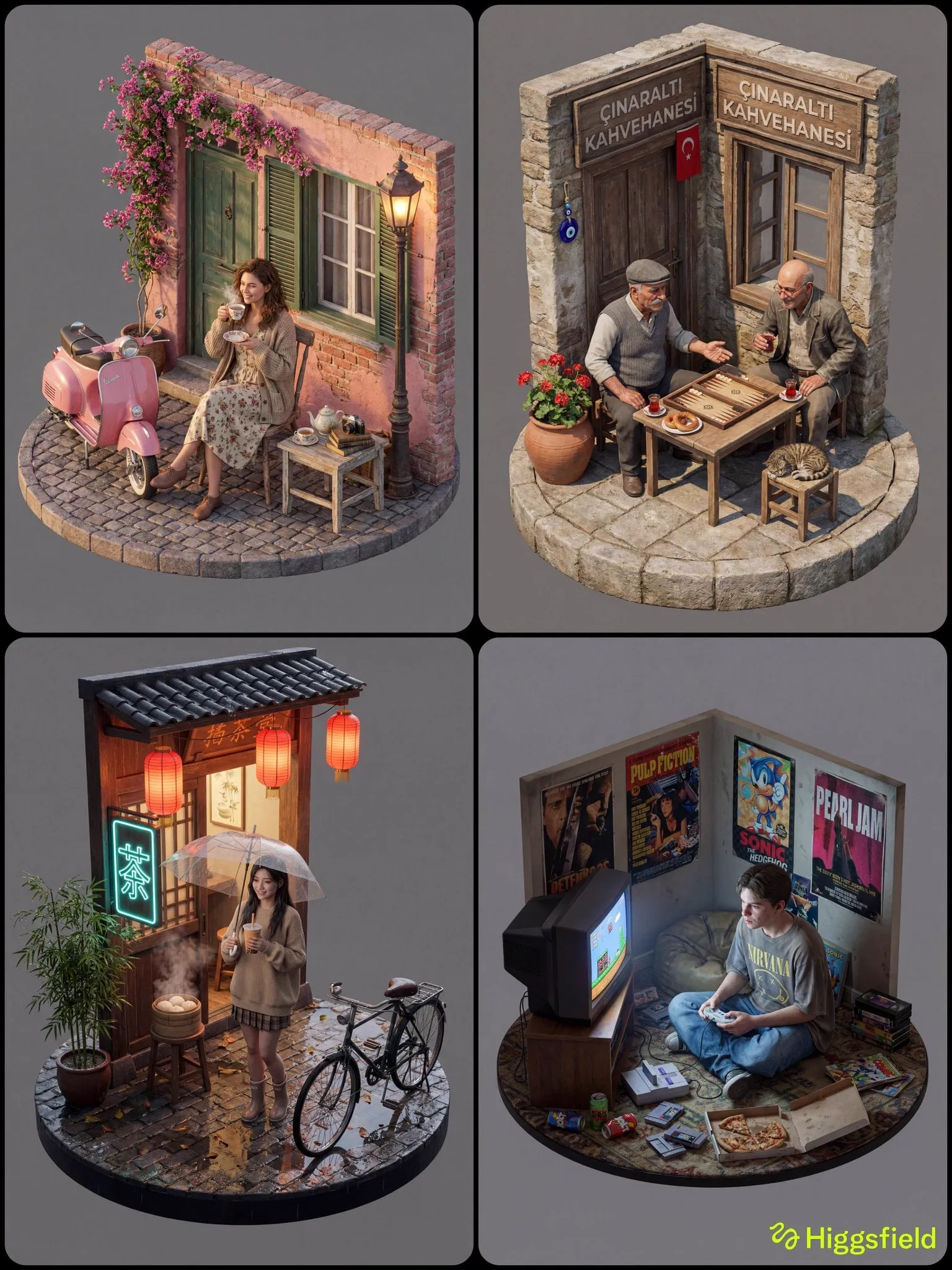
With short-form feeds more crowded than ever, the fastest way to stand out is to stop starting from a blank canvas. A single strong image you already own can become the opening frame of a fully animated clip that holds attention for the full watch. This guide walks through the complete workflow: why image-to-video matters right now, how to pick the approach that fits each kind of scene, the practical steps to keep characters and lighting consistent, and the strategy habits that separate one-hit wonders from channels that post well repeatedly.
Why starting from an image beats starting from a prompt
Every video generation tool lets you type a prompt and get a few seconds of motion. That is easy, but it is also how most generic AI clips get made. When you begin from an image, you give the model a fixed anchor. Colors, subject identity, framing, and mood are already decided before motion is added. The result is a clip that looks intentional rather than synthesized, and it clips together far more cleanly with the other shots in a sequence.
For creators who already produce stills as part of their normal workflow, this matters even more. The illustration, product shot, or location photo you made for an earlier post becomes reusable material. You are no longer regenerating from scratch; you are animating an asset you control. That reduces wasted generations and makes the whole process faster to iterate.
There is also a retention angle. Feet stop scrolling less because of a flashy logo and more because they recognize a coherent visual world in the first half-second. A consistent image-driven opening reads as familiar and premium, which is exactly the cue platforms reward with extended watch time.
The two big angles: animating a single frame and fusing several
The most common mistake is assuming image-to-video means one single workflow. In practice there are two distinct approaches, and choosing the wrong one for the scene is where quality collapses.
Single-image animation for atmosphere and motion
Give the generator one carefully chosen frame and describe how things move within it. This works beautifully for scenes where the interest is the environment rather than the plot: hair catching the wind, a campfire flickering, clouds rolling across a mountain, rain hitting a window, light moving across a room. You keep the composition fixed and let the model breathe life into surfaces and particles.
The brief for this style should be sparse. Describe the motion, the speed, and the mood. Do not try to add characters or actions that were not visible in the reference, because the model will have to invent geometry that may clash with the still.
Multi-image fusion for story beats and scene changes
When you want an actual transition between two moments, bring two or more reference images and ask the generator to connect them. This is how you get a character walking from one room into another, a product shifting between two colorways, or a time-of-day change across the same location. The model uses both frames as anchors and interpolates the in-between motion.
This style gives you control over narrative beats that a pure text prompt cannot. Because both endpoints are real, the middle feels grounded. It is the difference between a clip that drifts and a clip that has a beginning, middle, and end.
Choosing the generation model for the job
Different scenes reward different models, and the platform you use should let you swap rather than forcing one engine for everything. Keep a small decision matrix in your head.
For high-fidelity realism where you need fine texture and stable faces, prefer the strongest general-purpose generation model you have access to. It costs more to run but is worth it for hero shots and close-ups.
For fast trend-following content, like a meme or a reference that is only relevant for a few days, pick a lightweight model that generates quickly. The goal is volume and speed, not perfection, because the window of relevance closes fast.
For culturally specific scenes, such as characters wearing regional clothing or a setting native to a particular city, choose a model tuned for that region. A model trained heavily on Western imagery will produce awkward details in other contexts, and a specialist model removes that friction.
Revisit your default. Most creators set one model and never change it, which quietly limits the range of scenes they can pull off well. Test a scene across two or three engines, keep the best frame, and note which model won for that style so your next attempt starts ahead.
Keeping characters and lighting consistent
Inconsistency is the number one reason AI clips get called fake. When a face drifts between shots, a logo changes weight, or sunlight flips direction mid-sequence, the audience notices even when they cannot say exactly why. The fix is discipline about anchors.
Use the same reference image across all shots that feature the same subject. If a character appears in three clips, feed the same portrait into each of those generations so identity stays locked. Do not rely on a text description to carry identity; text descriptions of faces are never precise enough.
Carry the palette forward. Note the dominant colors, the time of day, and the light source in your first frame, and keep them mirrored in the motion brief. A warm golden-hour palette should stay warm even when the model suggests a cooler tone.
When you fuse multiple images, make sure they are consistent with each other before you start. If the two reference frames show different costumes, the interpolated motion will fight itself. Align framing and lighting in the stills first, then animate.
A repeatable workflow you can run in minutes
You do not need a complex pipeline to produce good results. The creators who post consistently follow almost the same four steps every time.
Start with a story, not a clip. Jot down one sentence for what the viewer should feel and what changes between the start and end of the clip. This sentence is your brief and it keeps every later decision on target.
Lock the visual anchor. Choose or create the reference image, checking that subject, palette, and framing match the brief. Enforce alignment if you are using multiple frames. A two-minute check here saves thirty minutes of regenerating later.
Write a motion-only prompt. Now that the image carries composition and identity, the prompt only needs to describe movement, camera path, speed, and atmosphere. Resist the urge to restate details the image already shows, because redundancy confuses the model.
Generate, compare, pick the winner. Run the scene across the one or two most likely models, review the frames, keep the strongest, and delete the rest. Log which model and brief won so the next generation is faster.
Run this loop a few times and the whole cycle settles into under five minutes per finished clip, which is what makes daily posting sustainable.
Avoiding the most common failure modes
Even experienced creators hit the same traps. Recognizing them early keeps your reject rate low.
Adding too much action to a quiet still. If the reference image is a calm interior, do not ask for a car crash. Match the motion ambition to what the frame can plausibly support.
Skipping the consistency check between fused frames. Two mismatched endpoints produce muddy, melting transitions. Align them first.
Using a heavy model for throwaway trend content. You blow through budget and still post it late. Save the premium engine for hero shots and use fast models for trends.
Over-describing in the prompt. The image already sets the scene; the prompt should set the motion. Overwriting leads to the model doubling details or ignoring your motion intent. Keep the brief lean and specific.
Ignoring output format. If the platform delivers a clip at a resolution or aspect ratio that does not fit the feed you are posting to, you will crop or stretch a shot you already love. Check orientation before generating, not after.
How this feeds a broader content operation
The real payoff of image-to-video is not a single clever clip. It is that a library of stills, whether shipped work, behind-the-scenes frames, or concept art, becomes a queue of potential posts. When an idea needs a visual and you already have the hero image, you can animate a first draft in minutes instead of waiting on a full production.
That changes how you plan. Instead of a linear produce-then-publish calendar, you maintain a stockpile of reference frames and pull from it to react to trends, fill gaps, or test a new angle. Concept work gets recycled instead of sitting unused, and every asset compounds in value.
It also makes collaboration smoother. If you work with an illustrator, an animator, or a client, a shared library of reference frames gives everyone a concrete starting point. The conversation moves from describing a vision to refining a visible one, which is faster and less prone to misunderstanding.
A quick start checklist for your first strong clip
Before you generate anything, confirm these basics so the first run has the best chance of landing.
- The story sentence is written and it names one visible change between start and end.
- The reference image is high resolution, correctly framed, and matches the palette and time of day you want.
- Multiple frames, if used, are visibly consistent with each other in subject and lighting.
- The motion prompt describes movement and mood only and leaves composition to the image.
- You have picked the model that fits the scene and the timeline, not your default.
- The output orientation and aspect ratio match the platform you post on.
Run the clip, review it frame by frame for identity drift and lighting flips, and keep only the version that holds up. From the first strong still you already trust, a compelling animated post is genuinely a few minutes away.
Once the workflow clicks, the same discipline scales. Build a small team of reference frames per ongoing project, generate variations when a trend surfaces, and keep a record of which model and brief produced each hit. Over a few weeks that record becomes a playbook, and the playbook is what turns occasional good clips into dependable output you can post without second-guessing.
Measuring whether your strategy is working
Producing clips is one thing; knowing they work is another. The fastest way to improve is to watch the numbers that actually mean something, instead of chasing vanity metrics.
Start with retention. Every major platform lets you see the graph of viewership over time, and that graph is the single most honest review of your shot choices. If the curve drops immediately, the opening image or the first motion did not grab. If it falls in the middle, the beat that should have held interest is failing. If it spikes and repeats, you have found something worth cloning.
Per-format retention tells you more than per-video numbers. Compare average retention across your animated image posts versus your other content. If image-to-video posts hold attention longer and keep viewers returning, that is a signal to shift more production toward them. If the reverse, the problem is usually consistency or pacing, not the format itself.
Peak watch time and repeat views matter most. A video that gets rewatched earns extra reach, and the platforms treat a repeat play as strong proof of value. Design the ending that invites a rewatch: a hidden second, a trick reveal, or a loop-friendly tail that makes the piece satisfying to see again.
One variation at a time
A common mistake is changing several variables at once and then attributing the win to the wrong one. Keep experiments scientific even when you are moving fast.
Pick one element to vary per test: the opening still, the motion prompt, the model, or the aspect ratio. Keep everything else identical. Run two or three variations, review retention, and only change the next variable after you can attribute the result to a single cause. This is slower in the moment but far faster overall, because each lesson is clean and reusable.
Write outcomes down. A notebook, a spreadsheet, or even a thread of screenshots works. The genuinely useful asset is not any single clip; it is the accumulated record of which anchor, which prompt shape, and which model produced which retention curve for which kind of scene. After a few weeks that record becomes the difference between guessing and knowing.
Frequently asked questions
Do I need to start with a high-end image? A sharp, well-composed reference always helps, but the anchor matters more than raw resolution. A crisp, consistent still with a clear subject and one strong light source will animate more believably than a large but cluttered frame. Quality of subject clarity beats pixel count.
Can every kind of scene be animated from an image? Most scenes benefit, but the fit varies. Environmental and atmospheric shots animate beautifully. Scenes that depend on precise, fast action or complex multi-character logic are harder and may need you to generate a base motion first, then refine with reference images on top. Match your ambition to what the frame can support.
How do I stop characters from changing between shots? Reuse the same reference image for the same subject across every shot, keep the palette and light consistent, and review frames before you build a longer sequence. Identity locks when it is anchored to a stable still rather than to a description.
What is the best way to learn? Pick one recurring subject you already have good stills for and animate it across several scenes and moods. Repeating a familiar subject removes the variable of "what is that supposed to be" and lets you focus on motion, pacing, and consistency. A few targeted sessions will teach you more than many scattered attempts.
Should I always use the strongest model? No. Reserve the strongest, most expensive engine for hero shots and moments that define the piece. For drafts, variations, and short-window trend content, a lighter model gives you speed and a lower burn for results that are often perfectly good.
The bigger picture
Mastering image-to-video is not really about any one tool or model. It is about adopting a mindset in which still images are reusable raw material, motion is a layer you add deliberately, and consistency is a discipline you enforce from the first frame. Once that mindset is in place, the specifics of any given platform fade into detail.
The practical payoff is a short, repeatable loop that turns a library of images you already own into a dependable stream of animated posts. Each iteration teaches a clean lesson, each project leaves behind references and a model log, and over time the whole process compounds. What starts as effortful, clip-by-clip work settles into a reflex, and the reflex is what lets you publish well, often, and without second-guessing.
