
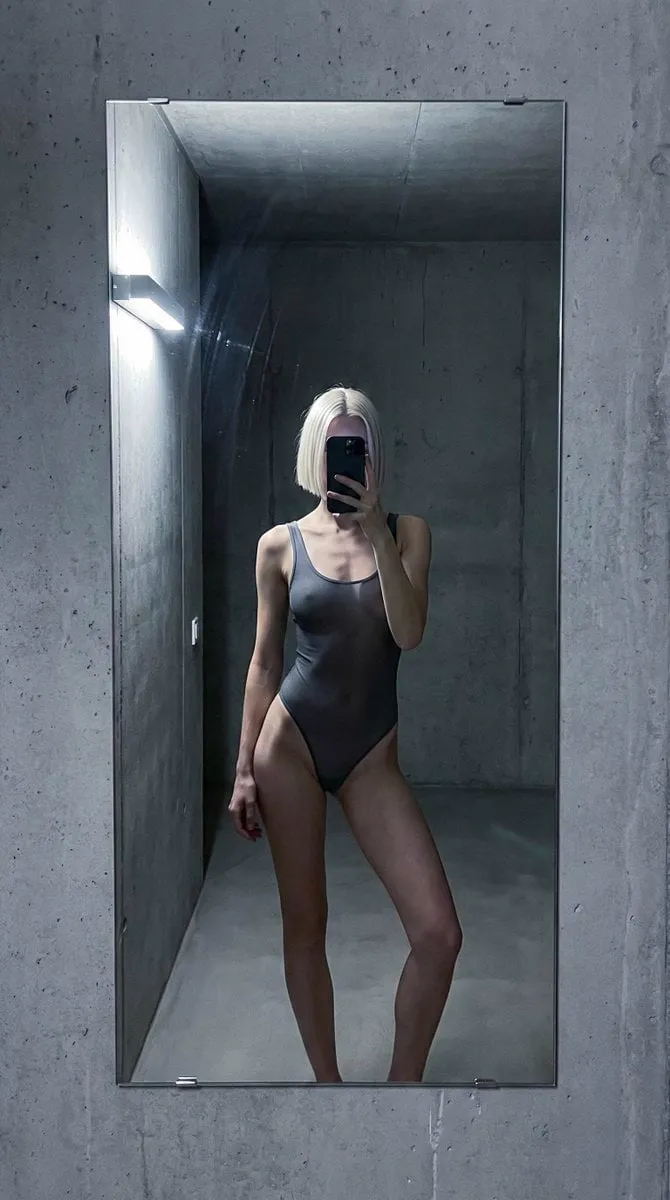
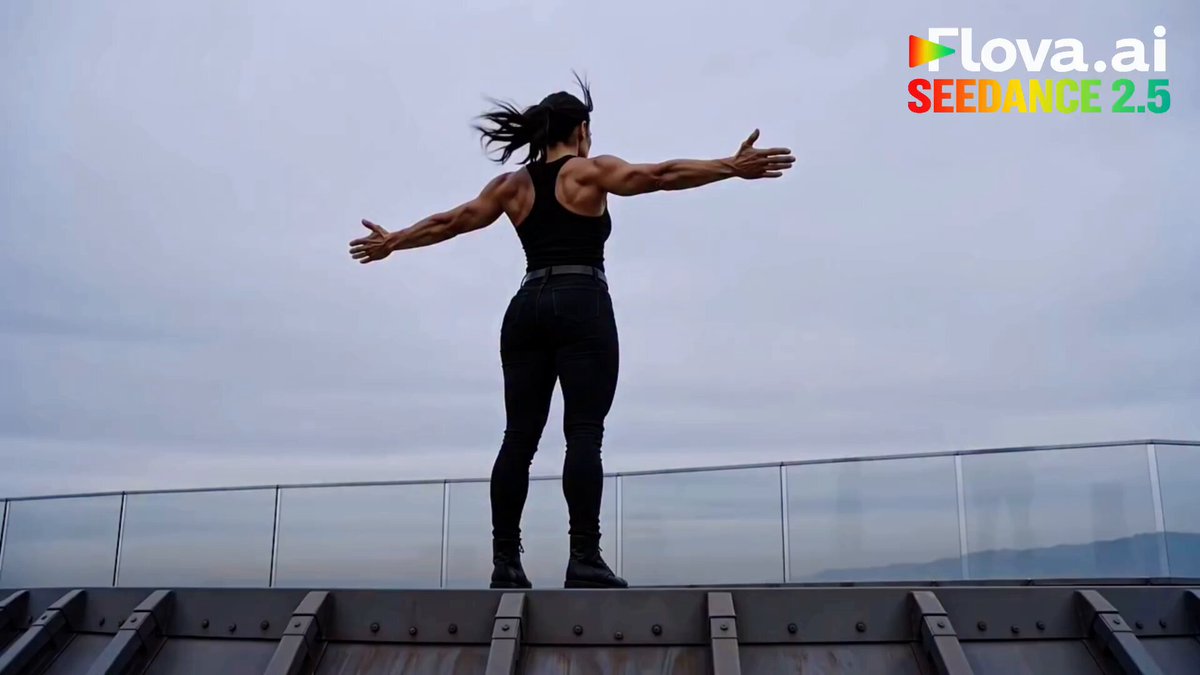
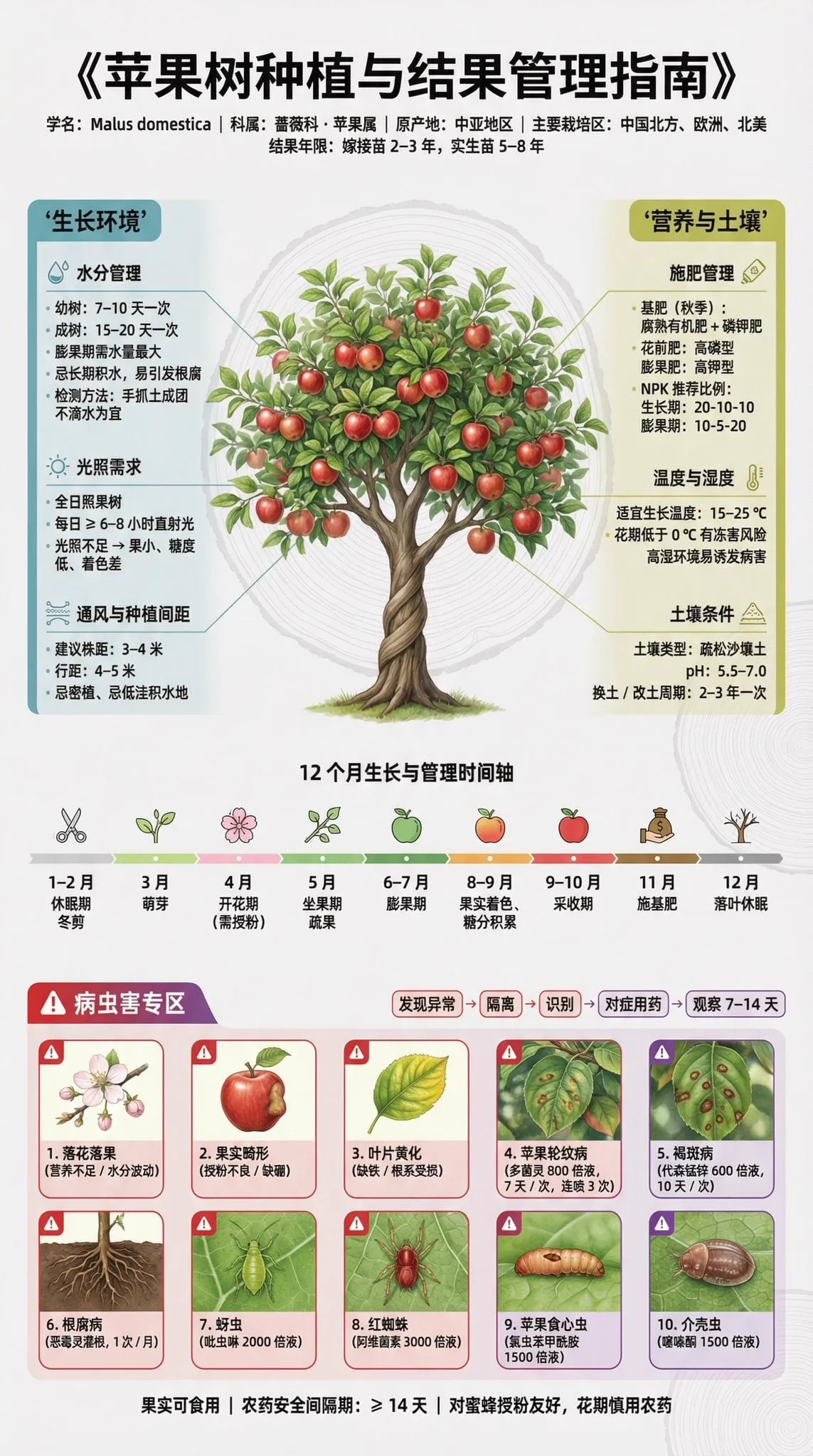
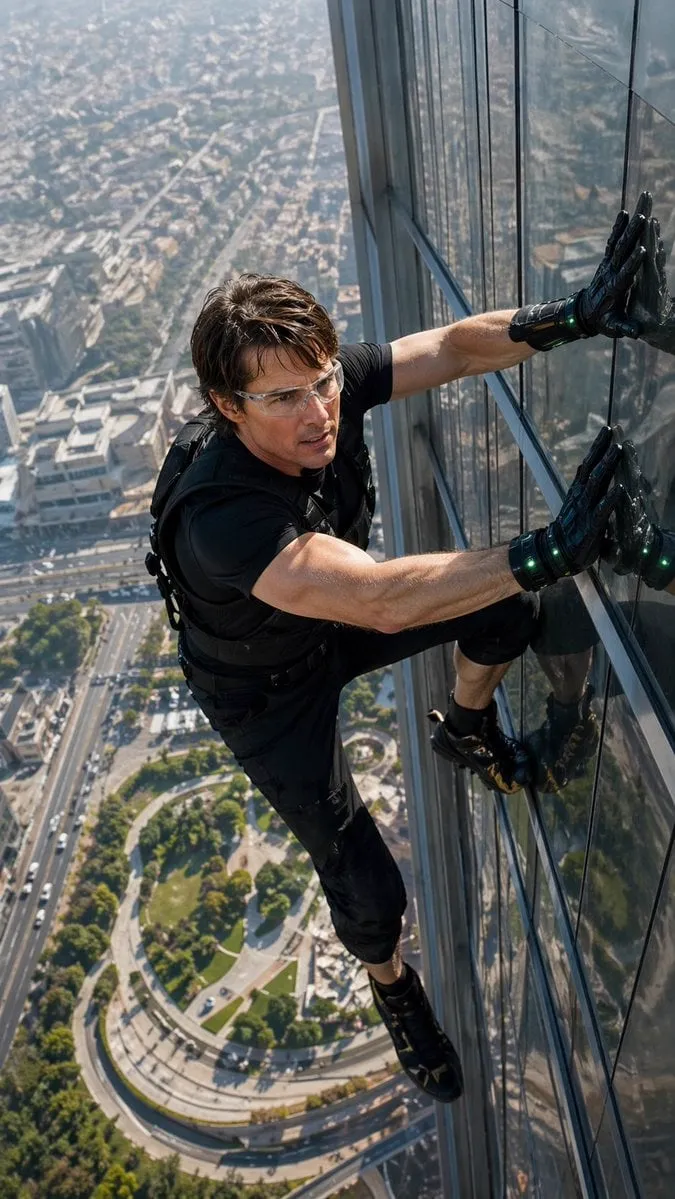
The discipline of video editing is being reshaped by a quiet but powerful shift. Instead of cutting and rearranging footage shot on a set, a growing number of creators start from a single still image and let generative models expand it into motion. Image-to-video (I2V) generation has moved from a research curiosity to a practical production tool, and the way editors think about their craft is changing with it. This article explores where the technology stands, how to use it well, and what it means for the future of the profession.
The landscape of image-to-video generation
Producing video used to demand physical assets: a camera, a location, actors, and hours of editing. Image-to-video generation collapses that pipeline into a single act. You provide a picture, describe the motion, and a model synthesizes a short clip that animates the scene with believable movement and physics.
The current generation of I2V tools is defined by two competing priorities. On one side is model proliferation, a flood of specialized engines each tuned for a different look, from photorealistic faces to stylized animation. On the other is temporal consistency, the tireless search for clips where objects stay stable across frames instead of flickering or morphing unpredictably.
Early models had notorious problems. Shadows stuttered, physics looked wrong, and characters drifted between frames as if their parts were slightly different people. The field has largely solved the worst of these artifacts, achieving a level of polish that makes generated clips usable in real production. The challenge now is choosing the right tool for the job and controlling the output with enough precision to match a director's intent.
Why I2V matters for modern content teams
The business case for image-to-video has strengthened dramatically as speed-to-market and personalization have become decisive competitive advantages.
Consider advertising. A brand that can generate a personalized spot for each audience segment, dynamically swapping scenes to match regional tastes, gains a huge edge over competitors who must shoot and reshoot. I2V makes this practical by shortening the distance between an idea and a finished, animated asset.
The same logic applies to social media, where teams produce enormous volumes of short-form content. When a trending topic requires a video response within hours, waiting for a traditional shoot is not an option. Generated clips fill that gap, allowing small teams to act with the speed of much larger ones.
None of this replaces human editors. It removes the mechanical drag so that creative decisions, not logistics, become the bottleneck. That is a meaningful redefinition of the editor's role, and it is why understanding I2V is now an essential skill rather than a novelty.
Choosing between premium and specialized models
Not all I2V engines are interchangeable. They differ in what they generate well, and matching the model to the task is the single biggest lever for quality.
Premium models tend to offer the most reliable photorealistic output and the best handling of complex scenes. If your source image features a realistic human face that must stay recognizable, a high-fidelity model is usually the safest choice. These engines carry a cost, both in compute and in attention to detail, so they should be reserved for the moments that matter most.
Specialized models, by contrast, excel at narrower jobs. Some are tuned for animation, others for specific styles like watercolor, claymation, or retro pixel art. When your project lives in one of these visual languages, a specialist engine can produce results that a general-purpose model cannot match. The tradeoff is flexibility: a specialist may handle its chosen style brilliantly and stumble on everything else.
The practical approach is to treat model choice as an explicit decision step. Before generating, ask what the clip must do, and pick the engine whose strengths align with that requirement. Keeping a shortlist of your favorite engines for each category, and a simple rubric for when to reach for each one, turns model selection from guesswork into a repeatable process.
Keeping scenes and characters consistent
The old enemy of I2V was drift, the tendency for a character's face or a scene's layout to change from one shot to the next. Modern pipelines attack this with two complementary controls: multi-image fusion and keyframe guidance.
Multi-image fusion, sometimes described as reference embedding, takes several images of the same subject and fuses them into a stable visual identity that the model reuses across every generated clip. Feeding a character's face, wardrobe, and full body as references, rather than a single snapshot, dramatically improves continuity when you generate multiple shots for the same sequence.
Keyframe control takes a different route. By specifying what the key frames of a clip should look like, you give the model explicit anchors that prevent it from drifting during the animation. The start, middle, and end states are locked in, and the model fills in the motion between them.
Using both together is the current state of the art. References guarantee the character is recognizable, and keyframes guarantee the scene holds together. For long-form projects that stitch many generated clips into one narrative, investing in this kind of continuity is what separates a professional result from a technological demo.
Structuring scenes with a virtual director
A generated clip is technically impressive but emotionally flat unless it has clear composition and pacing. This is where the notion of a virtual director becomes valuable.
A director-style assistant can take a rough description and suggest how to frame a shot, where to place the subject for visual balance, and how lighting should fall to create the right mood. It acts as a creative partner that translates intent into cinematic choices the model can follow.
In practice this means describing not just what happens in the scene, but how it is seen. You might specify a wide establishing shot, a slow push toward the subject, or a dramatic low angle. The assistant turns that direction into a prompt that the generation model interprets, giving you a degree of visual authorship that plain prompts rarely achieve.
The result is footage that hangs together as a coherent sequence rather than a series of disconnected clips. For creators working on narratives, ads, or brand documentaries generated with AI, this kind of structural control is the difference between amateur and professional output.
The backend that keeps it all running
Behind the scenes, reliable I2V depends on infrastructure that is easy to take for granted until it fails. Understanding a little about it helps you use these tools effectively and plan for scale.
Most capable platforms rely on a modular architecture, where individual components handle image analysis, motion generation, and asset storage independently. This modularity is what allows different models to be plugged in without rebuilding the whole system, and it is why the model ecosystem can keep expanding so quickly.
Large workloads are managed through scalable task queues. When a team submits dozens of clips at once, the system needs to schedule them across available compute, retry failures, and deliver results in a sensible order. A well-designed queue keeps hundreds of concurrent requests from turning into a chaotic free-for-all.
Data handling matters too. Generated assets, reference images, and metadata must live in a storage layer that is fast to read and easy to organize. Systems built on database backends with object storage for the actual files strike a practical balance between searchability and capacity. If you are building your own pipeline, these are the pieces to get right before the load grows.
Controlling motion and creative direction
Raw generation gives you a clip, but polished work requires precise control over motion and lens feel. The best current tools expose knobs that shape the personality of movement.
You might specify a subtle handheld wobble for a documentary feel, a locked-off tripod shot for stability, or a sweeping crane move for drama. More advanced engines let you describe these characteristics in natural language, and quality models interpret cinematic terms with surprising accuracy.
Depth and lens behavior are equally expressive. A shallow depth-of-field can isolate a subject from a busy background, while a wide lens can exaggerate perspective for an emotional or comedic effect. When the model understands these cues, it can recreate the visual language editors spent decades perfecting on real camera lenses.
Taking the time to learn this vocabulary pays off. The difference between a clip that looks generated and one that reads as intentional filmmaking often comes down to thoughtful use of motion and lens control.
Managing cost and iterating quickly
High-fidelity generation is not free, but the cost structure is more flexible than many realize. The trick is allocating expensive compute only where it matters.
Use lightweight models for ideation and early drafts. When you are exploring directions, you want cheap, fast clips that let you evaluate a concept quickly without committing significant resources. Once you have locked a direction, escalate to the high-fidelity engine for the final renders.
This two-tier approach cuts costs dramatically while keeping quality high. It also speeds up iteration, because you can explore ten rough ideas for the price of one polished render, and only polish the one that survives testing.
Development teams should treat iteration as a core workflow. Generate, review a thumbnail or low-res version, refine the prompt, and repeat. The ability to fail fast on cheap renders is what makes I2V genuinely economical for production use.
Experimenting with different visual directions
One of the delights of I2V is how easily it invites experimentation. Because generating a test clip is cheap and fast, creators can audition many visual styles before committing.
Try the same scene through a photorealistic lens and then through a painterly one. See how the same subject reads in a stylized anime look versus an ultra-realistic render. These quick probes reveal which direction serves the story best, and they lower the risk of investing in a style that does not fit.
This is particularly valuable for brand work. A visual identity that looked bold on paper may feel wrong on screen. Cheap experimentation lets you verify the feeling before you build an entire campaign around it.
Keep a collection of your favorite style experiments. They become a reference library that speeds up future projects and gives clients a concrete way to choose between looks.
A practical workflow for generated timelines
Theory only carries you so far. To put I2V to work, teams need a repeatable process that keeps quality high and waste low. A clear workflow also makes it easier to delegate tasks across a team and to measure what works.
The first step is always brief building. Write down what the final video needs to communicate, who it is for, and what emotion it should carry. Even a short paragraph here keeps the generation on brief and prevents aimless exploring.
Next comes scene breakdown. Split the idea into individual shots, each with a clear subject and action. For each shot you will need a source image and a prompt, so taking the time to define shots up front saves hours of rework later.
Then comes reference assembly. Gather or create the still images each shot starts from, and any identity references needed to keep characters consistent across a series. This is the step where multi-image fusion is planned, not improvised.
Only after those foundations are generation and review. Produce rough drafts on cheap models, review them against the brief, refine prompts, and iterate until the direction is right. Then render the finals on the high-fidelity engines you have selected.
Finally, assembly brings the polished clips together. Edit for pacing, add sound, grade color, and weave the generated shots into a single coherent piece. Recording which model and references produced each successful shot creates a playbook you can reuse for the next project.
Frequently asked questions
Is image-to-video reliable enough for professional work?
Yes, when used with a disciplined process. The tools have matured to a point where generated clips can sit alongside traditional footage, provided you select models carefully and control continuity.
Do I need a powerful GPU to use I2V tools?
Not necessarily. Many platforms run generation in the cloud and handle the compute for you. A strong local GPU helps with quick experiments and self-hosted pipelines but is not a hard requirement.
Which is better: image-to-video or text-to-video?
They solve different problems. Text-to-video is great for turning an idea into a fresh scene from nothing. Image-to-video gives you precise control over a specific visual, which is often exactly what editors need when they already have an image to work from.
How do I avoid the cost spiraling?
Tier your generation. Use cheap models for drafts and iterating, and reserve premium engines for final renders. This is the single most effective cost control.
Can generated clips be used commercially?
In most cases yes, but always read the terms of each tool, as licensing and commercial-use rules vary by provider.
What this means for editors and studios
The rise of I2V does not automate editors out of the job. It reframes their skills. The most valuable editors are becoming directors of generated footage: people who know how to ask for the right thing, evaluate the output, and weave clips into a story.
Studios that embrace this transition gain a structural advantage. They can accept projects a traditional team would decline, turn around revisions in days instead of weeks, and offer clients a breadth of visual directions impossible with a live shoot alone.
The editors who thrive are those who pair storytelling instincts with technical literacy. They understand light, composition, and pacing from years of cutting film, and now they apply that taste to steering generative models. That combination, craft plus command of the new tool, is the most future-proof skill set in video production.
