

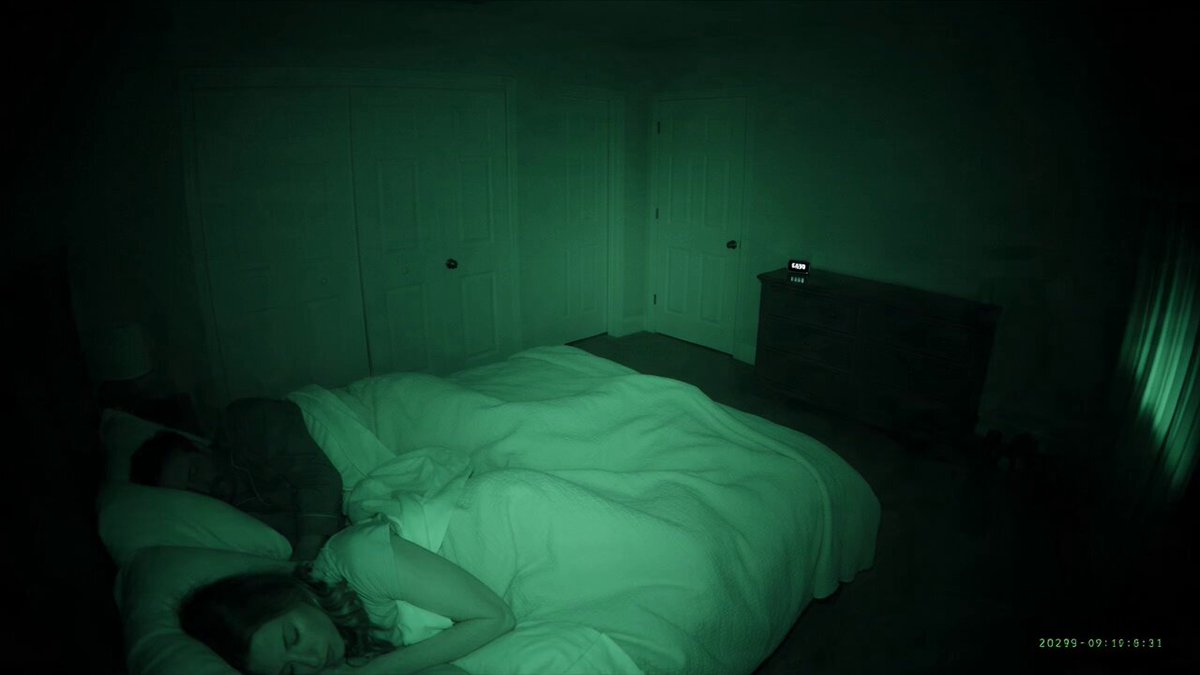

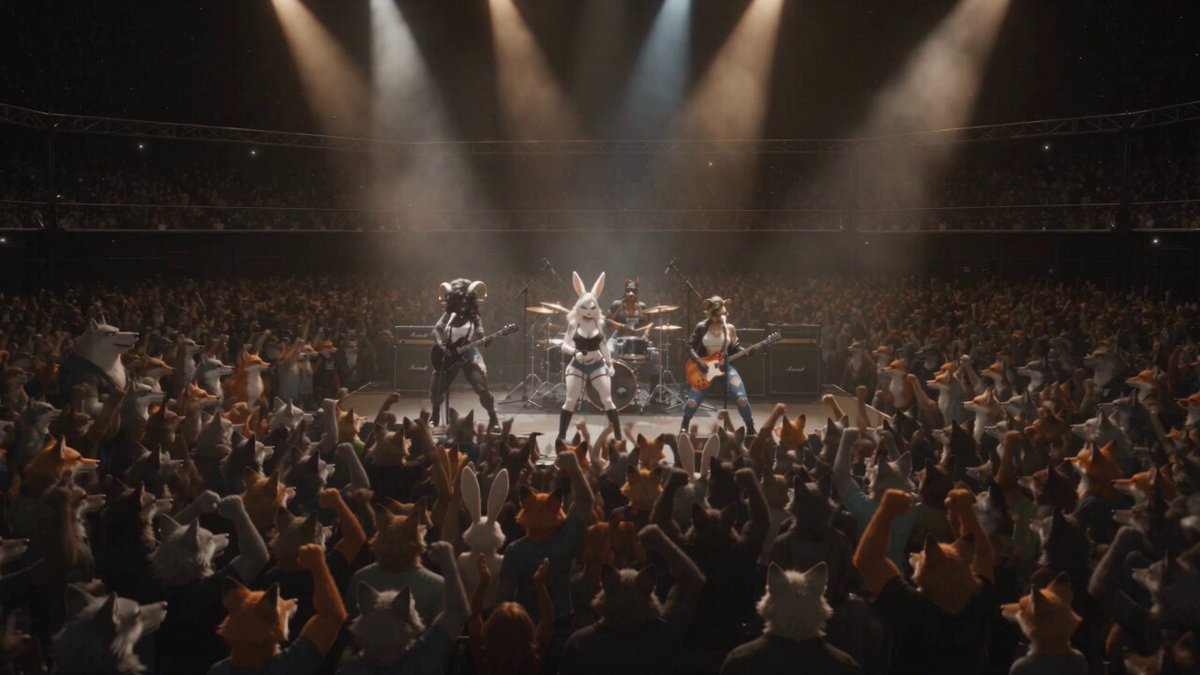
The biggest technical headache in AI-generated video has a name: character drift. You generate a character in the first shot and it looks perfect. By the third shot, the face has subtly changed, the wardrobe shifted, and the whole project starts to feel inconsistent. For creators producing series, branded content, or longer narratives, that instability is a deal-breaker.
Multi-image fusion has become one of the most effective techniques for solving this problem. Instead of describing a character with words alone, you feed the model several reference images of the same subject. The model learns from those references and keeps the identity stable across every generated frame. This guide explains what multi-image fusion is, why it works, and how to build it into a practical production workflow.
What Multi-Image Fusion Actually Does
Multi-image fusion is not simply overlaying a few pictures on top of each other. It is a deep-learning process that extracts the core semantic and morphological traits of a subject from several source images, and then uses those extracted traits to guide the generation of new material. The model builds a sort of identity fingerprint that it can preserve from scene to scene.
When you provide a diverse set of references from different angles, lighting conditions, and poses, the model has a much richer idea of who the character is. It stops guessing and starts reproducing. That is the difference between a generic character that resembles your prompt and a recognizable, consistent protagonist.
How Reference Images Improve Output
The quality of your reference set directly influences the freshness and stability of the result. A single selfie or a single portrait only gives the model one angle and one mood. By contrast, a small collection with front, side, and three-quarter views gives the model enough information to render the subject confidently from any angle you ask for.
Variety matters more than quantity. Ten images of the same pose are less useful than five images that capture the face, the profile, the full body, and the style of clothing. The goal is coverage: give the model access to every feature you care about preserving.
Why Character Consistency Matters for Your Content
Consistency is not a cosmetic nicety. It is a credibility issue. Audiences instinctively notice when a character changes shape or age halfway through a video. In branded content, that inconsistency undermines the message; in storytelling, it breaks immersion and pulls viewers out of the experience.
Consistency also unlocks practical advantages. If you can keep a protagonist stable, you can plan multi-episode series, reuse visual assets, and build a recognizable cast of characters without re-shooting or re-generating from scratch each time. The same production investment goes much further.
Consistency Across Different Models
One of the elegant properties of multi-image fusion is that it travels well across different generation engines. The reference images describe the subject, not the model, so you can move a character between tools while preserving its identity. This cross-model consistency is especially valuable if you want to compare different styles or deliver the same concept in multiple visual treatments.
Keep your reference set in a shared folder so anyone on the team can point any tool at the same identity. As long as everyone references the same source images, the output remains aligned no matter which engine does the heavy lifting.
Building a Practical Workflow
Applying multi-image fusion in a real project comes down to preparation, iteration, and review. A little structure saves hours of rework.
Step 1: Curate the Reference Set
Start by collecting three to five strong images of the subject. Make sure they show the face clearly, the full figure, and the general color palette. Remove anything with filters or heavy editing that could confuse the extraction. The cleaner and more neutral the references, the more faithfully the model preserves your character.
Step 2: Define the Scene Brief
Write a clear description of what the shot should feel like before you generate. Include the action, the environment, the lighting mood, and the camera movement. The reference set guarantees who the character is; the brief guarantees what the character does.
Step 3: Generate and Compare
Produce several variants of the same shot and compare them side by side. Pay attention to the face, the proportions, and the wardrobe across shots. Early iteration here is cheap; fixing inconsistencies later is expensive.
Step 4: Lock the Character
Once a variant matches your reference closely, treat it as the canonical version for that character. Reuse it as a reference for later shots so the whole project converges on a single, stable identity rather than drifting from a generic prompt.
Fixing Character Drift When It Happens
Even with good references, drift can creep in. When it does, do not regenerate blindly. Go back to the reference set and ask what is missing. Sometimes the drift comes from a reference that included an unusual angle or a distracting background element.
Add a cleaner reference from the angle where the drift appears and regenerate. Systematic troubleshooting beats random re-rolls every time. Keep a short log of which references produced which results, so you can learn what works for your specific character.
Common Causes of Drift
-
References that disagree with each other about the character's features.
-
A prompt that overwrites the identity with conflicting style words.
-
Long action sequences where the model loses track of the subject.
-
Reusing a project without refreshing the reference set as the character evolves.
Addressing the root cause is faster than retrying dozens of generations and hoping for luck.
Advanced Consistency Techniques
Once you have mastered the basics, you can layer on additional controls to deepen the consistency. Scene-level control lets you fix the environment and lighting so that characters do not shift between adjacent shots. Frame control takes that further by letting you lock specific poses or camera compositions.
Mixing these controls gives you a director-like command over every shot. Instead of leaving the details to chance, you walk the model through the beat-by-beat composition of a scene while the reference set keeps everyone and everything recognizable.
Scheduling Bigger Jobs
For longer projects, treat generation as a queue rather than firing every shot at once. Process scenes in order, review each batch, and only move forward when the previous block is approved. This prevents small inconsistencies in early shots from cascading through the whole project.
Common Mistakes to Avoid
Sheer volume is tempting, but throwing more generations at a problem rarely fixes the root cause. Focus instead on the quality and diversity of your references.
Other recurring pitfalls include changing the reference set midway through a project, letting the prompt override the identity with clashing descriptors, and skipping the review step in the rush to ship. Slow and consistent beats fast and erratic.
Frequently Asked Questions
How many reference images should I use?
Three to five well-chosen images usually cover a character's identity well. Beyond that, additional variety helps more than additional similar shots.
Can I use the same references across different AI tools?
Yes. The reference set describes the subject independently of the generation engine, so you can reuse it to keep the identity aligned across models.
What should I do if the character still changes between scenes?
Reassess the reference set, check for conflicting style words in the prompt, and add a reference from the angle where the drift appears. Go back to the source before re-rolling blindly.
Is multi-image fusion only for realistic characters?
No. It works for any subject you want to keep consistent, including stylized characters, creatures, products, and branded mascots.
Conclusion
Character consistency is the difference between a collection of AI clips and a coherent piece of work. Multi-image fusion gives you a practical way to lock identity and build longer, more professional projects without fighting drift at every corner.
Combine a well-curated reference set, a clear scene brief, and a disciplined review loop, and you will produce AI video that feels intentional rather than accidental. The technique rewards those who prepare, so invest the small extra effort in your references and every shot that follows will repay it.
Going Deeper: The Anatomy of an Identity Fingerprint
To appreciate what multi-image fusion is doing under the hood, picture it as a process of distillation. From each reference photo, the model isolates the features that really define the subject: the shape of the face, the color of the eyes, the build, the typical wardrobe, and even the characteristic posture. It sets aside noise and background detail and keeps the essentials. Those essentials become a compact representation, sometimes called an identity embedding or fingerprint.
During generation, that fingerprint acts as a guardrail. The model can explore all the creative freedom your prompt allows, but whenever it renders the subject, it is pulled back toward the identity it learned. The result is that same character, dressed in a new outfit, standing in a new place, doing something new, without suddenly becoming a stranger. That notion of a reusable identity is the single most valuable idea in modern AI video production.
Why a Single Prompt Is Not Enough
Text alone struggles to hold identity. A prompt like "a woman in a red coat" tells the model a general category, not a specific person. The model invents details from its training distribution, and each regeneration invents them slightly differently. That is exactly why drift happens so easily in pure text-to-video workflows.
Reference images remove the guesswork. Instead of describing an archetype, you hand the model the actual person or product it should honor. This is the practical reason multi-image fusion took off in professional pipelines: it converts vague intent into reproducible identity.
Putting Consistency into a Series or Campaign
Multi-image fusion really shines when you produce a series. A recurring tutorial host, a brand mascot, a documentary narrator, or a serialized character all depend on the audience recognizing the same subject from one episode to the next. Once you build a canonical reference set, every chapter shares a face.
For campaigns, the benefit is alignment across many pieces. If your launch includes a hero video, a teaser, and a wall of social clips, locking the protagonist upfront means all of them present the same character to the world. Your production looks organized even though each clip came from a separate generation.
Keep the Reference Canon Versioned
Treat your reference set like any other source asset. Version it, store it accessibly, and make sure everyone on the team pulls from the current set. When the character is redesigned, update the set deliberately and note what changed. A shared reference canon is what turns a hobby workflow into a repeatable system.
Reviewing Output Like an Editor
A good editor watches for things the generator will happily let slip. On each draft, check the face across adjacent shots, not just in isolation. Look at proportions relative to the background, and check that accessories, logos, or distinguishing marks stay consistent. Note the moment where drift begins so you know which shot to fix.
Make the review a real step in your process. Decide what good looks like before you accept a shot, and be willing to reject anything that breaks the identity. Discipline here is what separates polished projects from obviously AI artifacts.
Frequently Asked Questions (II)
Does multi-image fusion slow down my workflow?
It adds a small preparation step, but it saves time overall by reducing the number of rejected generations you have to re-run. The minutes you spend curating references pay back in faster, cleaner iteration.
Can I build references for a brand rather than a person?
Absolutely. The same technique locks a product, a logo treatment, a mascot, or a recurring visual element. Anything you need to keep recognizable benefits from an identity fingerprint.
What if I have only a single image to start?
You can begin with one, but coverage is thinner. As you generate content, save your best consistent stills and feed them back into the set. You can grow the reference library as the project matures.
How do I know the generator is truly following my references?
Run a controlled test: generate the same character from a bare prompt and again with references, then compare stability across several shots. The difference shows you exactly what the reference set is contributing.
