

The hardest problem in AI filmmaking is not generating a single impressive image; it is keeping a character recognizable across an entire story. Once viewers invest in a protagonist, seeing their face subtly change from scene to scene breaks the illusion completely. Multi-image fusion, the practice of combining several reference images to establish and preserve a character, is the technique that solves this problem. This guide explains how it works, why it matters, and how to apply it effectively with the leading tools of the moment.
Why character consistency is the gatekeeper of AI storytelling
For years, a major barrier to using AI in real productions was that characters could not stay consistent. Generate the same hero in two different scenes and they would not look like the same person. No feature films, commercials, or series could be built that way. Consistency is what separates a novelty clip from a reusable narrative.
When a character remains stable, you unlock genuine storytelling advantages. You can show them across different locations, moods, and time periods. You can build a recognizable world that audiences follow across episodes. You can even place an imagined version of a character in situations the original material never showed.
Consistency also signals professionalism. Audiences are sophisticated enough to notice when a face shifts or a look mutates between shots. Do it right, and the whole project reads as polished and deliberate. Get it wrong, and even beautiful individual frames feel broken.
What multi-image fusion means in practice
Multi-image fusion uses multiple reference images to teach the model who the character is and how they should look. Rather than relying on a single, ambiguous reference, you supply a set of consistent views: different angles, expressions, outfits, and lighting. The model learns the stable identity that persists across all of them.
The key is that the output is anchored to the common identity, not to any single pose. Give the model several angles of the same face and it understands the shape beneath the surface. This is what allows the character to appear naturally in new situations while staying recognizably themselves.
The technique acts as the creative contract for your character. Once established, the same reference set can be reused across many scenes and generations, guaranteeing that the protagonist in episode three is unmistakably the same person from episode one.
Choosing and preparing your input images
The quality of your references determines the quality of your consistency, so choose them carefully. First, gather multiple views of the character from stable sources, ideally clear, well-lit images. Vary the angles, expressions, and lighting conditions to give the model a well-rounded understanding of the identity.
Avoid contradictory references. If some images show inconsistent features, the model will produce a confused average. Keep the core identity in every image and vary only the unimportant details like pose or setting. A clean, consistent reference set yields a clean, stable character.
Pay attention to resolution and focus. Blurry or low-quality inputs weaken the learned identity. Use the sharpest, most detailed images you can, and prepare them consistently so the model has reliable data to anchor to.
Applying fusion across model families
Different models handle multi-image fusion with different strengths, and matching the technique to the model matters. Strong, flexible image models are excellent foundations for defining a character, because they produce detailed, controllable references quickly. Video models then carry that identity into motion.
Models known for solid reference handling preserve identity well when animating, letting you turn a stable still of your character into a moving scene without drift. Others specialize in agile, fast interpretation, which is useful for scenes that need quick iterations while keeping the look intact.
For a robust workflow, generate your consistent character as a set of stills in a capable image model, refine them until the identity locks, and then animate them with a video model that respects the reference. This division of labor produces the most reliable results.
Fine-tuning control for creative freedom
Multi-image fusion is not just about limitation; it gives you creative control. Once the identity is anchored, you can place the character in new garments, new environments, even new artistic treatments, and the model preserves who they are while changing what surrounds them.
This is what makes imaginative storytelling possible. A character can travel to different worlds, appear in different seasons, or be reimagined in a new art style, all while remaining recognizable. Consistency frees you to explore rather than constrain.
It also supports a consistent brand or product identity. A mascot, a spokesperson, or a recurring product can stay recognizable across a whole campaign. Because the identity is locked once, every new asset matches the established look without repeated manual effort.
Making the workflow efficient and repeatable
The greatest practical payoff of multi-image fusion is efficiency. Once a character is established, producing further scenes is much faster, because the identity work is already done. For a series, this compounds significantly: every later episode starts from a solved problem rather than a new one.
Keep your reference sets organized and versioned. Label characters clearly, store their canonical references, and reuse them consistently across projects. A central library of established characters makes production routine and protects continuity over time.
Avoid re-doing the identity on every clip, which is both inefficient and a source of error. Instead, lock the character once and iterate only on the scene-specific details. This discipline is what lets small teams sustain high-quality, consistent output at volume.
Common mistakes in multi-image fusion
One frequent mistake is using too few references, so the model lacks enough information and the identity drifts. Another is using inconsistent references that pull the identity in conflicting directions. Keep your reference set broad but coherent.
Over-anchoring is also a problem. If you constrain the character too tightly, they appear stiff in new scenes. Balance consistency with the freedom to change pose, expression, and surroundings. The goal is a stable identity that still feels alive.
Finally, do not evaluate consistency on a single frame. A character can look consistent in one still and drift over several. Generate a small sequence and review the character across it, checking that the identity holds through motion, not just in isolation.
The future of consistent AI characters
The trend in AI filmmaking is toward ever-greater consistency and control. As models improve, the ability to maintain a coherent world, uniform characters, and stable aesthetics will only get easier. Multi-image fusion is both a current best practice and a stepping stone to that future.
Creators who master these techniques now are building an advantage that will persist as the tools evolve. The underlying skill defining a character once, preserving their identity, and directing them through a story is not tied to any single model. It is a durable creative competency.
Whether you are making a series, a brand campaign, or an imaginative personal project, the ability to keep a character recognizable across everything you make is what transforms AI from a generator of isolated clips into a genuine production tool.
Managing a character across emotion and performance
A consistent look is not the same as a flat one. Characters need to show emotion and performance while staying recognizably the same person. The skill is to allow the face to express surprise, joy, anger, or calm without letting the underlying identity drift.
Direct specific expressions with clear wording in your prompt, and ground them in the persona, not just generic emotion words. A consistent character who is briefly angry should still look exactly like that character being angry. Combining fusion references with explicit emotional direction keeps the performance varied and the identity stable.
This is where iteration pays off. Review how the character reads in different emotional states, and adjust your approach until the same person clearly conveys different feelings. This is what gives an AI character a personality instead of just a face.
Using fusion for products and brands
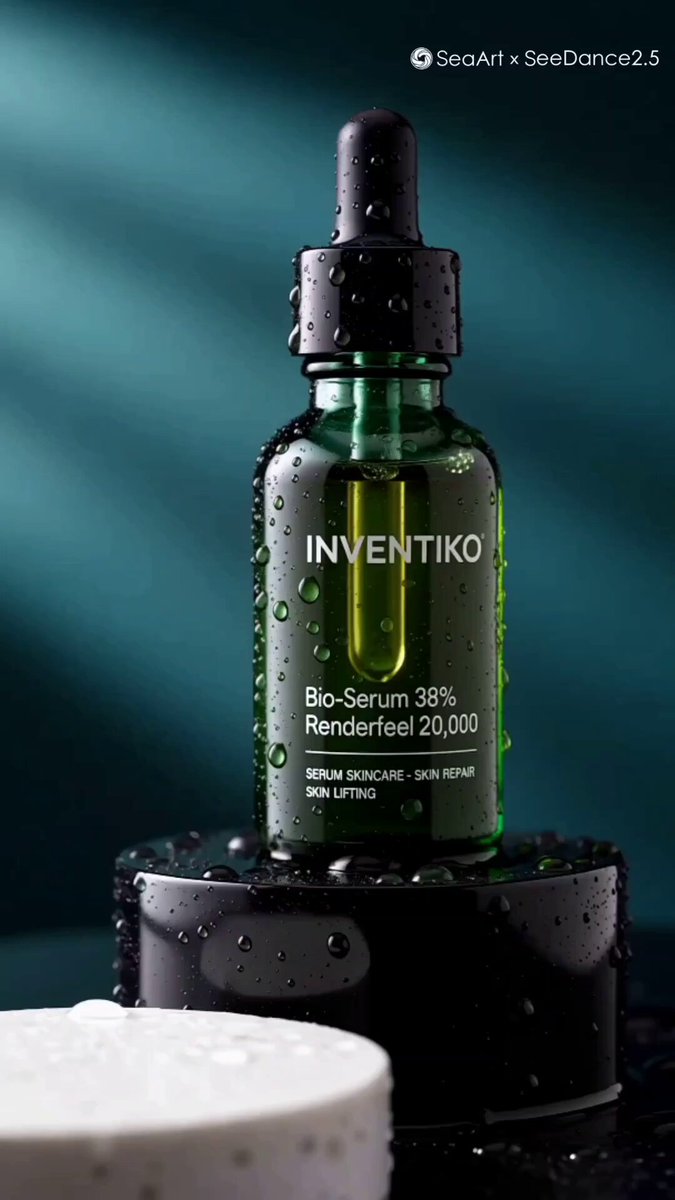
Multi-image fusion is not limited to people. It works for anything that needs a stable identity, including products, mascots, and recurring visual elements. A brand that wants its product shown consistently across many scenes can anchor it with multiple references, so it appears in the same design, colors, and proportions every time.
This is important for commercial and editorial work, where a product must be instantly recognizable across a campaign. Establishing the product identity once lets you place it in varied contexts while keeping viewers certain it is the same item.
The same principle extends to a brand world. If your content has a recurring setting, a consistent character, and a stable aesthetic, the whole universe feels cohesive. Multi-image fusion is one of the tools that lets a brand build and maintain that coherence.
Combining fusion with a strong workflow
For repeatable, professional results, fold multi-image fusion into a clear pipeline. Define the character, lock the references, and document them in a simple library. When you start a scene, reuse the established identity instead of rebuilding it, and iterate only on the scene-specific details.
Decide the division of labor between image and video models. Use image generation to lock the identity in stills, review them thoroughly, and then invest in the video that brings the character to life. This staged approach catches identity problems early, before you spend budget on animation.
As you repeat this workflow, it becomes routine. The same discipline applied to every character and every series means consistent quality, faster production, and far less rework. It is the difference between hoping a model gets it right and knowing the character is right before you start.
Measuring and refining consistency
Because consistency is a qualitative quality, you need a way to judge it objectively. Generate a small test sequence before the full effort, and review the character across varying frames and poses. Look for the drift that appears only over multiple frames rather than trusting a single still.
Establish a simple standard: the character should be recognizable to someone who has not seen your references. If a new viewer can identify the protagonist across frames, your consistency is working. If not, return to the reference set and improve it before proceeding.
Refinement is normal. Early attempts rarely achieve perfect stability, and reviewing under varied conditions is how you improve. The discipline of testing consistency across sequences, not frames, is what protects the quality of your final published work.
Building a library of characters for ongoing projects
If you create more than one character or run multiple series, organize your identities into a small library. Each entry should hold the canonical references, the key descriptor or defining traits, and any style notes. This library becomes the single source of truth for every character you reuse, guaranteeing continuity across projects and over time.
A well-maintained library saves enormous effort. Instead of rediscovering how a character looks each time you need them, you reach into the library and reuse an identity that is already proven. New team members also benefit, because they inherit the canonical references instead of guessing.
Treat your library as a living asset. As you refine a character or discover better references, update the entry and retire the old version. Keeping it current and versioned protects the consistency that gives your ongoing work its professional, cohesive feel.
FAQ
What is multi-image fusion? It uses multiple consistent reference images to establish and preserve a character's identity across scenes and generations.
How many references should I use? Enough to cover different angles, expressions, and lighting while staying coherent. A small, consistent set is better than many conflicting images.
Can I place the character in new situations? Yes, that is the point. A stable identity lets you change settings, outfits, and style while preserving who the character is.
Does multi-image fusion save time? Significantly, especially for series, because the identity is solved once and reused, speeding up every subsequent scene.
What is the biggest mistake? Inconsistent or contradictory references that pull the identity apart, plus judging consistency from a single frame instead of across a sequence.
Conclusion
Character consistency is the foundation of compelling AI-driven storytelling, and multi-image fusion is the technique that delivers it. By choosing careful references, applying the technique across the right model families, and locking an identity once so it can be reused, you transform AI from a tool of isolated clips into a genuine production pipeline. The skill of defining and preserving a character is durable, and it is what will let your stories unfold believably scene after scene.
