

One of the hardest problems in AI video is keeping things stable across time. A model can generate a beautiful shot, but ask it to show the same character, the same prop, or the same room a few shots later and the details start drifting. Hair changes color, the logo changes shape, the lighting shifts for no reason. For anyone trying to tell a story rather than generate a single impressive clip, that inconsistency is a deal breaker.
Multi-image fusion is the technique that addresses this directly. Instead of feeding the model one loose description and hoping for the best, you give it a set of reference images that anchor identity, location, and style. Combined with good keyframing and a clear pipeline, it lets you carry a narrative across many shots so the final video feels like one continuous world instead of a collage of unrelated moments. This guide explains how the technique works, how to set it up, and how to integrate it into a reliable AI video workflow.
Why Consistency Is the Real Bottleneck in AI Video
The first wave of AI video was about sheer spectacle: short clips that were impressive in isolation. The second wave, and the one that matters for storytelling, is about control. Audiences will forgive a slightly odd frame now and then, but they will not follow a story where the hero changes appearance every scene.
Consistency is what turns a generative toy into a production tool. When a brand makes a commercial, the product must look identical in every shot. When a creator runs a weekly series, the main character has to be recognizable week after week. When an animator builds a longer piece, the world has to feel continuous. All of these depend on the same underlying skill: keeping an entity stable while the camera, the lighting, and the action change around it.
Multi-image fusion attacks the problem at its source. Rather than relying on a model to reconstruct an entity from text alone, it pins identity to concrete visual references. The model is told, in effect, that this is what the character looks like, this is the room, and this is the style. Everything else can flex.
How Multi-Image Fusion Works
At a high level, multi-image fusion lets a generation model accept several reference images together with your prompt and combine their information. One image might establish the character's face, another their outfit, another the environment, and another the overall art style. The model uses this set as a visual anchor while it interprets your text instructions.
Anchoring Character Identity With Keyframes
The most powerful application is character anchoring. Pick one or two strong frames of your character, and use them as the identity reference for every shot that character appears in. The model now has a concrete target for features like eye color, face shape, and wardrobe, and it will hold those attributes much more reliably than it would from a text description. This is how you build a hero who stays recognizable across an entire story.
Using Multiple References as a Visual Cheat Sheet
Think of your reference set as a cheat sheet for the model. Include not just the subject but helpful context: an establishing image of the location, a frame showing the color palette and lighting, and a style reference that defines the look. The more useful information the model can borrow, the less it has to invent, and the less it invents the fewer things there are to drift.
Giving the Model Multiple Idiot-Proof Inputs
Some workflows let you supply reference inputs that act as constraints rather than suggestions. When the model treats a reference as a hard anchor, you get dramatically better fidelity. The tradeoff is that over-constraining can make output repetitive, so the skill is choosing which elements to pin down and which to leave flexible.
Setting Up an Effective Reference Set
Your reference images do most of the work, so quality matters at least as much as quantity. A few clean, consistent references beat a pile of messy ones.
Choose Strong, Consistent Keyframes
Pick reference frames where your subject is clearly visible and well lit. A blurry or partial reference teaches the model the wrong thing. If the character's wardrobe changes across your story, provide separate references for each outfit rather than asking the model to improvise the change.
Keep Style and Lighting References Aligned
Conflicting references cause the model to compromise, and the compromise usually looks wrong. If one style reference says painterly and another says photorealistic, the output will likely satisfy neither. Keep your palette, lighting language, and art direction consistent across the whole reference set.
Separate Subjects From Environment
Do not cram everything into a single composite reference. Separate the character, the prop, and the location into distinct references so the model can weigh them independently. This gives you far more control over each element and makes it easier to swap one thing without disturbing the others.
Building a Coherent Narrative With Stable Assets
The payoff of all this consistency work is a story that flows. When your assets stay stable, the storytelling can breathe: the camera can move, the scene can change, and the mood can shift while the audience stays grounded in the same world.
Holding Character Presence Across Style Shifts
Some stories deliberately change style between acts, moving from a clean day look to a moody night look or from realism toward a more stylized finish. Multi-image fusion lets you do this without losing the thread. Keep the character references steady through the style change so the shift reads as a mood change rather than a completely different production.
Keeping Environments and Props Consistent
Settings and props are just as important as characters. If your story returns to the same coffee shop or the same device model, it has to look the same each visit or the illusion collapses. Anchor recurring environments and signature props in your reference set and reuse them whenever those elements appear.
Controlling Tone and Fidelity
Stability is not the same as monotony. Anchor the identity, but vary the action, the framing, and the pacing. The goal is a world that feels real and dependable, populated by moments that still feel alive and fresh.
A Workflow That Keeps Everything in Sync
A repeatable pipeline prevents consistency from breaking down mid-project. Build one and it saves enormous time on every story after the first.
- Define the cast and world up front. Decide the main characters, signature props, and recurring locations before you generate anything.2. Create and verify a reference set. Generate or gather clean keyframes and check that they agree on style, lighting, and identity.3. Prototype a few test shots. Generate the same scene a couple of times with your references and confirm the anchors hold before committing to a longer run.4. Reuse the validated references for every shot in that sequence. Keep them in a project folder so you never regenerate mismatched versions.5. Generate shots scene by scene, checking continuity between adjacent shots as you go rather than only at the end.
Choosing the Right Tools and Models
Not all AI video models treat reference images the same way. Some accept several image references and blend them well, which makes them ideal for multi-image fusion. Others are more motion-oriented and follow prompts loosely. Choosing the right tool for a given story matters more than most creators expect, and it pays to test a model's reference handling before committing a full project to it.
Evaluate Reference Accuracy Early
Before you plan an entire story around a model, run a small test: generate the same character from the same references across three different prompts and check how well the identity holds. This early check reveals whether a model can actually do the job, saving you from discovering drift hours into a production. A model that cannot keep a character stable in ten seconds of testing will likely not become reliable on a longer sequence either, so let the test decide which tool earns your trust.
Match Model Strengths to Each Scene
Different scenes stress different parts of a model. One generator might excel at fast, fluid motion but slip on fine facial detail, while another nails a character's eyes but produces stiff movement. Match your most reference-critical shots, close-ups and signature reveals, to the model you trust most, and assign speed-establishing shots to faster options where identity matters a little less. This targeted assignment gets the best of every tool without a single one carrying the whole load.
Plan Compute and Budget Realistically
Consistency work is inherently iterative: you regenerate frames, fix drift, and test crops before you settle on a take. Plan your compute and generation budget with that reality in mind rather than assuming each shot is perfect on the first attempt. A generous, well-managed budget prevents the mistake of accepting a broken frame simply because you have run out of room to correct it, which is exactly how inconsistency sneaks into otherwise careful work.
Troubleshooting Common Consistency Failures
Even with good references, problems arise. Half the skill of multi-image fusion is fixing them calmly and methodically rather than gambling on a lucky regeneration.
Character Face Drifts Between Shots
If your hero looks different from one shot to the next, strengthen the identity references and confirm you are using the exact same references everywhere the character appears. Reintroduce a single, clear face reference and reduce competing or partial inputs. Most face drift comes from a conflicting or cropped reference quietly teaching the model a different face, so auditing your reference set is usually the fastest fix.
Style Shifts Mid-Story
Style drift typically comes from reference sets that disagree with each other or from prompts that silently changed as you iterated. Lock your style reference and keep it identical across the whole project. When a scene genuinely must shift style, treat it as a deliberate development: re-anchor the other references carefully so the change reads as creative intent rather than an accident, and communicate that shift in the world of the story so the audience reads it as a mood change.
Environments Transform on Return
When the story returns to a location and the room looks nothing like before, revisit the environment reference. Recurring locations need a stable anchor just like characters do. If the space changed because the lighting mood changed, re-anchor the environment while preserving the mood, so the transformation feels like atmosphere moving through the story rather than a production error.
Motion Feels Stiff or Unrelated
Consistent identity does not guarantee natural movement. If the character looks right but moves woodenly, the body and expression references may be too weak. Add a reference that shows the character in motion, or guide the motion through the prompt and camera notes. Stability and life are separate problems, and fixing identity alone will not fix motion.
Building a Reusable Consistency Kit
The reward of a well-done project is a kit you can reuse. Assemble a project folder that stores your validated references, style presets, and working prompts, clearly labeled. When a sequel, a new episode, or a related story uses the same cast or locations, you pull the validated kit instead of rebuilding from memory. Over time this growing library becomes a production asset, letting you carry your established worlds and characters into new stories almost instantly while guaranteeing the same reliable consistency every time.
Common Pitfalls and How to Avoid Them
Consistency work is detail-sensitive, and a few mistakes cause most of the frustration.
Mixing Inconsistent References
Using references that disagree with each other is the fastest way to get muddy, drifting output. Audit your reference set before you start and remove anything that conflicts with the established look.
Over-Reliance on a Single Image
One reference image is often not enough to define an entity fully, especially if it fails to show important angles or details. A single frame leaves the model guessing about everything not visible in it, which invites inconsistency later.
Changing the Workflow Mid-Project
If you start switching reference styles, settings, or generation approaches halfway through, the story will visibly break apart. Decide your standards once and hold them for the whole project.
Frequently Asked Questions
What is multi-image fusion for AI video?
It is a technique that lets a video generation model accept several reference images together with a text prompt, combining them into a visual anchor. This keeps characters, objects, and settings stable across many generated shots.
How many reference images should I use?
It depends on the scene, but a short, high-quality set is usually best: one for the subject, one for the environment, and one for style or lighting. Add references only when they provide distinct, non-conflicting information.
Does multi-image fusion guarantee perfect consistency?
Nothing guarantees perfection, but it raises fidelity dramatically and is by far the most reliable method available for keeping entities stable. You still need to verify output and occasionally regenerate problem frames.
Can I use it for product videos and commercials?
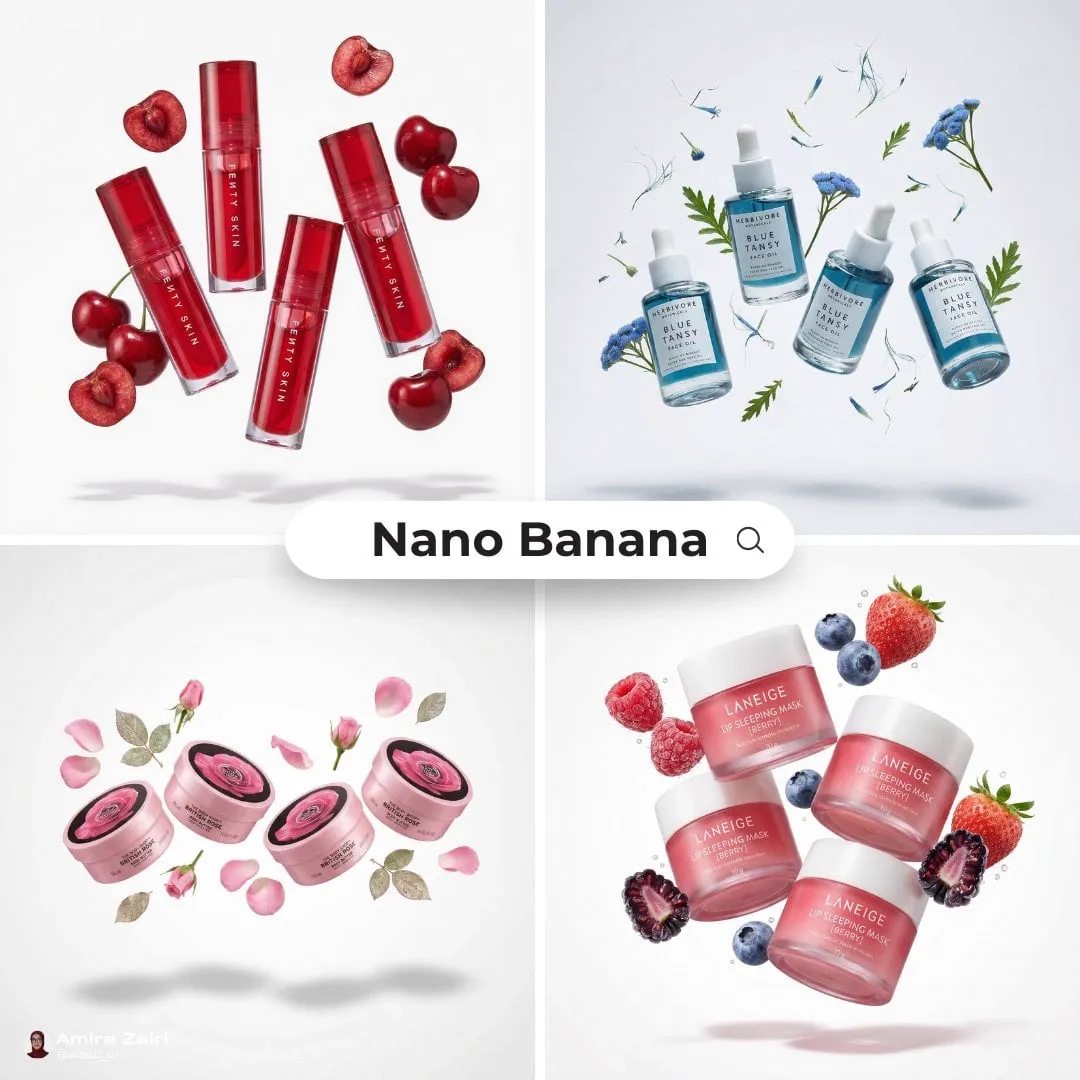
Absolutely. Keeping a product identical across shots is one of the most valuable use cases, and the same reference-based approach works for logos, packaging, and signature products.
The Bottom Line
Consistency is not a nice-to-have in AI video storytelling; it is what separates clips from stories. Multi-image fusion gives you a concrete way to anchor identity, environment, and style, so you can focus on direction and narrative instead of fighting the model's tendency to drift.
Start by building a clean, consistent reference set, prototype a few shots to confirm your anchors hold, and then reuse those validated references across the whole project. Do that and your characters will stay recognizable, your worlds will stay continuous, and your AI-generated videos will finally feel like they were directed rather than merely generated.
