
The Character Consistency Problem in AI Video Production
Generative AI has transformed video production, but one huge problem remains: identity drift. A character who looks perfect in one shot can subtly transform by the next scene. This prevents creators from using AI for episodic storytelling, branded content, and other professional work. Multi-image fusion solves this by combining multiple reference images into a stable visual identity. Instead of hoping the model guesses the same face from a prompt, you give it a fused character seed to carry across every shot. That seed persists through new prompts, lighting changes, and dramatic camera moves. With a tool designed for this kind of workflow, the AI video generator turns a loose idea into a consistent actor.
What Is Multi-Image Fusion?
At a high level, multi-image fusion is about creating one robust character representation from several examples. The system takes a small set of images that show the same person or character from different angles, under different expressions, and even with different lighting. It then extracts the features that remain stable and combines them into a single identity anchor. This is more reliable than single-image prompting because a single image only captures one moment. It contains shadows, temporary expressions, and background details that can confuse the model. A fused seed separates the permanent from the temporary. The result is a reusable identity that you can inject into any future scene. You can prepare those reference frames with the AI image generator in just a few clicks, then move into video with confidence.
Why Consistency Matters in 2025
Professional expectations changed. A one-off clip is no longer enough. Brands need mascots that travel across campaigns. Filmmakers need actors who return for different scenes. Game studios need characters who stay recognizable during cinematic sequences. Surveys and market reports in the creative space consistently point to character consistency as the top roadblock for AI content adoption. That’s why multi-image fusion has become a core feature, not a nice-to-have. It gives productions a way to build recurring characters without manual rotoscoping or frame-by-frame corrections. The result is a faster pipeline and a much stronger narrative. For anyone creating marketing content, short films, or animated stories, this capability directly affects the bottom line. Models like GPT Image 2 can help build detailed character sheets that feed these video workflows.
How a Character Seed Is Built
The first step is reference preparation. Choose three to five frames that show the character from different angles. Include varied expressions and lighting, but keep the wardrobe and identity markers consistent. These images become the input. The system uses an image encoder to extract facial geometry, texture maps, and stylistic markers. Then it performs a weighted average, giving more weight to high-quality or representative frames. This creates a unified feature map that acts like the character’s visual DNA. When you generate a new scene, the model references this DNA rather than starting from scratch. That reduces the randomness of diffusion models and keeps the subject stable. Even if the prompt demands a sunset background or a dynamic action pose, the face stays the same. This is the core of professional-grade character control.
Directorial Workflows Built on Stable Actors
A consistent character unlocks more advanced workflows. With a fused seed, an AI director agent can guide narrative flow, shot pacing, and scene selection while the same actor appears throughout. This turns a collection of random clips into a real story. Creators can write a script, set the visual references, define the art direction, and then generate a sequence of shots that feel connected. The same character can walk from a dark room into daylight, change costume, or jump between locations, without becoming a different person. For virtual production, the stability also saves time in post-production. Editors no longer need to fix mismatched faces or re-generate entire takes. They can keep more usable footage because the foundational identity is locked in from the beginning. That shift alone is changing how small studios and independent creators work.
Faster Iteration and Lower Production Costs
Production efficiency is one of the main reasons teams are adopting multi-image fusion. Traditional reshoots are expensive. Manual retouching is even more expensive. Fusion reduces the need for both. When you change a scene description and want to test a new camera angle, the character seed stays intact. You can regenerate only the part that needs to be new, not the whole look of the character. Creative teams report large reductions in touch-up time and much faster iteration cycles. The ability to audition a digital actor by feeding in a few reference photos is a major advantage in casting and pre-production. It also makes it possible to create content in multiple languages and regional versions without reshooting, because the same digital actor can be placed in any setting. This is where generative video becomes a practical production tool, not just an experiment.
Real-World Applications
The applications are broad. Advertising teams use a consistent mascot in product launches, social media campaigns, and explainer videos. Independent filmmakers generate a cast of actors and keep them recognizable across an entire short film. Online course creators can build a recurring instructor who appears in different lessons. E-commerce brands can create a model who showcases a full collection without a physical photoshoot. Even game developers can use fusion to explore cinematic moments with a consistent protagonist before committing to in-engine cutscenes. The key is that the character asset becomes reusable. Once the seed is built, it lives in the project and carries the visual identity across all future generations. This asset-based approach is more aligned with how professional production teams think.
What Comes Next for Persistent Characters
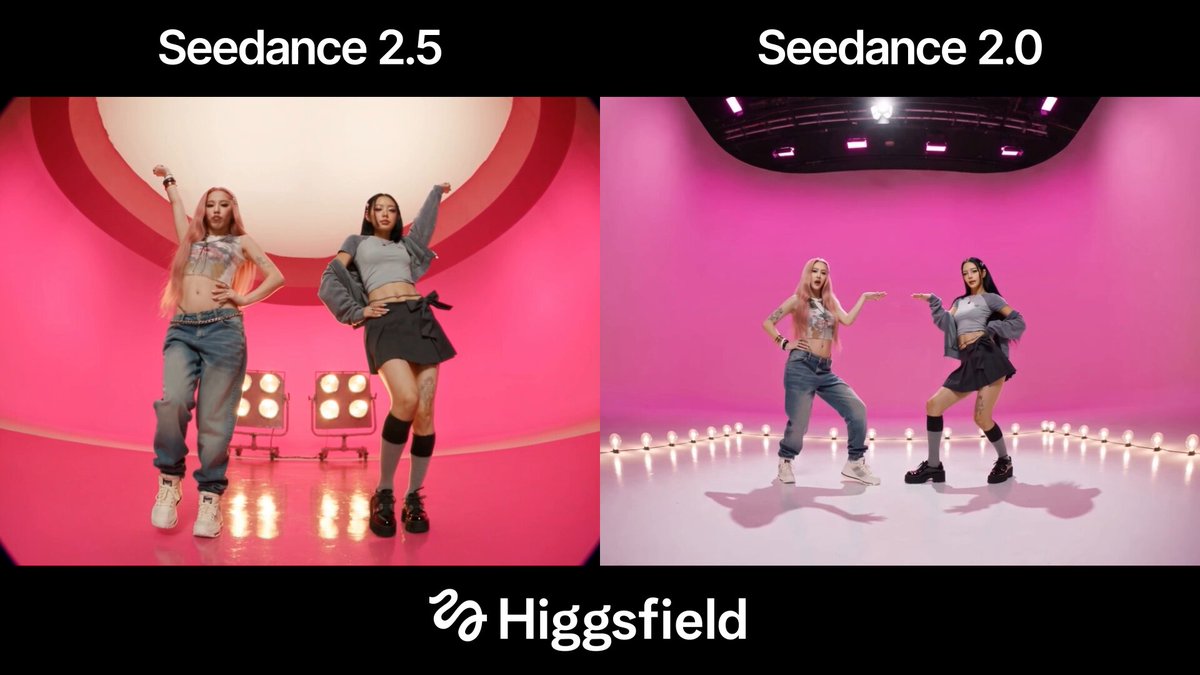
Multi-image fusion is still evolving. The next phase points toward persistent digital identities that remember not only how a character looks, but also how they move and speak. Models with advanced reference capabilities already allow multiple images to guide motion, expression, and performance. When these systems are combined with a pipeline built around consistent actors, the creative possibilities expand dramatically. Domer’s Seedance 2.0 is part of this movement toward more controllable video generation. In the near future, a character sheet or a few reference frames will be enough to generate full episodes. That shifts the creative bottleneck from manual fixes to directorial decisions. For creators who want to tell longer stories, the age of consistent AI actors is just beginning.
