
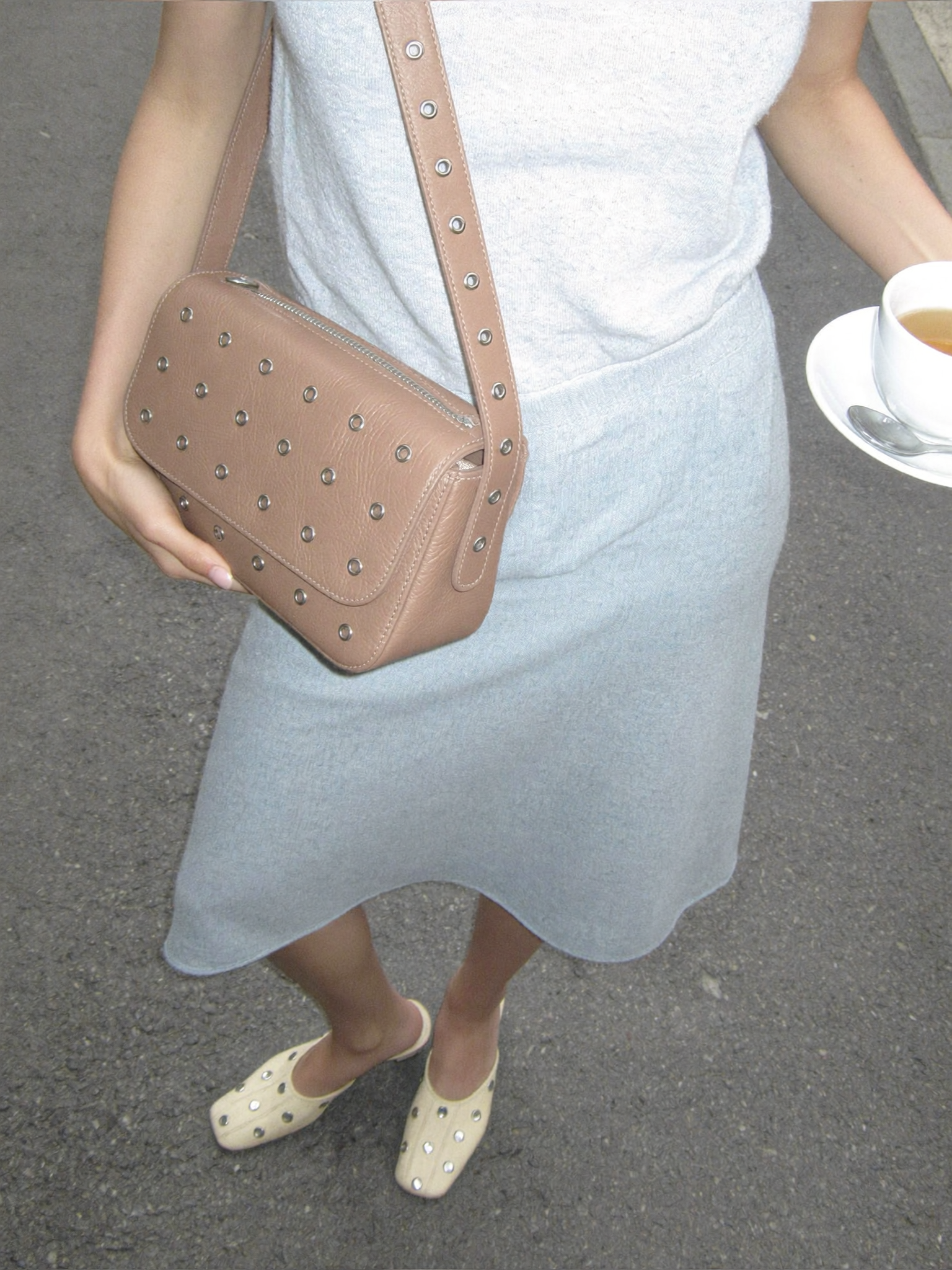

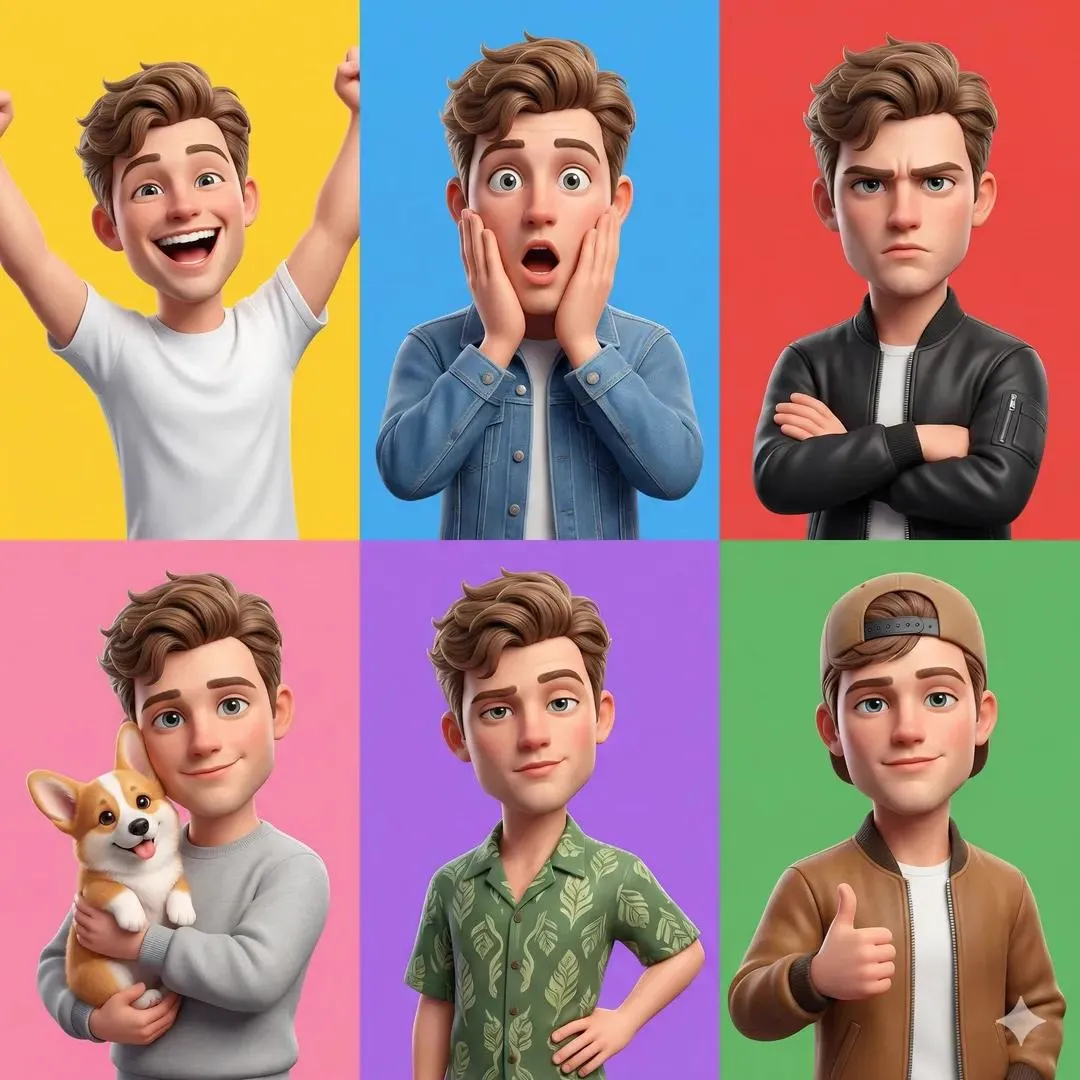
One of the hardest problems in AI-generated video is keeping the same character recognizable from one shot to the next. A character looks right in a dramatic close-up, then morphs into a stranger in the wide shot. Their face shifts, their clothes change color, and their proportions drift. For anyone producing serialized content, a recurring host, or a mascot, this instability used to be a career blocker.
Multi-image fusion is the technique that solves much of it. Rather than describing a character only with words, you hand the model several reference images of the same subject and let it combine those visual anchors into a stable identity. The result is that the character you established in one shot stays recognizable in the next.
This guide explains how multi-image fusion works, why character drift happens in the first place, how to build a reference set that actually keeps a character consistent, and how to use the technique inside a real production workflow.
Why Characters Drift Without Fusion
Character drift is not a sign of a broken tool; it is a consequence of how generation models work. A text-only prompt describes a character as a list of traits: red hair, green jacket, scar over the left eye. But traits do not capture an identity. Two models, or two renders of the same model, can both follow the description and still produce visibly different people, because a description under-specifies the countless details of a real face.
The model has to invent everything you did not say, and it invents it fresh each time. That is the origin of the drift. When you add reference images, you replace the fuzzy description with a precise visual anchor, and the model has something concrete to lock onto.
This is why word-only prompting keeps failing: it fights the physics of the medium. The reliable path is to give the model the thing you want repeated, in image form.
How Multi-Image Fusion Works
Multi-image fusion takes several images of the same subject and merges them into a single, stable representation that the model then uses to generate new frames.
Think of it as triangulating an identity. A single reference shows one pose and one angle. A second shows a profile. A third shows different lighting. The model looks across all of them to learn which features are constant: the shape of the jaw, the color of the hair, the set of the eyes. It constructs an identity from what stays the same across the references.
Two technical paths achieve this. Direct fusion processes multiple images together to create a combined visual representation of the subject. Conditional referencing keeps one or more images as a fixed anchor that the model consults while generating. Both reduce drift; the art is choosing inputs that show consistent identity across angles and moods.
Building a Reference Set That Sticks
The quality of the output is capped by the quality of the references. A well-built reference set means the difference between a character who stays on-identity and one who wanders.
Use the Same Core Appearance
Every reference should show the same person with the same key features: same face shape, hair color and style, eye color, distinctive marks, and wardrobe identity. If you change the hair between references, you teach the model two people instead of one.
Vary the Angles and Moods
Include a front view, a side view, and a three-quarter view. Include one neutral expression and one with more emotion. This range teaches the model the face as a three-dimensional object rather than a single snapshot, which dramatically reduces morphing when the character turns.
Keep the Lighting Consistent Enough
References can differ in mood, but major lighting shifts create ambiguity. If one reference is harsh daylight and another is deep shadow, the model may latch onto the difference as if it were identity. Keep the core references in similar light.
Use Enough Images, Not Too Many
Three to five well-chosen references usually out-perform ten scattered ones. Each image should add genuinely new information about the same identity, not repeat pose and angle that duplicates what the others already show.
The Working Rule for Consistency
A single discipline holds the whole technique together: keep the subject description identical across every prompt that features the character. When each render describes the character the same way and draws on the same reference set, the identity has no room to wander.
Use a copy-paste block for the character's description. Never retype it by hand on a new shot, because small edits leak in and the model will split the difference. Lock the description once and reuse it verbatim, changing only the camera, the action, and the environment around the fixed identity.
The same rule applies across the series. A character who appears in episode one and episode fifty should be built from the same reference set and the same description, so the audience recognizes the person rather than a series of suggestions of a person.
Layering Fusion Into a Production Workflow
Fusion is not a button you press once; it is a layer in how you run production. A working workflow keeps the technique organized without slowing the creative process.
Establish the Identity Once
Before any shot-specific work, spend a session building the reference set and testing that it holds identity across a few different actions. This is the most important hour of the project, because every following shot inherits it.
Reuse the Same Anchor Everywhere
Route every render of that character through the same reference set. Whether you are using direct fusion or conditional referencing, the anchors stay constant. Do not improvise new references for a late scene out of laziness; it will read as a different character.
Test on the Hard Shots
Certain shots stress identity hardest: extreme angles, wide lenses, fast motion, scenes with many other elements. Test the reference set on these before believing it works on easy shots. If the identity survives the hard shots, it will hold everywhere else.
Keep the Edit as a Second Line of Defense
Even with strong fusion, color and sound do a lot of the work in the final video. Consistent grading and the audience's memory of the character's voice help bridge the gaps a model might leave. Editing is part of maintaining consistency, not just assembling clips.
Advanced Techniques for Complex Scenes
For scenes with camera motion, action, or multiple characters, the basic fusion technique extends in a few directions.
Asking the model to keep a character's identity across a sequence shots benefits from re-anchoring: re-supply the reference set on each shot so the sequence never accumulates drift. Think of each shot as its own render that happens to share a fixed identity, rather than as one continuous event the model must sustain in memory.
When multiple characters share a frame, fuse each identity separately and then describe the scene as containing both anchors. This avoids the model blending the two into a third person, which is a classic failure in group scenes.
When a character must appear in stylistically different shots, keep the identity anchors constant and vary only the style descriptor. The identity survives, and the variety lives in the presentation, not in the person.
Common Failure Modes and Fixes
Several problems will still appear, but each has a dependable cure.
If the face changes but the body stays: add face-focused references at close range, and reduce the variety between body poses in the set.
If the character's coloring shifts between shots: verify the lighting is consistent across references and in the prompts, since light, not identity, may be driving the change.
If the character blends with an object or another character: strengthen the identity anchor and describe the separation explicitly in the prompt.
If drift persists despite good references: simplify the scene around the character, reducing competing visual noise, and re-test on the hardest shot until the identity holds.
Measuring Character Consistency
Consistency is subjective until you define how you will check it, and a few simple tests turn it into something you can track.
The side-by-side test is the baseline. Place a new render next to the reference set and compare the face shape, hair, eye color, and wardrobe. If the hero features match at a glance, the identity is holding; if the first impression is "that could be them," investigate.
The sequence test is stricter: create a short scene that forces the character to appear from multiple angles and under changing action, then watch it as footage rather than as stills. Motion reveals identity drift that a still conceals.
The stranger test is the most honest: show a clip to someone who does not know the project and ask a single question, "is this the same person throughout?" A neutral answer tells you whether the identity reads as a person or as a sequence of similar-looking renderings.
Tracking these tests across a series gives you a quality floor. When a session's renders pass all three, they are ready for the cut.
Choosing Characters That Survive Fusion
Not every character is equally easy to hold stable, and choosing deliberately reduces your workload. The technique rewards characters with distinctive, steady features: a unique hairstyle, a strong jawline, a signature accessory, or a clear color identity. These become anchors the model latches onto.
Characters whose identity is carried almost entirely by subtle, variable features, such as a blurred generic face or a facial expression that must never change, are harder to hold. If your concept depends on instability-by-design, plan for human review of every shot.
This is a design decision, not a limitation. Designing a character that survives generation is part of the craft, and it runs in parallel with designing characters that survive animation or makeup across a real shoot.
Pairing Fusion With Image-to-Video
Fusion pairs naturally with image-to-video generation, and combining them unlocks serialized content that looks continuous. Use fusion to establish the character in a keyframe, then use image-to-video to push that keyframe into a moving shot, with the fused identity carrying forward.
The division of labor is clean: fusion owns the face and identity, image-to-video owns the motion and atmosphere. By separating the two concerns, you reduce the chance that a change in motion destabilizes the character's appearance.
For a recurring host, this means establishing one canonical keyframe and reusing it as the launch point for every episode's hero shot. The character's features stay fixed, while each episode supplies new location, action, and mood around the stable core.
When Consistency Is Not the Goal
Sometimes the audience should not be able to tell who the character is, and fusion is the wrong tool for that scene. A mysterious figure remembered primarily as a silhouette, an antagonist who should feel interchangeable, or a dream sequence where identity intentionally blurs all call for looser control.
The skill of a director is knowing when to hold an identity and when to release it. Consistency is a default, not a mandate. Use fusion deliberately where the audience must recognize the person, and loosen it where ambiguity serves the story.
A Simple Starting Exercise
If fusion is new to you, one exercise teaches the fundamentals in a single session.
Choose an image of a face you want to reuse. Build a small reference set of three views of that same identity. Write a locked description of the character and store it where you will not edit it. Generate the same character performing three unrelated actions, reusing the references and description each time.
Compare the three results side by side. Note where identity holds and where it slips, adjust the references or the description, and repeat. Within a few rounds you will know exactly how your tools respond and what your weakest point of control is.
That knowledge, not any particular model, is the durable asset you carry into every future project.
Frequently Asked Questions
Do I need a specific tool to use multi-image fusion?
The technique is supported by a growing number of generation models and platforms, and it is becoming a standard capability rather than a special feature. Look for the ability to supply multiple reference images and an output that visibly respects them.
How many references do I actually need?
Three to five consistently built images is a solid starting point. More is not automatically better; what matters is that each image shows the same identity from a new, useful angle or mood.
Why does my character still change even with references?
Usually the cause is inconsistency in the reference set, inconsistent lighting, or a description that changes between prompts. Fix the references, lock the description, and test systematically rather than guessing.
Can I keep a character consistent across an entire series?
Yes, and series are where the technique pays off most. Build one canonical identity and reuse the same reference set and description across every episode so the audience sees the same person over time.
How much does consistency rely on editing?
More than beginners expect. Consistent color grading, sound, and the audience's memory of the character all help bridge small gaps the model leaves. Editing is a partner to fusion, not a replacement for it.
What is the fastest way to learn?
Build a reference set for a simple character, generate the same character doing three different actions, and compare. That single experiment teaches the whole loop: construct references, lock descriptions, test on hard shots, and iterate until the identity holds.
