
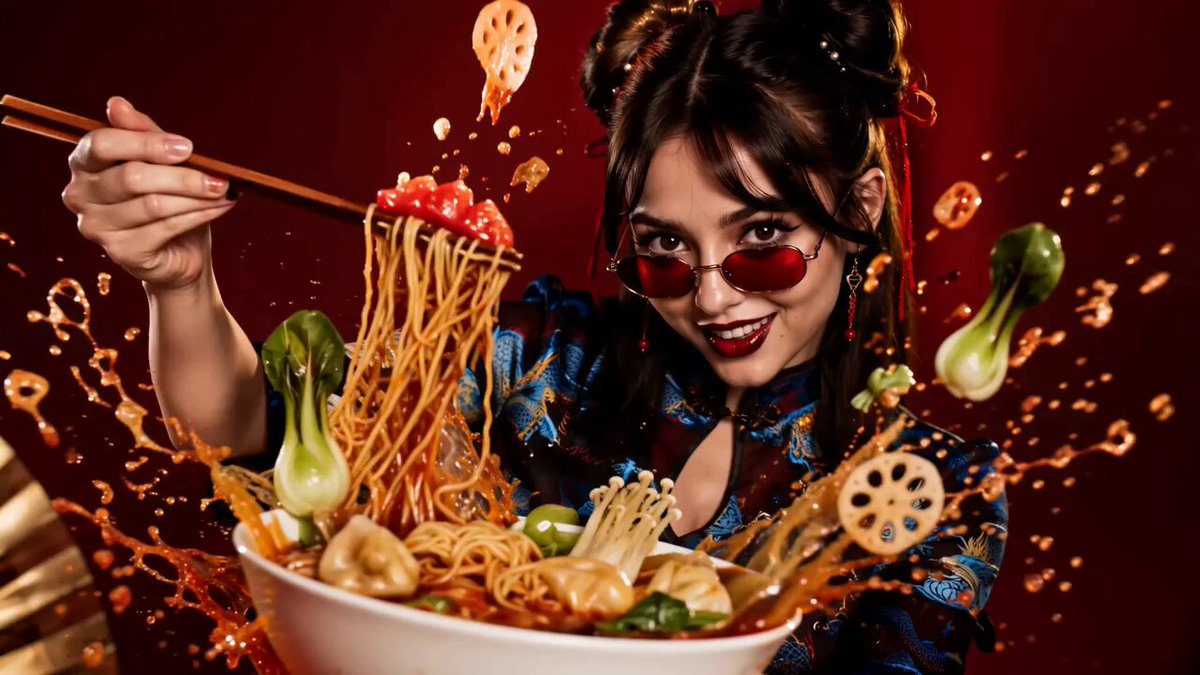
The Evolution of AI Video Generation
By mid-2025, AI-powered video generation has moved from experimental curiosity to essential production tool. The market for generative AI video is projected to exceed $15 billion, driven by demand for high-quality, fast-turnaround visual content.
The biggest leap forward? Image-to-video technology that transforms a single photograph into a moving, breathing scene — complete with consistent lighting, natural motion, and controllable camera angles.
How Modern Image-to-Video Works
At its core, image-to-video AI analyzes the depth, texture, and composition of a static image, then generates plausible motion by predicting how each pixel should evolve over time. Advanced models can now maintain character identity across multiple shots and camera angles.
Key capabilities include:
- Photorealistic motion — natural movement that respects physics
- Character consistency — the same face and clothing across scenes
- Camera control — pan, zoom, and tracking shots from a single reference
- Style preservation — artistic filters and moods stay locked across frames
Practical Applications for Creators
The most exciting use cases are in social media content creation. Instead of filming hours of footage, a creator can generate dozens of video variations from a handful of product photos or concept art.
For businesses, this means faster campaign turnaround. For independent filmmakers, it means bringing storyboards to life before shooting begins.
Tools That Power Modern AI Video
Platforms like Domer's AI video generator bring together multiple state-of-the-art models under one roof. Whether you need text-to-video, image-to-video, or video-to-video transformations, having access to a unified interface saves time and reduces complexity.
For image quality, GPT Image 2 on Domer provides the kind of detail and photorealism that makes video generation truly convincing. And when you need cinematic motion, models like Seedance 2.0 deliver smooth, professional-grade results.
Best Practices for Image-to-Video
- Start with high-quality source images — better input means better output
- Define motion intent clearly — specify what should move and how
- Batch test with low-resolution previews — iterate fast before committing to full quality
- Maintain consistent lighting references — helps models preserve scene mood
Looking Ahead
The next frontier is real-time interactive video, where AI adapts the generated scene based on viewer input or story branches. Combined with AI image generator capabilities for asset creation, the creative pipeline from idea to finished video is becoming dramatically shorter.
For anyone creating visual content in 2025, understanding image-to-video AI isn't optional — it's the competitive edge that separates fast-moving creators from those still waiting for rendering to finish.
